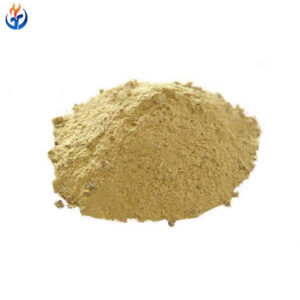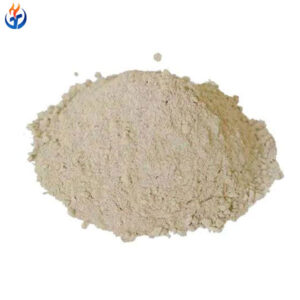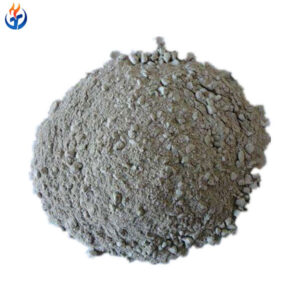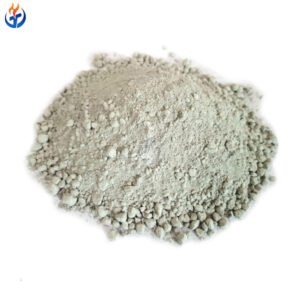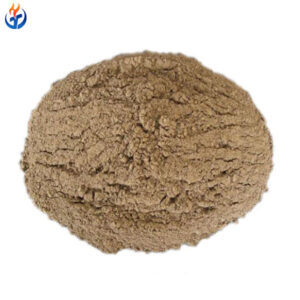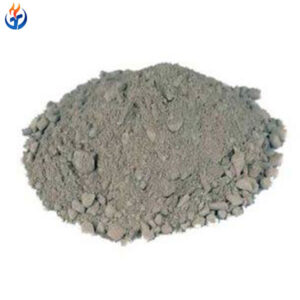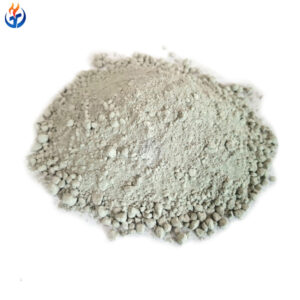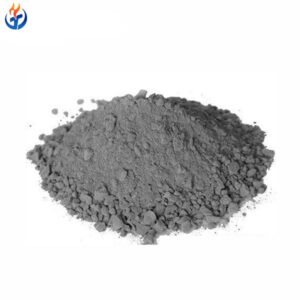
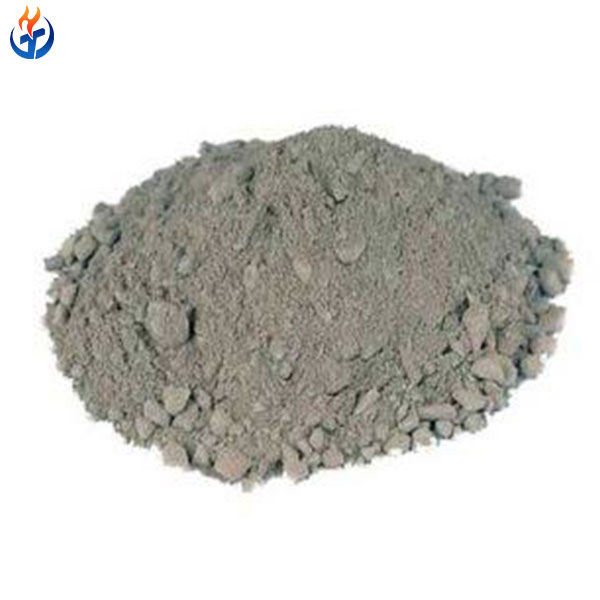
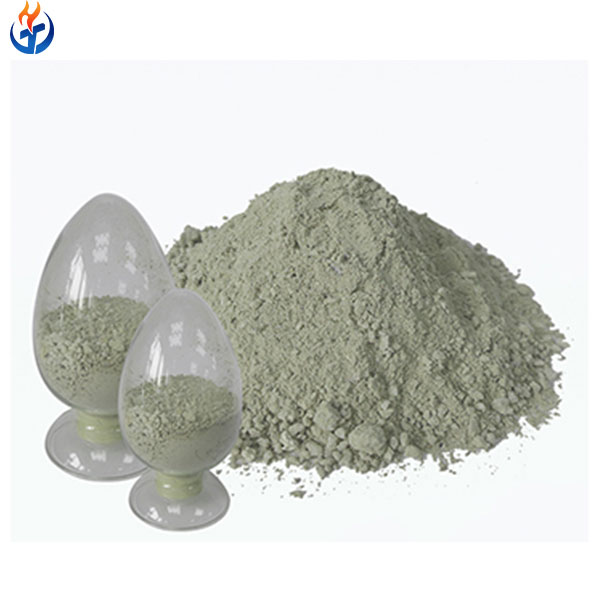
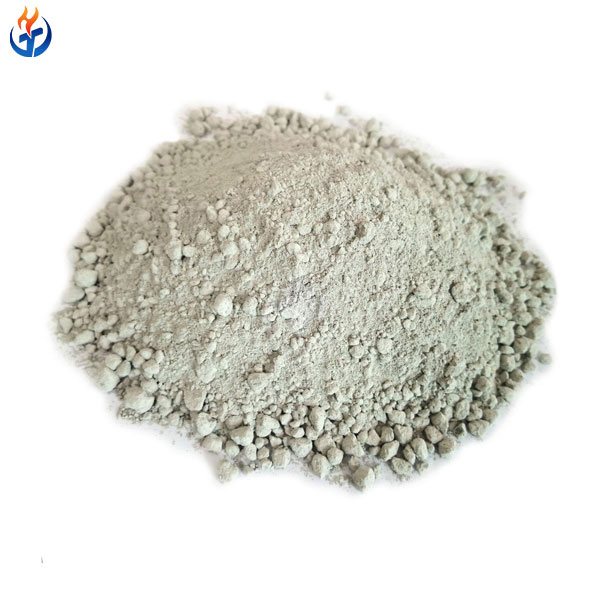
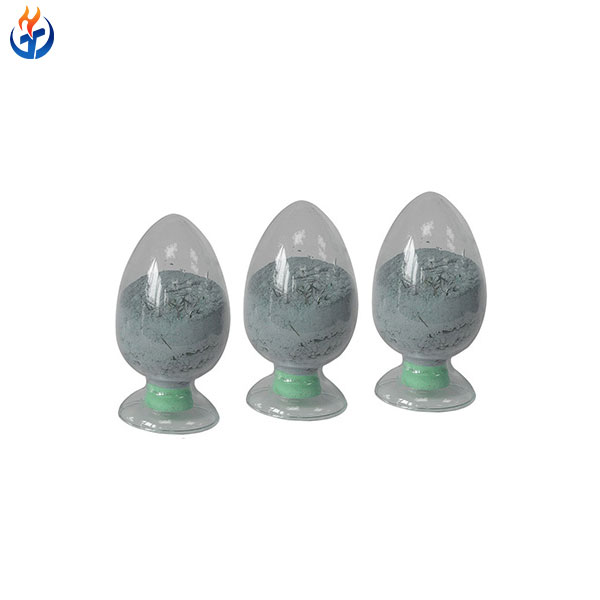
Phosphate Bonded Refractory Mortar is a high-performance jointing and masonry material designed for high-temperature furnace linings, especially where severe thermal, chemical, and mechanical stress conditions are present. It is formulated using high-alumina refractory aggregates combined with a phosphate-based binding system, which forms a dense and chemically stable bonding phase after curing and heating.
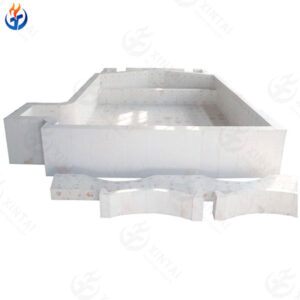
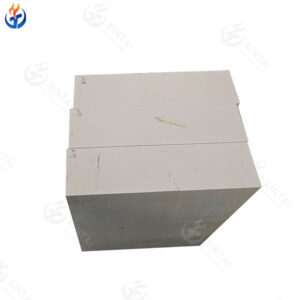
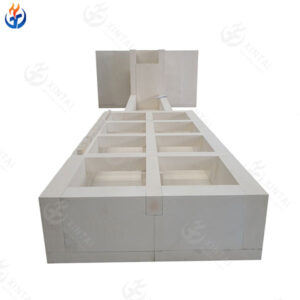
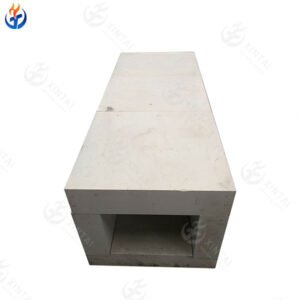
Compared with conventional fireclay refractory mortar, phosphate bonded mortar provides significantly higher mechanical strength, superior wear resistance, and excellent resistance to molten metal and slag corrosion. It is widely used for bonding high alumina bricks, phosphate wear-resistant bricks, and kyanite bricks in industrial furnace construction.
This product plays a critical role in ensuring the structural integrity of furnace linings, reducing joint erosion, minimizing heat loss, and improving overall thermal efficiency of industrial kiln systems.
Technical Specifications
| Grade | Al₂O₃ (%) | Refractoriness (℃) | MOR (110℃×24h) | High Temp Strength (1400℃×3h) | Bonding Time (min) | Application Level |
|---|---|---|---|---|---|---|
| NP-45 | ≥45 | ≥1750 | ≥2 MPa | ≥6 MPa | 1–2 | Standard duty |
| LP-55 | ≥55 | ≥1770 | ≥2 MPa | ≥6 MPa | 1–2 | Medium duty |
| MP-70 | ≥70 | ≥1790 | ≥2 MPa | ≥6–7 MPa | 1–2 | Heavy duty |
| GP-80 | ≥80 | ≥1825 | ≥2 MPa | ≥7 MPa | 1–2 | Severe service |
| GP-90 | ≥90 | ≥1850 | ≥2 MPa | ≥7 MPa | 1–2 | Ultra high temp |
Key Features of Phosphate Bonded Refractory Mortar
- High-Temperature Stability: Maintains structural integrity under continuous exposure to temperatures above 1700℃, suitable for extreme industrial furnace environments.
- Excellent Bonding Strength: Phosphate chemical bonding ensures rapid hardening and strong adhesion to high alumina bricks and wear-resistant refractories.
- Superior Wear and Erosion Resistance: High-density structure resists molten metal flow, slag penetration, and mechanical abrasion.
- Fast Setting Performance: Initial bonding occurs within minutes, significantly improving construction efficiency and reducing furnace downtime.
- Low Deformation Under Thermal Load: Stable crystal structure reduces cracking, shrinkage, and joint failure during thermal cycling.
- Excellent Chemical Resistance: Strong resistance to acidic and basic slag, molten aluminum, and aggressive furnace atmospheres.
Typical Applications
- Aluminum melting furnaces and holding furnaces
- Steel ladles and tundishes
- Cement rotary kilns
- Glass melting furnaces
- Petrochemical cracking furnaces
- Industrial incinerators
- High-temperature reheating furnaces
- Kyanite brick and high alumina brick masonry systems
Production Details
Raw Materials
- High-grade bauxite clinker
- Industrial phosphoric acid or aluminum phosphate solution
- Alumina powder (fine grade)
- Wear-resistant functional additives
Manufacturing Process
- Raw material selection and impurity removal
- Precision grinding and particle size classification
- Controlled batching and homogenization
- Phosphate binder integration
- Moisture-controlled mixing and stabilization
- Sealed packaging to prevent hydration and contamination
Quality Control
Each batch is tested for:
- Chemical composition stability
- Refractoriness performance
- Bonding strength consistency
- Particle grading uniformity
- Thermal shock resistance
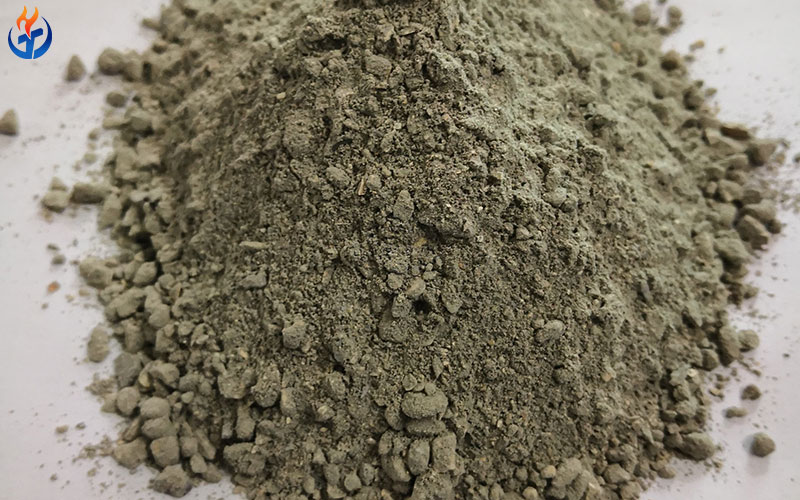
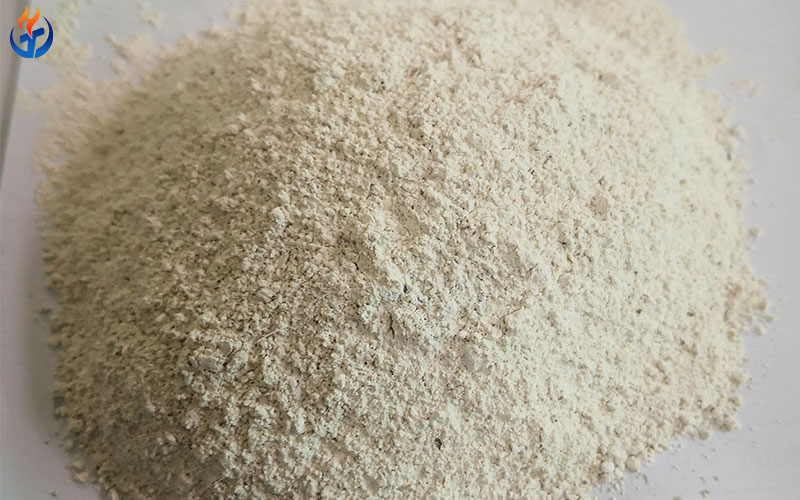
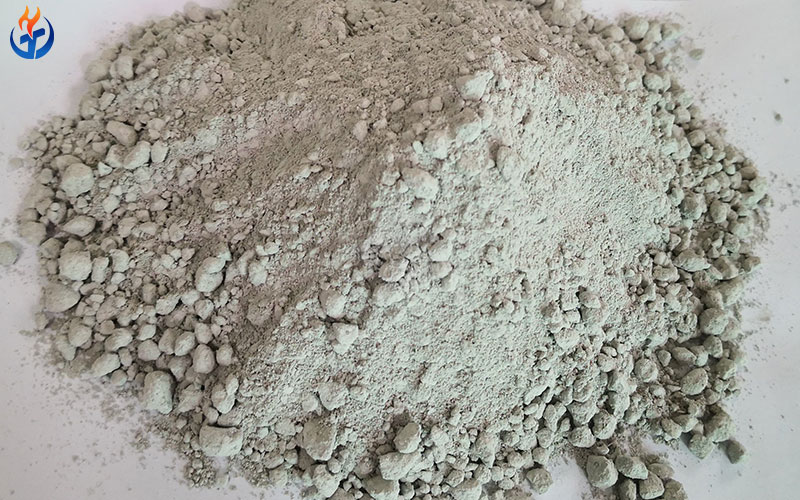
Packing and Shipping Details
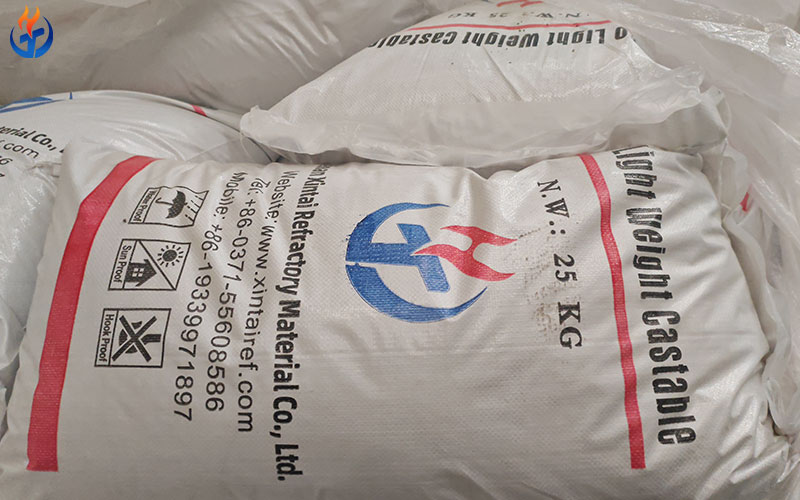
Standard Packaging: 25 kg moisture-proof bags with inner PE lining
Bulk Packaging: 1-ton jumbo bags available upon request
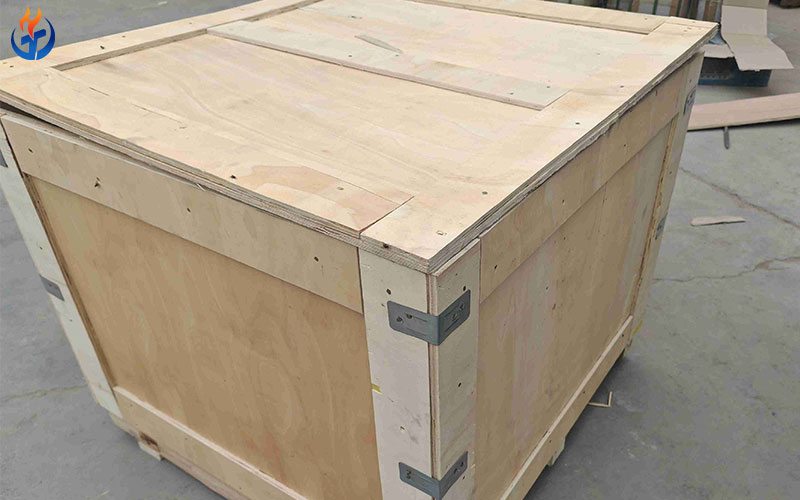
Pallet System: Reinforced wooden pallets with shrink wrapping
Delivery Forms: Dry powder, ready for onsite mixing
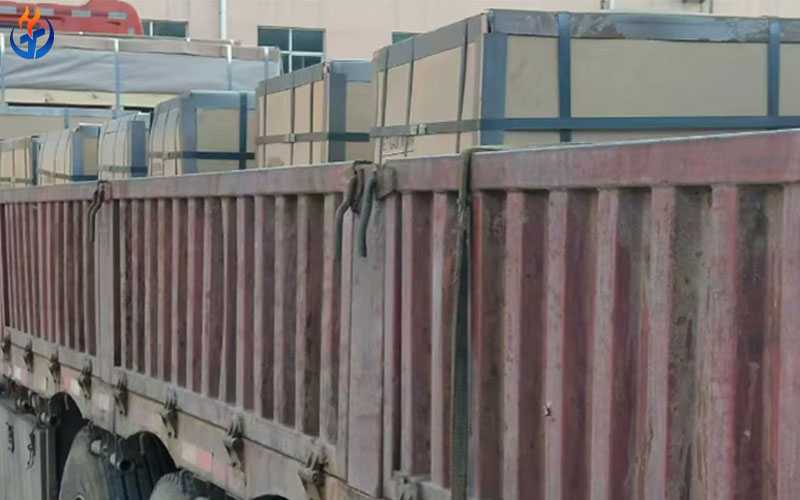
Shipping Options: Sea freight / rail freight / truck delivery
All packaging is designed to prevent moisture absorption and ensure long-distance transport stability.
Frequently Asked Questions (FAQ)
Q1: What is the main difference between phosphate mortar and fireclay mortar?
Phosphate mortar provides significantly higher strength, better wear resistance, and superior chemical stability compared to traditional fireclay mortar.
Q2: Can it be used for aluminum melting furnaces?
Yes, it is widely used in aluminum melting and holding furnaces due to its excellent resistance to molten aluminum corrosion.
Q3. Does it require water during construction?
No, phosphate bonded mortar does not require water, ensuring stable chemical performance and preventing construction defects.
Q4: What is the working time after mixing?
The material must be applied within 1–2 minutes after mixing due to rapid chemical hardening.
Q5: Is it suitable for emergency furnace repair?
Yes, its fast-setting property makes it ideal for quick maintenance and emergency kiln repairs.