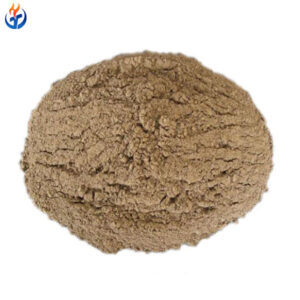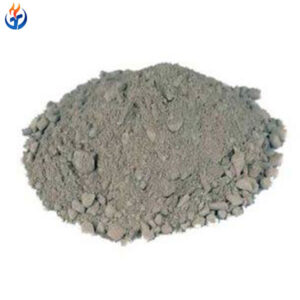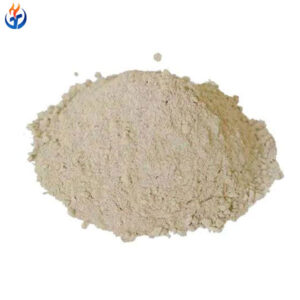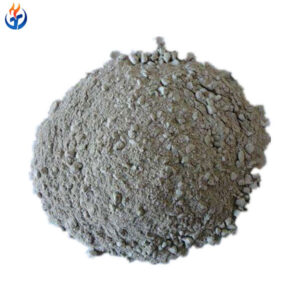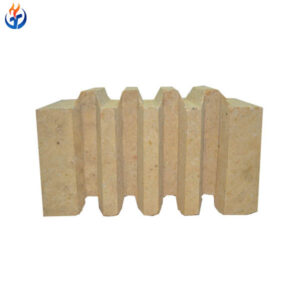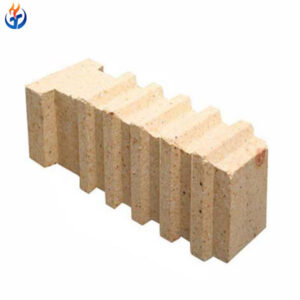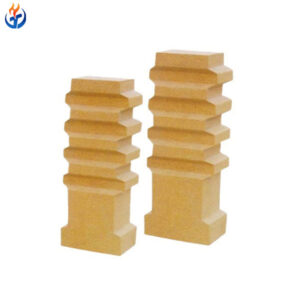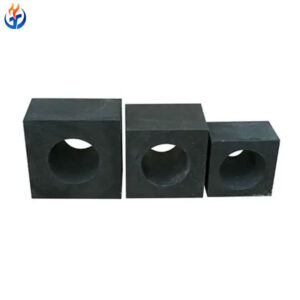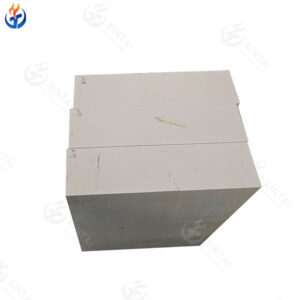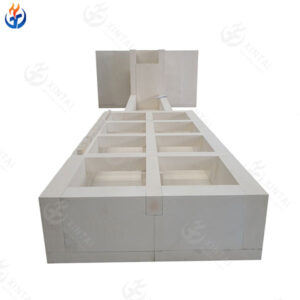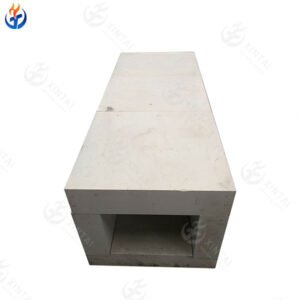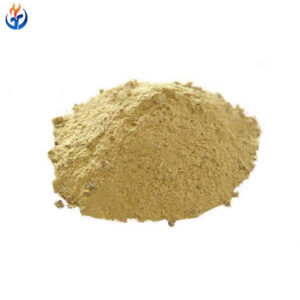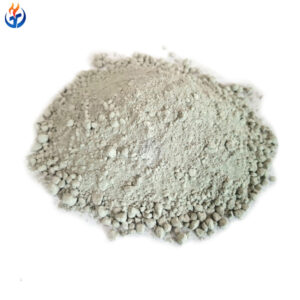
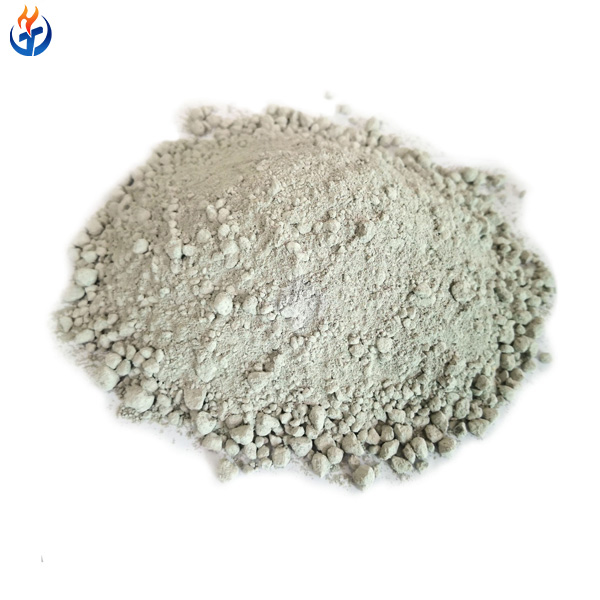
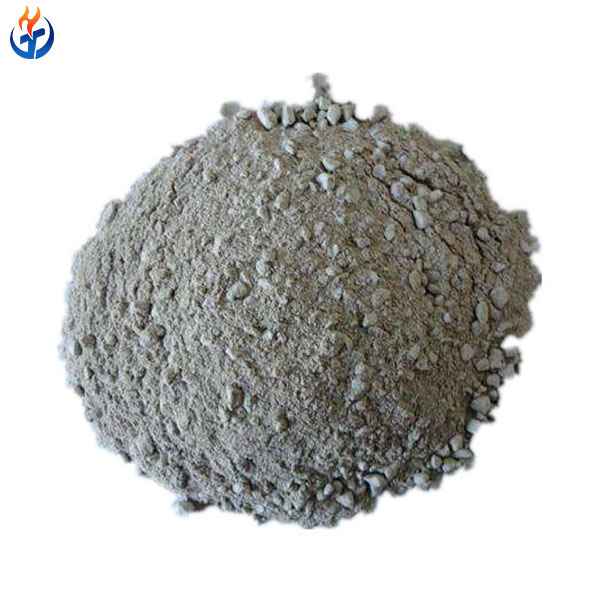
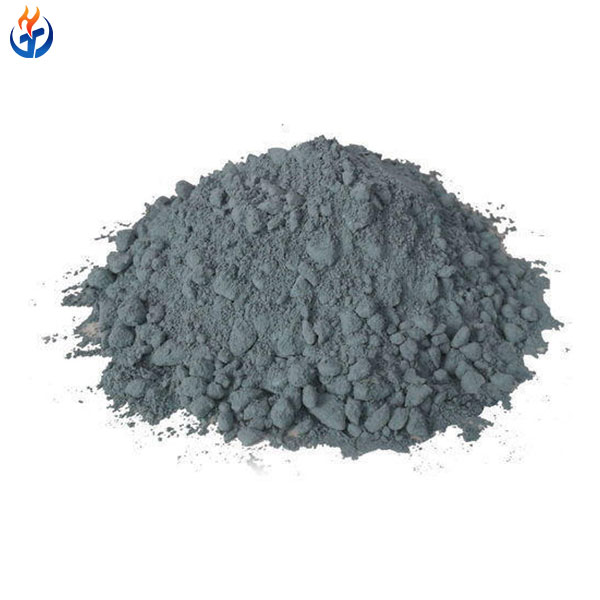
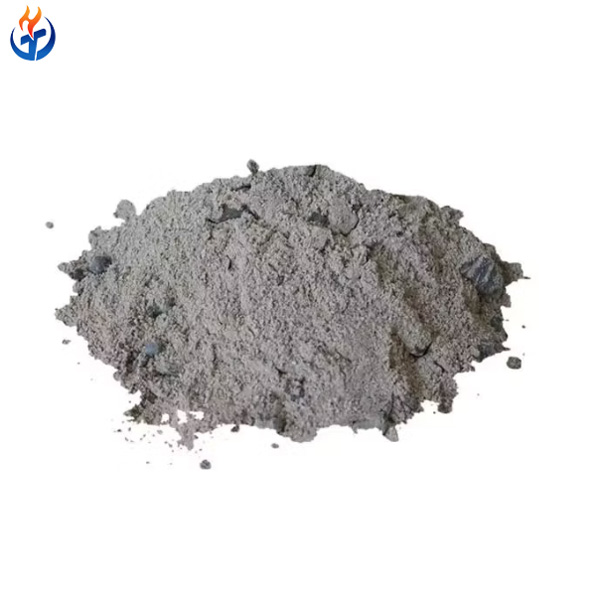
High Alumina Refractory Mortar is a high-performance bonding material specially developed for laying and repairing high alumina refractory bricks and other alumina-based refractory products. It is manufactured from selected high-grade refractory powders and high-temperature binders, providing excellent adhesion, high refractoriness, and good thermal stability.
Compared with ordinary fire clay mortar, high alumina refractory mortar offers superior bonding strength, better resistance to thermal shock, and improved chemical stability under severe operating conditions. It maintains strong adhesion during repeated heating and cooling cycles and minimizes joint cracking and slag penetration.
Xintai Refractory supplies various grades of high alumina refractory mortar with Al₂O₃ contents ranging from 50% to 80%, suitable for different temperature requirements and furnace structures. These products are widely used in steel plants, cement plants, glass furnaces, ceramic kilns, petrochemical industries, and non-ferrous metallurgy applications.
Technical Specifications
| Grade | Al2O3 Content (%) | CaO Content (%) | Fe2O3 Content (%) | Refractoriness (℃) | Volume Density (g/cm3) |
|---|---|---|---|---|---|
| Special Grade | ≥85 | ≤0.60 | ≤1.40 | ≥1790 | ≥3.60 |
| Grade-80 | ≥80 | ≤0.60 | ≤3.00 | ≥1790 | ≥3.00 |
| Grade-70 | 70~80 | ≤0.80 | ≤3.00 | ≥1790 | ≥2.80 |
| Grade-60 | 60~70 | ≤0.80 | ≤3.00 | ≥1790 | ≥2.65 |
| Grade-50 | 50~60 | ≤0.80 | ≤2.50 | ≥1790 | ≥2.55 |
Key Features
- High Refractoriness: High alumina refractory mortar can withstand service temperatures up to 1770℃, making it suitable for high-temperature industrial furnaces and kilns.
- Excellent Bonding Performance: The mortar forms strong and durable joints between refractory bricks, ensuring the integrity and airtightness of the furnace lining.
- Good Thermal Shock Resistance: It performs well under frequent heating and cooling cycles, reducing the risk of joint cracking and spalling.
Low Shrinkage: The material exhibits excellent volume stability during drying and firing, maintaining tight and uniform brick joints.
Superior Slag and Chemical Resistance: High alumina refractory mortar offers good resistance to slag penetration, alkali attack, and corrosive atmospheres encountered in industrial applications.
Easy Construction: Supplied as a ready-mixed dry powder, it only requires adding water before use, simplifying installation and improving construction efficiency.
Wide Compatibility: Suitable for bonding high alumina bricks, fire clay bricks, mullite bricks, and other alumina-based refractory materials.
Typical Applications
- Steel Industry: Used in refractory castables, ladle linings, tundish linings, and furnace repair materials.
- Cement Industry: Applied in rotary kiln linings, preheater systems, and calcining equipment.
- Glass Industry: Used for refractory mortars and castables in glass furnace construction and maintenance.
- Ceramic Industry: Suitable for kiln linings, kiln cars, and other thermal process equipment.
- Non-ferrous Metallurgy: Used in melting furnaces, holding furnaces, and other high-temperature equipment.
- Power Industry: Applied in boiler linings, incinerators, and fluidized bed furnaces.
Production Details
Raw Materials: High-quality calcined bauxite, refractory clay, alumina powder, and specially selected high-temperature binders are used to ensure excellent bonding performance and refractoriness.
Manufacturing Process: Strict control is maintained during raw material batching, crushing, grinding, mixing, and packaging to guarantee consistent product quality.
Quality Control: Each batch undergoes rigorous chemical analysis and physical performance testing to ensure compliance with international standards and customer requirements.
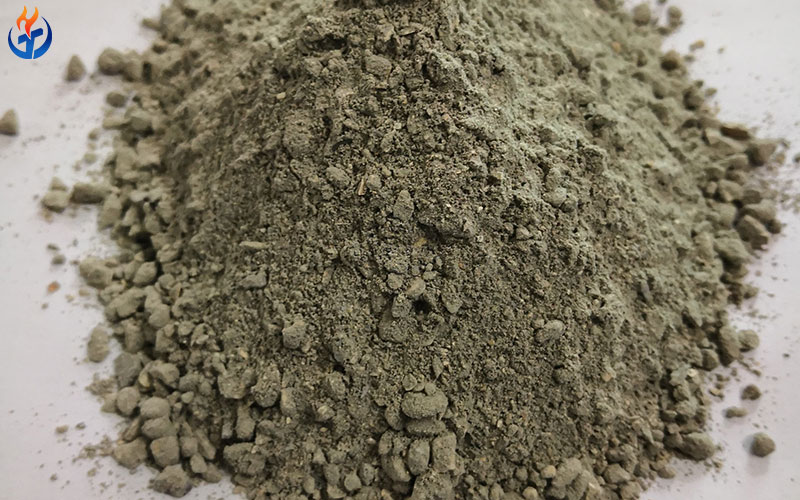
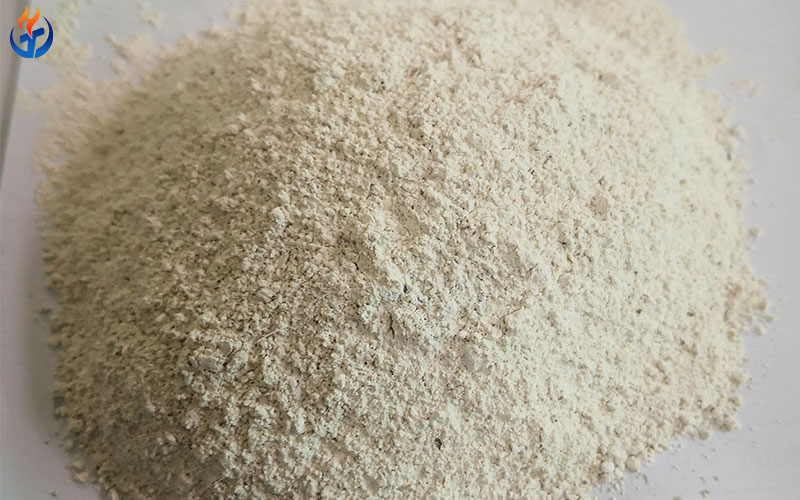
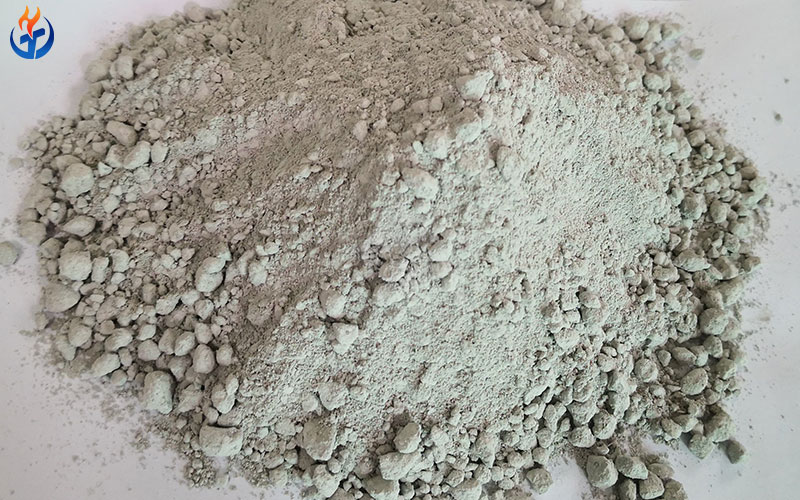
Packing and Shipping Details
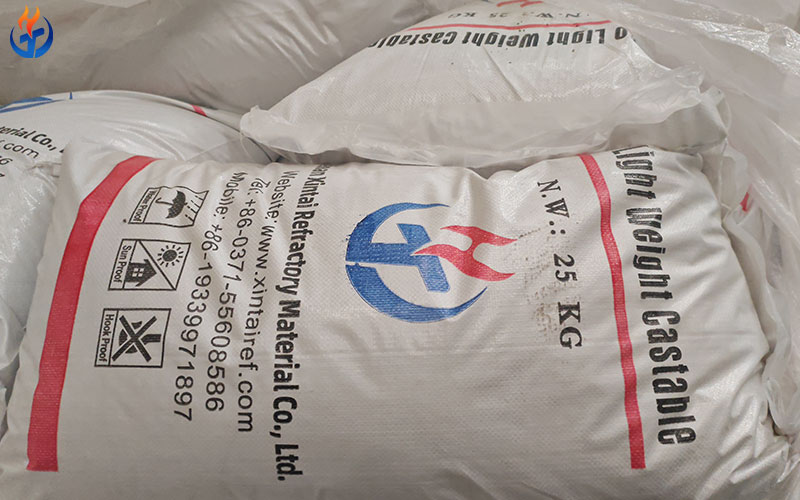
Standard Packing: 25 kg paper bags with moisture-proof inner lining.
Bulk Packing: Jumbo bags available upon request.
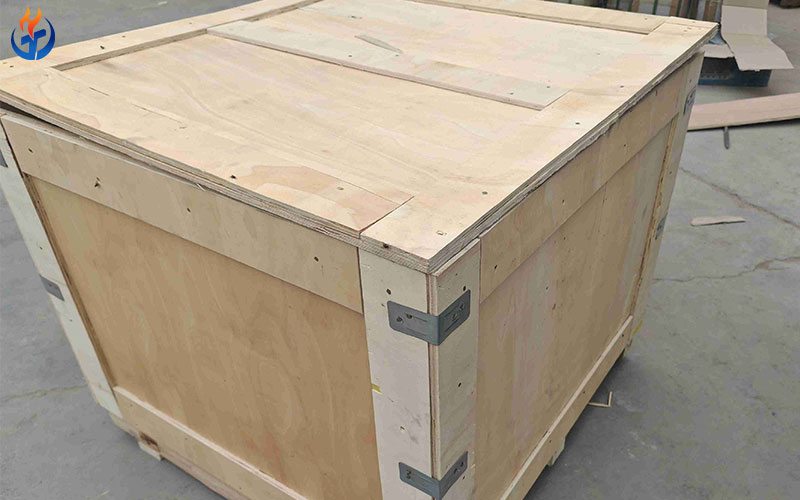
Palletizing: Wooden pallets with shrink wrapping for enhanced protection during transportation.
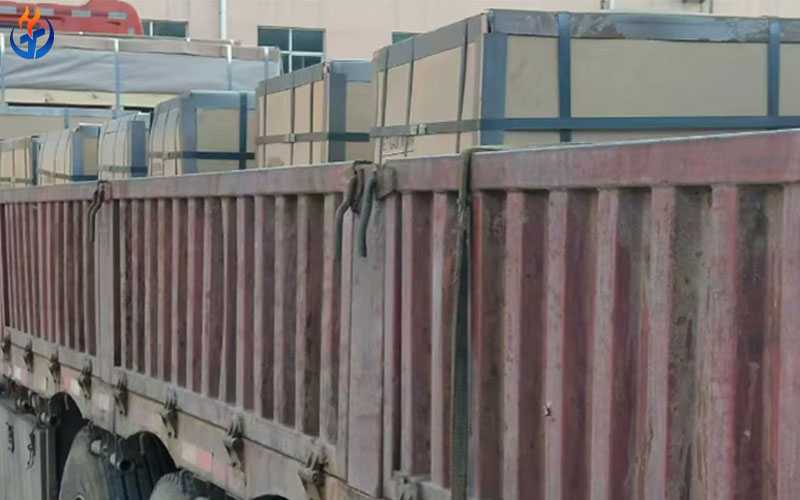
Shipping Methods: By sea, by truck, or by rail.
Delivery Form: Dry powder, ready for on-site mixing.
All products are securely packed to prevent moisture absorption and damage during transportation.
Frequently Asked Questions (FAQ)
Q1: What is high alumina refractory mortar used for?
High alumina refractory mortar is mainly used for laying and repairing high alumina bricks and other refractory brick structures in furnaces and kilns.
Q2: What temperature can high alumina mortar withstand?
Depending on the grade, the refractoriness ranges from 1580℃ to 1770℃.
Q3. How is refractory mortar different from refractory castables?
Refractory mortar is primarily a bonding material used between refractory bricks, while refractory castables are monolithic materials used to form complete furnace linings.
Q4: How much water should be added?
Typically, 18–25% clean water is added, depending on construction requirements. The exact amount should be adjusted according to site conditions.
Q5: Which refractory bricks are compatible with high alumina mortar?
It is suitable for high alumina bricks, fire clay bricks, mullite bricks, and other alumina-based refractory materials.