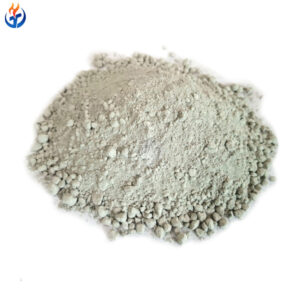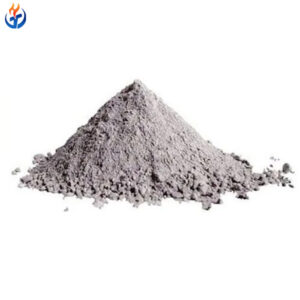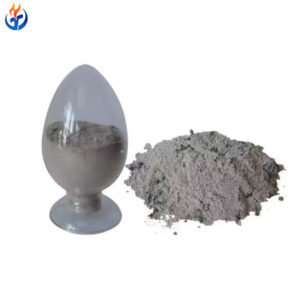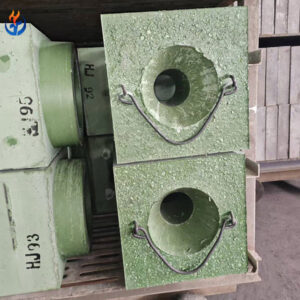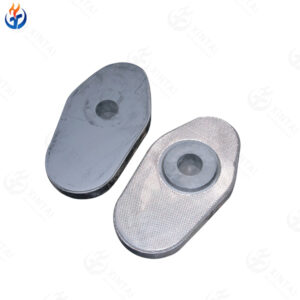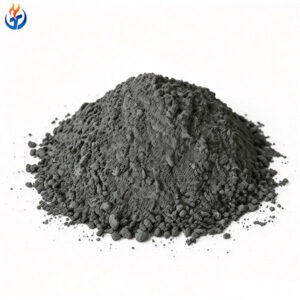
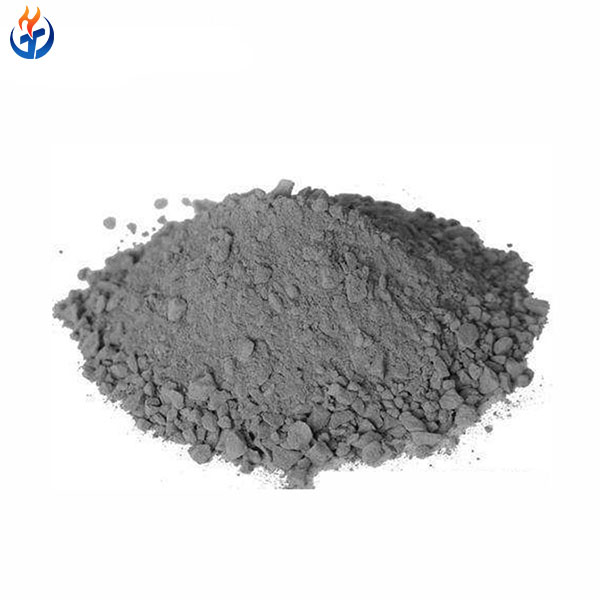
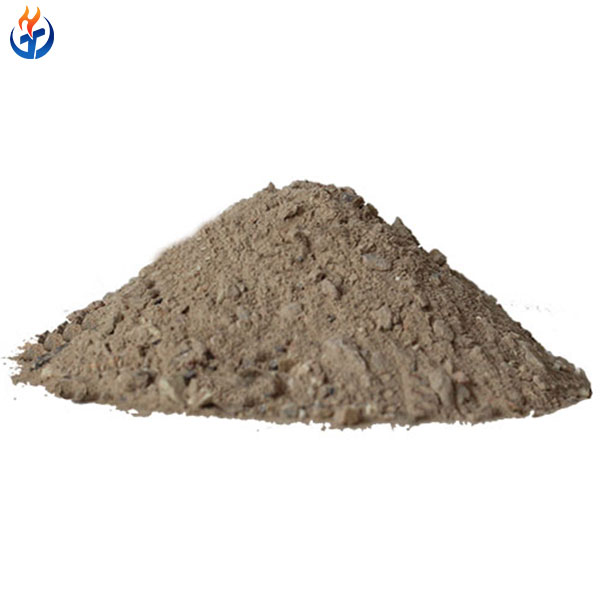
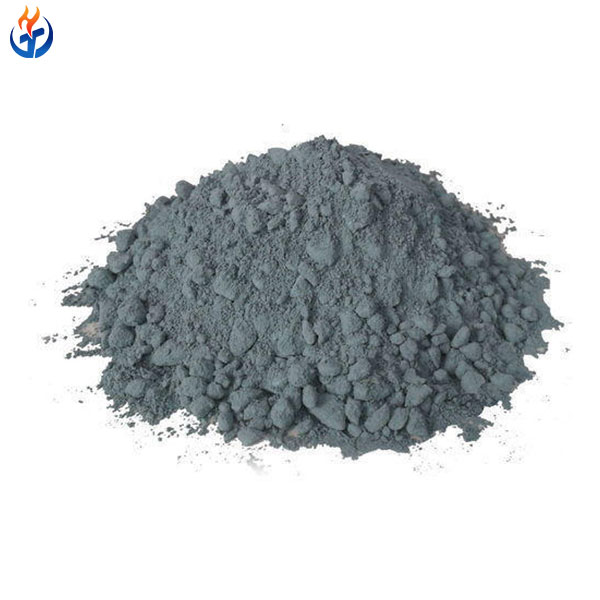
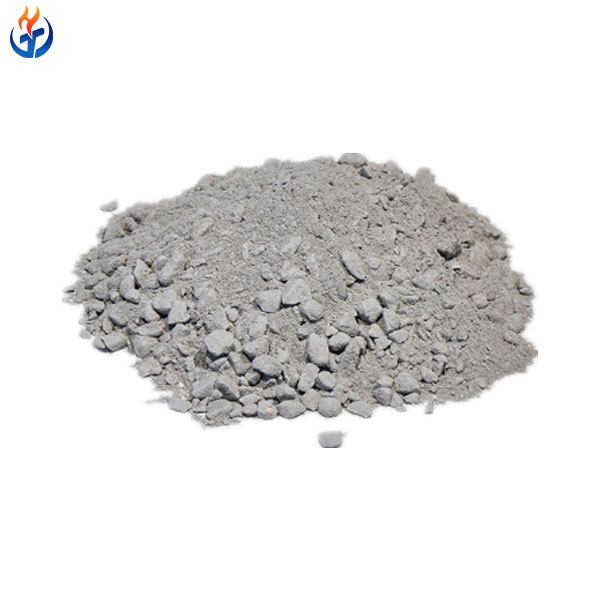
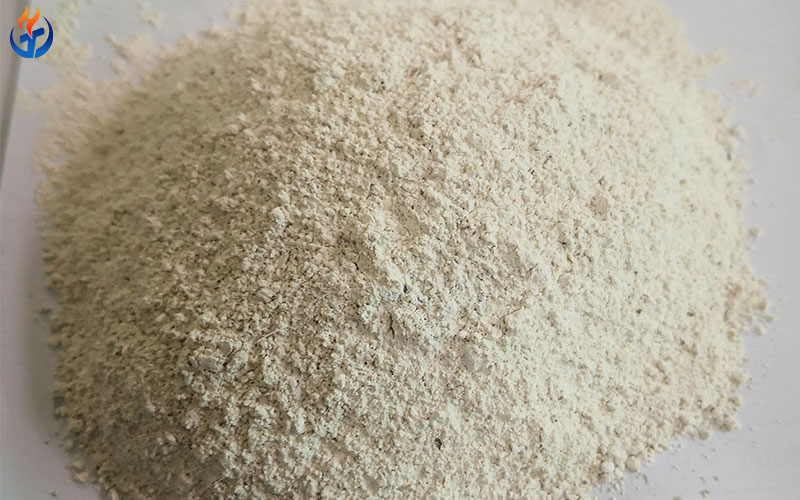
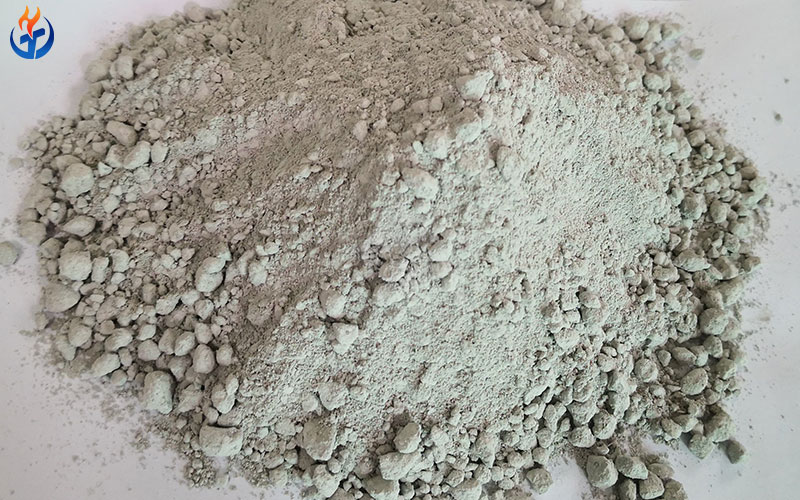
Cement Kiln Refractory Castables are high-performance unshaped refractory materials formulated with high-quality alumina aggregates, mullite, corundum, graded refractory fillers, and high-performance binding systems. They provide excellent mechanical strength, thermal stability, and resistance to chemical attack and clinker corrosion under extreme operating conditions.
These castables are widely used in cement rotary kilns, preheaters, cooler zones, and other thermal equipment where high refractoriness, durability, and reliable lining performance are required. With good workability and controlled setting properties, Cement Kiln Refractory Castables are suitable for casting, vibration, and gunning installation methods, ensuring flexible on-site construction and long service life.
Technical Specifications
| Item | KSL-60 | KSL-65 | KSL-70 |
|---|---|---|---|
| Al₂O₃ Content (%) | 60 | 65 | 70 |
| Bulk Density (g/cm³) (110℃ × 24h) | 2.40 | 2.60 | 2.80 |
| Cold Crushing Strength (MPa) | |||
| – 110℃ × 24h | 55 | 60 | 65 |
| – 1000℃ × 3h | 80 | 90 | 100 |
| Modulus of Rupture (MPa) | |||
| – 110℃ × 24h | 7 | 8 | 9 |
| – 1000℃ × 3h | 9 | 11 | 13 |
| Linear Change after Firing (%) (1000℃ × 3h) | ±0.3 | ±0.3 | ±0.3 |
| Room Temperature Wear (cm³) (1000℃ × 3h) | 9 | 8 | 7 |
| Thermal Shock Resistance (Times) (1000℃) | 20 | 20 | 20 |
| Max Service Temperature (℃) | 1400 | 1450 | 1500 |
Key Features
- Excellent resistance to thermal shock in rotary kiln environments
- High mechanical strength and abrasion resistance
- Strong resistance to alkali, sulfur, and clinker corrosion
- Stable volume at high temperatures with low shrinkage
- Suitable for long-term continuous kiln operation
- Easy installation with casting, vibration, or gunning methods
- Extended service life in harsh cement production conditions
Typical Applications
Cement Kiln Refractory Castables are widely used in:
- Cement rotary kiln inlet, outlet, and burning zone
- Preheater cyclones and ducts
- Kiln hood and cooler transition zones
- Precalciner and riser duct systems
- Clinker cooler linings
- Kiln repair and emergency maintenance areas
- High-wear and high-alkali corrosion zones
Production Details
- Raw Materials: Calcined bauxite, high-alumina clinker, mullite, corundum aggregates
- Binder System: Calcium aluminate cement (CAC) / ultra-low cement / no-cement options
- Formulation Range: 45% – 90% Al₂O₃ customizable
- Max Temperature Range: Up to 1700℃ (special grades)
- Installation Methods: Casting, vibration casting, pumping, gunning
- Quality Control: Particle grading, flowability testing, strength and thermal testing
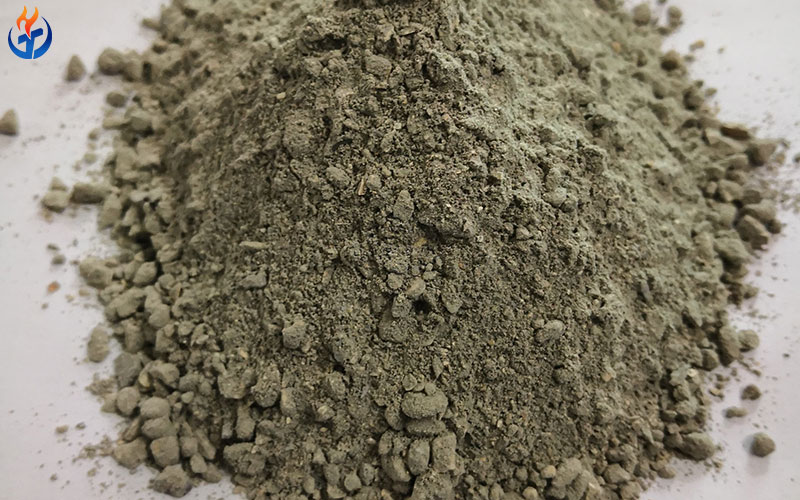
Customized formulations are available based on kiln position, fuel type, and operating atmosphere.
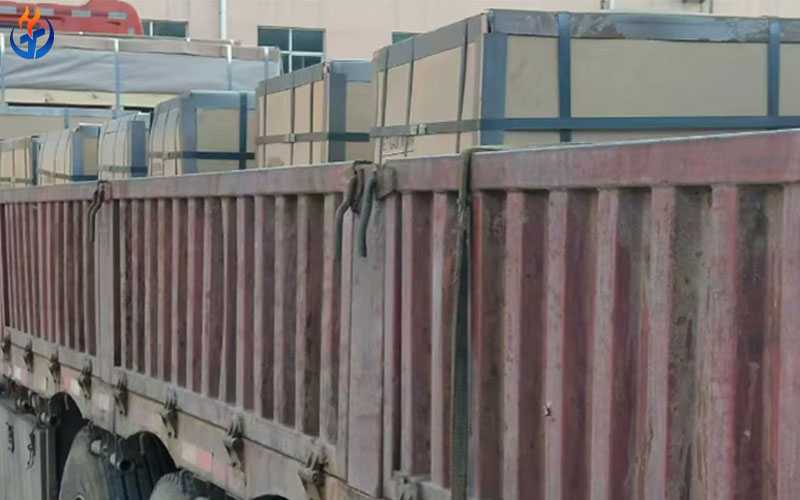
Packing and Shipping Details
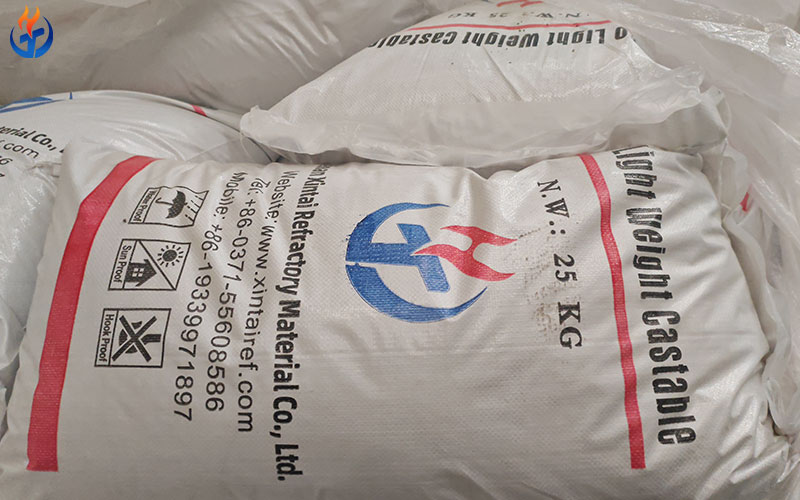
- Packing: 25 kg moisture-proof woven bags with inner liner
- Jumbo Bags: 1000 kg for bulk shipment
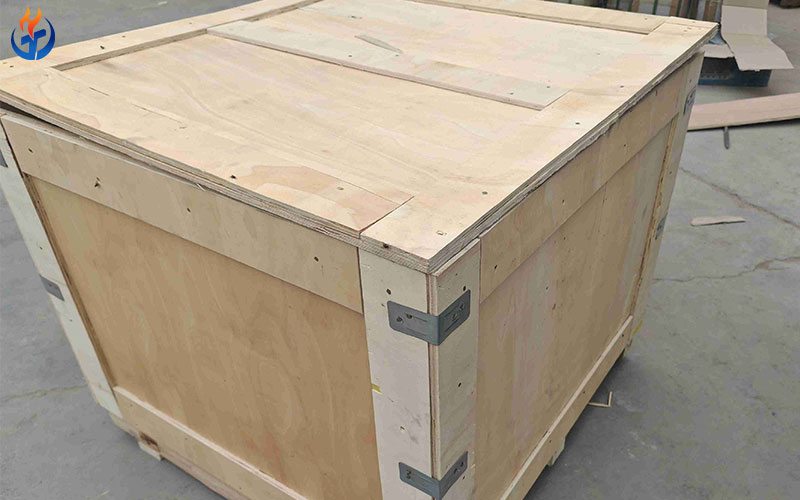
- Palletizing: Reinforced export pallets with shrink wrap
- Labeling: Product grade, batch number, handling instructions
- Lead Time: 7–15 working days after order confirmation
- Shipping: Sea, rail, and air freight available
- Documents: MSDS, COA, and technical datasheet available upon request
Frequently Asked Questions (FAQ)
Q1: What is the main advantage of castables in cement kilns?
They provide a seamless monolithic lining with higher resistance to thermal shock and mechanical stress compared to bricks.
Q2: Can it replace refractory bricks completely?
In many kiln zones, yes. However, selection depends on temperature and mechanical load conditions.
Q3. How is it installed?
By casting, vibration forming, or gunning depending on the repair or construction requirement.
Q4: What affects its service life?
Kiln temperature stability, fuel type, alkali content, and installation quality.
Q5: Can formulas be customized?
Yes, grades can be adjusted for different kiln zones and operating conditions.