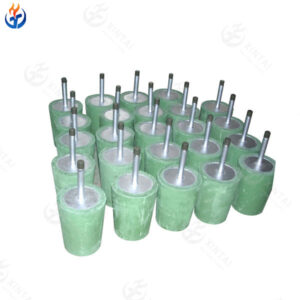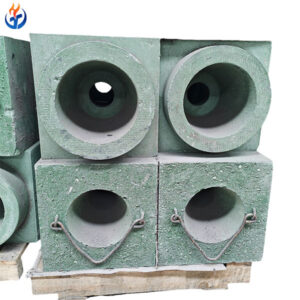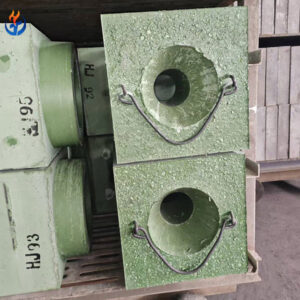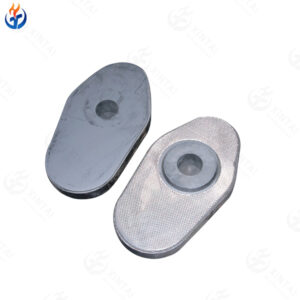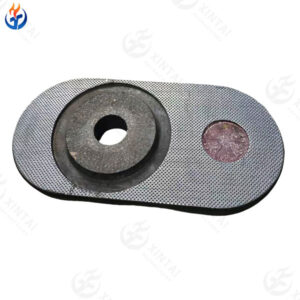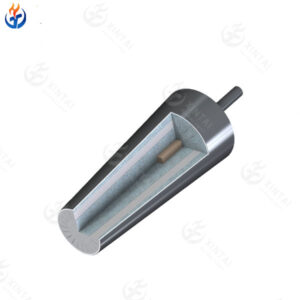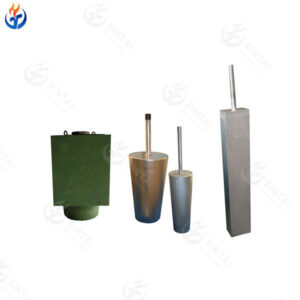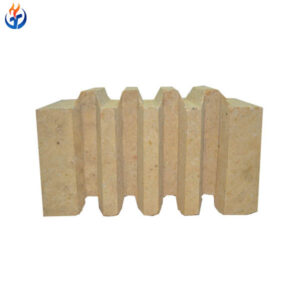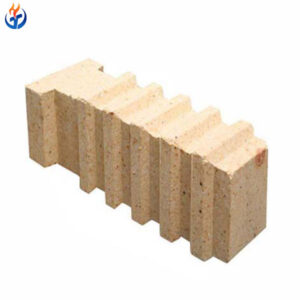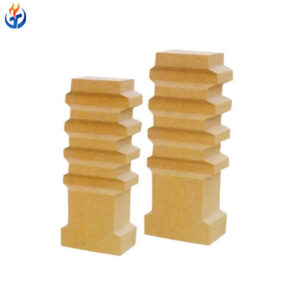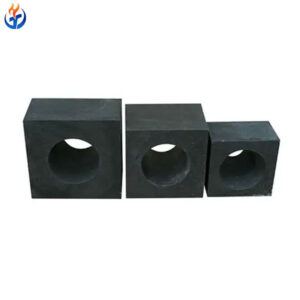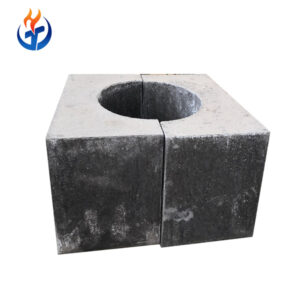
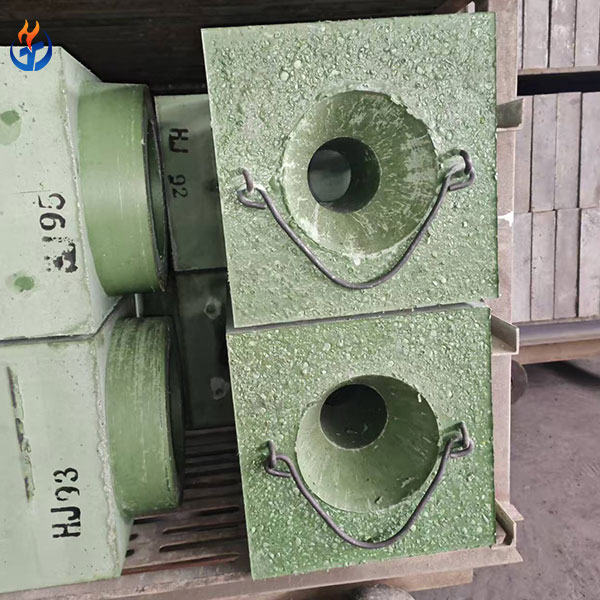


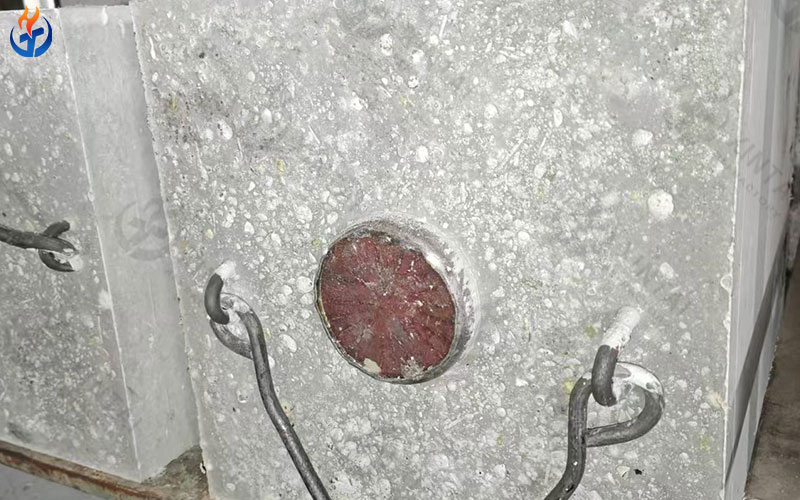
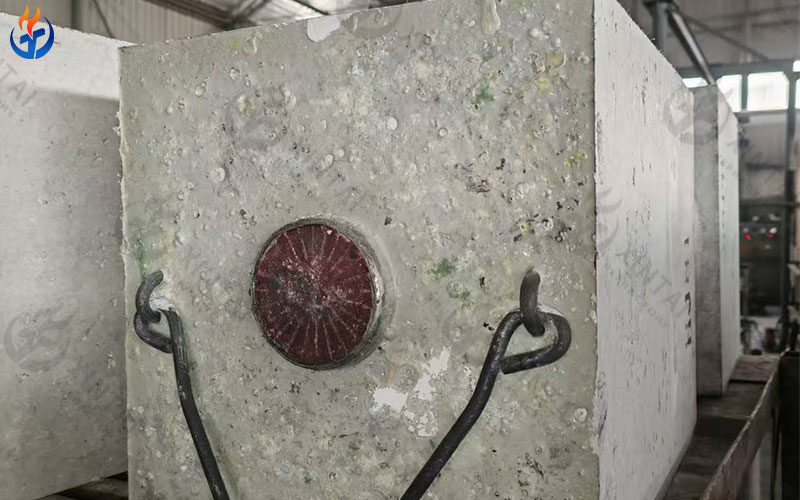
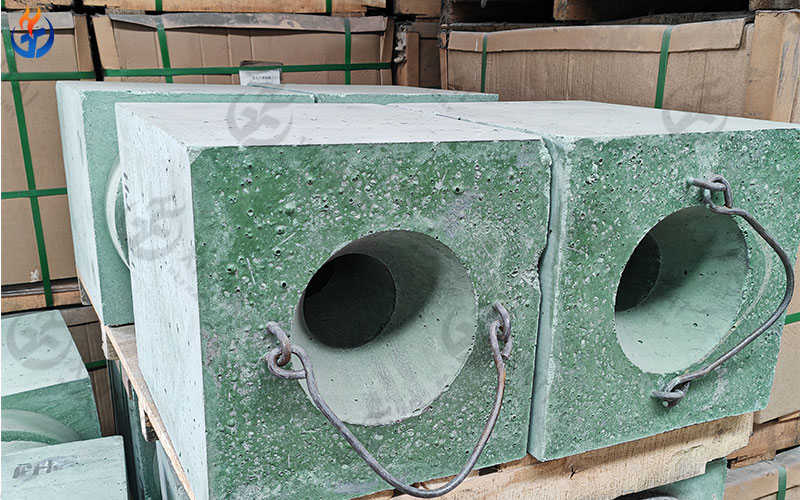
Precast Ladle Well Block is a prefabricated refractory component installed in the bottom lining of a steel ladle. It forms a critical structural area around the ladle well and provides a stable installation position for the well nozzle, collector nozzle, and other bottom-pouring components used in steelmaking and continuous casting operations.
Manufactured from carefully selected refractory raw materials, including high-alumina and alumina-magnesia compositions, the precast ladle well block is designed to withstand high temperatures, molten steel erosion, slag attack, thermal shock, and mechanical stress. Its material composition and structural design can be adjusted according to the operating conditions of different steel plants.
Compared with conventional on-site refractory installation, precast well blocks offer the advantages of controlled manufacturing, consistent dimensions, and more convenient installation. Factory production helps improve dimensional accuracy and material uniformity, while the prefabricated design can reduce on-site installation work and support more consistent refractory lining construction.
Xintai Refractory provides customized precast ladle well blocks according to ladle capacity, nozzle dimensions, refractory lining design, steel grade, and customer drawings. Material selection and product geometry can be optimized to meet the requirements of different steelmaking and continuous casting processes.
Technical Specifications
| Item | Specification |
|---|---|
| Brand | Xintai Refractory |
| Product Name | Precast Ladle Well Block |
| Material | High Alumina / Alumina-Magnesia / Magnesia-Carbon / Zirconia |
| Al₂O₃ Content | 60–95% (Customizable) |
| MgO Content | Up to 85% |
| Bulk Density | 2.7–3.0 g/cm³ |
| Apparent Porosity | ≤18% |
| Cold Crushing Strength | ≥45 MPa |
| Flexural Strength | ≥10 MPa |
| Thermal Shock Resistance | ≥30 Cycles |
| Refractoriness | ≥1790°C |
| Service Life | 15–30 Casting Heats |
| Shape | Standard or Customized |
| Manufacturing Process | Precast / Pressed / Monolithic |
| Application | Tundish Bottom Nozzle Seating |
| Packing | Export Wooden Case |
| Storage | Store Dry, Keep Upright, Avoid Impact |
Key Features
- Excellent High-Temperature Performance: The precast ladle well block is manufactured from refractory materials selected for high-temperature steelmaking environments. Appropriate material formulations help maintain structural stability and support reliable operation during molten steel handling and casting.
- Resistance to Molten Steel Erosion: The ladle well area is exposed to molten steel flow and repeated casting operations. A properly designed refractory structure helps resist erosion and penetration, protecting the surrounding bottom lining and supporting stable nozzle installation.
- Improved Dimensional Accuracy: Factory precasting allows the block geometry to be controlled during production. Accurate dimensions help ensure compatibility with the ladle bottom lining, well nozzle, collector nozzle, and other associated refractory components.
- Consistent Material Quality: Controlled batching, mixing, forming, and curing procedures help improve material uniformity. Consistent production conditions support predictable installation performance and help reduce variations between individual blocks.
- Reduced On-Site Installation Work: As a prefabricated refractory component, the well block can simplify the construction of the ladle bottom lining. Its ready-made geometry can reduce the amount of shaping required at the installation site and help improve installation efficiency.
- Resistance to Thermal Stress: Ladle refractories experience temperature fluctuations during preheating, steel tapping, casting, and maintenance. Suitable material selection and structural design help improve resistance to thermal stress and reduce the risk of premature cracking.
- Compatibility with Different Ladle Designs: Steel plants use different ladle capacities, bottom lining arrangements, and nozzle systems. Customized precast well blocks can be manufactured according to technical drawings and the dimensions of the associated refractory components.
- Flexible Material and Shape Options: High-alumina and alumina-magnesia compositions can be selected according to operating requirements. Customized dimensions, openings, profiles, and installation interfaces are available subject to the product design and manufacturing process.
Typical Applications
Precast Ladle Well Blocks are primarily used in steelmaking and molten steel handling systems, including:
Steelmaking ladles
Steel casting ladles
Secondary refining ladles
Ladle Furnace (LF) operations
RH refining operations
Continuous casting plants
Carbon steel production
Alloy steel production
Stainless steel production
Special steel production
The precast well block is installed in the ladle bottom area and designed to work with the corresponding well nozzle, collector nozzle, and other bottom-pouring components. The exact configuration depends on the ladle structure and refractory lining arrangement.
Production Details of Tundish Well Block
Xintai Refractory uses controlled manufacturing procedures to produce precast ladle well blocks with consistent material properties and dimensional accuracy.
1. Raw Material Selection
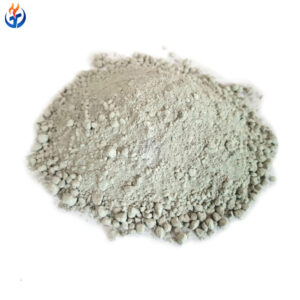
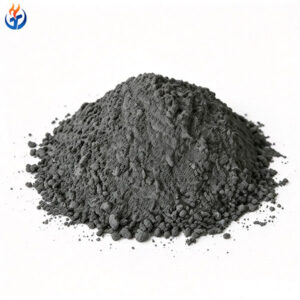
Refractory aggregates, fine powders, binders, and additives are selected according to the required chemical composition, physical properties, and service conditions. Material selection considers operating temperature, molten steel contact, slag characteristics, and thermal cycling.
2. Accurate Batching and Mixing
Raw materials are proportioned according to the approved formulation. Controlled mixing helps distribute aggregates, fine powders, and additives evenly, supporting consistent workability and material performance.
3. Precision Molding and Precasting
The prepared refractory mixture is placed into dedicated molds designed for the required block geometry. Controlled molding and forming help produce the specified dimensions, nozzle openings, and installation interfaces.
4. Controlled Curing and Drying
The formed blocks undergo appropriate curing and drying procedures according to the refractory formulation. Controlled moisture removal helps develop the required structure and reduces the risk of defects caused by improper drying.
5. Quality Inspection
Finished blocks are inspected for dimensions, appearance, and relevant physical properties according to the applicable product specifications. Chemical composition, bulk density, apparent porosity, and strength can be verified where required by the agreed quality-control plan.
6. Packing and Delivery Preparation
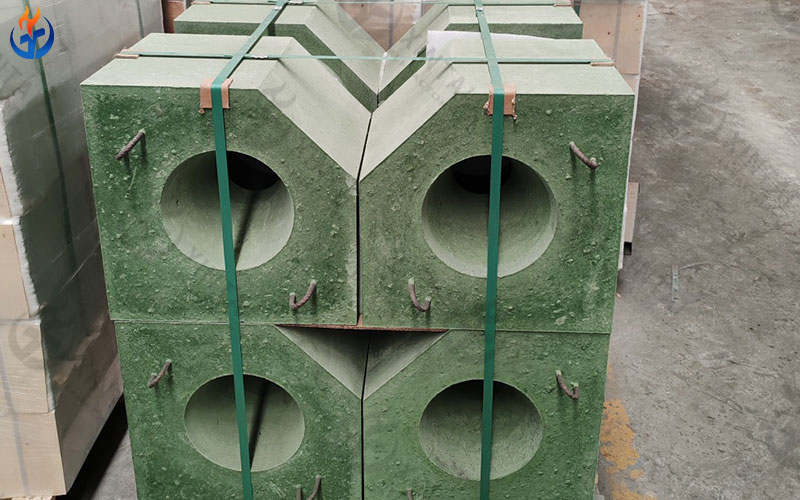
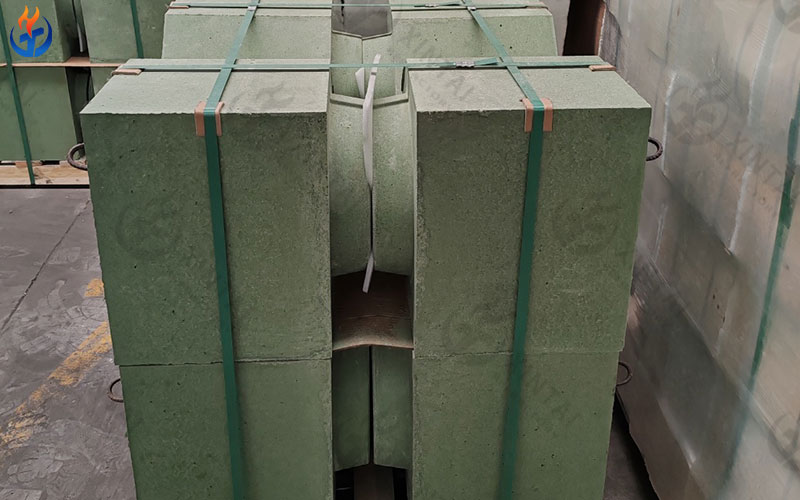
Qualified products are carefully handled and packed in export-grade wooden cases. Product identification and packing arrangements can be customized according to order quantities and shipping requirements.
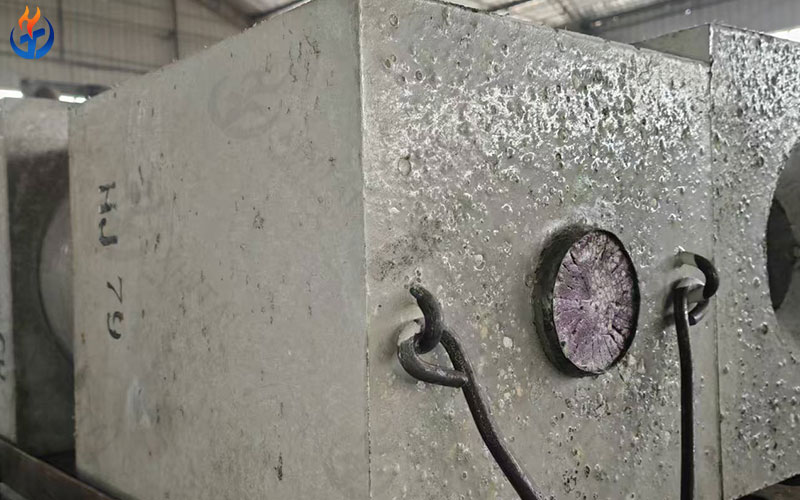
Packing and Shipping Details
To protect precast ladle well blocks during storage, handling, and international transportation, products are packed using suitable export packaging.
Export Packing: Strong wooden cases designed to support the weight and dimensions of refractory blocks.
Impact Protection: Appropriate internal supports and cushioning materials help reduce damage during loading and transportation.
Moisture Protection: Dry storage and suitable moisture-resistant packaging help protect the product before installation.
Product Identification: Labels can include product name, dimensions, grade, quantity, batch information, and handling instructions.
Shipping Methods: Sea freight, railway, or truck transportation can be arranged according to the destination, delivery schedule, and order requirements.
Customized Orders: Packaging dimensions and loading arrangements can be coordinated for special-shaped blocks and bulk orders.
Frequently Asked Questions (FAQ)
Q1:What is a precast ladle well block?
A precast ladle well block is a prefabricated refractory component installed in the bottom lining of a steel ladle. It provides a defined installation area for the ladle well and associated bottom-pouring components.
Q2: What materials are used to manufacture precast ladle well blocks?
Common material options include high-alumina and alumina-magnesia refractory compositions. The appropriate material depends on the ladle design, steelmaking process, slag conditions, and required service performance.
Q3. Can precast ladle well blocks be customized?
Yes. Dimensions, shape, material composition, nozzle openings, and installation interfaces can be customized according to customer drawings and technical requirements.
Q4: What are the advantages of precast ladle well blocks?
Their main advantages include controlled factory production, consistent geometry, convenient installation, reduced on-site shaping work, and the ability to manufacture complex refractory shapes according to specific designs.
Q5:How do I select the right precast ladle well block?
Selection should consider ladle capacity, bottom lining structure, nozzle configuration, refractory material requirements, steel grade, slag chemistry, and operating temperature. Providing technical drawings and existing product specifications helps determine a suitable design.