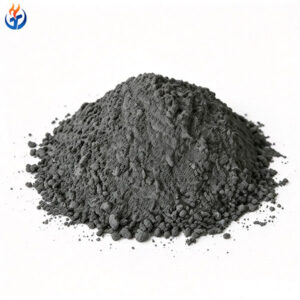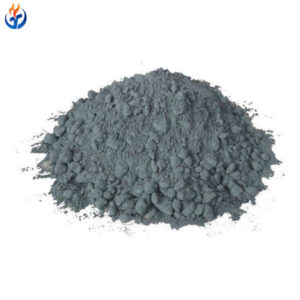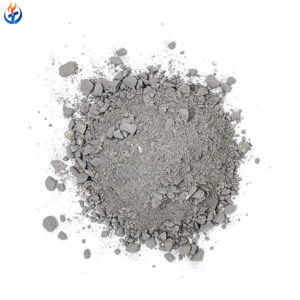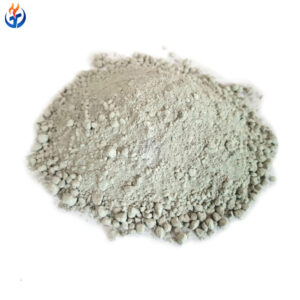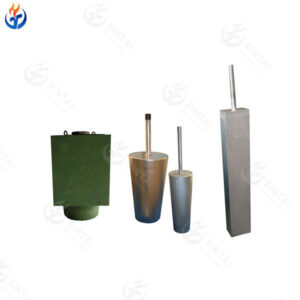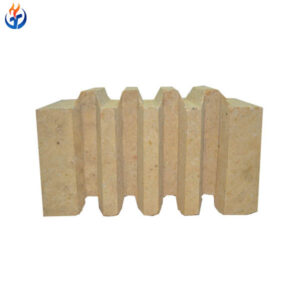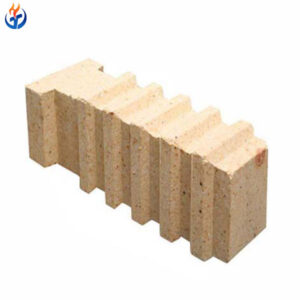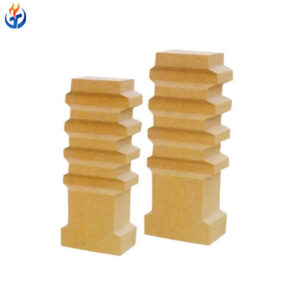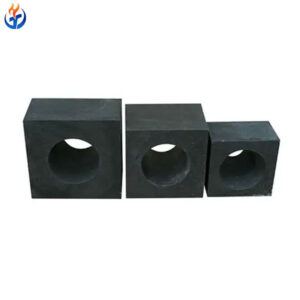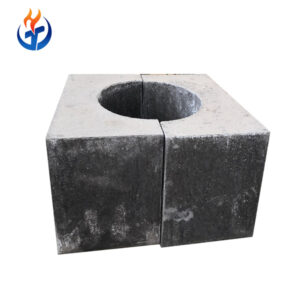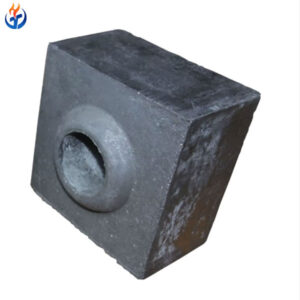
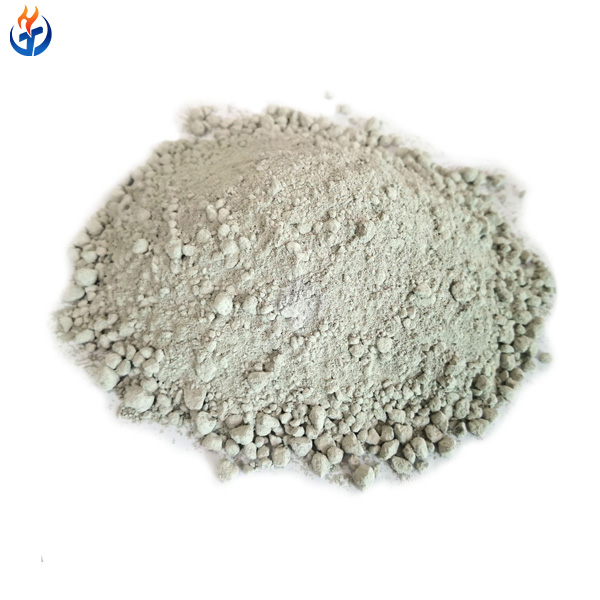
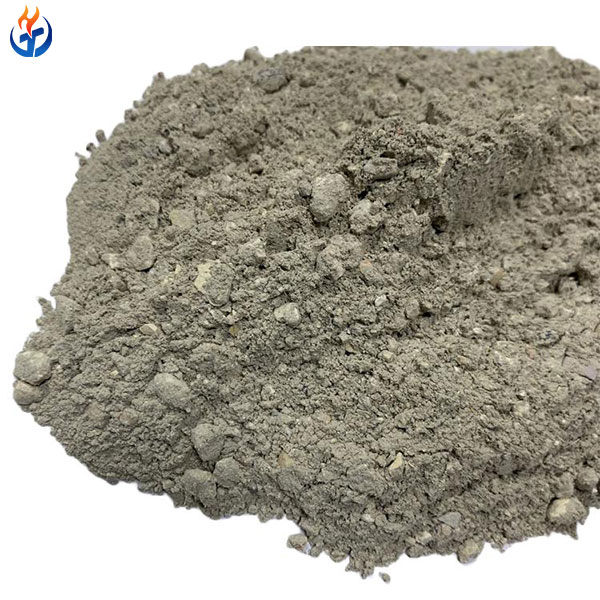
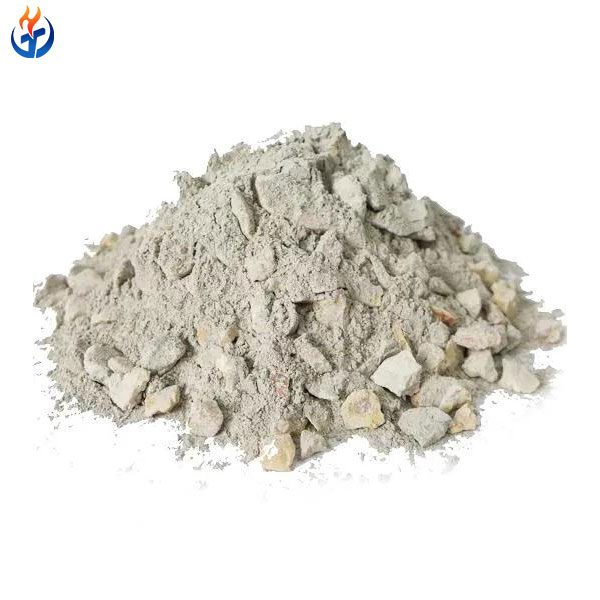
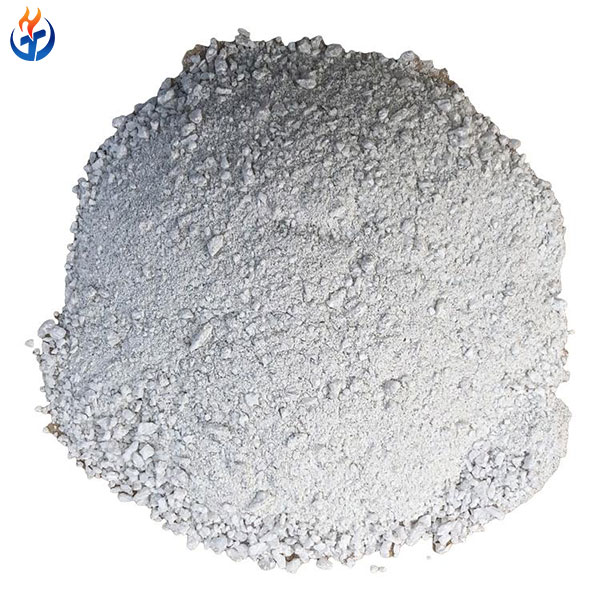
High Alumina Low Cement Castables are high-performance monolithic refractory materials developed for high-temperature industrial applications requiring excellent refractoriness, mechanical strength, abrasion resistance, thermal shock resistance, and resistance to slag and chemical attack.
Compared with conventional calcium aluminate cement-bonded refractory castables, High Alumina Low Cement Castables contain a significantly reduced amount of cement. Their formulations use ultrafine powders and reactive alumina to replace part of the calcium aluminate cement, reducing the CaO content and optimizing the particle-size distribution. This formulation helps minimize the formation of low-melting-point phases and improves the material’s high-temperature performance.
These castables are widely used in steelmaking equipment, cement rotary kilns, calciner systems, coal injection pipes, kiln hoods, and other high-temperature industrial installations. For applications requiring controlled drying and reduced risk of explosive spalling, specialized anti-explosion formulations are also available.
Technical Specifications
| Item | Unit / Test Conditions | High Alumina Low Cement Castable (G-16) | Anti-Explosion High Alumina Low Cement Castable (GB-16) |
|---|---|---|---|
| Chemical Composition | Al₂O₃ (%) | — | 55–65 |
| Chemical Composition | Al₂O₃ + SiC (%) | ≥ 85 | — |
| SiO₂ + SiC Content | % | — | — |
| Bulk Density | g/cm³ | ≥ 2.5 | ≥ 2.3 |
| Cold Crushing Strength | 110℃ × 24h (MPa) | ≥ 80 | ≥ 80 |
| Cold Crushing Strength | 1100℃ × 3h (MPa) | ≥ 80 | ≥ 80 |
| Flexural Strength | 110℃ × 24h (MPa) | ≥ 8 | ≥ 10 |
| Flexural Strength | 1100℃ × 3h (MPa) | ≥ 8 | ≥ 8 |
| Permanent Linear Change | 1100℃ × 3h (%) | ± 0.4 | ± 0.2 |
Key Features
High alumina content: Available in multiple grades to meet different refractory performance and operating temperature requirements.
Low cement content: Reduces dependence on calcium aluminate cement and supports improved high-temperature properties.
Low CaO content: Helps limit the formation of low-melting-point phases and supports resistance to slag attack.
Dense microstructure: Optimized particle-size distribution contributes to low porosity and stable bulk density.
High mechanical strength: Provides good crushing and flexural strength after curing and high-temperature treatment.
Excellent thermal shock resistance: Suitable for industrial equipment exposed to repeated temperature changes, subject to grade and operating conditions.
Good abrasion resistance: Supports longer service life in areas exposed to material flow, particle impact, and mechanical wear.
Resistance to slag and chemical attack: Suitable for selected high-temperature environments where refractory corrosion resistance is essential.
Typical Applications
High Alumina Low Cement Castables are designed for industrial furnaces and thermal processing equipment that require dense refractory linings, mechanical strength, and resistance to elevated temperatures.
Typical applications include:
Steel industry: Iron and steel ladles, selected ladle working areas, furnace linings, and other high-temperature zones exposed to thermal cycling and mechanical wear.
Cement industry: Rotary kiln hoods, calciner systems, preheater components, and other areas exposed to high temperatures, abrasion, and process gases.
Coal injection systems: Pulverized coal injection pipes and associated high-temperature components where suitable grades are selected.
Industrial kilns: Kiln linings, combustion chambers, and high-temperature processing zones.
Metallurgical equipment: Selected furnace linings and thermal equipment requiring high alumina content and resistance to slag attack.
Thermal processing equipment: Components exposed to high temperatures, repeated heating and cooling, and mechanical stress.
Production Details
Raw materials: High-alumina refractory aggregates, reactive alumina, calcium aluminate cement, ultrafine powders, and selected performance-enhancing additives.
Formulation design: Cement content, alumina grade, particle-size distribution, and additive selection are adjusted according to the intended application.
Manufacturing process: Raw material inspection, accurate batching, controlled mixing, and finished-product quality checks.
Quality control: Chemical composition analysis, bulk density measurement, cold crushing strength testing, flexural strength testing, and permanent linear change testing.
Installation methods: Vibration casting, pouring, and appropriately formulated self-flowing or pumpable installation methods.
Curing: Follow the product-specific curing instructions before beginning the drying process.
Drying and heat-up: Gradual, controlled heating is essential to allow moisture to escape and reduce the risk of cracking, spalling, or explosive damage.
Packing and Shipping Details
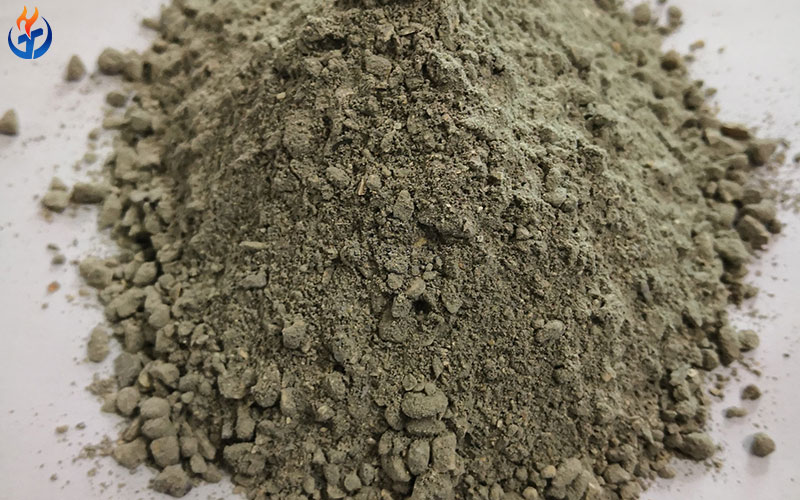
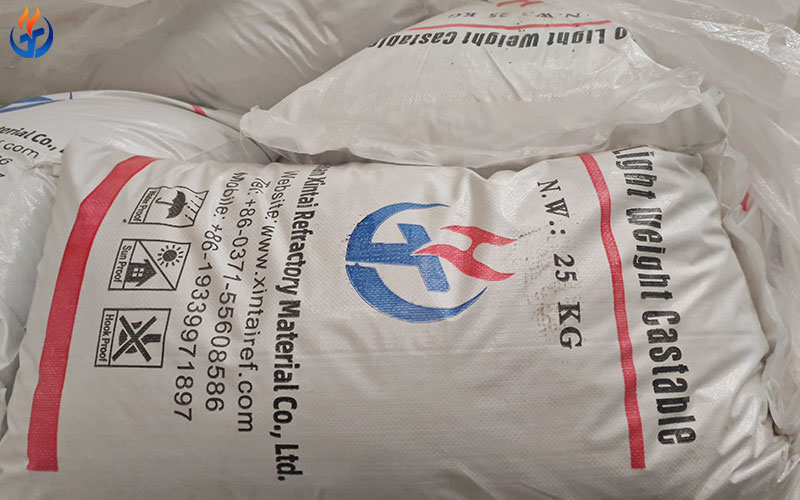
Standard packing: Moisture-resistant bags, with packaging specifications confirmed according to the product and order requirements.
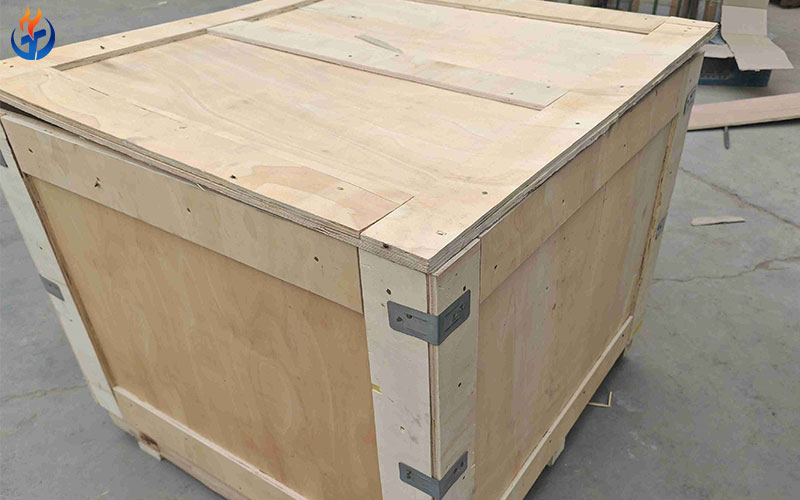
Bulk packaging: Alternative packaging options may be available for larger orders.
Palletizing: Palletized packaging can be arranged according to shipment requirements.
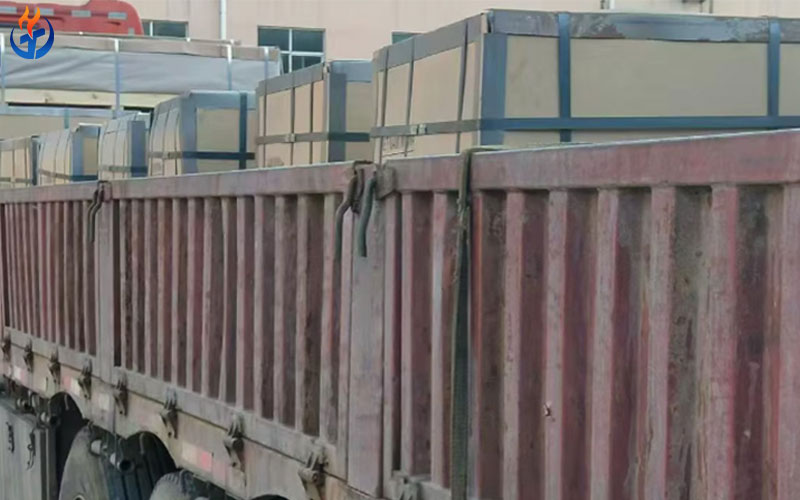
Transportation: Suitable for sea freight, road transport, or other agreed transportation methods.
Storage: Store in a dry, ventilated warehouse and protect the material from moisture and damaged packaging.
Shelf life: Use within the manufacturer’s recommended storage period and follow the applicable product instructions.
Proper moisture protection during storage and transportation is important for maintaining the performance of cement-containing refractory castables.
Frequently Asked Questions (FAQ)
Q1: What are High Alumina Low Cement Castables?
High Alumina Low Cement Castables are monolithic refractory materials formulated with high-alumina aggregates, fine powders, and a reduced amount of calcium aluminate cement. They provide a dense structure, good mechanical strength, and reliable performance in selected high-temperature applications.
Q2: What is the difference between low cement and conventional refractory castables?
Low cement castables contain less calcium aluminate cement and generally require less mixing water than conventional castables. Their optimized particle packing and reduced CaO content can help lower porosity and improve high-temperature strength and resistance to slag attack.
Q3. What alumina grades are available?
The supplied KR series includes KR-90, KR-80, KR-70, KR-60, KR-50, and KR-40, with nominal minimum Al₂O₃ contents ranging from 40% to 90%. The appropriate grade depends on service temperature, chemical exposure, mechanical loading, and cost requirements.
Q4: What is the maximum service temperature?
The maximum continuous service temperature specified for the supplied KR grades ranges from 1350℃ to 1700℃. KR-90 is rated up to 1700℃, while the other grades have different temperature ratings. Actual suitability depends on the operating environment and lining design.
Q5: Can these castables be used in cement rotary kilns?
Yes. Suitable formulations can be used in selected cement rotary kiln areas, kiln hoods, calciner systems, and other thermal equipment. The grade should be chosen according to the local temperature, abrasion, chemical attack, and thermal cycling conditions.