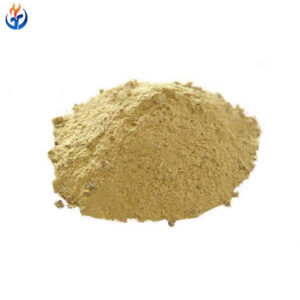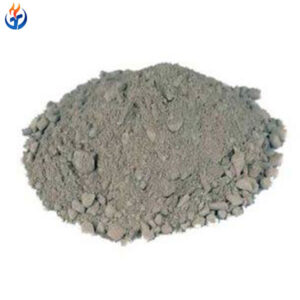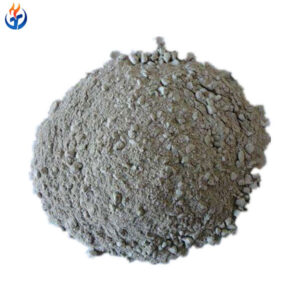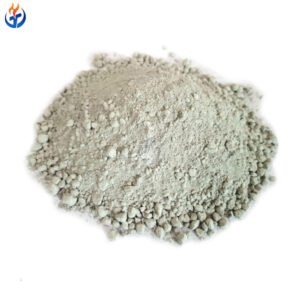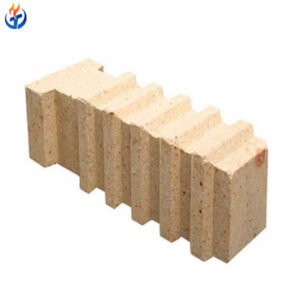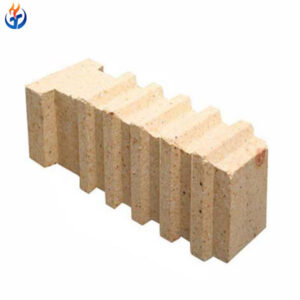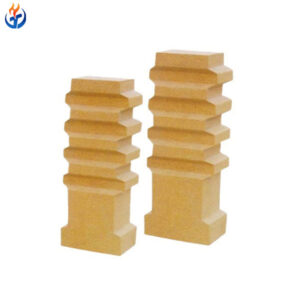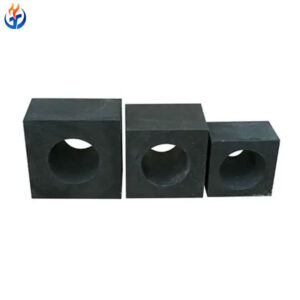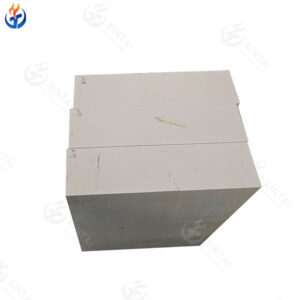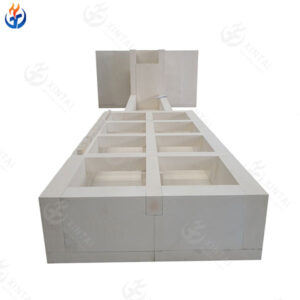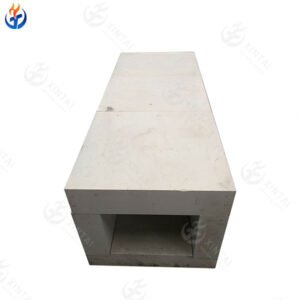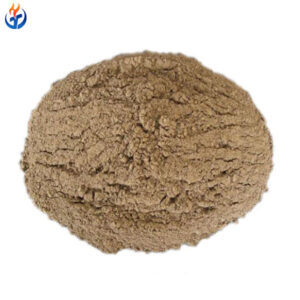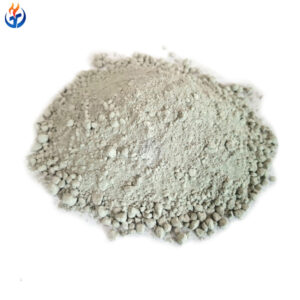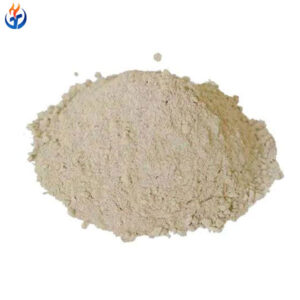
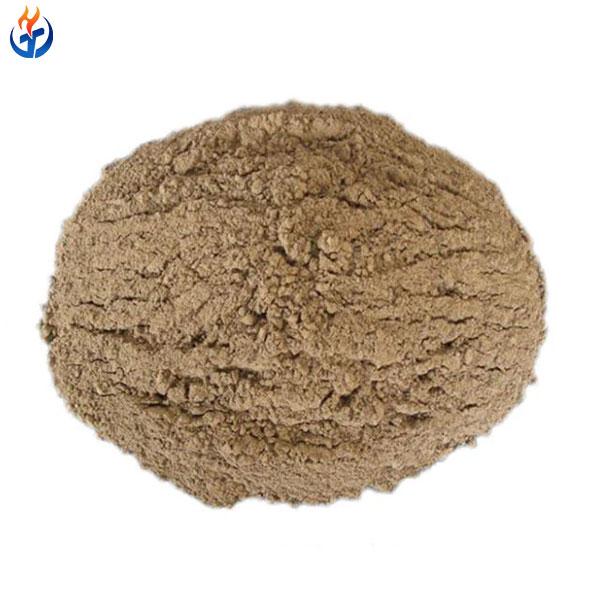
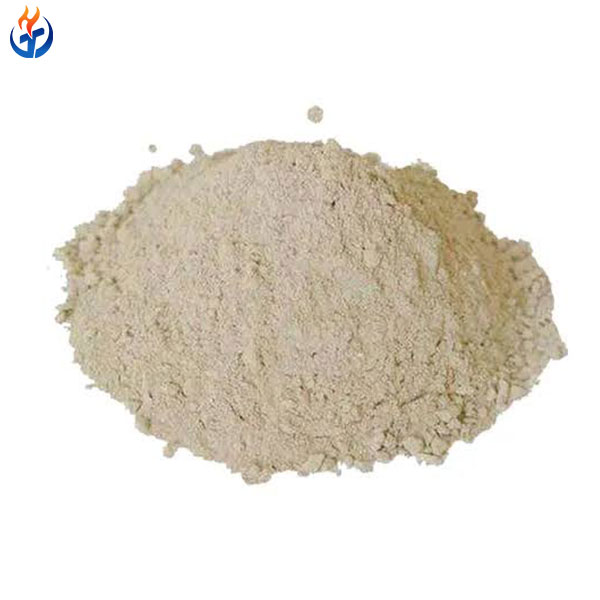
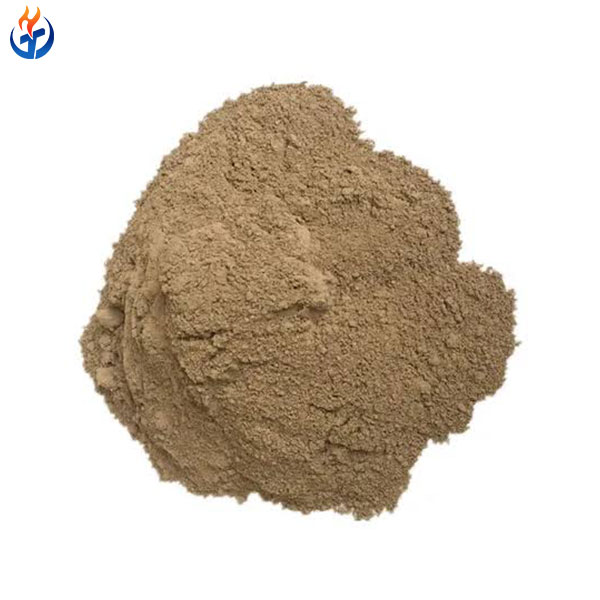
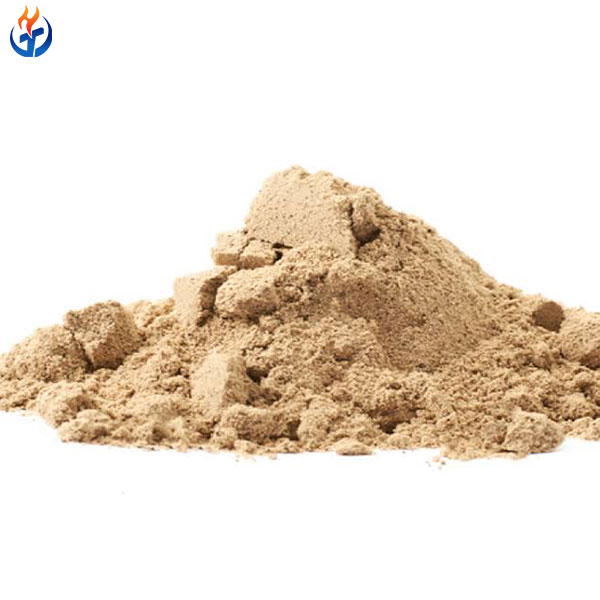
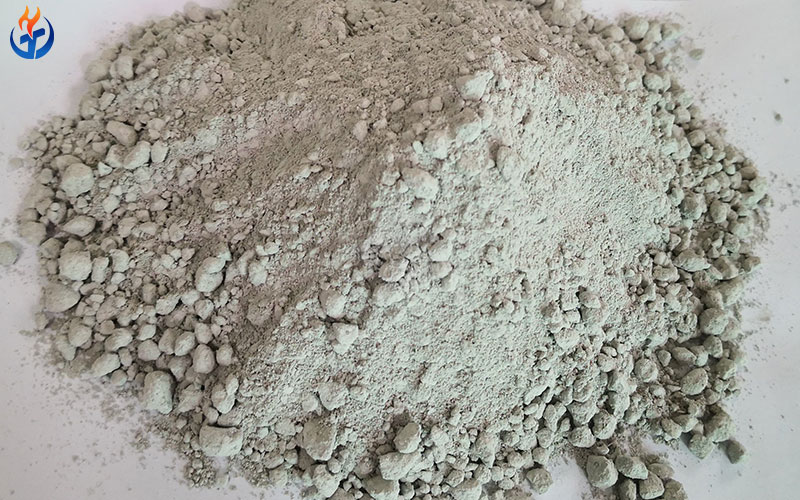
Refractory Clay Mortar is a high-performance fire-resistant jointing material designed for fire clay brick masonry in industrial furnace and kiln lining systems. It is manufactured using high-grade hard clay clinker as the main aggregate, combined with soft clay or chemical bonding agents to ensure stable construction performance and strong ceramic bonding at high temperatures.
During service, the mortar forms a dense ceramic bond under heat exposure, significantly improving the structural integrity of refractory linings. Compared with ordinary masonry materials, refractory clay mortar offers superior workability, higher refractoriness, and enhanced resistance to glass melt erosion and thermal stress. It is widely applied in medium-temperature industrial furnaces where stable mechanical strength, good plasticity, and long service life are required.
Technical Specifications of Refractory Clay Mortar
| Grade | Al₂O₃ (%) | Refractoriness (℃) | Powder ≥0.5mm (%) | Particle ≤0.076mm (%) | MOR (110℃×24h MPa) | MOR (1400℃×3h MPa) | Load Softening (0.2MPa ℃) | Reburning Line Change (1400℃×3h %) |
|---|---|---|---|---|---|---|---|---|
| NN-42A | ≥42 | ≥1710 | – | – | ≥1.0 | ≥3.0 | – | 1–5 |
| NN-45A | ≥45 | ≥1730 | – | – | ≥1.0 | ≥3.0 | – | 1–5 |
| NN-45B | ≥45 | ≥1730 | ≤1 | ≥50 | ≥2.0 | – | ≥1200 | +1 ~ -5 |
| LN-55B | ≥55 | ≥1770 | ≤1 | ≥50 | ≥2.0 | ≥6.0 | ≥1300 | +1 ~ -5 |
| LN-65B | ≥65 | ≥1790 | ≤1 | ≥50 | ≥2.0 | ≥6.0 | ≥1400 | +1 ~ -5 |
| LN-75B | ≥75 | ≥1790 | ≤1 | ≥50 | ≥2.0 | ≥6.0 | ≥1400 | +1 ~ -5 |
| GP-80 | ≥80 | ≥1790 | ≤1 | ≥70 | ≥2.0 | – | ≥1650 | – |
Key Features
- High Refractoriness Performance: Excellent thermal resistance up to 1790℃, suitable for continuous furnace operation.
- Strong Ceramic Bonding at High Temperature: Forms a dense ceramic structure during firing, improving joint strength and lining stability.
- Excellent Workability: Good plasticity and smearing performance, easy to apply during masonry construction.
- High Filling Density: Low water demand ensures compact joints and reduces porosity in furnace linings.
- Strong Erosion Resistance: Resists molten glass, slag penetration, and chemical corrosion in harsh environments.
- Stable Suspension Performance: Well-mixed slurry without precipitation, ensuring uniform application quality.
Typical Applications
- Fire clay brick masonry in industrial furnaces
- Cement rotary kilns (preheating and transition zones)
- Glass melting furnace lining systems
- Ceramic tunnel kilns
- Reheating furnaces in steel industry
- Thermal insulation and repair of kiln linings
- General high-temperature refractory brick joints
Production Details
Raw Materials: High-quality fire clay clinker, refined plastic clay, alumina-based additives, and performance-enhancing binders are carefully selected to ensure stable high-temperature bonding properties.
Manufacturing Process:
- Raw material selection and screening
- Precision grinding and particle size control
- Controlled batching and homogenization
- Binder integration and mixing
- Moisture-proof packaging
Quality Control:
Each batch undergoes strict testing, including:
- Chemical composition analysis
- Refractoriness verification
- Bonding strength testing
- Particle size distribution inspection
- Thermal stability evaluation
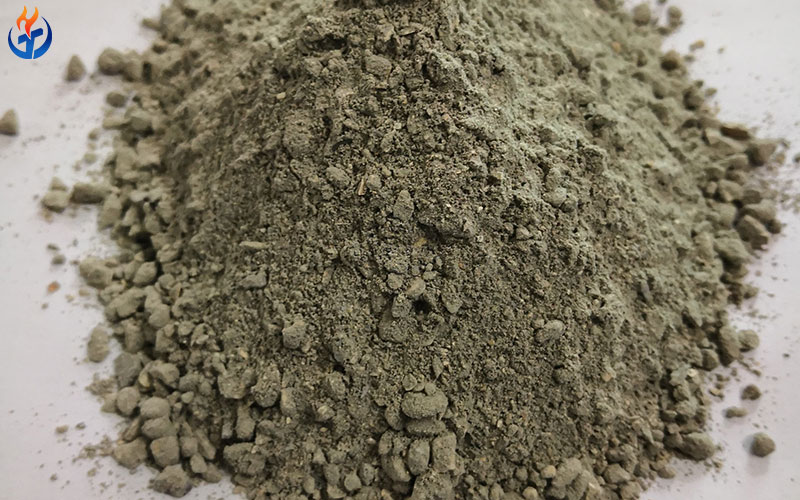
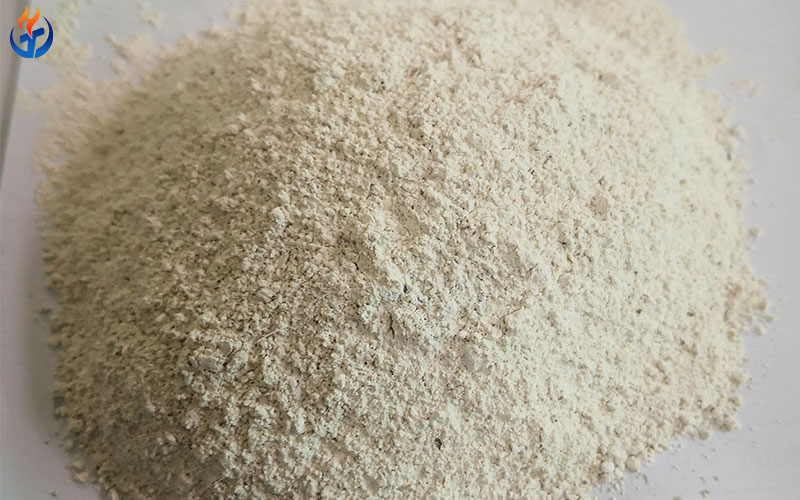
Packing and Shipping Details
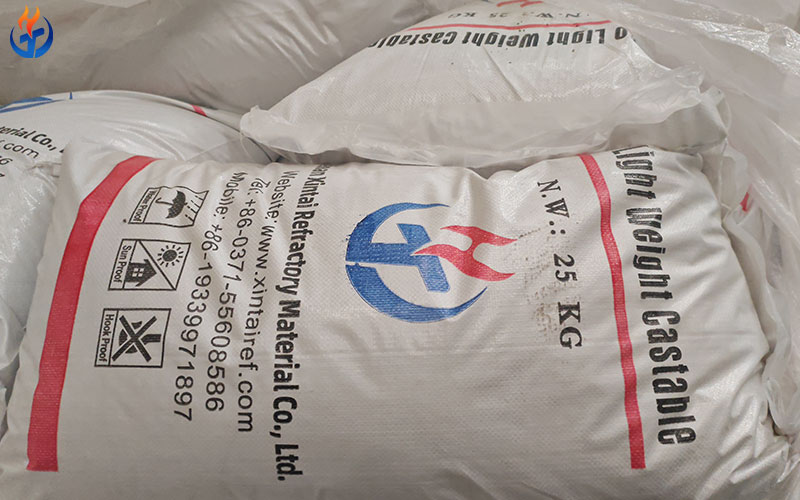
Standard Packing: 25 kg moisture-proof paper bags with inner PE lining
Bulk Packing: Jumbo bags available upon request.
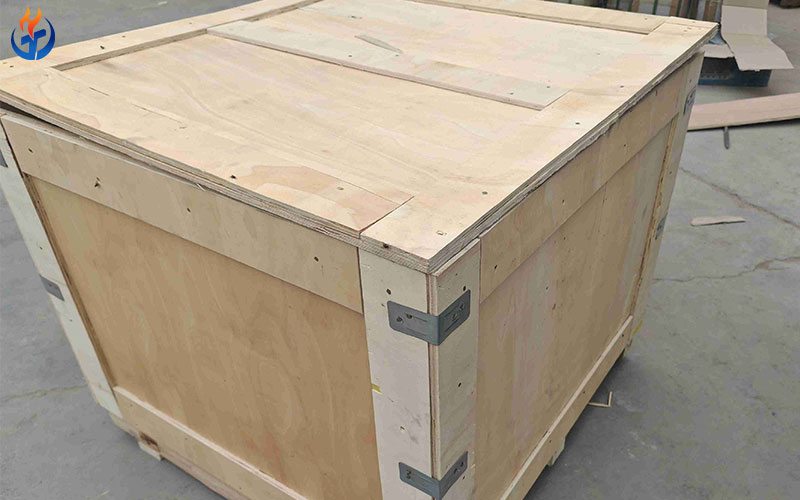
Palletizing: Wooden pallets with shrink wrapping for enhanced protection during transportation.
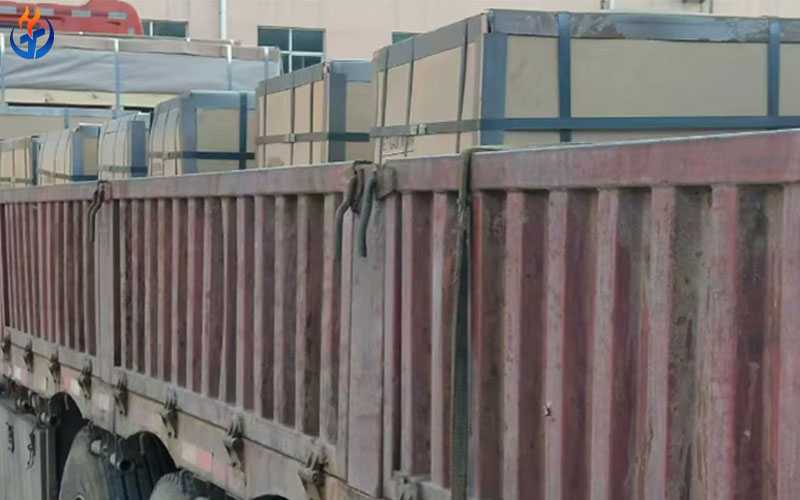
Shipping Methods: By sea, by truck, or by rail.
Delivery Form: Dry powder, ready for on-site mixing.
All products are securely packed to prevent moisture absorption and damage during transportation.
Frequently Asked Questions (FAQ)
Q1: What is refractory clay mortar used for?
It is used for bonding fire clay bricks in industrial furnace and kiln lining construction.
Q2: What is the maximum working temperature?
Depending on grade, it can reach 1710℃ to 1790℃.
Q3. Can it be used for glass furnace applications?
Yes, it has good resistance to glass melt erosion and is suitable for relevant furnace zones.
Q4: Does it require special mixing?
No, it can be mixed with clean water on-site to achieve required consistency.
Q5: What brick types are compatible?
It is mainly used with fire clay bricks and general aluminosilicate refractory bricks.