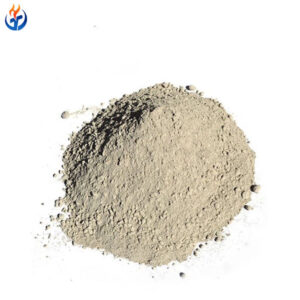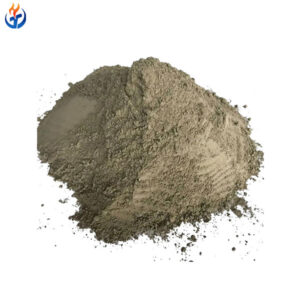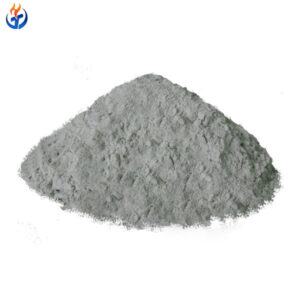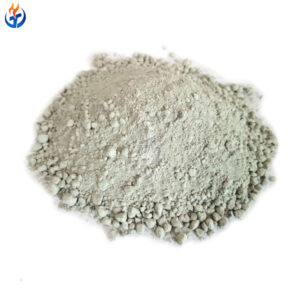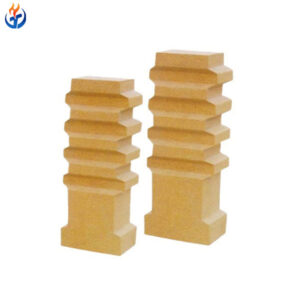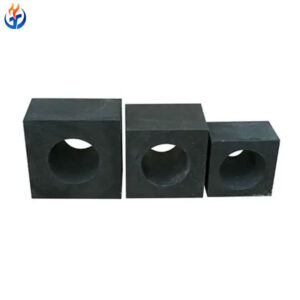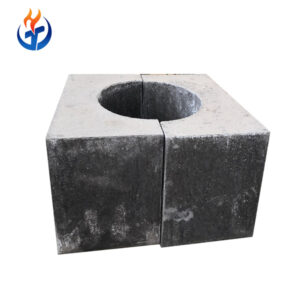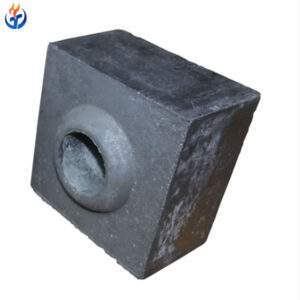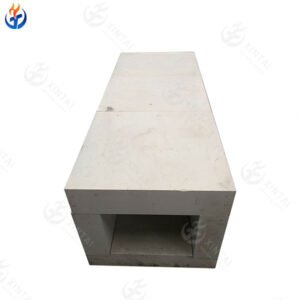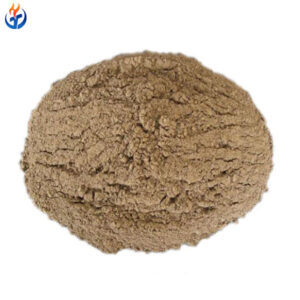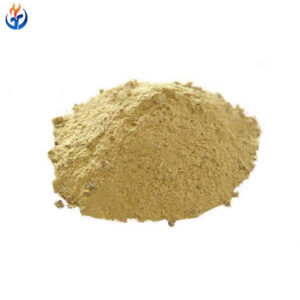
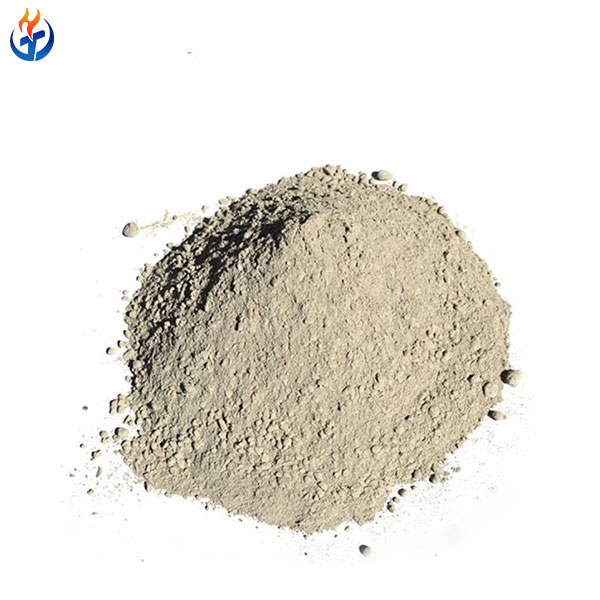
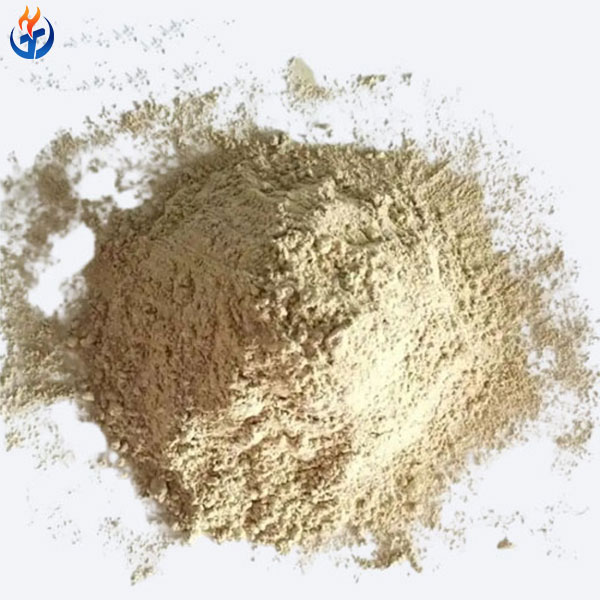
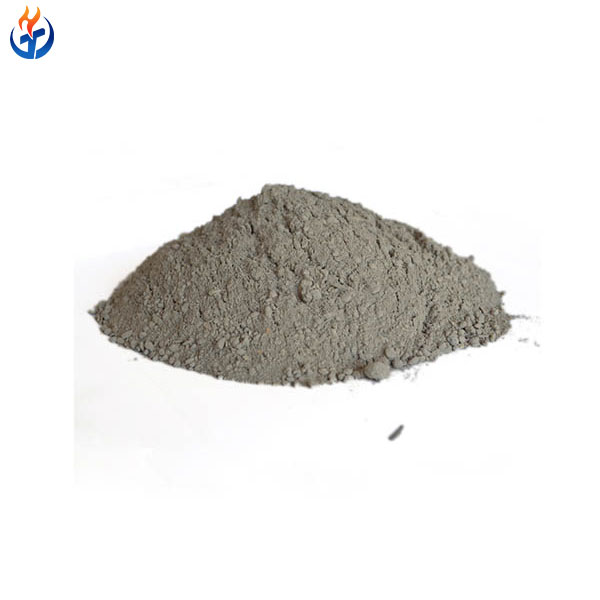
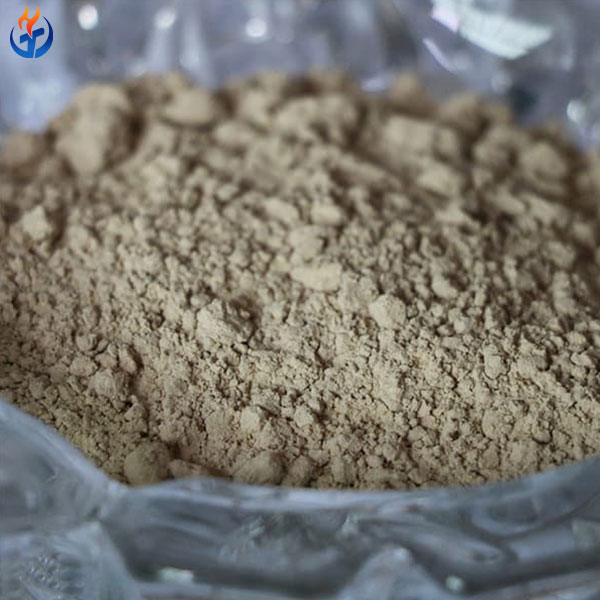
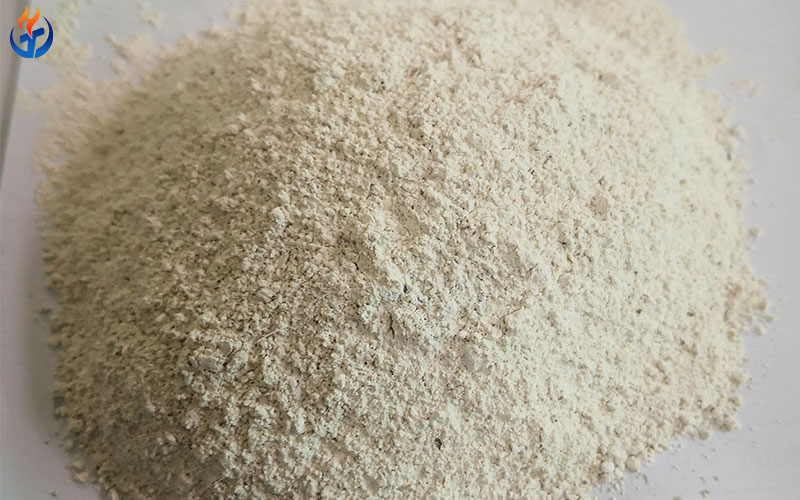
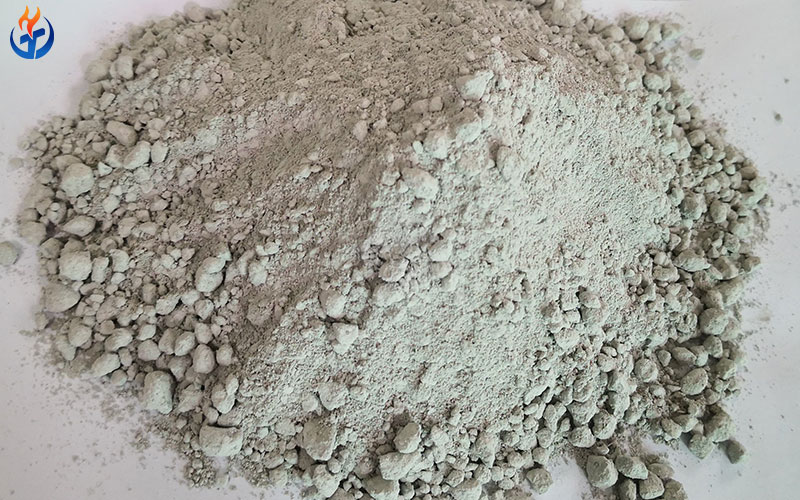
High Temp Refractory Cement is a hydraulic binder designed specifically for high-temperature applications. It is produced by calcining high-grade bauxite and limestone, which results in a product with excellent early strength, high refractoriness, and strong bonding properties. The primary mineral components of this cement, CA and CA2, provide superior heat resistance and make it ideal for use in harsh industrial environments.
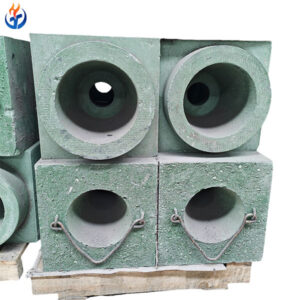
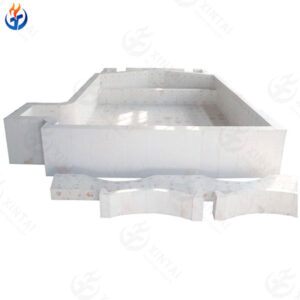
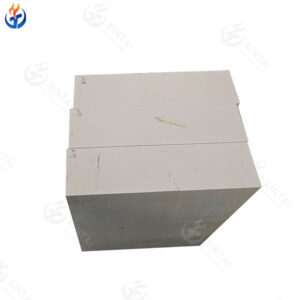
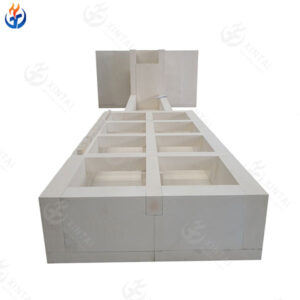
This cement has a high resistance to thermal shock, making it suitable for use in high-temperature processes. It is commonly used as a binder for various refractory materials like castables, mortars, gunning mixes, and precast refractory shapes. This versatility makes it perfect for furnace construction, kiln repair, and industrial maintenance.
Xintai offers a wide range of grades, including CA50, CA60, CA70, and CA80, each designed to meet different temperature and strength requirements. With its stable performance and customizable options, this product is widely used in industries such as steel, cement, glass, ceramics, petrochemical, non-ferrous, and power generation.
Technical Specifications
| Grade | Al2O3 Content (%) | CaO Content (%) | Fe2O3 Content (%) | Refractoriness (℃) | Volume Density (g/cm3) |
|---|---|---|---|---|---|
| Special Grade | ≥85 | ≤0.60 | ≤1.40 | ≥1790 | ≥3.60 |
| Grade-80 | ≥80 | ≤0.60 | ≤3.00 | ≥1790 | ≥3.00 |
| Grade-70 | 70~80 | ≤0.80 | ≤3.00 | ≥1790 | ≥2.80 |
| Grade-60 | 60~70 | ≤0.80 | ≤3.00 | ≥1790 | ≥2.65 |
| Grade-50 | 50~60 | ≤0.80 | ≤2.50 | ≥1790 | ≥2.55 |
Key Features
- High Refractoriness: Withstanding service temperatures of up to 1770℃, depending on the grade.
- Fast Setting and High Early Strength: Quickly develops strength after mixing, reducing construction time and improving installation efficiency.
- Excellent Bonding Performance: Strong bonding with refractory aggregates like bauxite, corundum, mullite, and chamotte.
- Good Thermal Shock Resistance: Performs well under thermal cycling, reducing the risk of cracking and spalling.
- Corrosion and Slag Resistance: Resistant to slag penetration and chemical attacks, ensuring longevity in aggressive environments.
- Stable Volume Performance: Maintains dimensional stability during hardening and exposure to high temperatures.
- Wide Application Range: Ideal for producing refractory castables, mortars, and precast components for multiple industries.
Typical Applications
- Steel Industry: Used in ladle linings, tundish linings, furnace repair materials, and refractory castables.
- Cement Industry: Applied in rotary kiln linings, preheater systems, and calcining equipment.
- Glass Industry: Used in refractory mortars and castables for furnace construction and maintenance.
- Ceramic Industry: Suitable for kiln linings, kiln cars, and thermal process equipment.
- Non-ferrous Metallurgy: Used in melting furnaces, holding furnaces, and other high-temperature equipment.
- Power Industry: Applied in boiler linings, incinerators, and fluidized bed furnaces.
Production Details
- Raw Materials: High-grade alumina bauxite clinker, refractory clay, and high-purity additives.
- Manufacturing Process: Strict quality control during batching, mixing, and curing ensures consistent product quality.
- Quality Control: Rigorous chemical and physical testing to verify product performance at high temperatures.
Packing and Shipping Details
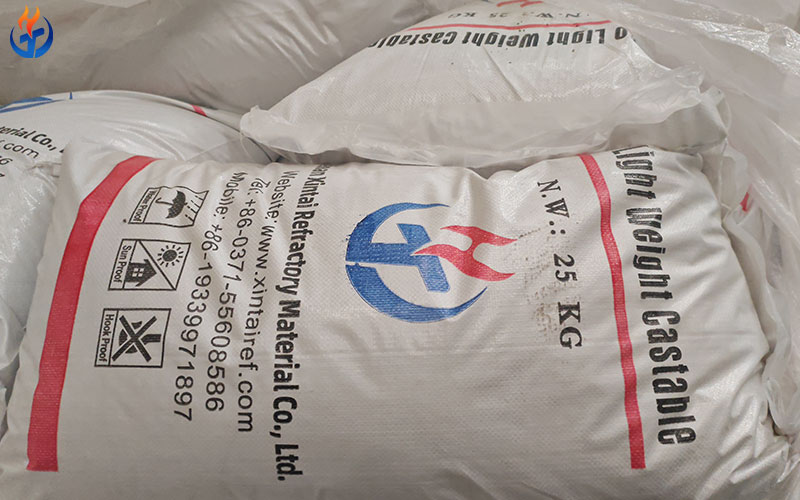
- Standard Packing: 25 kg paper bags with moisture-proof inner lining.
- Bulk Packing: Jumbo bags available upon request.
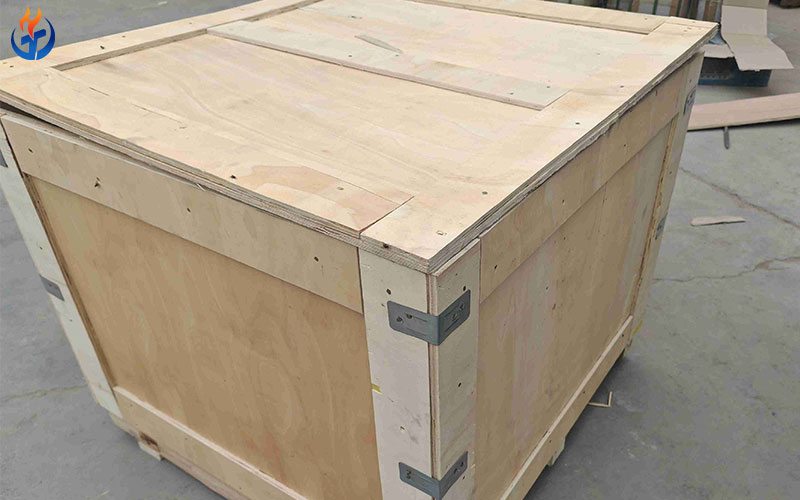
- Palletizing: Wooden pallets with shrink wrapping for enhanced protection during transportation.
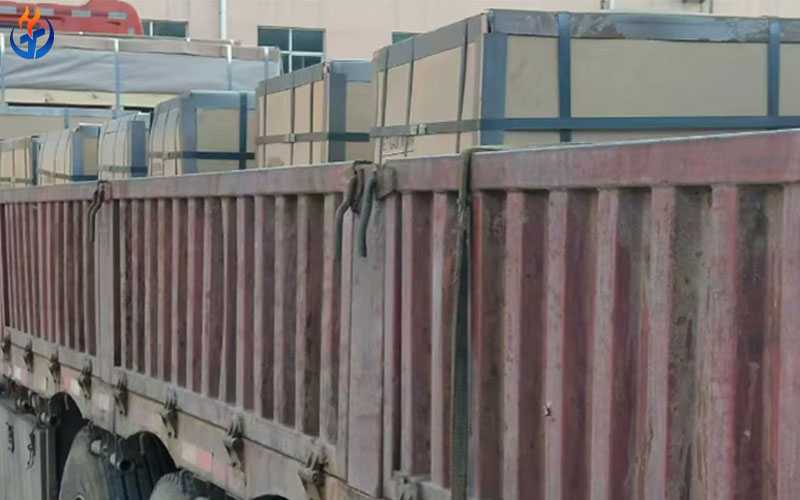
- Shipping Methods: By sea, by truck, or by rail.
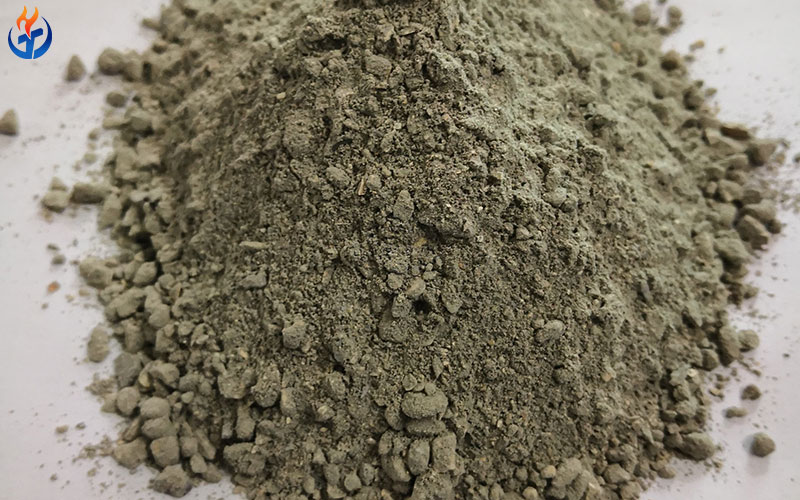
- Delivery Form: Dry powder, ready for on-site mixing.
All products are securely packed to prevent moisture absorption and damage during transportation.
Frequently Asked Questions (FAQ)
Q1: What is High Temp Refractory Cement?
High Temp Refractory Cement is a specialized hydraulic binder made primarily from calcium aluminate materials, designed for high-temperature applications. It is used to bond refractory materials such as castables, mortars, and precast shapes in environments with extreme heat.
Q2: What are the main applications of High Temp Refractory Cement?
High Temp Refractory Cement is widely used in industries such as steel, cement, glass, ceramics, petrochemical, and power generation. It is used in the construction and maintenance of furnaces, kilns, boilers, and other high-temperature equipment.
Q3. What is the refractoriness of High Temp Refractory Cement?
The refractoriness of High Temp Refractory Cement ranges from 1580°C to 1770°C, depending on the specific grade (CA50, CA60, CA70, CA80). This high refractoriness ensures that it can withstand extreme temperatures in industrial applications.
Q4: Can High Temp Refractory Cement be used in acid-resistant applications?
Yes, High Temp Refractory Cement is resistant to corrosion and slag penetration, making it suitable for use in environments where chemical resistance is required, including acid-resistant applications in industries such as steel and petrochemical processing.
Q5: How does High Temp Refractory Cement perform under thermal shock?
High Temp Refractory Cement from Xintai Refractory has excellent thermal shock resistance, which allows it to perform well under repeated heating and cooling cycles. This feature is essential for applications where temperature fluctuations are frequent, helping to reduce cracking and spalling.