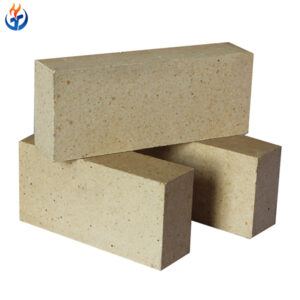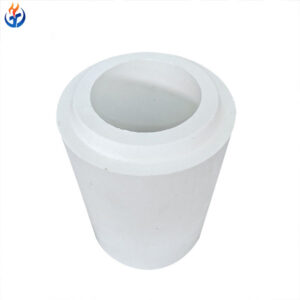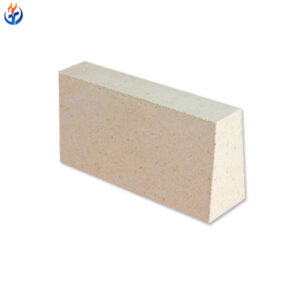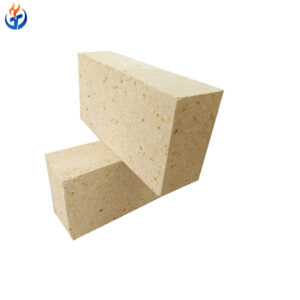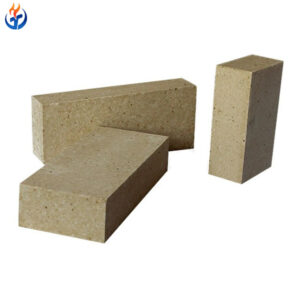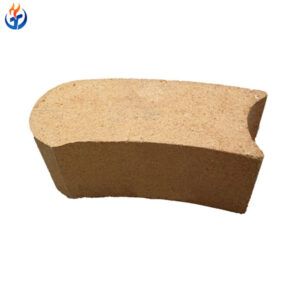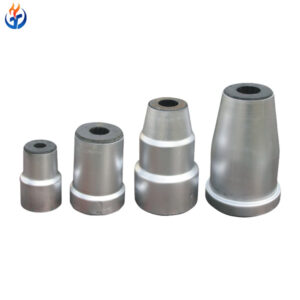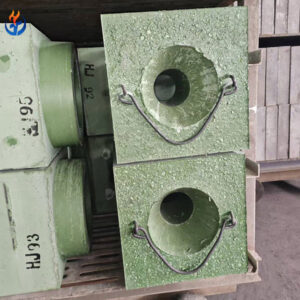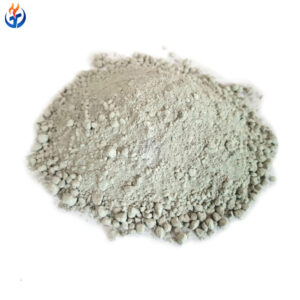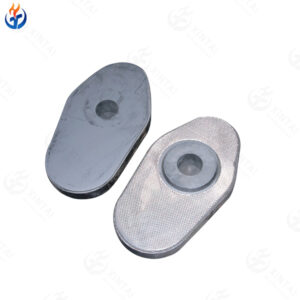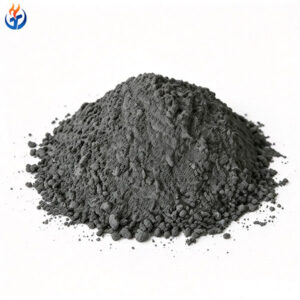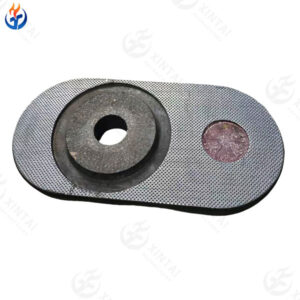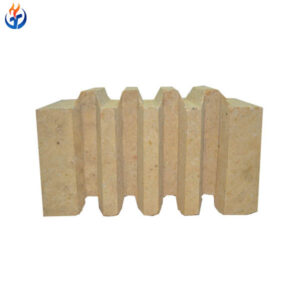
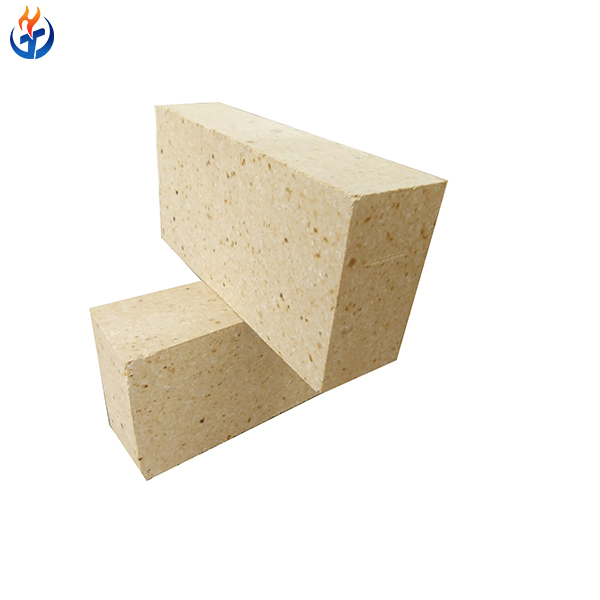
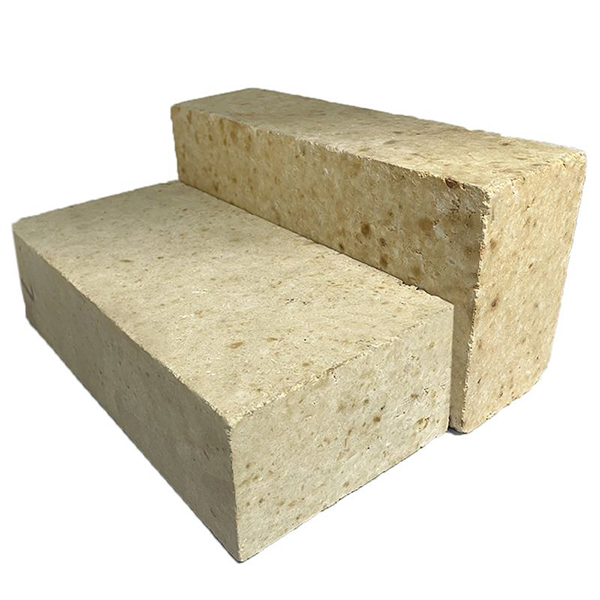
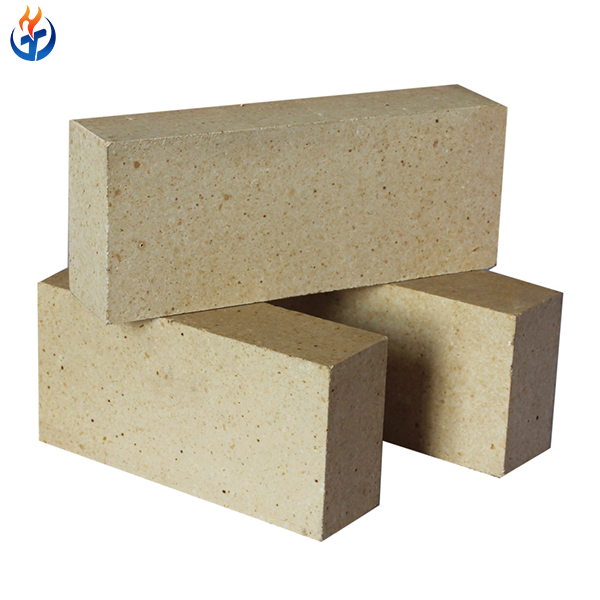
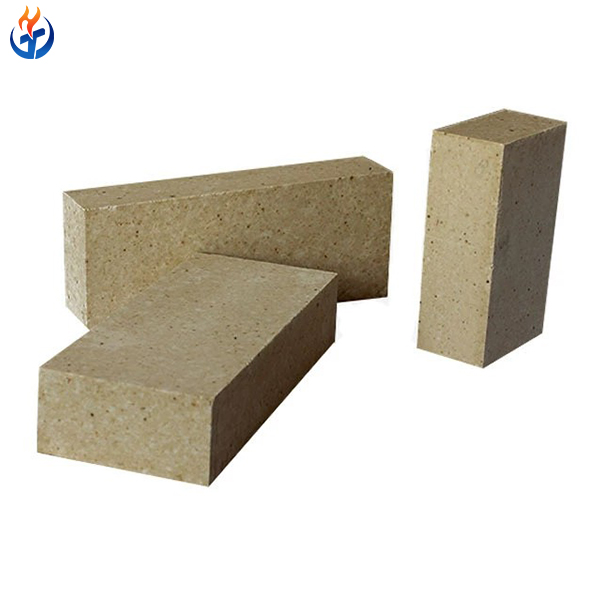
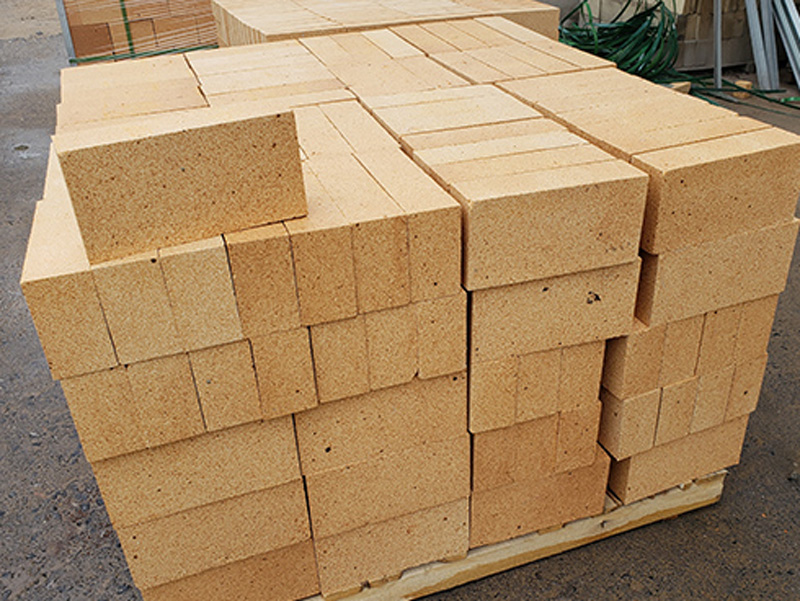
High Alumina Brick for Aluminum Melting Furnace is designed for selected refractory lining applications in industrial aluminum melting and holding furnaces. These furnaces operate under elevated temperatures and repeated heating cycles, requiring refractory materials with suitable thermal stability, mechanical strength, and resistance to the specific chemical conditions inside the furnace.
High alumina refractory bricks are manufactured with alumina-based raw materials and are available in different grades to meet varying furnace design and operating requirements. Depending on the selected composition and installation location, they can be considered for furnace walls, structural lining sections, and other areas where high-temperature refractory performance is required.
In aluminum melting applications, refractory selection requires particular attention to contact with molten aluminum, aluminum oxide buildup, fluxes, and other furnace residues. High alumina content alone does not guarantee resistance to molten aluminum penetration or chemical attack. The suitability of a brick must therefore be evaluated according to its composition, porosity, operating environment, and intended service location.
Xintai provides refractory brick options with customizable dimensions and specifications. By reviewing your furnace operating temperature, lining drawings, and application requirements, our team can help identify an appropriate refractory solution for your aluminum melting project.
Technical Specifications
| Item | XT-55 | XT-60 | XT-70 | XT-80 |
|---|---|---|---|---|
| Al₂O₃% (≥) | 55 | 60 | 70 | 80 |
| Fe₂O₃% (≤) | 2.0 | 2.0 | 2.0 | 2.0 |
| 0.2 MPa Refractoriness Under Load (℃) ≥ | 1450 | 1480 | 1530 | 1600 |
| Apparent Porosity (%) | 23 | 22 | 20 | 18 |
| Bulk Density (g/cm³) | 2.3 | 2.45 | 2.55 | 2.65 |
| Cold Crushing Strength (MPa) ≥ | 40 | 55 | 60 | 70 |
Key Features
High-Temperature Resistance: High alumina bricks are designed for industrial refractory applications involving elevated temperatures. The appropriate grade should be selected according to the actual operating temperature and thermal load of the aluminum melting furnace.
Mechanical Strength: Suitable refractory grades provide the mechanical strength required to support furnace linings and withstand handling, installation, and operating stresses.
Thermal Stability: Aluminum melting furnaces may experience temperature fluctuations during startup, shutdown, charging, and maintenance. Selecting a refractory with suitable thermal properties helps address these operating conditions.
Application-Specific Chemical Resistance: Furnace linings may be exposed to molten aluminum, oxide buildup, fluxes, and other residues. Chemical compatibility should be evaluated carefully, particularly for areas that may come into direct contact with molten aluminum.
Customizable Dimensions: Standard and customized brick sizes can be discussed according to furnace drawings, lining thickness, installation arrangements, and maintenance requirements.
Support for Industrial Furnace Maintenance: Correct refractory selection, proper installation, and controlled furnace operation can help reduce premature lining damage and support reliable furnace performance.
Typical Applications
Aluminum Melting Furnaces: Used in selected refractory lining sections where the chosen brick grade meets the furnace’s temperature and chemical requirements.
Aluminum Holding Furnaces: Considered for appropriate structural and lining sections, subject to operating conditions and compatibility with molten aluminum.
Furnace Walls: Applied in wall lining sections according to temperature distribution, mechanical loading, and exposure to furnace residues.
Furnace Roofs and Upper Lining Sections: Used where the refractory grade meets the required thermal and structural performance criteria.
Aluminum Recycling Furnaces: Potentially suitable for selected areas in secondary aluminum processing facilities, depending on the furnace design, alloy composition, flux usage, and contamination risks.
Production Details
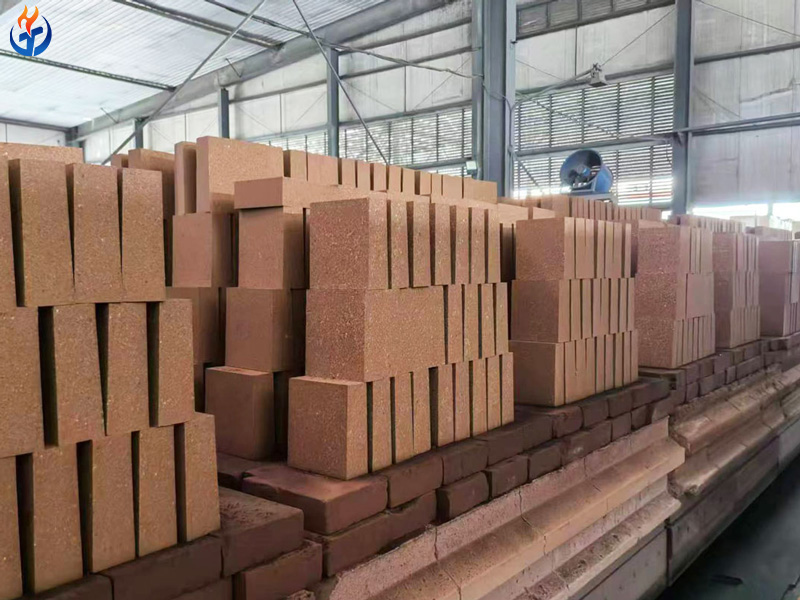
High Alumina Brick for Aluminum Melting Furnace is manufactured through a controlled refractory production process. Depending on the selected grade, the process generally includes raw material inspection, batching, mixing, shaping, drying, and high-temperature firing.
Alumina-based raw materials are selected and proportioned according to the target chemical composition and physical properties. The prepared mixture is homogenized and shaped using suitable forming equipment to achieve the specified dimensions and density.
After forming, the bricks undergo controlled drying to remove moisture before firing. The firing process develops the required ceramic structure and contributes to the final mechanical strength and thermal performance of the product.
Finished bricks are inspected according to the applicable quality control procedures. Inspection may include dimensional checks, appearance evaluation, and relevant physical or chemical property testing.
For aluminum melting furnace projects, customers are encouraged to provide the furnace design, operating temperature, brick dimensions, installation location, and details of any direct molten aluminum or flux exposure. This information helps determine whether a standard high alumina brick or a specialized refractory product is more appropriate.

Packing and Shipping Details
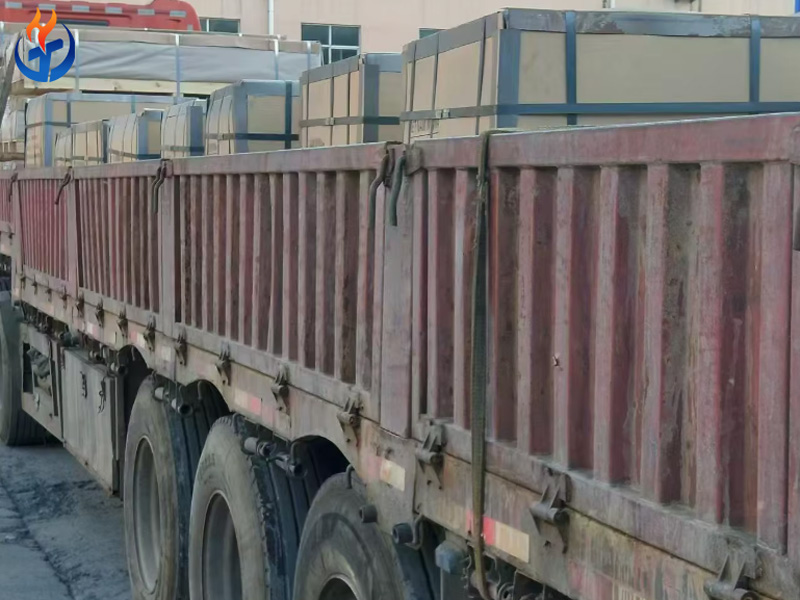
Packing: Bricks are packed in suitable export packaging, such as fumigated wooden crates or other agreed protective packaging. Appropriate packing methods help minimize impact damage and breakage during loading, unloading, and transportation.
Shipping: International shipping can be arranged by sea, land, or air, depending on the order volume, destination, delivery schedule, and customer requirements.
Customized Orders: Packaging specifications, quantities per crate, labeling, and shipping arrangements can be discussed according to project requirements.


Frequently Asked Questions (FAQ)
Q1: What are high alumina bricks used for in aluminum melting furnaces?
High alumina bricks can be used in selected refractory lining sections of aluminum melting furnaces where their thermal, mechanical, and chemical properties meet the operating requirements. The exact application depends on the furnace design and the level of exposure to molten aluminum and fluxes.
Q2: Are high alumina bricks suitable for direct contact with molten aluminum?
Not all high alumina bricks are suitable for direct contact with molten aluminum. Aluminum penetration, chemical reactions, porosity, and wetting behavior can affect refractory performance. Specialized aluminum-resistant or non-wetting refractory materials may be required for the working lining, hearth, or other direct-contact areas.
Q3. How do I choose the right refractory brick for an aluminum melting furnace?
Selection should consider the maximum operating temperature, furnace atmosphere, molten aluminum contact, flux composition, thermal cycling, mechanical load, and installation location. Providing furnace drawings and operating details helps determine a suitable material specification.
Q4: Can Xintai provide customized refractory brick sizes?
Yes. Customized dimensions can be discussed according to furnace drawings, lining designs, and project requirements. Please provide the required brick dimensions, estimated quantity, and intended installation location when requesting a quotation.
Q5: Are samples available before bulk ordering?
Samples can be discussed upon request. Sample availability, dimensions, delivery arrangements, and any associated costs should be confirmed with the Xintai sales team.