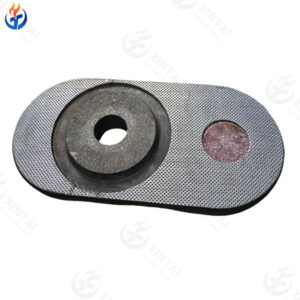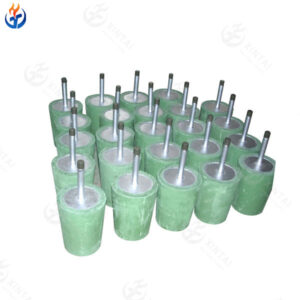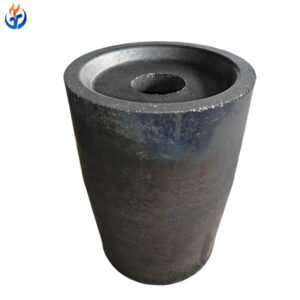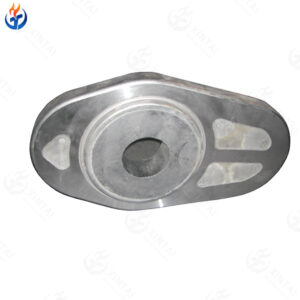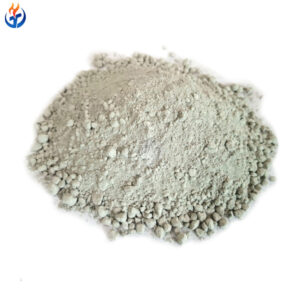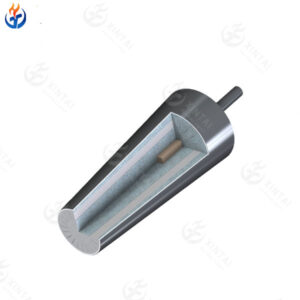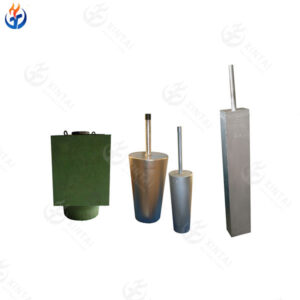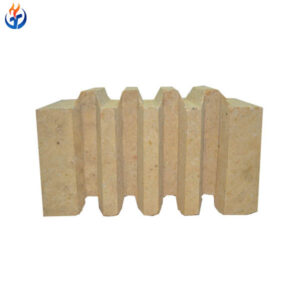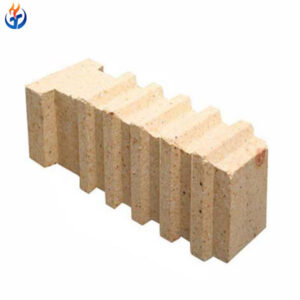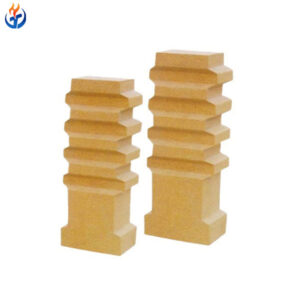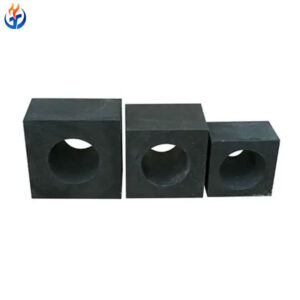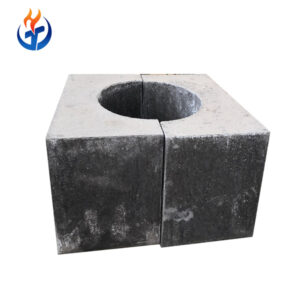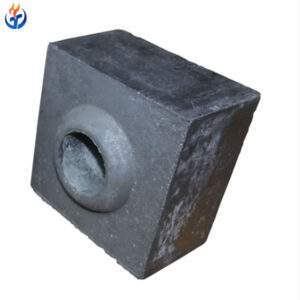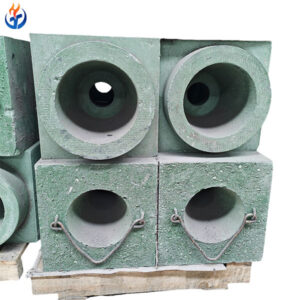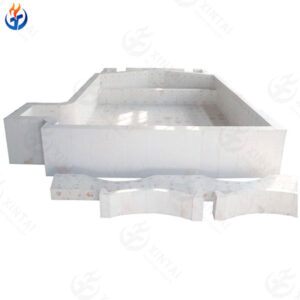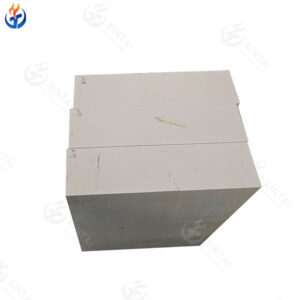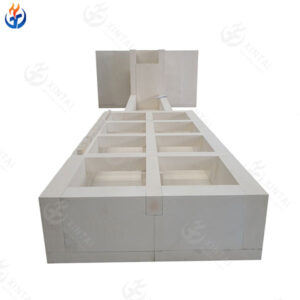
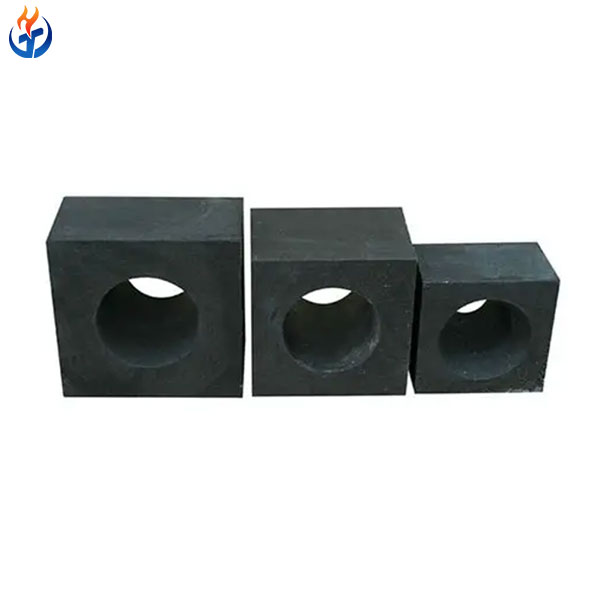
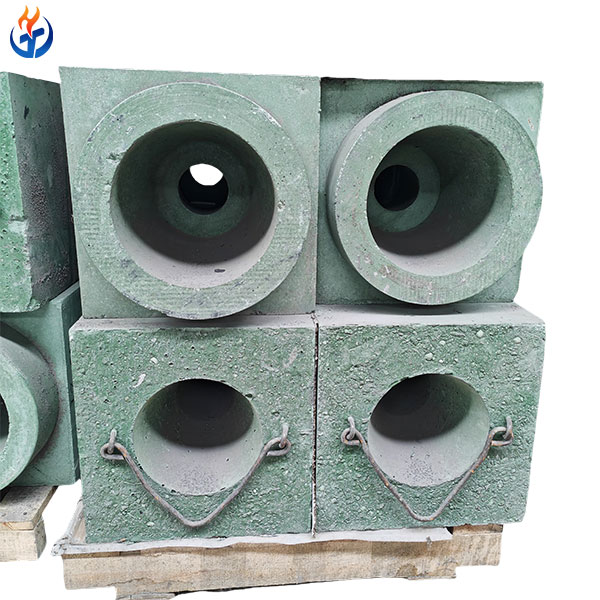
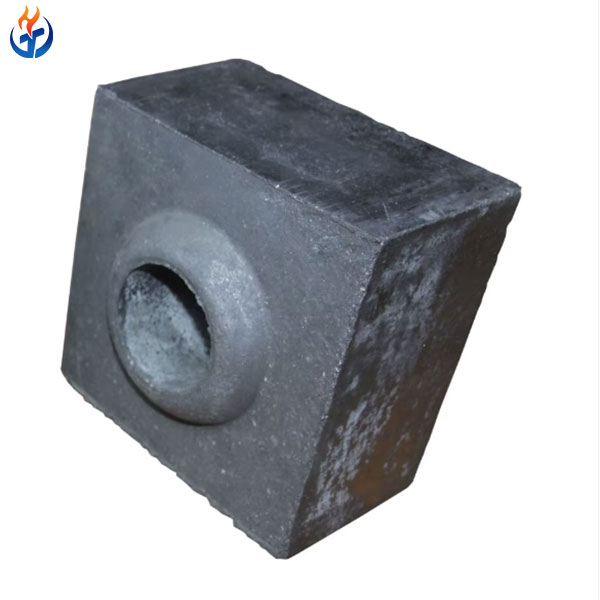
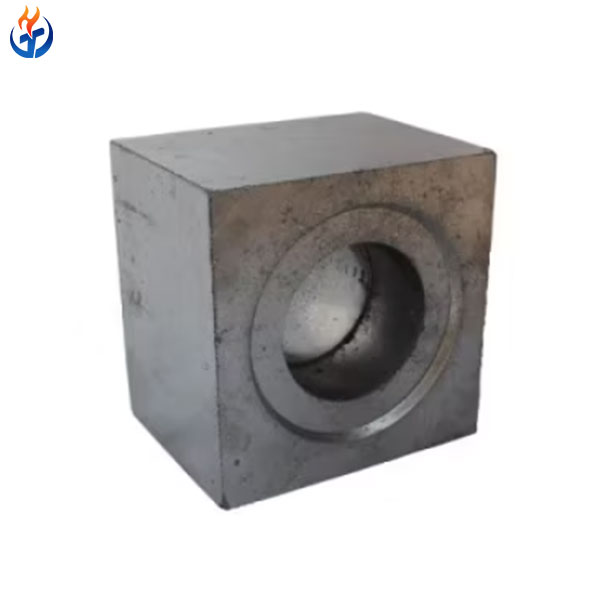
Premium Well Block Refractory for steelmaking ladles and continuous casting systems, designed to provide secure nozzle seating, precise alignment, excellent erosion resistance, and reliable performance under severe molten steel conditions.
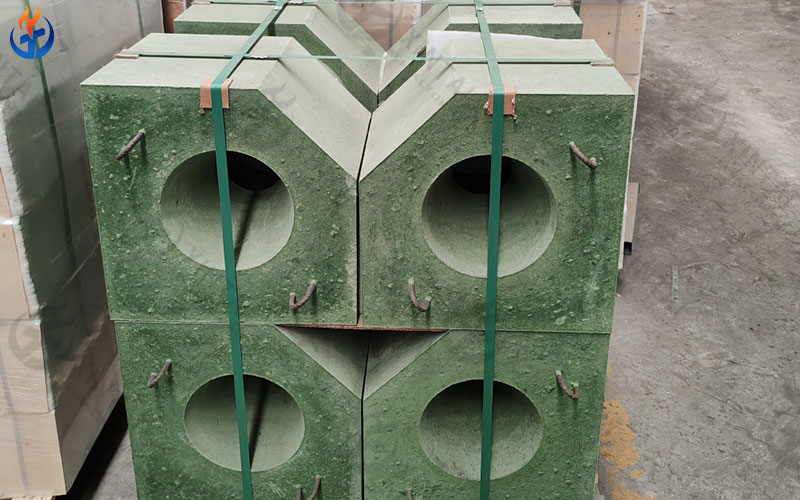
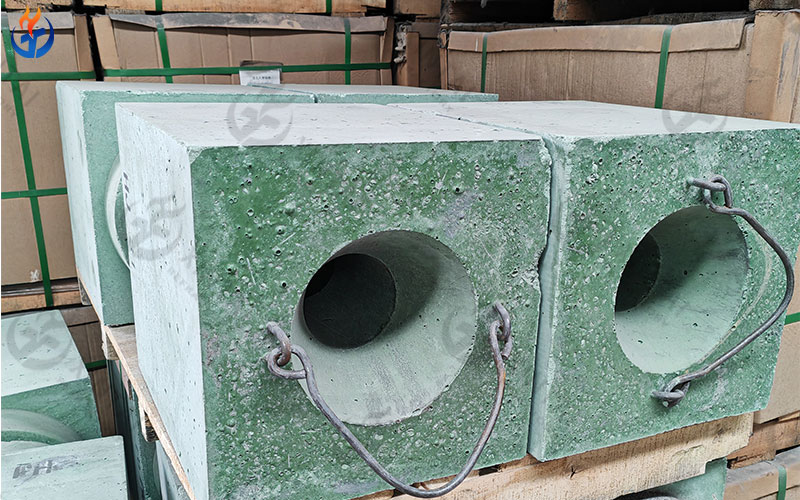
Well blocks are critical precast refractory components installed around the nozzle assembly at the bottom of steel ladles or tundish systems. They provide structural support and protection for the inner nozzle, collector nozzle, slide gate nozzle, or argon purging plug while helping maintain stable molten steel flow.
Manufactured from carefully selected refractory compositions such as high alumina, alumina-magnesia, magnesia-carbon, and zirconia, our well block refractories offer excellent resistance to molten steel erosion, slag corrosion, thermal shock, and mechanical wear. Customized compositions, dimensions, and nozzle openings are available according to customer drawings and operating conditions.
With controlled raw materials, precision forming, high-temperature treatment, and strict quality inspection, Xintai Refractory supplies reliable well block refractory solutions for steel plants, foundries, and continuous casting operations worldwide.
Technical Specifications
| Item | Specification |
|---|---|
| Brand | Xintai Refractory |
| Product Name | Well Block Refractory |
| Material | High Alumina / Alumina-Magnesia / Magnesia-Carbon / Zirconia |
| Al₂O₃ Content | 60–95% (Customizable) |
| MgO Content | Up to 85% |
| Bulk Density | 2.7–3.0 g/cm³ |
| Apparent Porosity | ≤18% |
| Cold Crushing Strength | ≥45 MPa |
| Flexural Strength | ≥10 MPa |
| Thermal Shock Resistance | ≥30 Cycles |
| Refractoriness | ≥1790°C |
| Service Life | 15–30 Casting Heats |
| Shape | Standard or Customized |
| Manufacturing Process | Precast / Pressed / Monolithic |
| Application | Tundish Bottom Nozzle Seating |
| Packing | Export Wooden Case |
| Storage | Store Dry, Keep Upright, Avoid Impact |
Key Features
- High Temperature Resistance: Designed to maintain structural stability under the extreme temperatures encountered during steelmaking and continuous casting.
- Excellent Erosion Resistance: Dense refractory structures resist erosion from high-velocity molten steel, helping maintain the dimensional integrity of the nozzle seating area.
- Strong Slag Corrosion Resistance: Carefully selected refractory compositions provide resistance to aggressive steelmaking slags and chemical attack.
- Superior Thermal Shock Resistance: The optimized material structure helps withstand repeated heating and cooling cycles while reducing the risk of cracking and spalling.
- High Mechanical Strength: High cold crushing strength and flexural strength provide reliable structural support for nozzle assemblies during casting.
- Precise Nozzle Alignment: Accurate dimensions and customized openings ensure proper positioning of inner nozzles, collector nozzles, slide gate nozzles, and purging plugs.
Typical Applications
Well Block Refractory is widely used in:
- Steelmaking ladles
- Tundish systems
- Secondary refining operations
- Ladle furnaces (LF)
- RH refining systems
- Continuous casting machines
- Carbon steel production
- Alloy steel production
- Stainless steel production
- Special steel production
- Foundry and molten metal handling systems
The product can be designed for different ladle capacities, nozzle arrangements, slide gate systems, and purging configurations.
Production Details of Tundish Well Block
Premium Raw Materials
Only high-purity refractory aggregates and fine powders are selected to ensure stable chemical composition and excellent performance.
Precision Forming Technology
Hydraulic pressing and precision precasting processes guarantee high density, dimensional accuracy, and consistent quality.
Controlled Drying and High-Temperature Firing
Scientific heat treatment ensures excellent bonding strength, low porosity, and outstanding thermal stability.
Comprehensive Quality Inspection
Each production batch undergoes:
- Chemical composition analysis
- Bulk density testing
- Apparent porosity testing
- Cold crushing strength testing
- Thermal shock resistance testing
- Dimensional inspection
Customized Manufacturing
Customized products are available according to:
- Ladle capacity
- Nozzle type
- Slide gate system
- Purging plug design
- Steel grade
- Slag chemistry
- Customer drawings
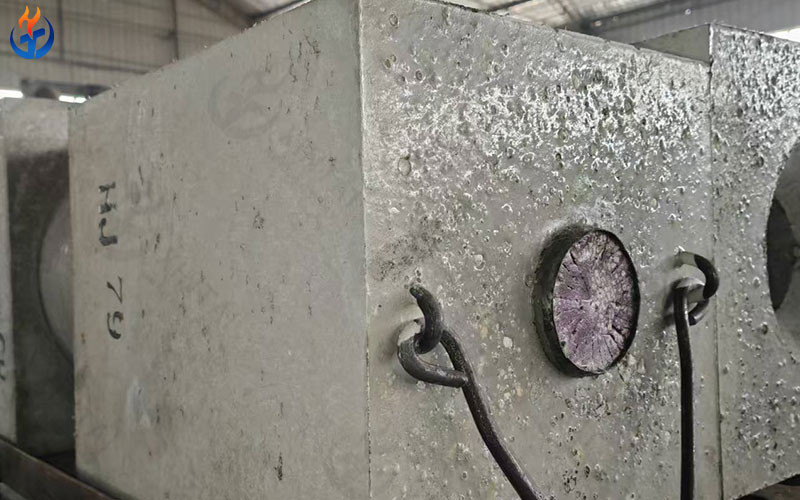
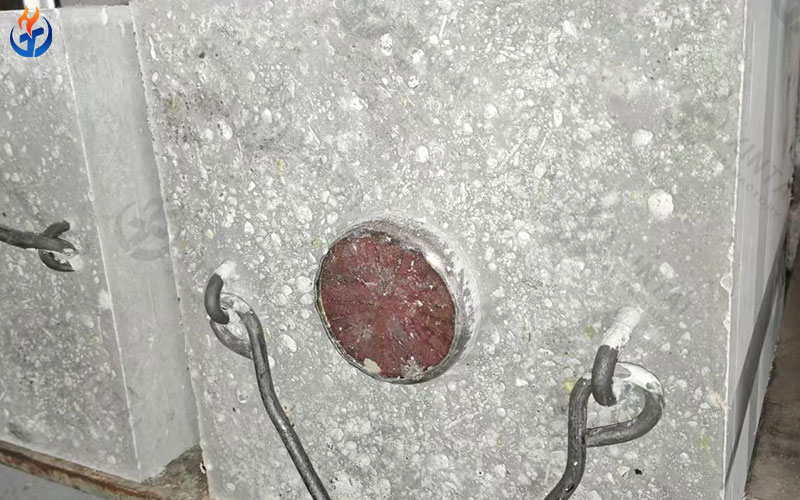
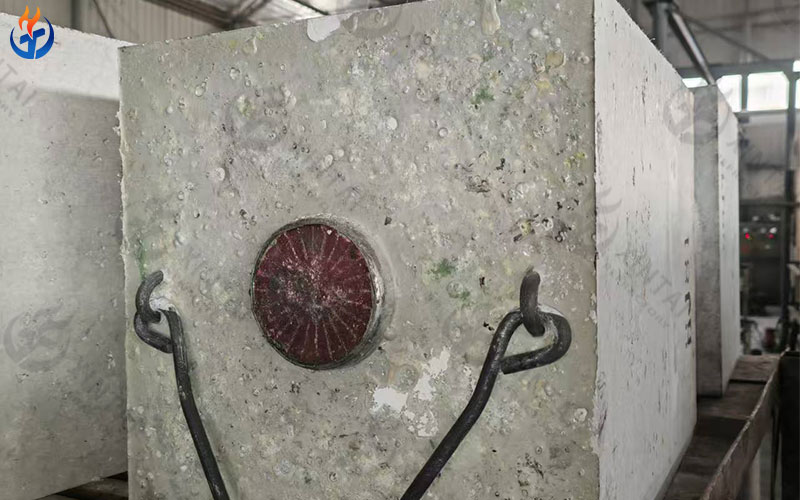
Packing and Shipping Details
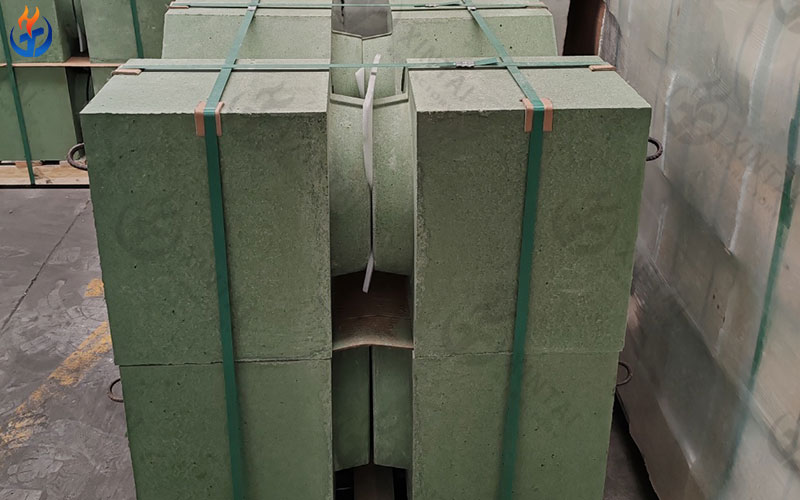
To protect the well block refractory during international transportation, products are normally packed in strong export-grade wooden cases.
- Export Packing: Heavy-duty wooden cases suitable for international transportation.
- Internal Protection: Cushioning materials are used to reduce impact and vibration during handling.
- Moisture Protection: Moisture-resistant packaging helps maintain product quality during transportation and storage.
- Identification: Product specifications, quantities, batch information, and handling marks can be provided according to customer requirements.
- Shipping Methods: Sea freight, railway, or truck transportation can be arranged according to destination and delivery requirements.
Frequently Asked Questions (FAQ)
Q1: What is a well block refractory?
A well block refractory is a precast refractory component used around the nozzle seating area of a steel ladle or tundish. It provides mechanical support and thermal and chemical protection for nozzle assemblies during molten steel handling and casting.
Q2: What materials are used to manufacture well block refractories?
Common materials include high alumina, alumina-magnesia, magnesia-carbon, and zirconia. The optimal composition depends on the steel grade, slag chemistry, casting temperature, nozzle system, and required service life.
Q3. Can the well block refractory be customized?
Yes. Xintai Refractory can manufacture customized well blocks according to customer drawings, dimensions, nozzle configurations, ladle capacity, and operating conditions.
Q4: What is the typical service life of a well block refractory?
The service life can reach approximately 15–30 casting heats, depending on casting temperature, steel grade, slag composition, molten steel flow rate, thermal cycling, installation quality, and operating conditions.
Q5: What applications are well blocks used for?
Well blocks are commonly used in steelmaking ladles, tundish systems, secondary refining, LF and RH operations, continuous casting, and other molten steel handling applications.