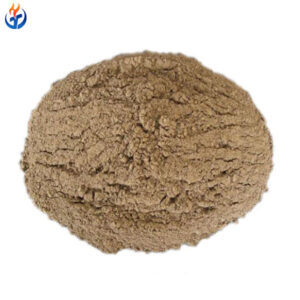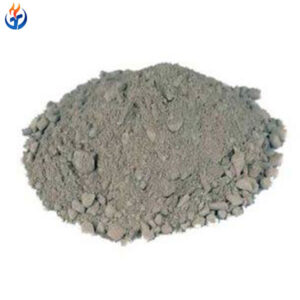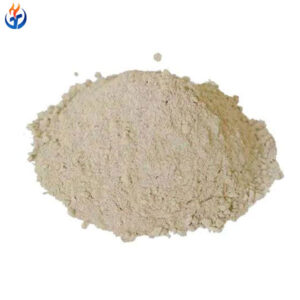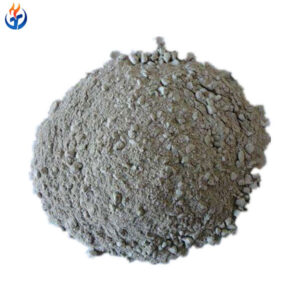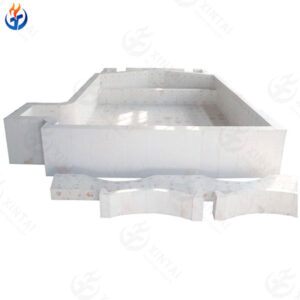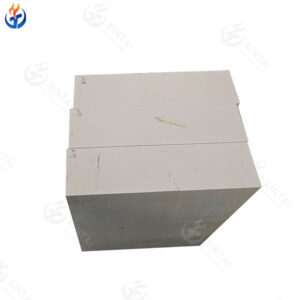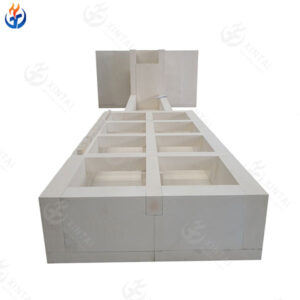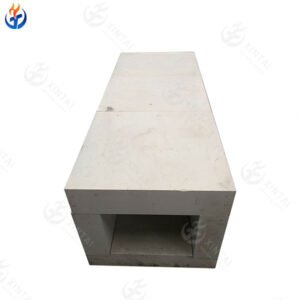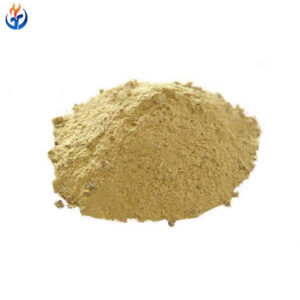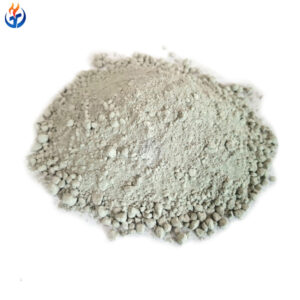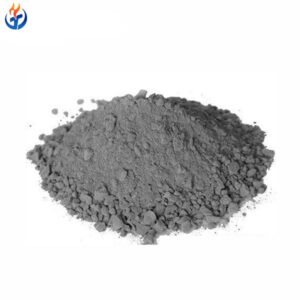
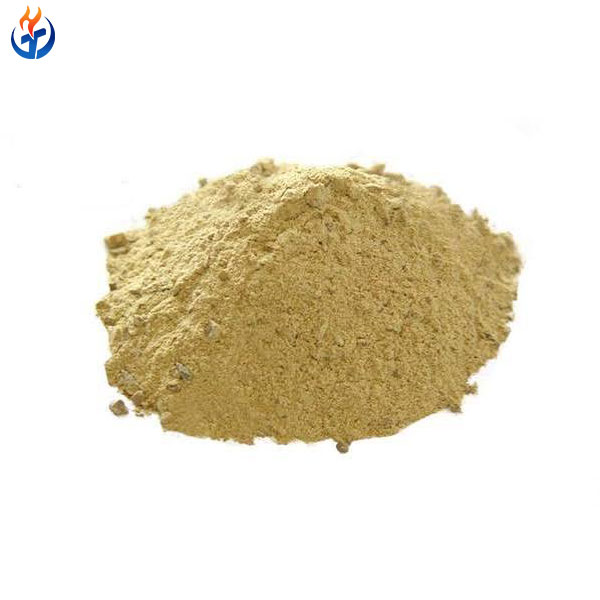
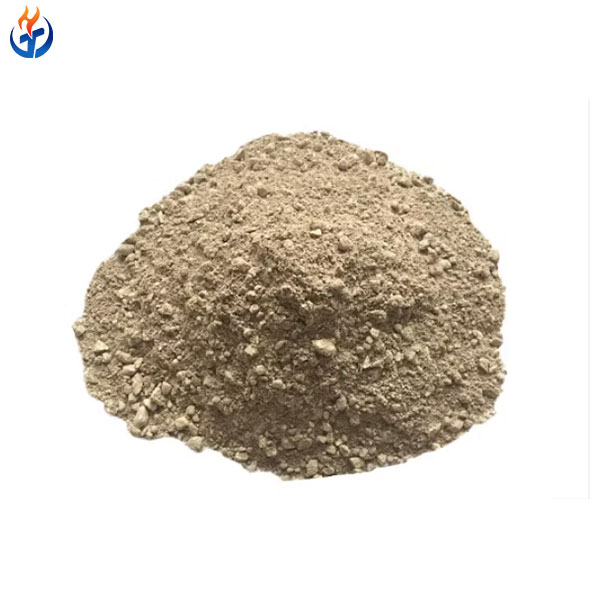
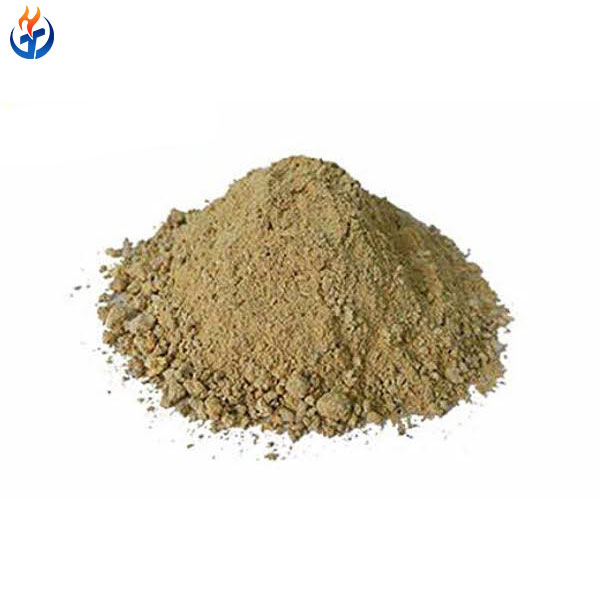
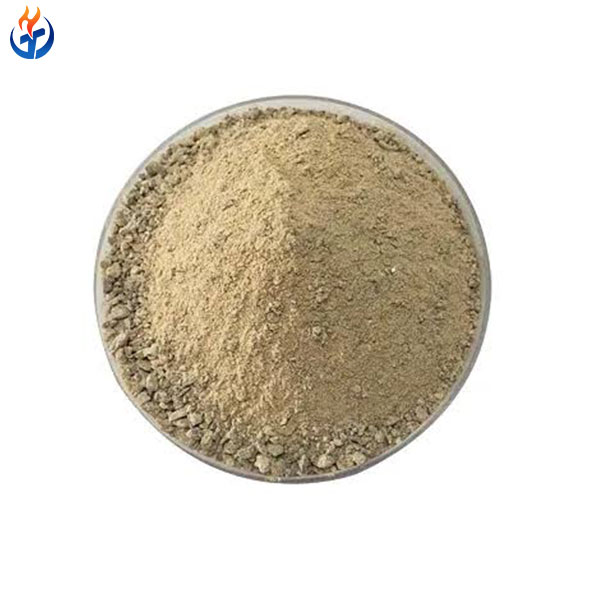
Refractory Magnesia Mortar is a high-performance alkaline refractory jointing material specifically designed for masonry of magnesia-based refractory bricks in high-temperature industrial furnaces and kilns. It is formulated using high-purity magnesia (MgO) as the main raw material, combined with inorganic binders such as sodium silicate, ensuring strong bonding performance under extreme thermal and chemical conditions.
This refractory mortar plays a critical role in maintaining the structural integrity of furnace linings. In high-temperature operations, the weakest point of refractory systems is often the joint between bricks. High-quality magnesia mortar significantly reduces joint erosion, prevents slag penetration, and enhances the overall service life of refractory linings. It is widely used in steelmaking, non-ferrous metallurgy, cement rotary kilns, and other industrial furnaces where strong alkali resistance and high refractoriness are required.
Technical Specifications
| Product Type | MgO (%) | Al₂O₃ (%) | MOR (110℃×24h) | MOR (1400℃×3h) | Refractoriness (℃) | Bonding Time (min) | Binder |
|---|---|---|---|---|---|---|---|
| Special Magnesia Mortar | 90–97 | 1–3 | 1.5 | 3 | 1800 | 1–3 | Sodium Silicate |
| Magnesia Spinel Mortar | 70 | 8–20 | 1.5 | 3 | 1800 | 1–3 | Sodium Silicate |
| Magnesia Spinel Mortar | 80 | 5–10 | 1.5 | 3 | 1800 | 1–3 | Sodium Silicate |
| Magnesia Chrome Mortar | 70–80 | Cr₂O₃ 4–9% | 1.0 | 2.0 | 1800 | 1–3 | Sodium Silicate |
Key Features of Magnesia Mortar
- High Refractoriness Performance: Stable operation under temperatures up to 1800℃, suitable for severe industrial furnace environments.
- Strong Bonding Strength: Excellent adhesion to magnesia, magnesia-chrome, and magnesia-spinel bricks, ensuring structural stability of kiln linings.
- Superior Corrosion Resistance: Resistant to alkaline slag, molten metal, and aggressive furnace atmospheres.
- Good Plasticity and Workability: Smooth application ensures efficient masonry construction and reduced installation time.
- Excellent Thermal Shock Resistance: Minimizes cracking and joint failure under repeated heating and cooling cycles.
- Dense Structural Integrity: Reduces porosity and prevents infiltration of molten slag and gases.
Typical Applications
- Steelmaking furnaces (ladles, converters, EAF)
- Cement rotary kilns (burning zone and transition zone)
- Non-ferrous metal smelting furnaces
- Glass furnace alkaline zones
- Magnesium and ferroalloy furnaces
- High-temperature industrial kilns
- Refractory brick masonry and repair systems
Production Details
Raw Materials
- High-purity magnesia clinker (MgO)
- Sodium silicate or inorganic binding agents
- Fine refractory powders
- Stabilizing and anti-shrinkage additives
Manufacturing Process
- Raw material screening and impurity removal
- Fine grinding and particle size classification
- Precision batching and mixing
- Binder integration under controlled conditions
- Homogenization for stable performance
- Moisture-proof packaging to prevent hydration
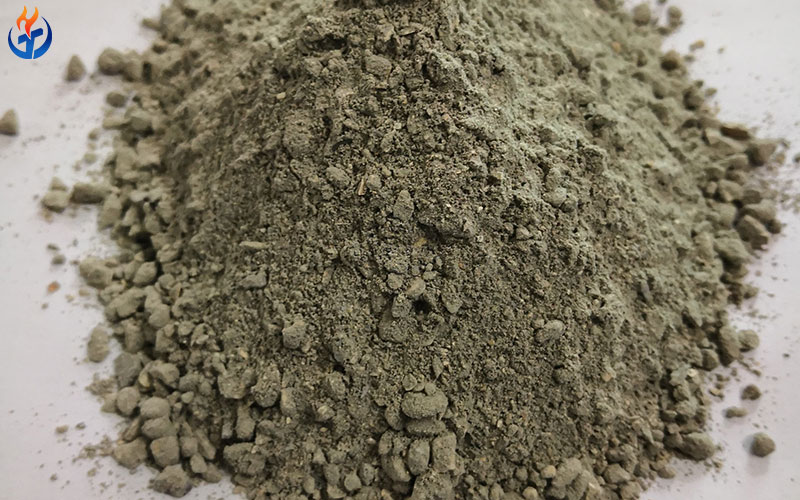
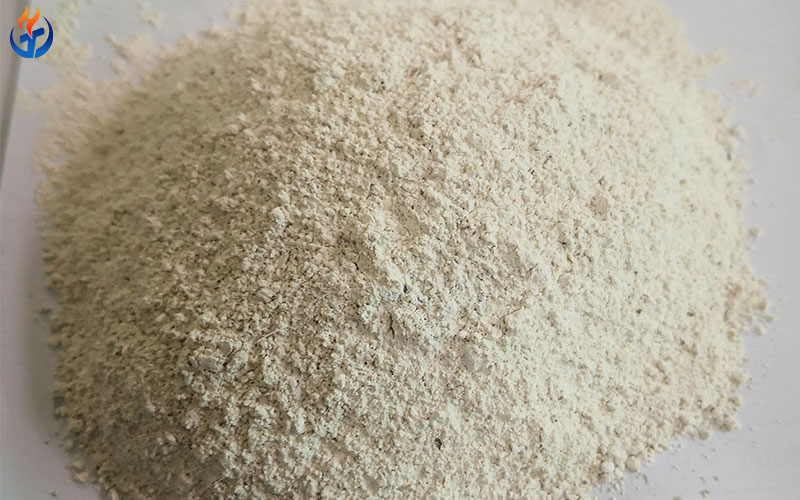
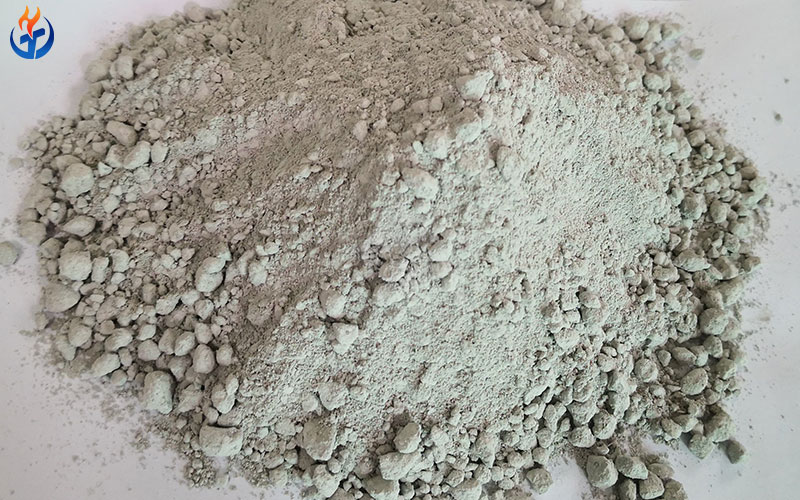
Packing and Shipping Details
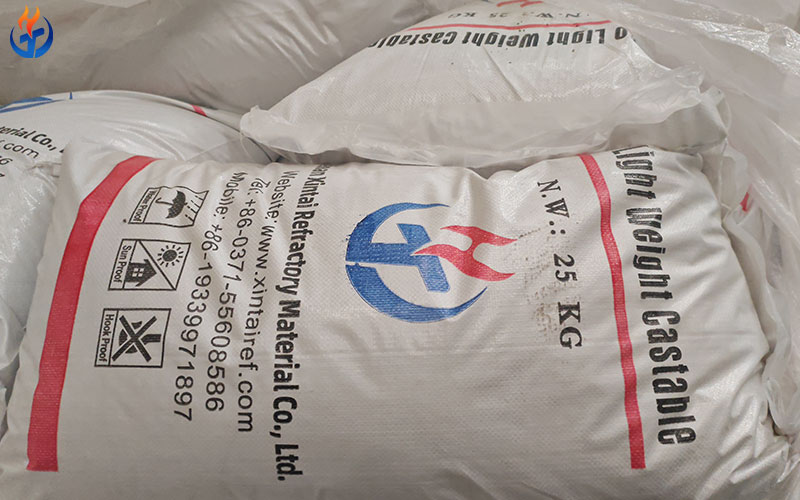
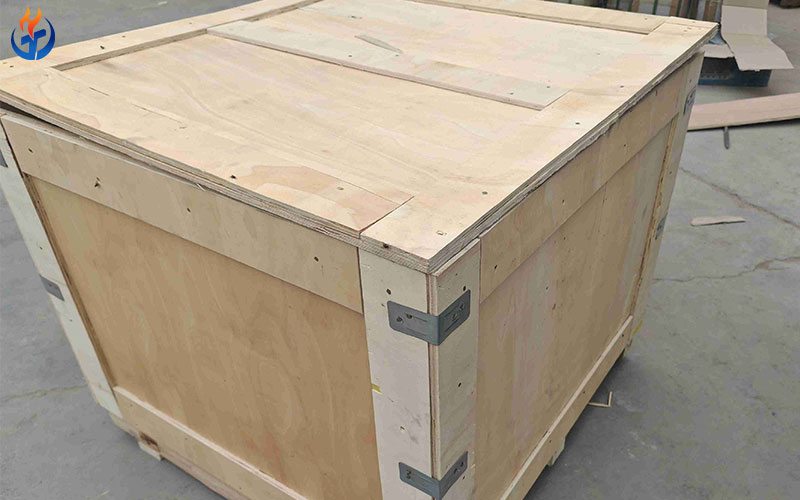
Standard Packaging: 25 kg moisture-proof bags with inner PE lining
Bulk Packaging: 1-ton jumbo bags available upon request
Pallet System: Reinforced wooden pallets with shrink wrapping
Delivery Forms: Dry powder, ready for onsite mixing
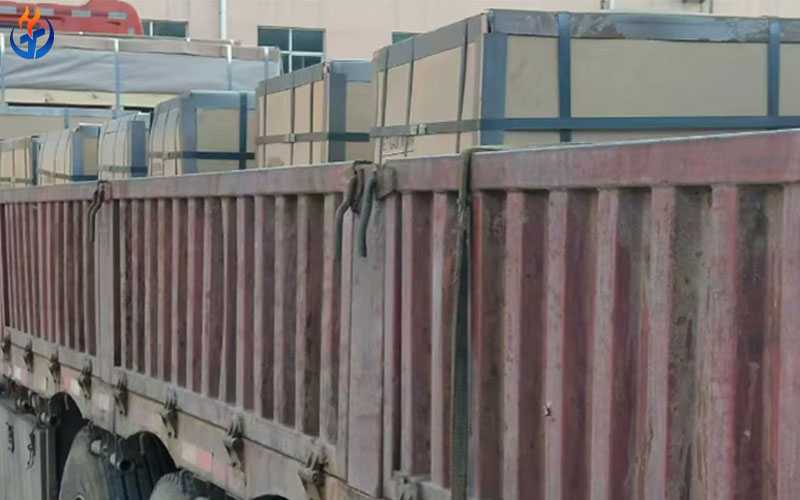
Shipping Options: Sea freight / rail freight / truck delivery
All packaging is designed to prevent moisture absorption and ensure long-distance transport stability.
Frequently Asked Questions (FAQ)
Q1: What is magnesia refractory mortar used for?
It is used for bonding magnesia-based refractory bricks in high-temperature furnace linings.
Q2: What is the maximum working temperature?
The product can withstand temperatures up to 1800℃ depending on application conditions.
Q3. Can it be used with different brick types?
Yes, it is suitable for magnesia bricks, magnesia-chrome bricks, and magnesia-spinel bricks.
Q4: How long is the bonding time?
Typical initial setting time is 1–3 minutes, depending on grade and site conditions.
Q5: Is it resistant to slag corrosion?
Yes, it provides strong resistance against alkaline slag and molten metal erosion.