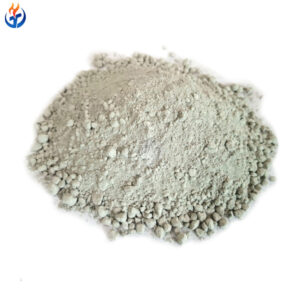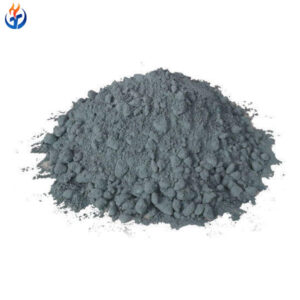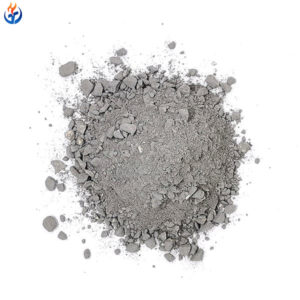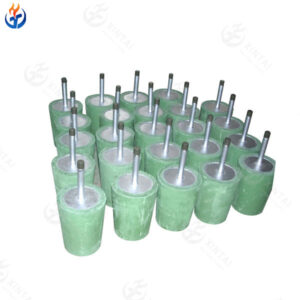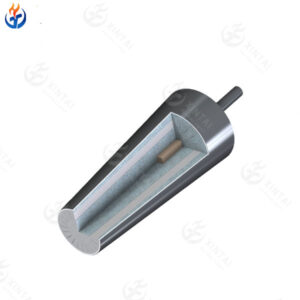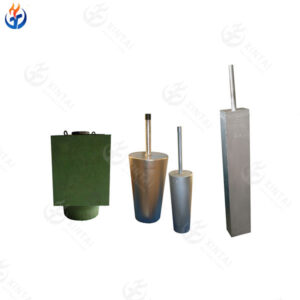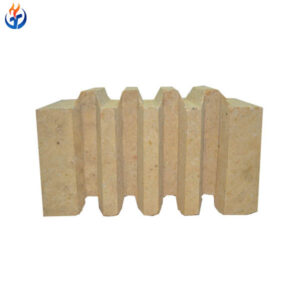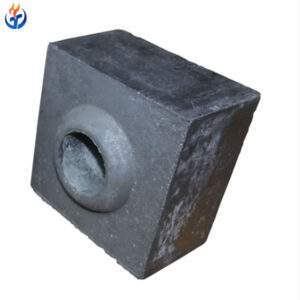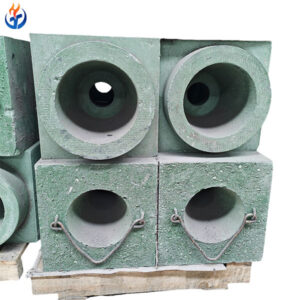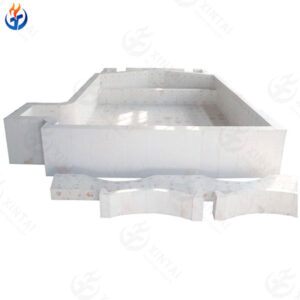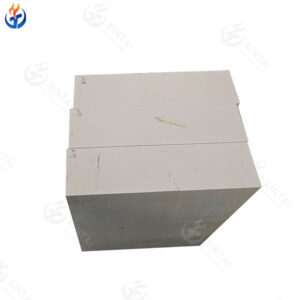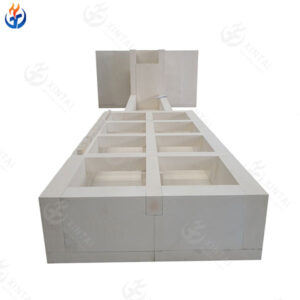
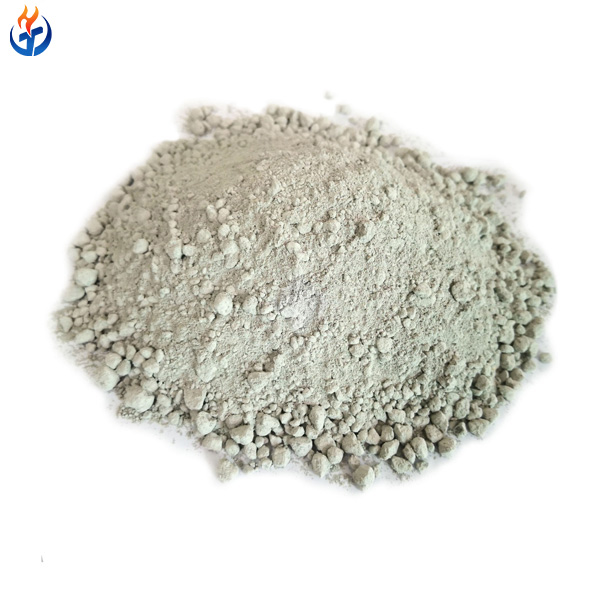
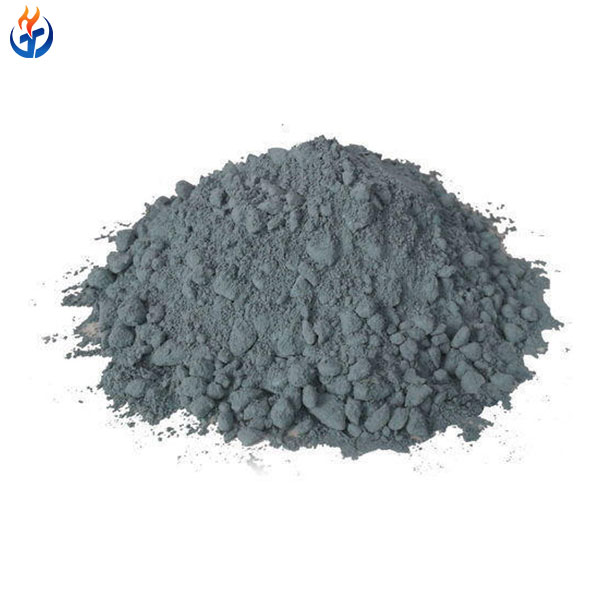
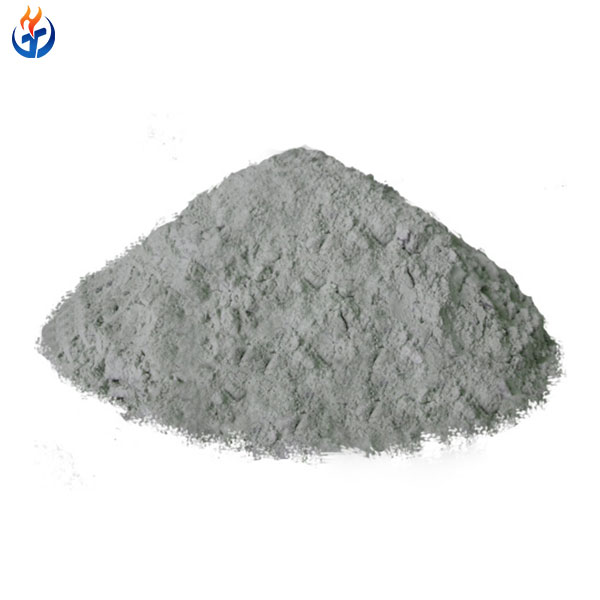
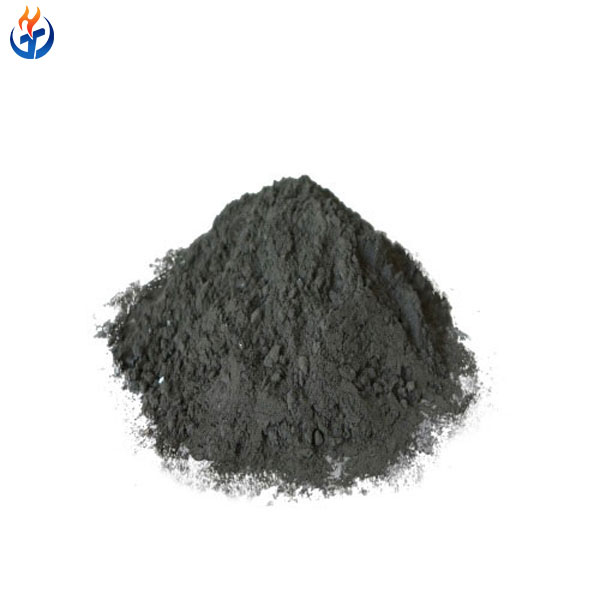
Boiler Castable Refractory is a high-performance monolithic refractory material designed for lining, repairing, and maintaining industrial boiler systems operating under extreme thermal conditions. It is formulated using high-purity alumina-based raw materials and advanced calcium aluminate binders, delivering excellent mechanical strength, thermal stability, and resistance to slag corrosion.
This material is widely used in energy production, petrochemical processing, waste incineration, and metallurgical industries where high-temperature durability and long service life are critical.
Technical Specifications
| Grade | Al2O3 Content (%) | CaO Content (%) | Fe2O3 Content (%) | Refractoriness (℃) | Volume Density (g/cm3) |
|---|---|---|---|---|---|
| Special Grade | ≥85 | ≤0.60 | ≤1.40 | ≥1790 | ≥3.60 |
| Grade-80 | ≥80 | ≤0.60 | ≤3.00 | ≥1790 | ≥3.00 |
| Grade-70 | 70~80 | ≤0.80 | ≤3.00 | ≥1790 | ≥2.80 |
| Grade-60 | 60~70 | ≤0.80 | ≤3.00 | ≥1790 | ≥2.65 |
| Grade-50 | 50~60 | ≤0.80 | ≤2.50 | ≥1790 | ≥2.55 |
Key Features
- High Temperature Stability: Maintains structural integrity in continuous high-heat environments up to 1780°C.
- Excellent Thermal Shock Resistance: Withstands rapid heating and cooling cycles without cracking or spalling.
- Superior Slag and Corrosion Resistance: Protects boiler linings against chemical attack from ash, slag, and combustion byproducts.
- High Mechanical Strength: Provides strong abrasion resistance and load-bearing capacity after curing.
- Fast Setting & Efficient Installation: Reduces downtime with controlled setting time and easy casting application.
- Monolithic Structure Advantage: Eliminates joint weaknesses common in brick linings.
Typical Applications of Boiler Castable Refractory
- Coal-fired boiler linings
- Gas-fired boiler combustion chambers
- Waste heat recovery systems
- Fluidized bed combustion boilers (CFB boilers)
- Industrial heating furnaces
- Cement and lime rotary kilns
- Waste incineration plants
- Steel and non-ferrous metal smelting furnaces
- Chemical processing high-temperature reactors
Production Details
Raw Materials: High-purity bauxite, alumina, and calcium aluminate cement are selected to ensure stable chemical composition and high refractoriness.
Manufacturing Process: Precise proportioning ensures optimal particle distribution and consistent performance across batches.
Quality Control: Rigorous chemical and physical testing to verify product performance at high temperatures.
Packing and Shipping Details
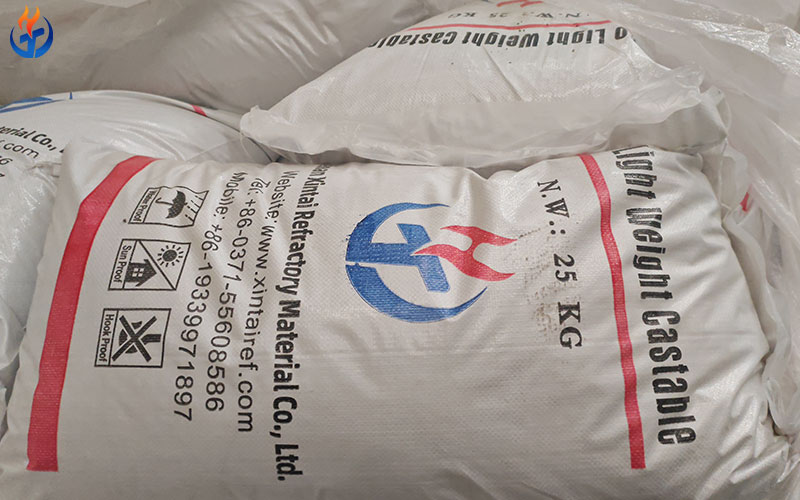
- Standard Packaging: 25 kg moisture-proof paper bags
- Jumbo Bags: 500 kg – 1000 kg bulk packaging available
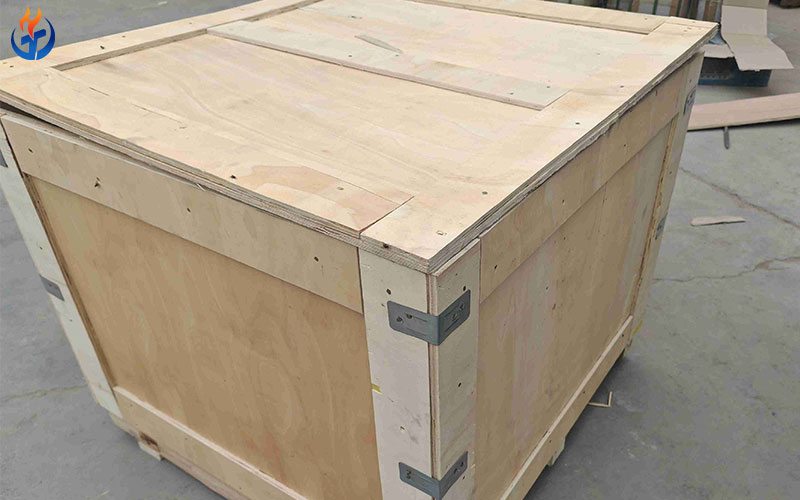
- Pallet Packaging: Reinforced wooden pallets with shrink wrap protection
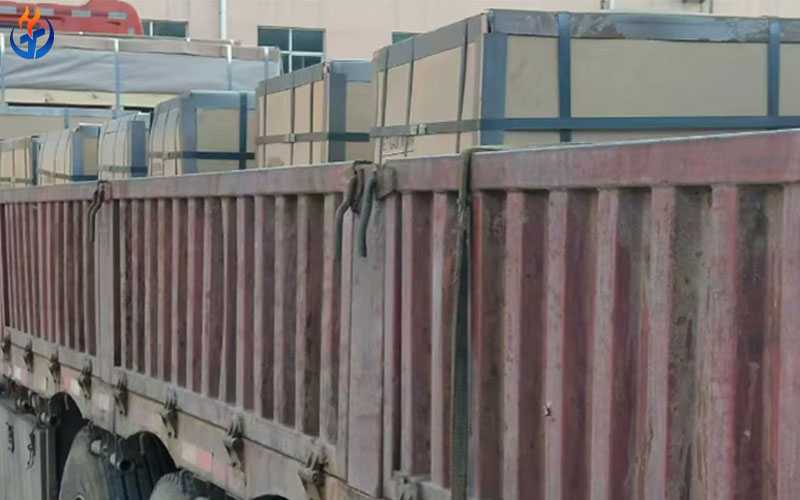
- Shipping Methods: Sea freight, rail transport, truck delivery
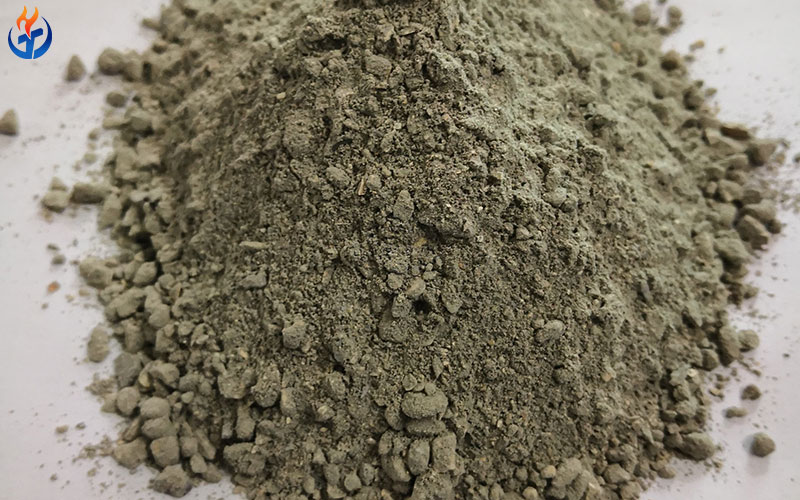
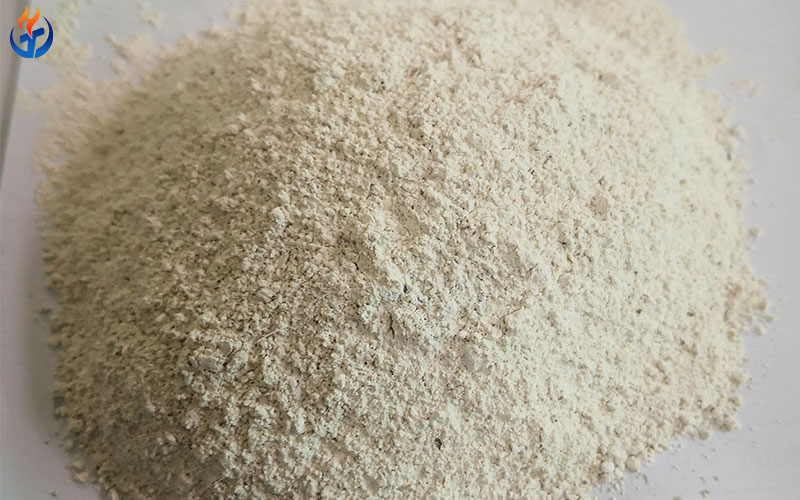
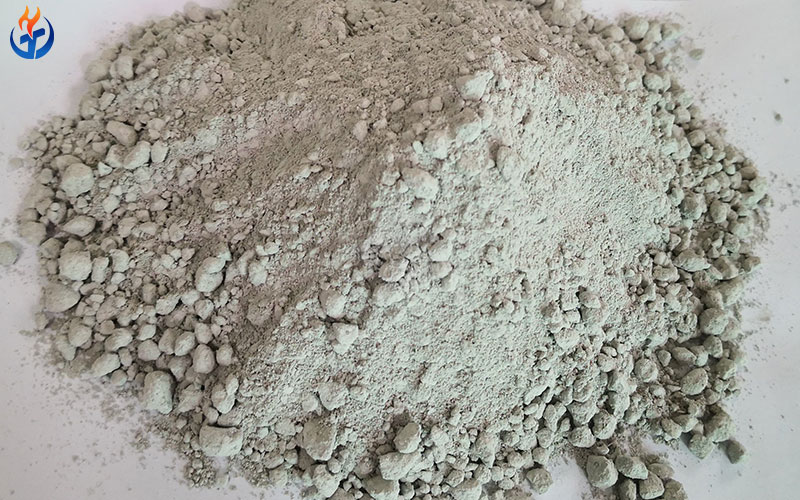
- Delivery Form: Dry powder ready for onsite water mixing
All packaging is designed to prevent moisture absorption, contamination, and material degradation during transport and storage.
Frequently Asked Questions (FAQ)
Q1: What is boiler castable refractory used for?
It is used to create or repair high-temperature linings in industrial boilers, furnaces, and thermal equipment.
Q2: How is castable refractory installed?
It is mixed with water and poured or rammed into formwork, then cured to form a solid refractory lining.
Q3. What is the difference between castable and refractory brick?
Castables provide a seamless monolithic lining, while refractory bricks are jointed structures that may develop weak points over time.
Q4: Can it withstand thermal shock?
Yes, it is engineered to resist cracking under rapid temperature fluctuations.
Q5: What industries use this material?
Power generation, metallurgy, cement production, waste incineration, and chemical processing industries.