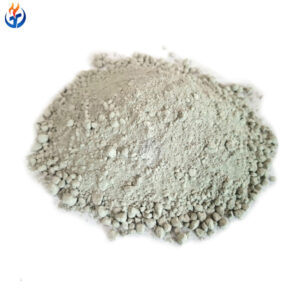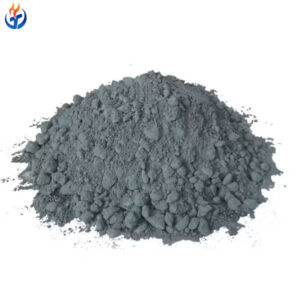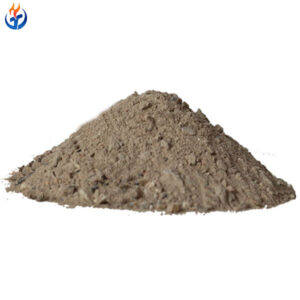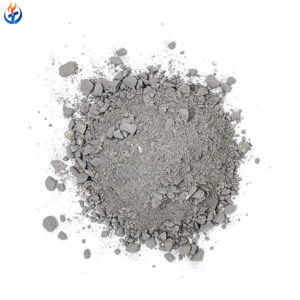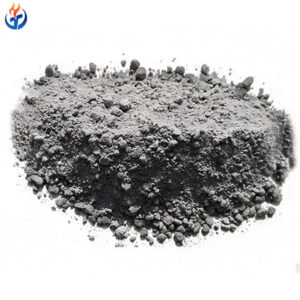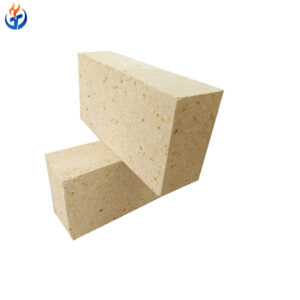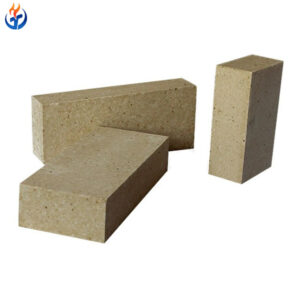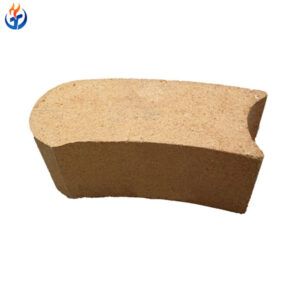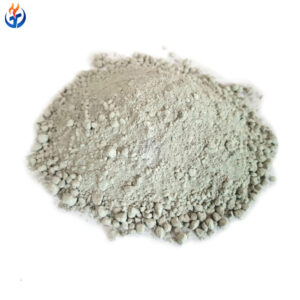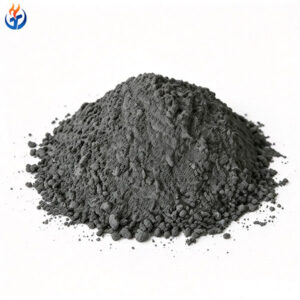
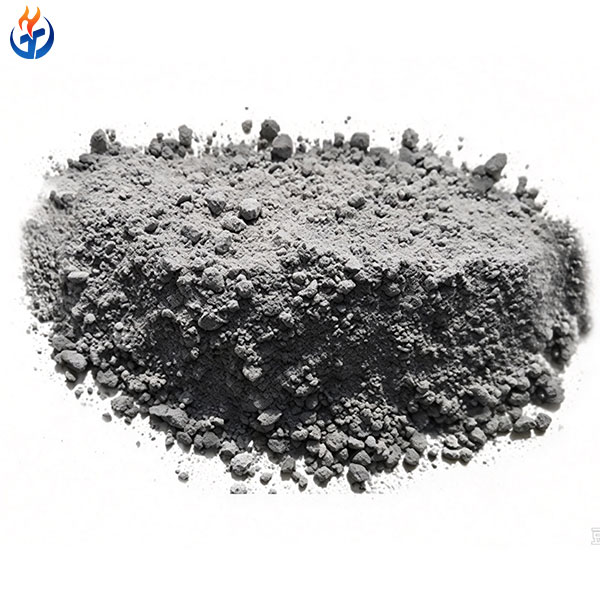
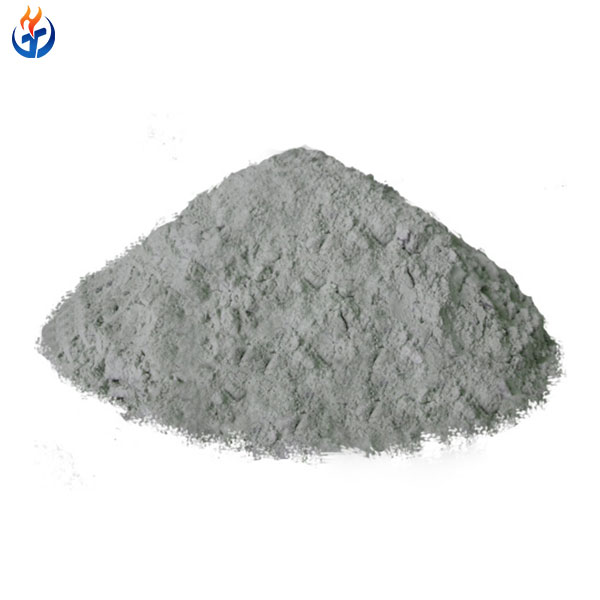
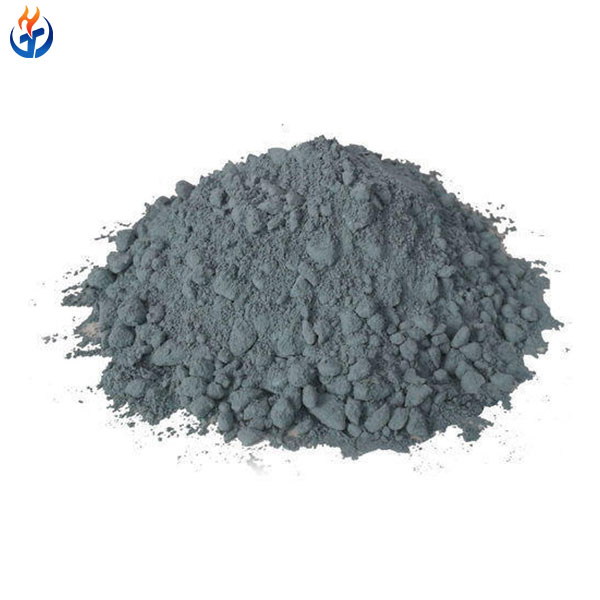
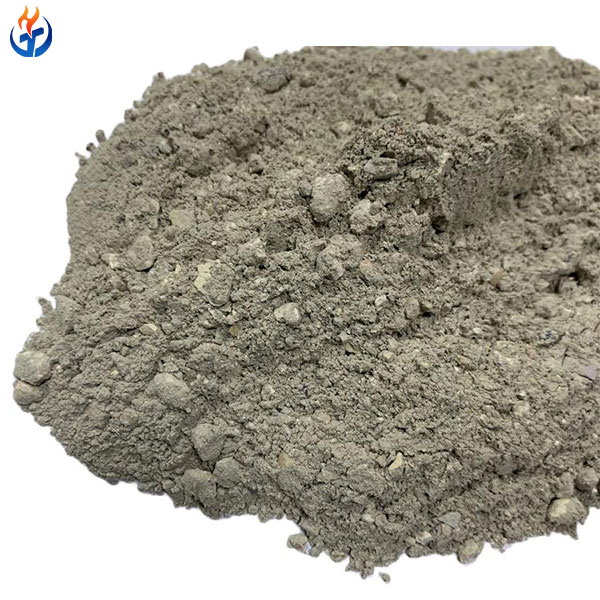
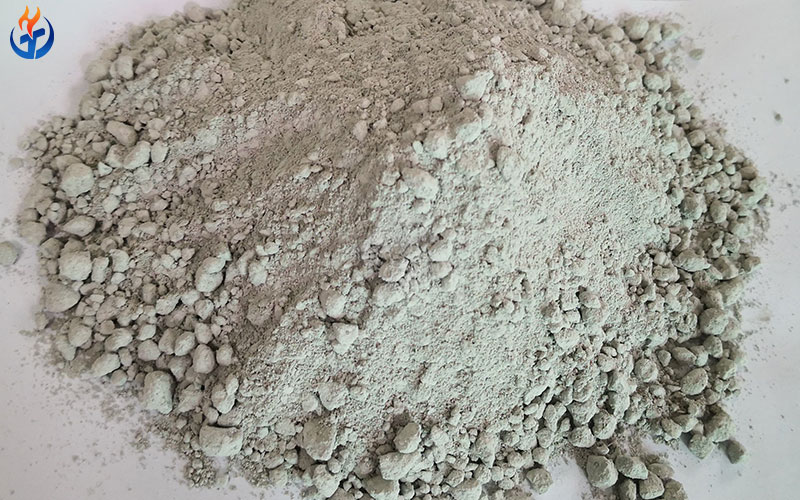
Molten Iron Ladles Refractory Castables are monolithic refractory materials specially developed for the integral lining of molten iron ladles used in foundries and metallurgical applications. Based on Al₂O₃-SiC refractory raw materials, these castables are manufactured through optimized multi-size particle grading and low-cement or ultra-low-cement bonding technology.
The formulation can be supplied in different grades, including high alumina, mullite, and corundum-based castables, according to the operating temperature, molten iron composition, slag characteristics, thermal cycling conditions, and required service life.
Molten iron ladle refractory castables are designed to withstand severe thermal conditions as well as erosion and chemical attack caused by molten iron and slag. Their dense structure, high mechanical strength, and resistance to slag adhesion help provide reliable protection for ladle linings and reduce refractory consumption during repeated operating cycles.
Technical Specifications
| Grade | Al2O3 Content (%) | CaO Content (%) | Fe2O3 Content (%) | Refractoriness (℃) | Volume Density (g/cm3) |
|---|---|---|---|---|---|
| Special Grade | ≥85 | ≤0.60 | ≤1.40 | ≥1790 | ≥3.60 |
| Grade-80 | ≥80 | ≤0.60 | ≤3.00 | ≥1790 | ≥3.00 |
| Grade-70 | 70~80 | ≤0.80 | ≤3.00 | ≥1790 | ≥2.80 |
| Grade-60 | 60~70 | ≤0.80 | ≤3.00 | ≥1790 | ≥2.65 |
| Grade-50 | 50~60 | ≤0.80 | ≤2.50 | ≥1790 | ≥2.55 |
Key Features
- High Temperature Resistance: Maintains structural stability under the severe thermal conditions encountered in molten iron ladles.
- Excellent Molten Iron Erosion Resistance: The Al₂O₃-SiC formulation helps resist erosion caused by repeated contact with molten iron.
- Strong Slag Corrosion Resistance: Provides improved resistance to chemical attack from molten slag and helps protect the working lining.
- Low Slag Adhesion: A dense and properly formulated refractory structure helps reduce slag penetration and adhesion during service.
- High Mechanical Strength: High cold crushing strength provides good resistance to mechanical impact and abrasion during ladle operation.
- Low Cement or Ultra-Low Cement Technology: Reduces the amount of cementitious phase and helps produce a dense refractory structure after proper installation and curing.
- Good Thermal Stability: Designed to withstand repeated heating and cooling cycles encountered during molten iron handling.
- Crack Resistance: Optimized particle grading and formulation help reduce cracking and structural damage during service.
- Long Service Life: The combination of high alumina raw materials, SiC, dense structure, and customized formulation supports extended lining performance.
- Customized Formulation: Different grades and compositions can be developed according to actual operating conditions.
Typical Applications of Molten Iron Ladles Refractory Castables
Molten Iron Ladles Refractory Castables are primarily used for the integral refractory lining of molten iron ladles in foundries and metallurgical plants.
Typical applications include:
- Molten iron ladle working linings
- Foundry ladle linings
- Iron transfer ladles
- Metallurgical molten iron handling equipment
- Ladle bottom linings
- Ladle side-wall linings
- Ladle impact zones
- High-wear areas exposed to molten iron and slag
- Other customized monolithic refractory linings for iron-handling equipment
The castable grade can be selected according to the specific location within the ladle. Areas exposed to stronger mechanical impact, higher temperature, or more severe slag erosion can use formulations with higher alumina content or optimized Al₂O₃-SiC compositions.
Production Details
- Raw Materials: Selected alumina-based refractory aggregates, SiC and other high-quality refractory materials are used according to the required formulation.
- Particle Grading: Multiple particle sizes are precisely proportioned to improve packing density and reduce open porosity.
- Binder System: Low-cement and ultra-low-cement bonding technologies are available for different performance requirements.
- Mixing and Proportioning: Raw materials are accurately weighed and mixed according to the specified formulation to maintain batch consistency.
- Quality Control: Chemical composition, bulk density, strength, dimensional stability, and other physical properties are tested according to the required product specification.
- Customized Production: The formulation can be adjusted according to molten iron temperature, ladle dimensions, slag conditions, lining thickness, installation method, and expected service life.
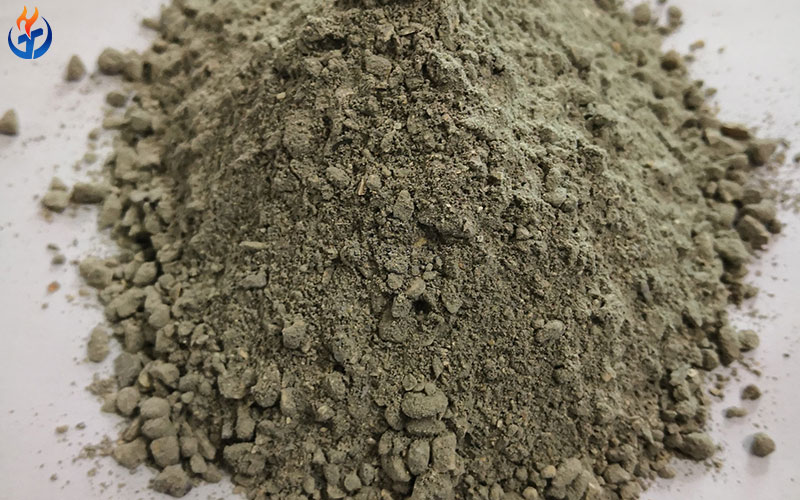
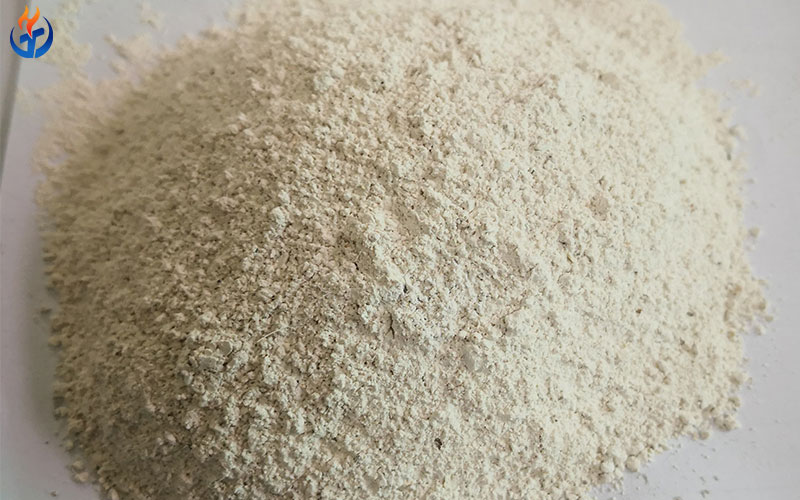
Packing and Shipping Details
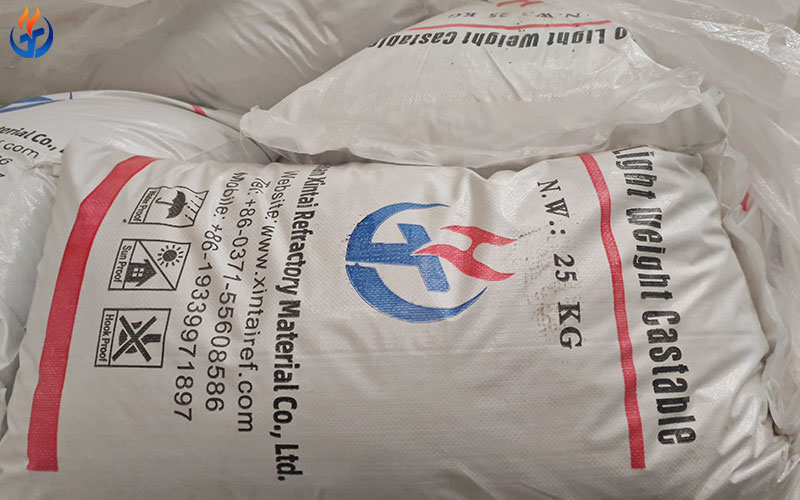
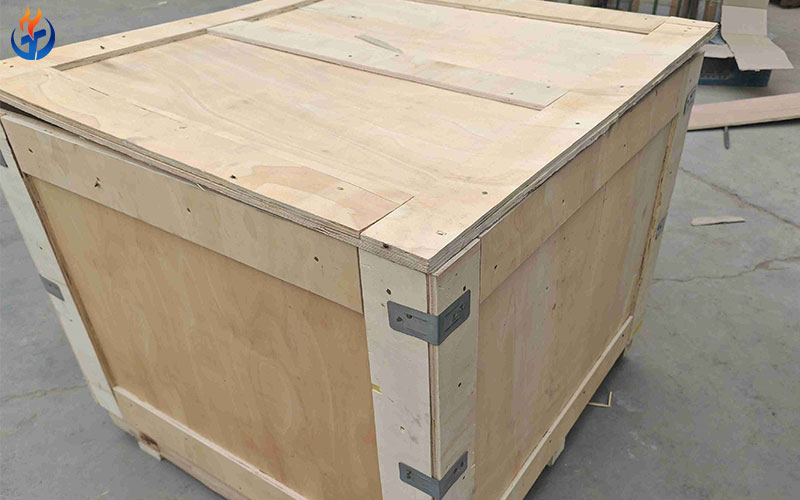
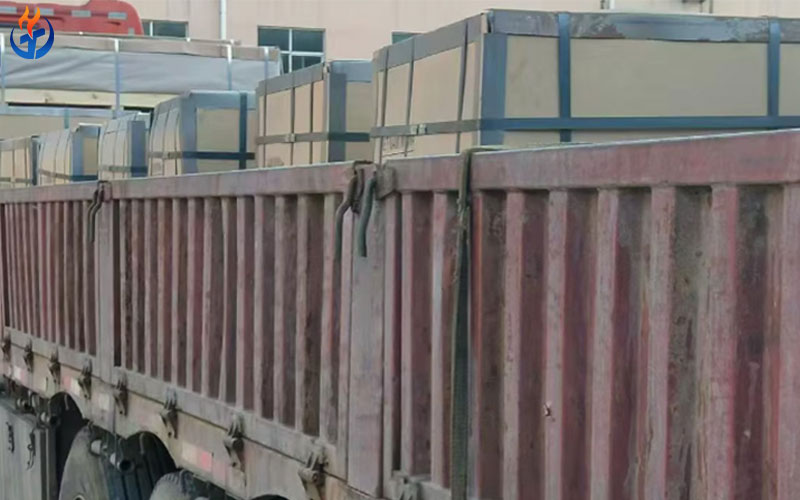
- Standard Packaging: 25 kg moisture-proof bags
- Bulk Packaging: Approximately 40 bags per ton bag, depending on packaging requirements
- Storage: Store in a dry, well-ventilated location
- Moisture Protection: Keep the bags sealed and protected from water and humidity
- Recommended Storage Period: Up to 6 months under suitable dry storage conditions
- Delivery Form: Dry castable refractory ready for onsite mixing and installation
Proper storage is important because moisture absorption can affect the flowability, setting behavior, and final performance of cement-bonded castables.
Frequently Asked Questions (FAQ)
Q1: What are Molten Iron Ladles Refractory Castables?
Molten Iron Ladles Refractory Castables are monolithic refractory materials designed for the integral lining of molten iron ladles. They are mainly formulated with Al₂O₃ and SiC refractory raw materials and can use low-cement or ultra-low-cement bonding technology.
Q2: What materials are used in Molten Iron Ladles Refractory Castables?
The main refractory materials include Al₂O₃ and SiC, together with selected refractory aggregates, fine powders, additives, and calcium aluminate-based binding systems. The formulation can be adjusted according to the required service conditions.
Q3. What is the Al₂O₃ content of these castables?
Depending on the grade, the Al₂O₃ content can range from approximately 53% to 78%. Higher-alumina formulations can be developed for applications requiring greater resistance to high temperatures, molten iron, and slag.
Q4: Can the refractory castable be customized?
Yes. Molten Iron Ladles Refractory Castables are customized according to actual operating conditions. The formulation can be adjusted based on molten iron temperature, slag characteristics, ladle capacity, lining thickness, installation method, and required service life.
Q5: What is the bulk density of the castable?
Typical bulk density is approximately 2.4–2.75 g/cm³, depending on the selected grade and testing condition. Customized formulations can also be developed when specific density requirements apply.
Q6: What is the cold crushing strength of Molten Iron Ladles Refractory Castables?
The cold crushing strength depends on the grade and heat-treatment condition. Based on the typical specifications, the strength can reach up to 80 MPa after treatment at 1450°C for 24 hours.