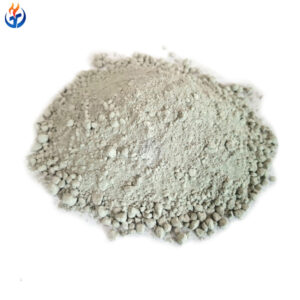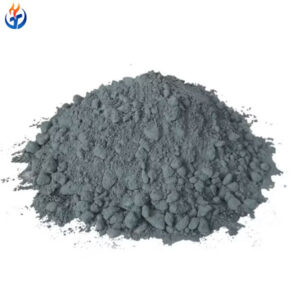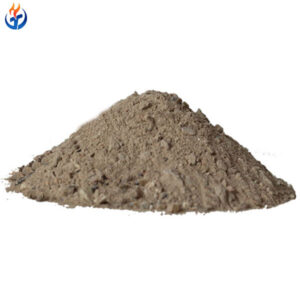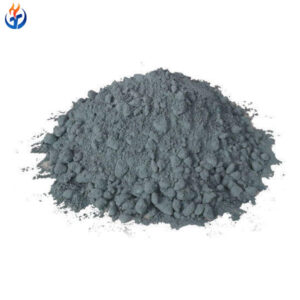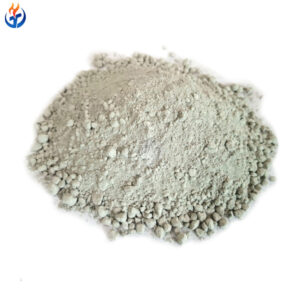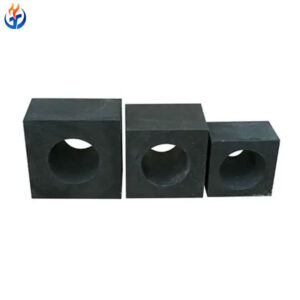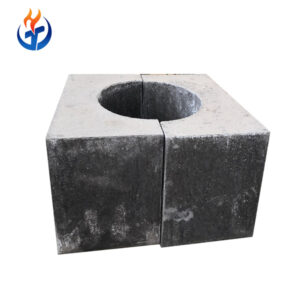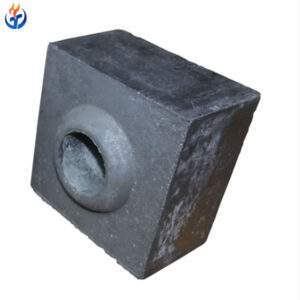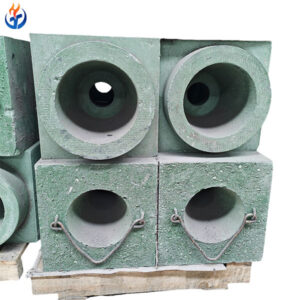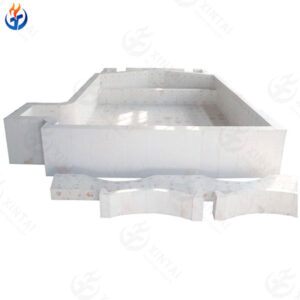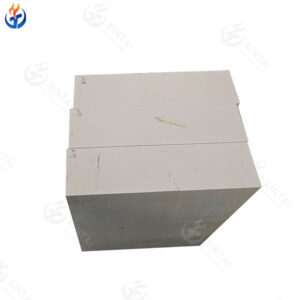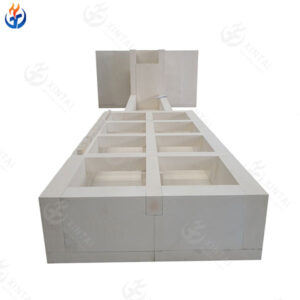
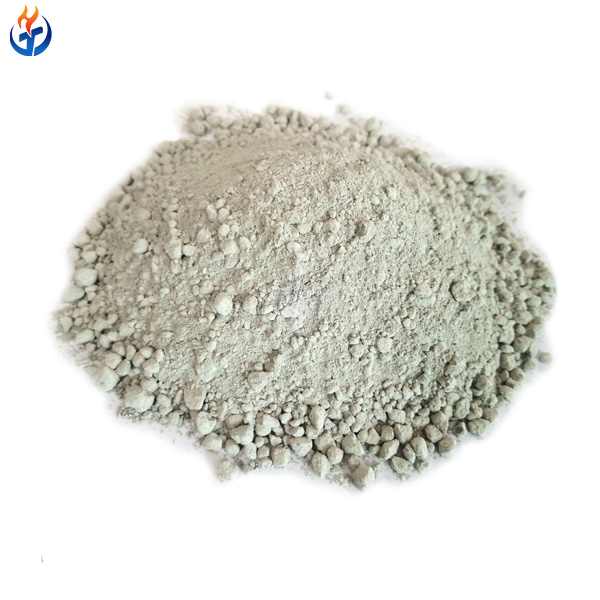
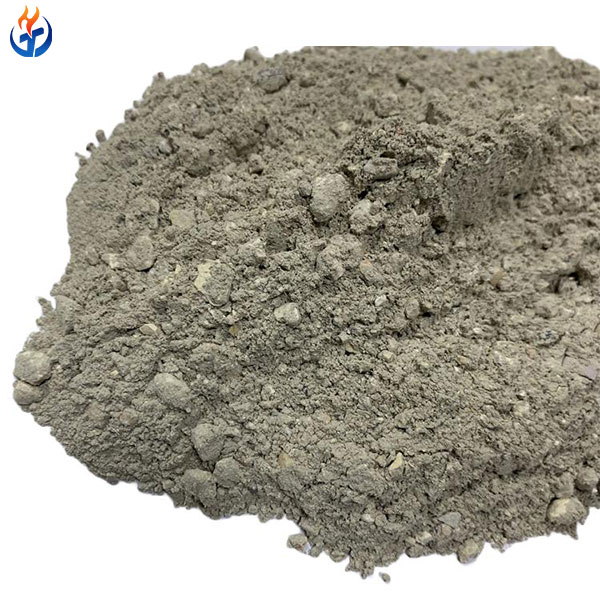
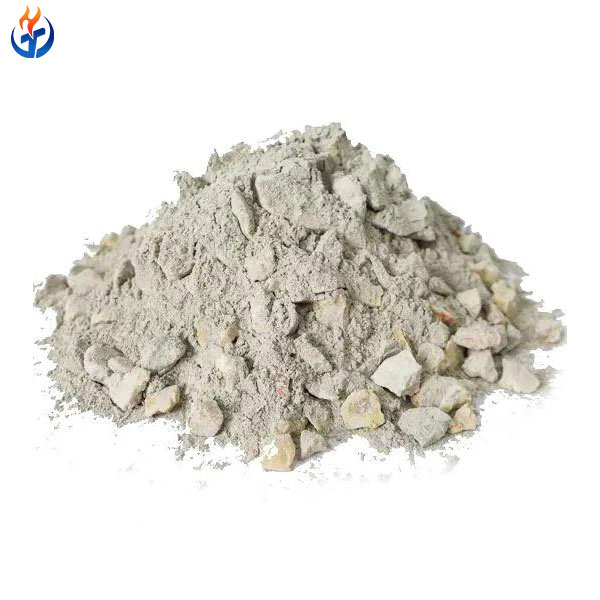
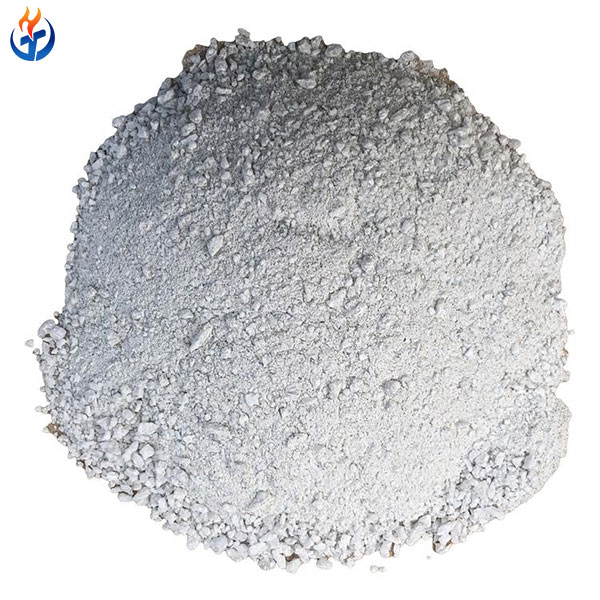
Corundum Low Cement Castables are high-performance monolithic refractory materials developed for high-temperature applications where excellent refractoriness, mechanical strength, abrasion resistance, and chemical stability are required.
The castable is formulated with high-purity corundum aggregates, reactive alumina, calcium aluminate cement, and carefully selected fine powders and additives. Compared with conventional high-cement refractory castables, its reduced cement content and low CaO level help create a denser microstructure with improved high-temperature performance.
The high alumina content provides excellent resistance to thermal degradation, while the corundum aggregate offers outstanding hardness, wear resistance, and resistance to molten materials and aggressive slag. After proper curing, drying, and high-temperature firing, the material develops a strong ceramic bonding structure and maintains good dimensional stability under demanding operating conditions.
Corundum Low Cement Castables can be customized according to operating temperature, installation method, abrasion level, chemical environment, and required physical properties.
Technical Specifications
| tem | Unit | Corundum Low Cement Castables |
|---|---|---|
| Al₂O₃ Content | % | ≥ 85 |
| SiO₂ Content | % | ≤ 10 |
| CaO Content | % | ≤ 2.0 |
| Bulk Density | g/cm³ | ≥ 2.8 |
| Compressive Strength (110℃ × 24h) | MPa | ≥ 50 |
| Compressive Strength (1500℃ × 3h) | MPa | ≥ 80 |
| Flexural Strength (110℃ × 24h) | MPa | ≥ 6 |
| Flexural Strength (1500℃ × 3h) | MPa | ≥ 10 |
| Permanent Linear Change (1500℃ × 3h) | % | ±0.5 |
| Maximum Service Temperature | °C | 1700 |
| Water Addition | % | 5.0–6.0 |
Key Features
High Al₂O₃ content for excellent refractoriness and high-temperature stability
High-purity corundum aggregate for enhanced hardness and wear resistance
Low cement and low CaO content for a dense refractory structure
Excellent hot strength under high-temperature operating conditions
Strong resistance to abrasion and mechanical impact
Good resistance to slag and chemical attack
Low permanent linear change after high-temperature firing
Low porosity and dense microstructure for improved service performance
Excellent thermal stability in demanding furnace environments
Suitable for vibration casting and other monolithic refractory installation methods
Typical Applications
Corundum Low Cement Castables are designed for severe high-temperature environments where conventional refractory castables may experience excessive wear, corrosion, or thermal degradation.
Typical applications include:
Steel industry: furnace linings, ladle linings, impact areas, tapping areas, reheating furnace components, and other high-wear zones
Cement industry: kiln hoods, coolers, preheaters, tertiary air ducts, and areas exposed to high temperature and abrasion
Non-ferrous metallurgy: aluminum, copper, and other non-ferrous metal melting and processing furnaces
Petrochemical industry: high-temperature reactors, reformers, incinerators, and furnace linings
Industrial furnaces: combustion chambers, furnace bottoms, side walls, roofs, and high-temperature processing equipment
Thermal processing equipment: areas requiring high abrasion resistance, dimensional stability, and long-term exposure to elevated temperatures
For applications involving severe chemical attack, molten metal contact, or extreme abrasion, the formulation can be adjusted according to the specific operating conditions.
Production Details
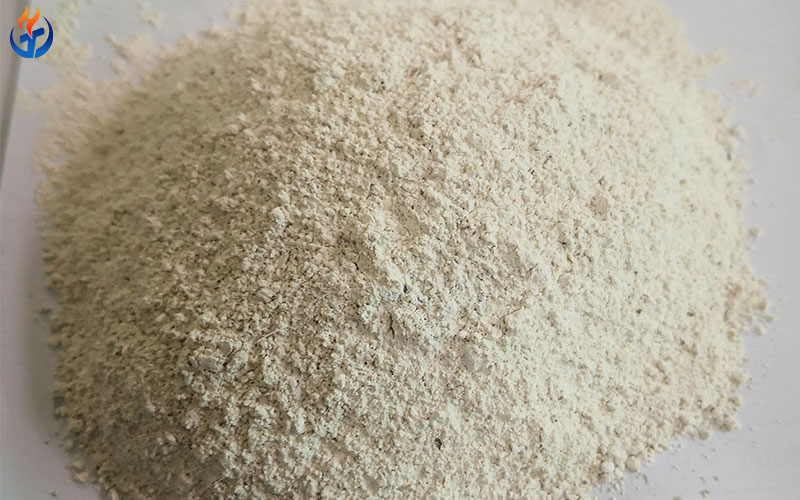
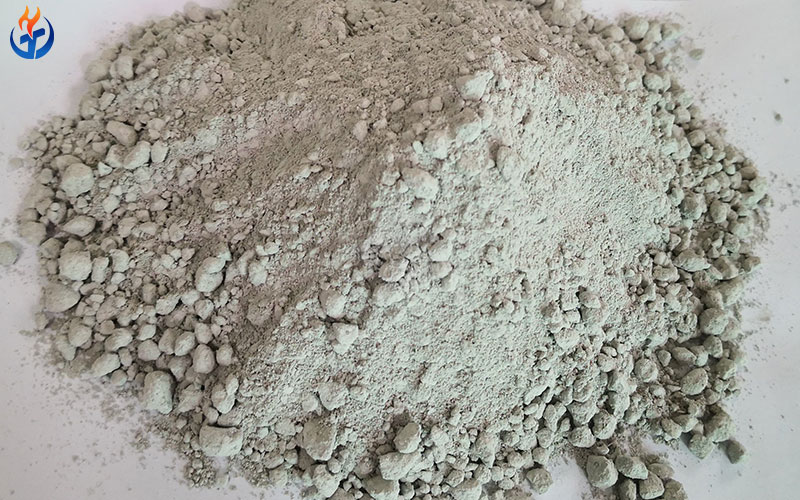
Raw materials: High-purity corundum aggregates, reactive alumina, calcium aluminate cement, fine alumina powder, and performance-enhancing additives
Manufacturing process: Precise raw material batching, controlled particle-size distribution, high-intensity mixing, and strict quality inspection
Quality control: Chemical composition analysis, bulk density testing, compressive and flexural strength testing, permanent linear change testing, and high-temperature performance evaluation
Recommended water addition: 5.0–6.0%
Installation method: Vibration casting, pouring, or other suitable monolithic refractory installation methods
Curing: Follow the specified curing time and temperature before controlled drying
Drying: Gradual and controlled heating is recommended to minimize the risk of steam pressure and cracking
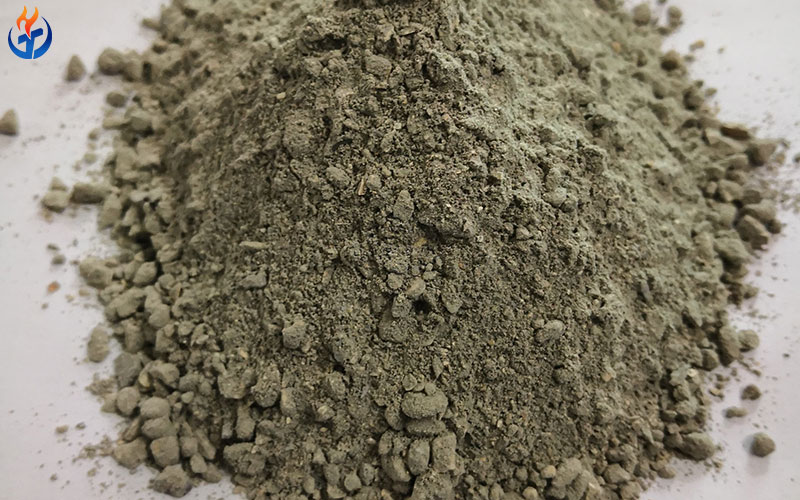
Proper mixing, installation, curing, drying, and heat-up procedures are essential to achieve the designed performance of the castable.
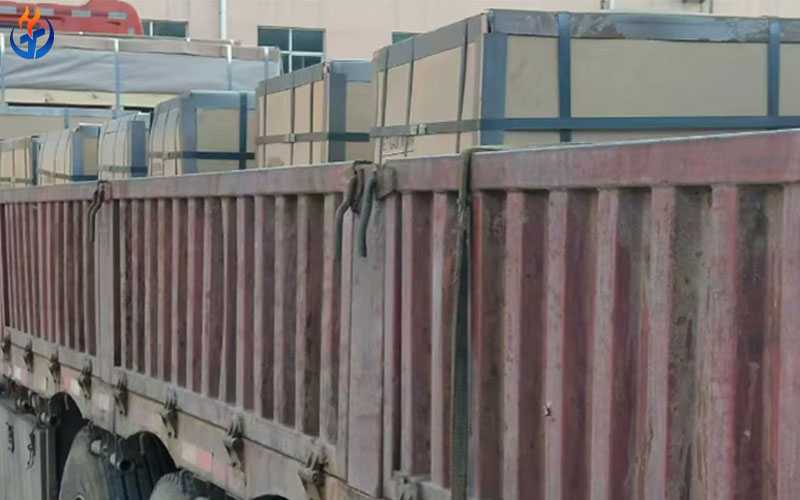
Packing and Shipping Details
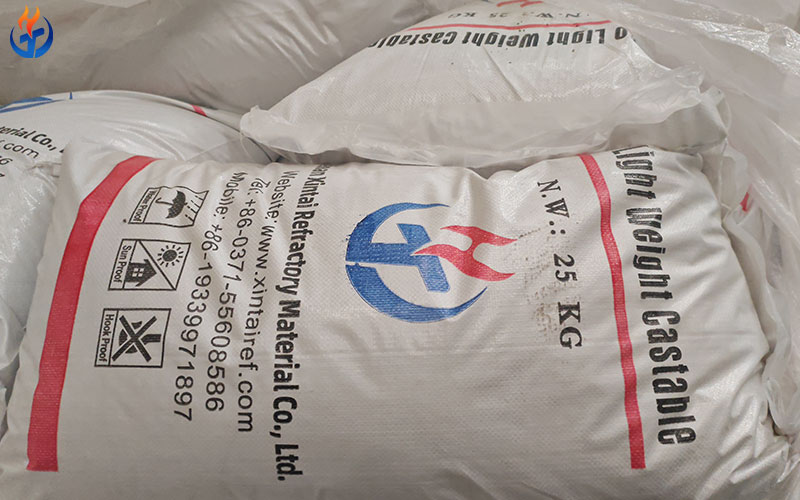
Standard packing: 25 kg moisture-proof paper bags
Bulk option: Jumbo bags available upon request
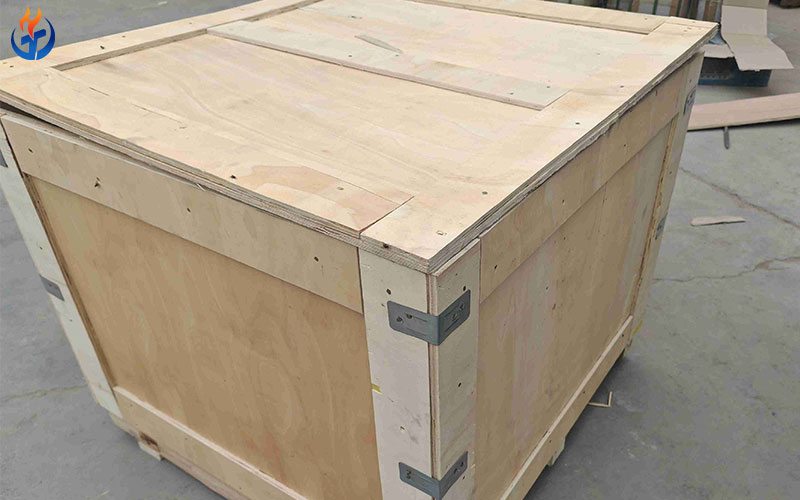
Palletizing: Wooden pallets with protective wrapping
Transportation: Sea freight, road transport, or rail
Storage: Store in a dry, ventilated area and protect from moisture
Shelf life: Follow the recommended storage conditions and manufacturer’s specifications
Frequently Asked Questions (FAQ)
Q1: What are Corundum Low Cement Castables?
Corundum Low Cement Castables are monolithic refractory castables made primarily from high-purity corundum aggregates and fine alumina materials with a low amount of calcium aluminate cement. They are designed for high-temperature applications requiring high strength, abrasion resistance, and chemical stability.
Q2: What is the main advantage of Corundum Low Cement Castables?
Their combination of high alumina content, corundum aggregate, low cement content, and dense microstructure provides excellent high-temperature strength, abrasion resistance, and resistance to chemical attack.
Q3. What temperature can Corundum Low Cement Castables withstand?
Depending on the formulation and operating conditions, Corundum Low Cement Castables can be designed for service temperatures of up to approximately 1700°C. The actual maximum operating temperature depends on furnace atmosphere, mechanical load, chemical exposure, installation quality, and heating conditions.
Q4: How much water is required for mixing?
A typical water addition range is approximately 5.0–6.0%, but the exact amount should follow the product specification and installation requirements. Excessive water can increase porosity and negatively affect the final refractory properties.
Q5: Can Corundum Low Cement Castables be customized?
Yes. The formulation can be adjusted according to the required Al₂O₃ content, operating temperature, abrasion resistance, bulk density, strength, installation method, and chemical environment.
Q6: How should Corundum Low Cement Castables be installed?
They can generally be installed by vibration casting or pouring. Proper mixing, placement, vibration, curing, drying, and controlled heating are important for achieving a dense and stable refractory lining.