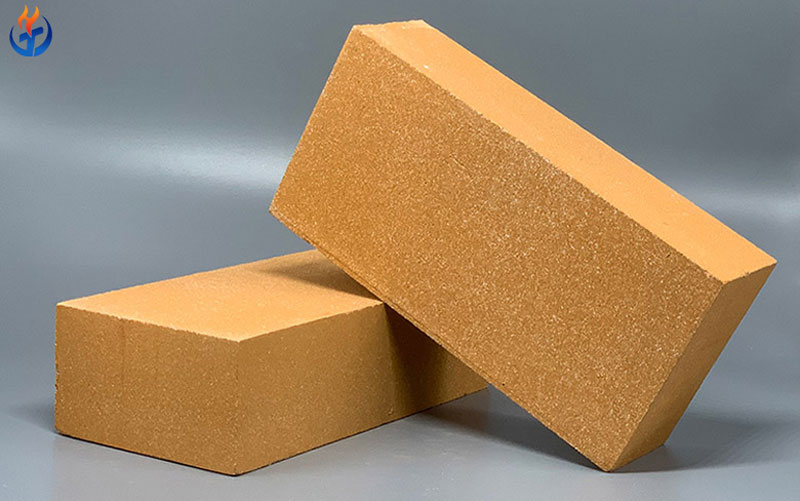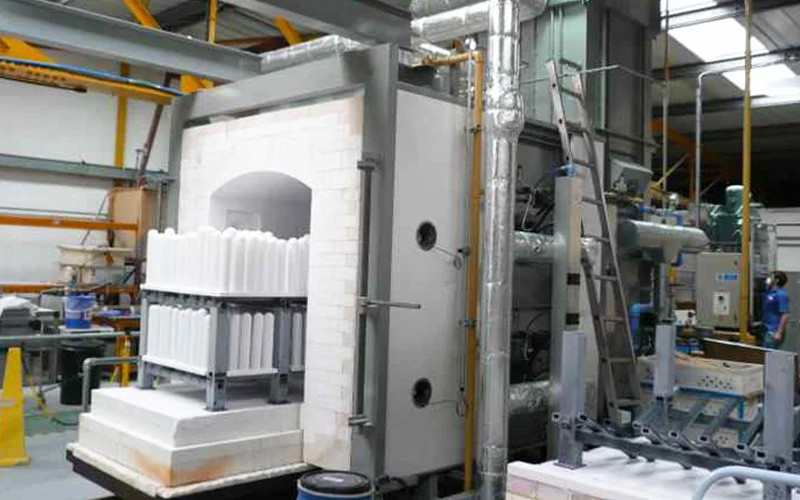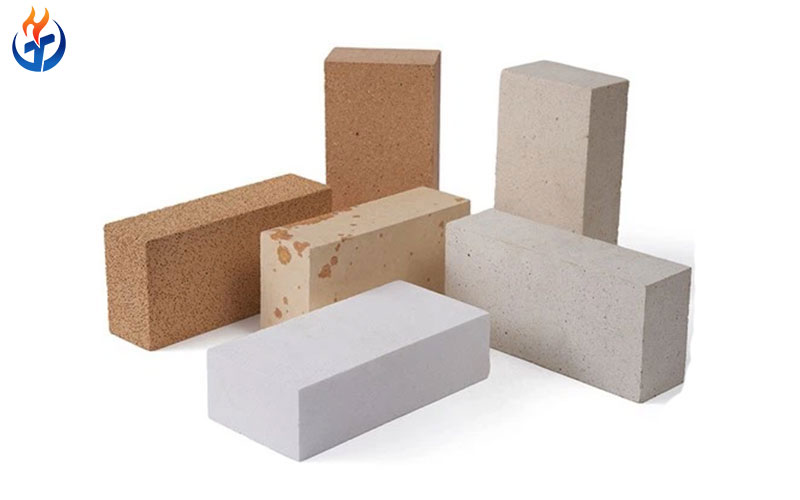
In high-temperature industrial systems, furnace lining materials play a decisive role in operational safety, energy efficiency, and service life. Among all monolithic refractory materials, refractory castables are widely used due to their flexibility, strong adaptability, and ease of installation. Understanding their classifications helps engineers and buyers choose the right material for different working conditions.
This article provides a structured overview of the main types of refractory castables and explains their key performance characteristics and application scenarios.
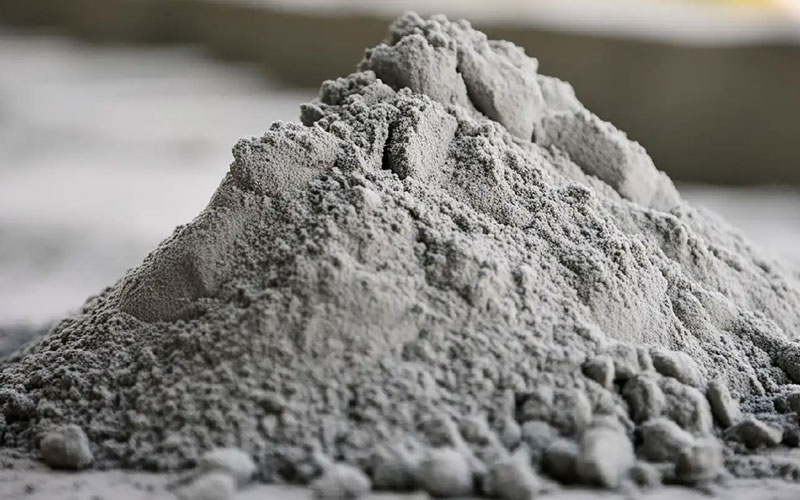
Overview of Refractory Castables
Refractory castables are unshaped refractory materials composed of refractory aggregates, powders, binders, and additives. Unlike pre-formed bricks, they are supplied in loose form and must be mixed with water (or other liquids) before installation.
After casting, vibration, and curing, they harden into a solid monolithic lining. They are widely used in:
- Steel and metallurgical furnaces
- Cement rotary kilns
- Glass melting furnaces
- Non-ferrous metal smelting equipment
- Power plant boilers
- Petrochemical thermal units
Their advantages include:
- Strong adaptability to complex structures
- Seamless lining with fewer joints
- Good thermal shock resistance
- Flexible formulation for different environments
The classification of refractory castables is mainly based on chemical composition and bonding system, which directly determines performance and application range.
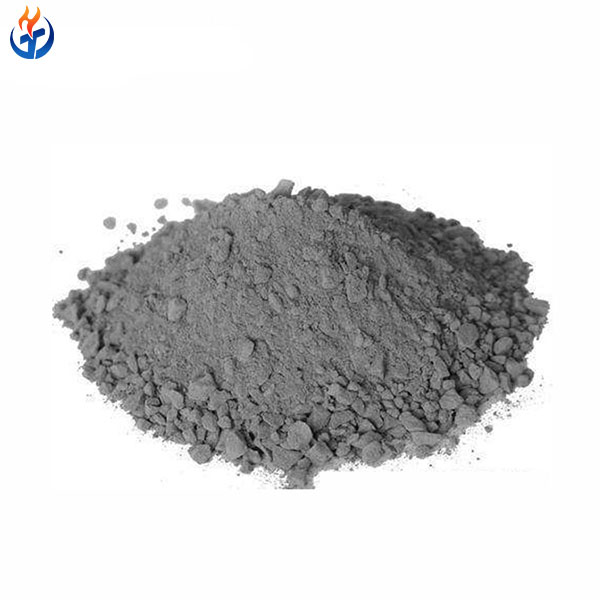
High-Alumina Refractory Castables
High-alumina castables are one of the most commonly used types in industrial applications.
Key Characteristics
- High Al₂O₃ content (typically above 48%)
- Excellent mechanical strength
- Good thermal shock resistance
- Strong abrasion resistance
Performance Range
- Working temperature: 1300°C–1600°C (depending on grade)
Application Areas
- Rotary kilns in cement industry
- Boiler linings in power plants
- Furnace walls in metallurgical systems
- Heating furnace linings
Functional Advantages
High-alumina castables offer a balanced combination of strength and heat resistance. They perform reliably under medium to high-temperature conditions and are considered a standard choice for general furnace linings.
Corundum Refractory Castables
Corundum castables are high-performance materials designed for extreme operating conditions.
Key Characteristics
- Extremely high hardness
- Very high Al₂O₃ purity (often >90%)
- Excellent resistance to chemical corrosion
- Superior wear resistance
Performance Range
- Working temperature: up to 1800°C or higher
Application Areas
- Molten metal contact zones
- Ladles and tundishes
- High-temperature reaction furnaces
- Severe abrasion and erosion environments
Functional Advantages
Corundum castables are ideal for extreme environments where both temperature and corrosion levels are very high. They are commonly used in critical furnace zones that experience direct contact with molten materials.
Silicon Refractory Castables
Silicon-based castables are designed primarily for acidic environments and glass-related industries.
Key Characteristics
- High SiO₂ content
- Excellent resistance to acidic slags and gases
- Stable performance under oxidizing conditions
- Moderate mechanical strength compared to alumina-based types
Performance Range
- Suitable for medium to high temperatures depending on formulation
Application Areas
- Glass furnace linings
- Chimneys and flue systems
- Acidic industrial environments
- Non-basic slag conditions
Functional Advantages
These materials are especially effective where acidic corrosion is the dominant failure mechanism. They are widely used in glass manufacturing due to their stability in silica-rich environments.
Magnesia Refractory Castables
Magnesia castables are basic refractory materials primarily used in steelmaking environments.
Key Characteristics
- High MgO content
- Strong resistance to basic slags
- Good performance in sulfur-containing atmospheres
- High refractoriness under load
Performance Range
- High-temperature stability above 1600°C in many cases
Application Areas
- Steel refining furnaces
- Desulfurization units
- Ladle linings
- Cement kiln transition zones (in some cases)
Functional Advantages
Magnesia castables are particularly effective in alkaline and reducing atmospheres. Their resistance to basic slag attack makes them essential in modern steel production processes.
Lightweight Insulating Refractory Castables
Unlike dense castables, lightweight insulating castable types are designed to reduce heat loss rather than withstand extreme wear.
Key Characteristics
- Low thermal conductivity
- Lightweight structure
- Good thermal insulation performance
- Lower mechanical strength compared to dense castables
Performance Range
- Typically used below high abrasion zones
- Operating temperatures vary widely based on formulation
Application Areas
- Furnace backup insulation layers
- Boiler insulation sections
- Kiln outer linings
- Energy-saving thermal systems
Functional Advantages
The main purpose of insulating castables is energy efficiency. By reducing heat loss, they significantly improve furnace thermal performance and reduce fuel consumption.
Low-Cement and Ultra-Low Cement Castables (LCC / ULCC)
Low-cement castables technology represents a major advancement in refractory material design.
Key Characteristics
- Reduced calcium oxide (CaO) content
- Dense microstructure
- High strength and low porosity
- Excellent wear and corrosion resistance
Performance Range
- High-temperature applications up to 1700°C+ depending on formulation
Application Areas
- Steel ladles
- Blast furnace troughs
- High-temperature industrial reactors
- Severe erosion environments
Functional Advantages
By minimizing cement content, these castables reduce the formation of low-melting phases, improving high-temperature stability and corrosion resistance.
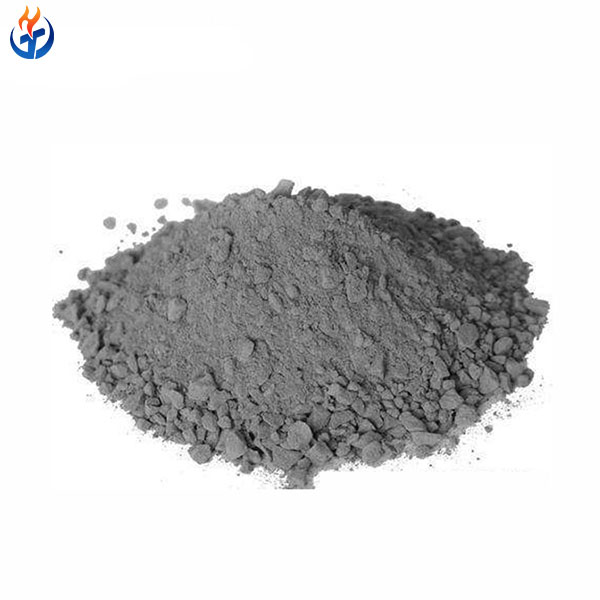
Selection of Refractory Castables Based on Working Conditions
Choosing the right type of refractory castable requires a systematic evaluation of operating conditions rather than focusing on a single parameter.
1. Temperature Requirements
The material must withstand operating temperatures with a sufficient safety margin. Higher temperatures require corundum or ultra-low cement systems.
2. Chemical Environment
Understanding whether the furnace atmosphere is acidic, basic, or neutral is essential.
- Acidic → silicon-based castables
- Basic → magnesia-based castables
- Neutral → alumina or corundum types
3. Thermal Shock Conditions
Furnaces with frequent heating and cooling cycles require materials with strong thermal shock resistance, such as high-alumina or specially formulated low-cement castables.
4. Mechanical Wear
High-erosion zones require dense, high-strength materials like corundum or low-cement castables.
5. Construction Conditions
Workability, curing time, and installation methods should match on-site construction capabilities to ensure quality performance.
6. Cost and Service Life Balance
While high-end castables offer superior performance, the total lifecycle cost must be evaluated, including installation, maintenance, and replacement frequency.
Conclusion
Refractory castables are a diverse group of materials designed to meet the complex demands of modern high-temperature industries. Their classification mainly includes high-alumina, corundum, silicon-based, magnesia-based, insulating, and low-cement types, each tailored for specific operating environments.
Proper selection requires a comprehensive understanding of temperature conditions, chemical exposure, mechanical stress, and construction requirements. At the same time, formulation principles such as particle grading and binder optimization play a critical role in ensuring performance stability.
In industrial furnace applications, choosing the right refractory castable is not just a material decision—it is a strategic factor that directly influences equipment lifespan, energy efficiency, and operational safety.