Refractory materials play a critical role in industries that operate under extremely high temperatures. From steel plants and cement kilns to glass furnaces and power generation boilers, these materials are essential for protecting equipment from heat, abrasion, thermal shock, and chemical attack.
Among the many refractory products available on the market, refractory castables and refractory cement are two terms that are frequently mentioned. Because both materials are used in furnace construction and repair, many people mistakenly believe they are the same product. In reality, they serve different purposes and possess distinct characteristics.
Understanding the differences between refractory castables and refractory cement is crucial for selecting the right material for your high-temperature application. This article explores their composition, properties, applications, advantages, disadvantages, and key selection factors.
What Is Refractory Castable?
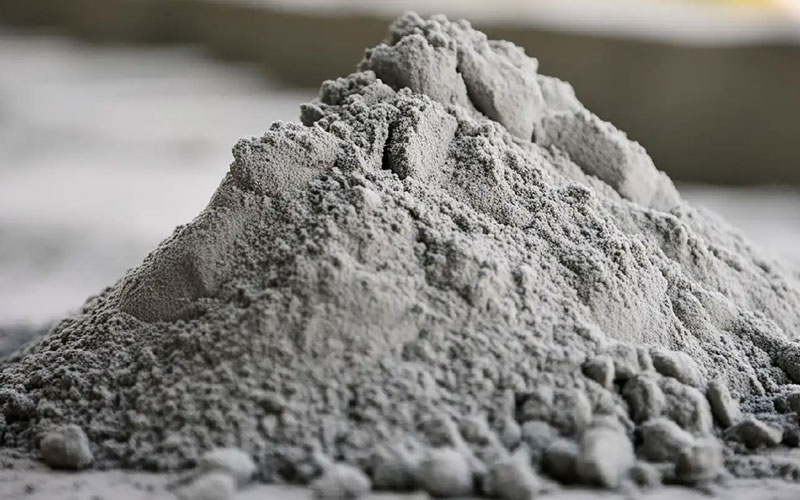
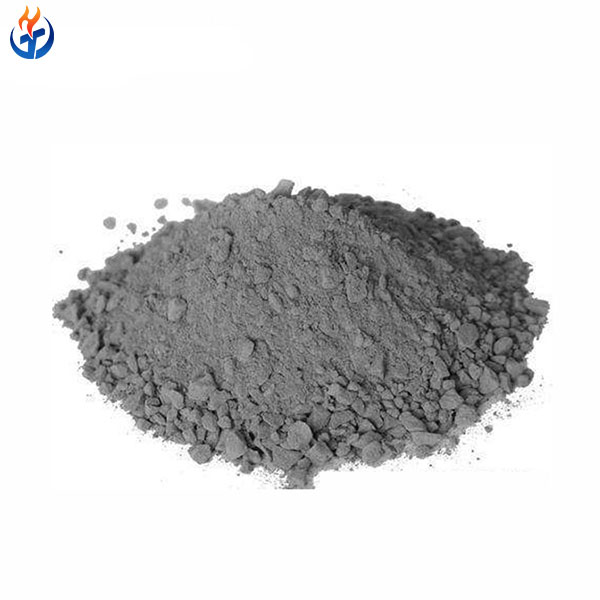
Refractory castable is an unshaped refractory material composed of refractory aggregates, refractory powders, binders, and various additives. It is supplied in dry form and mixed with water before installation.
Once mixed, the material can be poured, vibrated, pumped, or cast into place. After curing and firing, it forms a dense and durable refractory lining capable of withstanding high temperatures and harsh operating conditions.
Main Components of Refractory Castables
Typical refractory castables contain:
- Refractory aggregates such as bauxite, corundum, mullite, silicon carbide, or alumina
- Fine refractory powders
- Calcium aluminate cement or alternative binders
- Dispersants and additives
- Fibers for thermal shock resistance
Characteristics of Refractory Castables
- High refractoriness
- Excellent mechanical strength
- Good abrasion resistance
- Strong thermal shock resistance
- Excellent resistance to slag and chemical attack
- Flexible installation methods
- Suitable for complex furnace structures
Depending on the application, refractory castables can be classified into:
- Low-cement castables
- Ultra-low cement castables
- No-cement castables
- Insulating castables
- Wear-resistant castables
- Self-flow castables
- Quick-drying castables
These products are widely used as complete furnace linings in high-temperature industrial equipment.
What Is Refractory Cement?
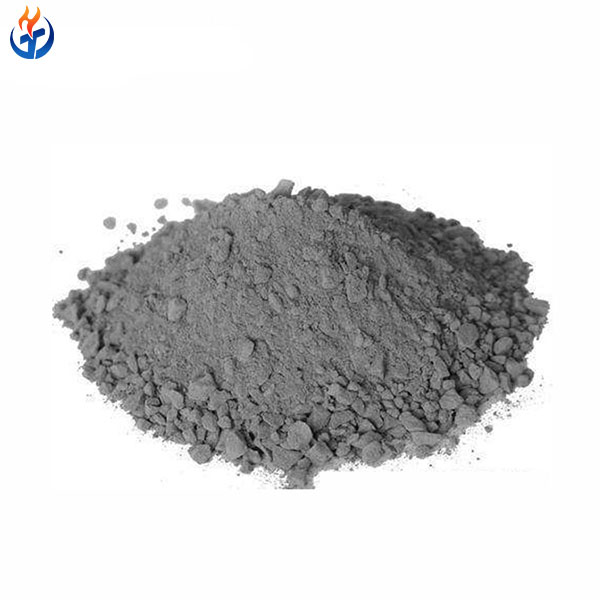
Refractory cement, also known as calcium aluminate cement or high-alumina cement, is a hydraulic binder specifically designed for high-temperature applications.
Unlike refractory castables, refractory cement is not generally used alone as the primary lining material. Instead, it functions mainly as a binding agent within refractory formulations.
Main Components of Refractory Cement
The primary ingredients include:
- Calcium aluminate compounds
- Alumina-rich minerals
- High-purity raw materials
The alumina content can vary significantly depending on the grade, typically ranging from 40% to over 80%.
Characteristics of Refractory Cement
- Rapid setting and hardening
- High early strength
- Good heat resistance
- Strong bonding capability
- Excellent workability when mixed
Refractory cement can be used:
- As a binder in refractory castables
- For masonry work
- For patching and repair applications
- For producing custom refractory mixes
Key Differences Between Refractory Castables and Refractory Cement
Although the two materials are closely related, they differ in several important aspects.
1. Composition
Refractory Castable
A complete refractory lining material consisting of:
- Aggregates
- Powders
- Binders
- Additives
It is designed to function as a standalone refractory product.
Refractory Cement
Primarily a binding material made from calcium aluminate compounds.
It usually serves as one component within a refractory system.
2. Function
Refractory Castable
The main purpose is to create a durable, heat-resistant lining capable of enduring mechanical wear, thermal cycling, and chemical attack.
Refractory Cement
Its primary role is to bind refractory particles together and provide strength to the finished refractory structure.
3. Mechanical Strength
Refractory castables generally provide much higher mechanical strength because they contain carefully graded aggregates and engineered formulations.
Refractory cement alone cannot match the structural performance of a properly designed castable.
4. Heat Resistance
Both materials exhibit excellent heat resistance. However, refractory castables often achieve significantly higher service temperatures due to their specialized aggregate composition.
For example:
- Standard refractory cement may operate up to approximately 1400°C–1600°C.
- High-performance refractory castables can withstand temperatures exceeding 1700°C.
The actual service temperature depends on the specific product formulation.
5. Installation Method
Refractory Castable
Installed by:
- Casting
- Pouring
- Vibrating
- Pumping
- Gunning
After installation, the material undergoes curing and controlled drying.
Refractory Cement
Typically mixed with refractory aggregates or bricks during:
- Bricklaying
- Joint filling
- Small repairs
- Maintenance work
6. Application Scope
Refractory castables are commonly used for:
- Blast furnace linings
- Steel ladles
- Tundishes
- Rotary kilns
- Glass furnaces
- Cement kilns
- Incinerators
- Fluidized bed boilers
Refractory cement is commonly used for:
- Brick joint mortars
- Repair materials
- Binder systems
- Small-scale furnace construction
7. Cost Considerations
Refractory cement itself may appear less expensive per unit weight. However, it is only one ingredient in a refractory system.
Refractory castables offer a complete engineered solution and generally provide better long-term performance, which often results in lower maintenance and replacement costs.
Advantages of Refractory Castables
Easy Installation
Unlike traditional refractory bricks, castables can be installed into complex shapes and irregular structures.
Reduced Construction Time
Large areas can be cast quickly, reducing furnace downtime.
Superior Wear Resistance
High-quality castables perform exceptionally well in environments with abrasive particles and high-velocity gas flow.
Fewer Joints
Monolithic construction minimizes joints, which are often weak points in refractory linings.
Better Structural Integrity
Continuous linings provide improved resistance to thermal stress and mechanical loading.
Advantages of Refractory Cement
Fast Strength Development
Many refractory cements gain strength rapidly, making them suitable for emergency repairs.
Excellent Bonding
They provide strong adhesion between refractory materials.
Versatility
Refractory cement can be combined with different aggregates to create customized refractory mixes.
Convenient for Repairs
Small damaged areas can often be repaired quickly using refractory cement-based mixtures.
When Should You Use Refractory Castables?
Refractory castables are the preferred choice when:
- Constructing a new furnace lining
- Requiring high abrasion resistance
- Operating under severe thermal shock conditions
- Handling molten metal or slag
- Building large monolithic structures
- Seeking long service life
Industries commonly using refractory castables include:
- Steel manufacturing
- Cement production
- Power generation
- Petrochemical processing
- Waste incineration
- Glass manufacturing
When Should You Use Refractory Cement?
Refractory cement is more suitable when:
- Laying refractory bricks
- Filling joints between refractory units
- Performing localized repairs
- Producing custom refractory mixtures
- Conducting emergency maintenance work
It is often selected for smaller projects where a complete castable lining is unnecessary.
Factors to Consider When Choosing Between Refractory Castables and Refractory Cement
Before selecting a material, evaluate:
Operating Temperature
Higher temperatures may require advanced castable formulations.
Mechanical Wear
Applications involving abrasion often favor wear-resistant castables.
Chemical Exposure
Slag, alkalis, acids, and other chemicals influence material selection.
Installation Requirements
Complex shapes typically benefit from castable construction.
Maintenance Strategy
Routine repairs may rely more heavily on refractory cement products.
Budget and Lifecycle Cost
The cheapest material is not always the most economical over the equipment’s service life.
Conclusion
Although refractory castables and refractory cement are closely related, they serve fundamentally different purposes. Refractory castables are complete monolithic refractory materials designed to form durable furnace linings, while refractory cement primarily acts as a high-temperature binder used in refractory systems, bricklaying, and repair work.
For large-scale industrial furnaces, kilns, boilers, and metallurgical equipment, refractory castables generally provide superior strength, wear resistance, thermal shock resistance, and overall service life. Refractory cement remains an indispensable material for bonding, patching, and specialized refractory formulations.
By understanding the differences between these two products, engineers, maintenance teams, and purchasing professionals can make informed decisions that improve equipment reliability, reduce downtime, and maximize refractory performance in high-temperature environments.