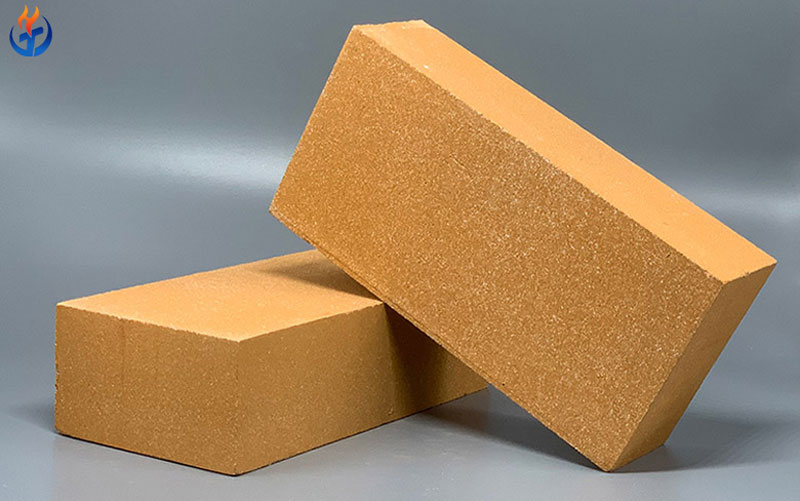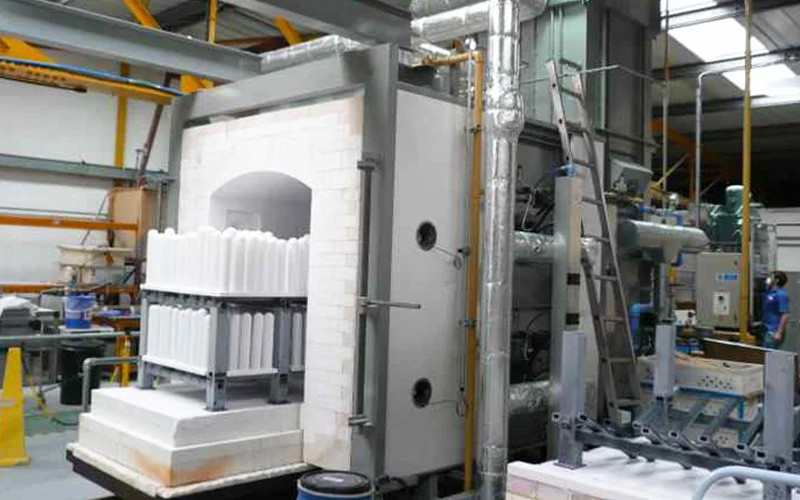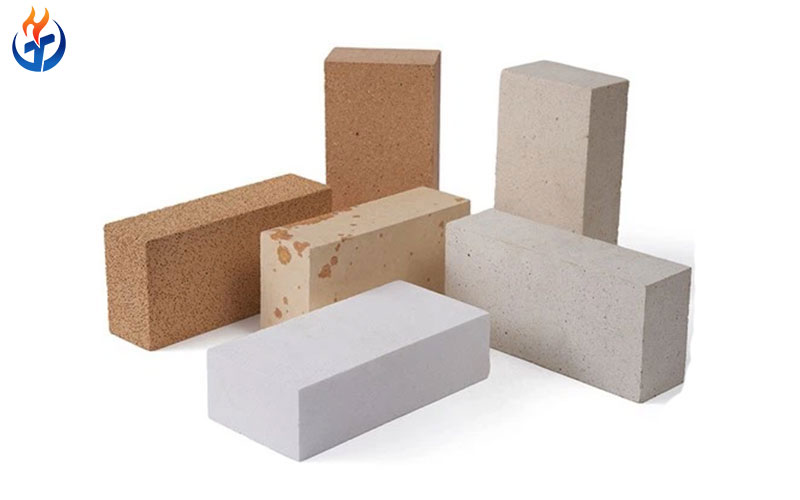
Boiler furnace castables are important refractory materials used to protect furnace walls, combustion zones, burners, and other high-temperature components from heat, abrasion, thermal shock, and chemical attack. Selecting the right boiler furnace castables is essential for maintaining refractory lining integrity and supporting stable boiler operation.
Different boiler designs and operating conditions require different refractory materials. Temperature, fuel type, gas velocity, ash composition, abrasion intensity, thermal cycling, and insulation requirements can all influence material selection. Common types include high alumina castables, corundum castables, silicon carbide castables, and lightweight castables.
Understanding the characteristics and application areas of these materials helps plant operators and refractory engineers choose an appropriate lining system for each furnace zone.
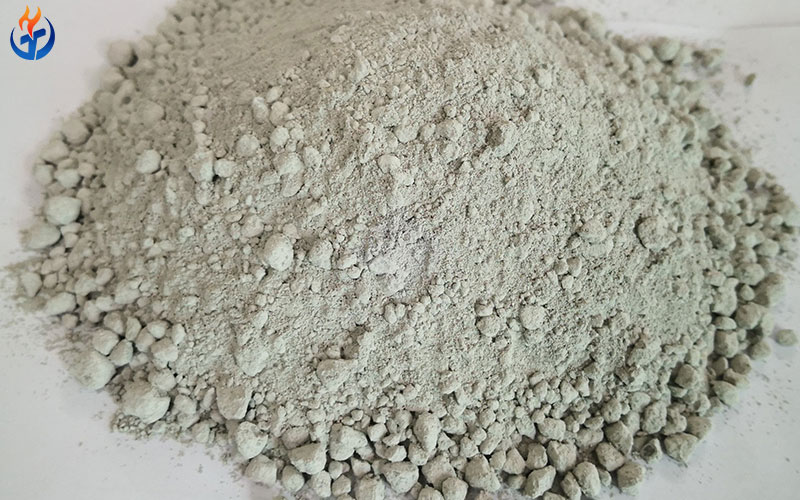
High Alumina Castables
High alumina castables are among the most commonly used refractory materials for high-temperature boiler applications. They are formulated with high-alumina aggregates, fine powders, binders, and selected additives to provide good refractoriness and mechanical strength.
The relatively high Al₂O₃ content gives these castables good resistance to elevated temperatures. They can maintain structural stability in furnace areas exposed to continuous heating and combustion gases.
High alumina castables are particularly suitable for general high-temperature zones where severe abrasion or chemical attack is not the dominant failure mechanism. They can be used for furnace walls, burner surroundings, roof sections, and other refractory components according to the specific boiler design.
Another advantage is their versatility. Different grades can be formulated with varying alumina content, density, strength, and thermal properties. This allows the refractory lining to be matched to different operating temperatures and mechanical requirements.
However, high alumina content alone does not determine suitability. If a furnace area experiences severe erosion, strong slag attack, or frequent thermal cycling, a more specialized castable may provide better performance.
Corundum Castables
Corundum castables are designed for areas requiring particularly high refractoriness, abrasion resistance, and resistance to chemical attack. Corundum, mainly composed of alumina, has excellent hardness and high-temperature stability.
In boiler systems, Corundum Castables can be considered for areas exposed to intense wear, high-temperature gas flow, or abrasive particles. Examples may include zones near fuel injection, burner areas, impact regions, and other locations where refractory surfaces are continuously exposed to high-velocity combustion gases or solid particles.
The dense structure of a properly designed corundum castable can also help reduce the penetration of corrosive substances. This can be beneficial when the refractory lining comes into contact with ash, slag, or aggressive combustion products.
Corundum can also be combined with a low-cement bonding system. Corundum Low Cement Castables can provide a combination of high alumina content, low cement content, dense microstructure, and good hot strength. These characteristics make them suitable for demanding furnace sections where both temperature resistance and mechanical durability are required.
The final formulation should be selected according to operating temperature, abrasion intensity, ash chemistry, and installation requirements.
Silicon Carbide Castables
Silicon carbide castables are another important option for boiler furnace applications. Silicon carbide has high thermal conductivity, good thermal shock resistance, and strong resistance to abrasion.
These characteristics make silicon carbide-based castables useful in areas subjected to rapid temperature changes or severe mechanical wear. Compared with some conventional alumina-based materials, silicon carbide can transfer heat more efficiently, which may be beneficial in specific furnace designs.
Silicon carbide castables are often considered for areas where high-velocity gases and abrasive particles can erode the refractory surface. They may also be suitable for sections exposed to repeated heating and cooling cycles.
However, silicon carbide materials must be selected according to the atmosphere and chemical environment. Their performance can vary depending on oxidation conditions and interactions with ash or other furnace deposits. Therefore, the refractory composition should be matched to the actual operating environment rather than selected solely because of its thermal conductivity or abrasion resistance.
Lightweight Castables
Lightweight castables serve a different purpose from dense wear-resistant refractory castables. Their primary function is thermal insulation and reduction of heat loss.
These materials generally have lower bulk density and higher porosity than dense castables. As a result, they provide lower thermal conductivity and can help reduce heat transfer through the furnace wall.
Lightweight castables are commonly used in insulating layers or areas where direct exposure to severe abrasion and mechanical impact is limited. They can be installed behind a dense hot-face refractory lining as part of a multi-layer furnace wall construction.
Because lightweight castables have a more porous structure, they generally should not be selected for locations that experience direct high-velocity particle erosion or severe mechanical impact. Their main value is thermal insulation rather than maximum wear resistance.
Selecting Castables for Different Boiler Furnace Zones
The selection of boiler furnace castables should be based on the specific conditions of each furnace zone.
High-Temperature Zones
Areas close to burners and combustion chambers experience high temperatures and intense heat radiation. High alumina or corundum castables can be considered when high refractoriness and hot strength are required.
For especially demanding locations, low-cement or ultra-low-cement formulations may provide a denser structure and improved high-temperature performance.
High-Wear Zones
Fuel particles, ash, and high-velocity gases can create significant erosion in certain furnace areas. Burner surroundings, fuel injection zones, and impact areas may therefore require castables with high abrasion resistance.
Corundum and silicon carbide castables are potential choices for these conditions because of their hardness and resistance to mechanical wear.
The particle velocity, particle size, operating temperature, and ash characteristics should all be considered when selecting the refractory.
Areas with Thermal Cycling
Boilers can experience repeated startup, shutdown, load changes, and temperature fluctuations. These conditions can generate thermal stresses inside refractory linings.
Silicon carbide castables can be considered for selected areas where thermal shock resistance is important. However, the complete refractory structure, including expansion joints, anchoring, installation quality, and heating procedure, also affects thermal shock performance.
Insulation Layers
For the outer or intermediate layers of a furnace wall, lightweight castables can help reduce heat transfer and improve overall thermal efficiency.
A common refractory lining design may combine a dense hot-face castable with an insulating refractory layer. The dense layer provides protection against temperature, abrasion, and chemical attack, while the lightweight layer reduces heat loss.
Key Factors When Choosing Boiler Furnace Castables
Several factors should be evaluated before selecting a specific castable grade.
Operating temperature determines the required refractoriness and high-temperature strength.
Abrasion intensity is important in areas exposed to fuel particles, ash, or high-speed gases.
Chemical exposure should be considered when the furnace contains corrosive ash, slag, or combustion gases.
Thermal cycling affects the required thermal shock resistance and installation design.
Thermal insulation requirements determine whether a dense refractory, lightweight castable, or multi-layer lining system is appropriate.
Water addition and installation method are also important. Excessive mixing water can increase porosity and reduce mechanical strength, while insufficient mixing or inadequate vibration can create internal voids. Proper curing, drying, and controlled heating are therefore essential for achieving the expected service performance.
Conclusion
Boiler furnace castables can be divided into several major categories according to their composition and performance requirements. High alumina castables provide reliable high-temperature performance for general furnace areas, while corundum castables are suitable for demanding zones requiring high refractoriness and abrasion resistance. Silicon carbide castables offer useful thermal shock and wear resistance, while lightweight castables are primarily used for thermal insulation.
There is no single castable that is suitable for every part of a boiler furnace. The correct selection should consider temperature, abrasion, chemical attack, thermal cycling, gas velocity, fuel characteristics, and insulation requirements. By matching the refractory composition and structure to each furnace zone, operators can improve lining stability and support reliable long-term boiler operation.