When sourcing refractory materials for industrial furnaces, kilns, heating chambers, and other high-temperature equipment, buyers need to consider both the material properties and the physical shape of the bricks. The shapes of high alumina bricks determine how refractory materials can be arranged within a furnace structure and whether they can properly fit flat walls, curved sections, arches, corners, openings, and other special areas.
High alumina bricks are available in several standard and customized shapes. Straight bricks are commonly used for flat surfaces, while wedge bricks are suitable for curved structures. Arch bricks and arch foot bricks are designed for furnace roofs and supporting sections, while special-shaped bricks can be manufactured according to specific equipment designs.
Understanding these different shapes can help importers, distributors, furnace manufacturers, and industrial users select the appropriate refractory products for their projects.
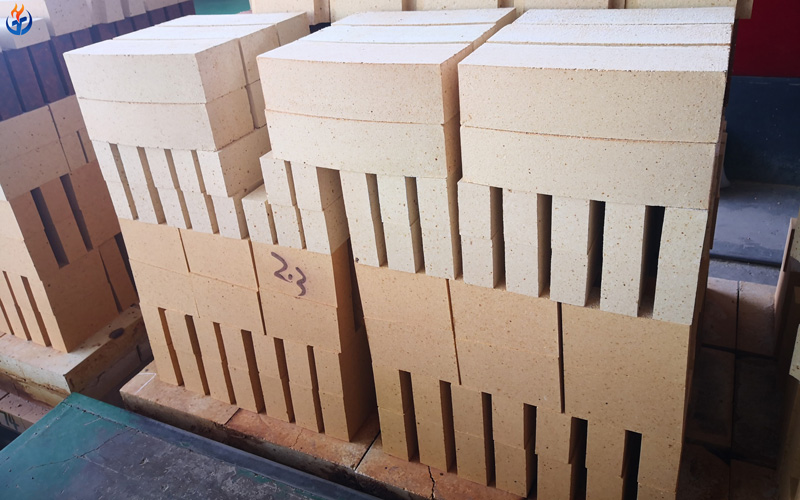
1. High Alumina Straight Bricks
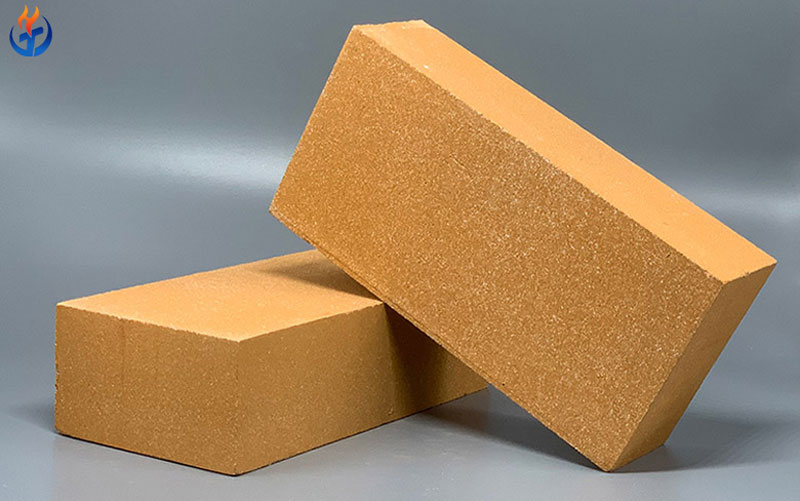
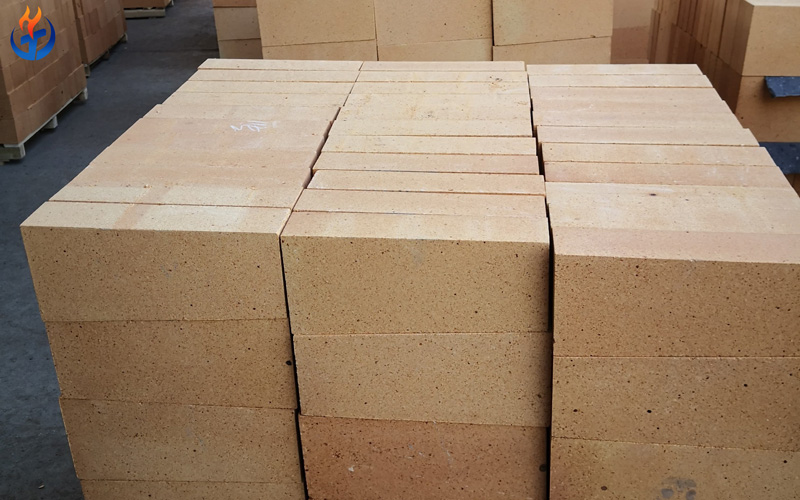
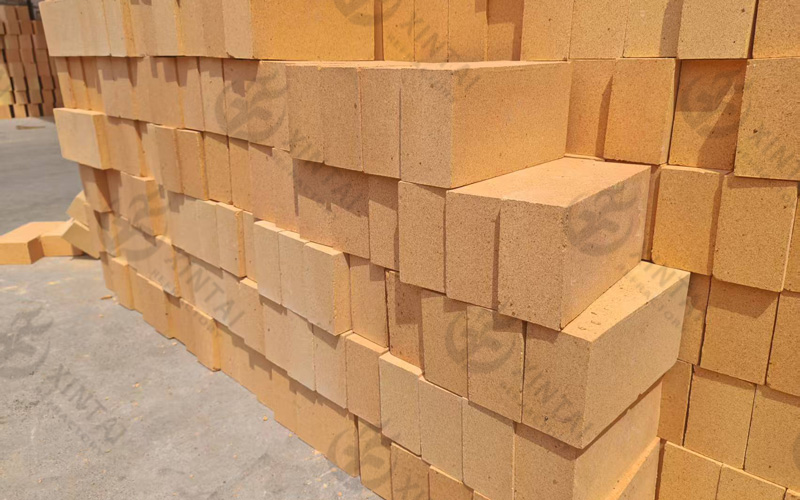
High alumina straight bricks are the most common shape used in refractory construction. They normally have a rectangular structure with relatively flat surfaces and right-angle edges.
Because of their regular geometry, straight bricks are suitable for building flat refractory linings. Typical applications include furnace walls, kiln walls, furnace floors, heating chambers, and other areas with relatively simple structures.
Common dimensions may include 230 × 114 × 65 mm and 230 × 114 × 75 mm, although manufacturers can also produce other sizes according to project requirements.
When purchasing straight high alumina bricks, buyers should consider more than length, width, and thickness. Alumina content, bulk density, apparent porosity, cold crushing strength, refractoriness, and dimensional tolerance may also need to be specified.
For standard furnace construction, straight bricks can provide a convenient solution because their regular shape simplifies transportation, arrangement, and installation.
2. High Alumina Wedge Bricks
Wedge bricks have a tapered geometry instead of the rectangular shape of straight bricks. Their width or thickness gradually changes from one end to the other.
This shape allows multiple bricks to be arranged together to form curved or circular structures. Therefore, wedge bricks are frequently used in furnace linings that cannot be constructed effectively with standard rectangular bricks.
Depending on the design, wedge bricks can include different forms such as side wedge bricks, end wedge bricks, tapered bricks, and radial wedge bricks.
The specific wedge shape should be selected according to the required curvature and installation position. For example, a brick intended for a circular furnace wall may require a different taper from one used in another curved section.
When ordering high alumina wedge bricks, buyers should provide detailed dimensions and, where possible, drawings. The required radius, angle, brick length, width, and thickness can all influence the final design.
3. High Alumina Arch Bricks
High alumina arch bricks are designed for curved or arched refractory structures. They are commonly used in furnace roofs, kiln roofs, heating chambers, and other applications where refractory bricks need to form an arch.
An arch is normally constructed by arranging multiple bricks together. Each brick must have a suitable geometry so that the individual pieces can fit together and form a stable structure.
The required shape of an arch brick depends on the furnace diameter, radius, arch angle, and overall construction design. Consequently, arch bricks are often available in multiple dimensions and configurations rather than one universal size.
Before purchasing arch bricks, buyers should ideally provide the furnace dimensions and structural drawings. This information allows the refractory manufacturer to determine the appropriate shape and quantity.
Correct brick geometry is especially important for arch construction because poorly matched bricks can create excessive gaps or installation difficulties.
4. High Alumina Arch Foot Bricks
Arch foot bricks are another important shape among high alumina refractory products. They are positioned at the lower ends of an arch, where the arch connects with the vertical furnace wall.
Unlike ordinary straight bricks, arch foot bricks have a special geometry designed to accommodate the transition between the vertical wall and the curved arch.
The shape and dimensions of these bricks depend on the furnace design. Their position also means that accurate dimensions are important during installation.
For customized arch structures, manufacturers may require a technical drawing showing the furnace wall, arch radius, brick arrangement, and supporting structure.
When purchasing arch foot bricks, buyers should not select a size simply based on the general dimensions of the furnace. The exact position and connection with adjacent refractory bricks should also be considered.
5. High Alumina Special-Shaped Bricks
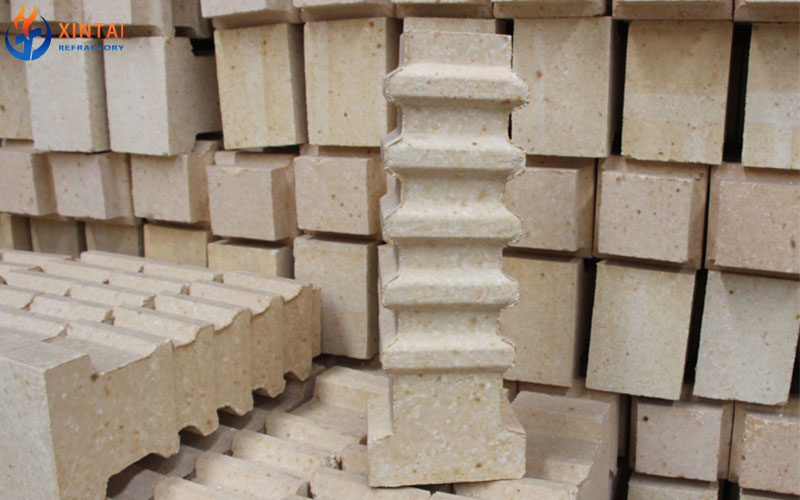
Industrial furnaces often contain areas that cannot be properly constructed using standard straight, wedge, or arch bricks. These areas may include furnace doors, corners, inspection openings, burner positions, channels, pipes, and other complicated structures.
For these applications, high alumina special-shaped bricks can be produced according to the required design.
Special-shaped bricks may include:
L-shaped bricks
T-shaped bricks
U-shaped bricks
Grooved bricks
Hole bricks
Corner bricks
Furnace door bricks
Pipe bricks
Customized refractory components
The actual shape depends on the equipment and installation requirements.
For custom production, buyers may provide CAD drawings, engineering drawings, physical samples, or detailed measurements. The manufacturer can then confirm the shape, dimensions, tolerances, and production requirements before manufacturing.
This approach is particularly useful for furnace maintenance, replacement projects, and equipment with non-standard refractory structures.
6. How Are High Alumina Brick Shapes Different?
The main difference between these shapes is the type of structure they are designed to build.
Straight bricks are primarily used for flat surfaces. Their simple rectangular shape makes them suitable for general wall and floor construction.
Wedge bricks have a tapered shape and are mainly used to create curved or circular structures.
Arch bricks are designed to form furnace and kiln arches, where multiple bricks work together to create a curved roof or similar structure.
Arch foot bricks are used at the lower sections of arches and help connect the arch with the surrounding refractory structure.
Special-shaped bricks are designed for areas with unusual geometries where standard refractory bricks cannot provide an appropriate fit.
Therefore, choosing the correct shape should begin with understanding the structure that needs to be lined.
7. Shape and Alumina Content Should Be Considered Separately
When purchasing high alumina bricks, it is important to distinguish between brick shape and alumina grade.
For example, a product described as a 70% High Alumina Straight Brick contains two separate specifications. “70% High Alumina” refers to the material composition, while “Straight Brick” describes its physical shape.
Similarly, buyers may need products such as:
60% High Alumina Straight Bricks
70% High Alumina Wedge Bricks
75% High Alumina Arch Bricks
80% High Alumina Special-Shaped Bricks
85% High Alumina Custom Bricks
The appropriate alumina content depends on the operating conditions and technical requirements of the application. The shape, meanwhile, should match the physical structure of the furnace or kiln.
Keeping these specifications separate can make product selection and technical communication more accurate.
8. What Should Buyers Provide When Ordering Different Shapes?
The information required depends on whether the buyer needs standard or customized high alumina bricks.
For straight bricks, buyers may only need to specify the dimensions, alumina grade, quantity, application, and required performance specifications.
For wedge bricks and arch bricks, additional information may be required, including:
Furnace diameter
Required radius
Arch angle
Brick dimensions
Installation location
Number of bricks required
Furnace drawings
For special-shaped bricks, a detailed technical drawing is usually the most useful reference. The drawing should show dimensions, angles, holes, grooves, tolerances, and other important structural details.
Providing complete information before production can help reduce misunderstandings and ensure that the finished bricks fit the intended refractory structure.
Conclusion
The shapes of high alumina bricks can generally be divided into straight bricks, wedge bricks, arch bricks, arch foot bricks, and special-shaped bricks. Each shape serves a different structural purpose in industrial furnaces, kilns, and other high-temperature equipment.
Straight bricks are suitable for flat surfaces, while wedge bricks are designed for curved structures. Arch bricks are used to construct furnace and kiln arches, and arch foot bricks provide the required connection at the lower sections of an arch. Special-shaped bricks are manufactured for complicated structures that cannot be effectively built with standard shapes.
When sourcing high alumina bricks, buyers should evaluate the brick shape together with dimensions, alumina content, operating temperature, furnace structure, and other technical requirements. For customized shapes, providing accurate drawings and measurements is one of the most effective ways to ensure the finished refractory bricks meet the requirements of the project.