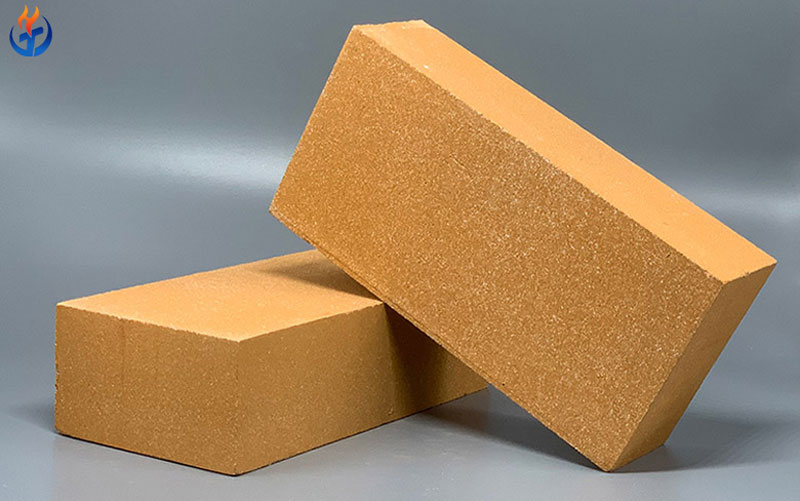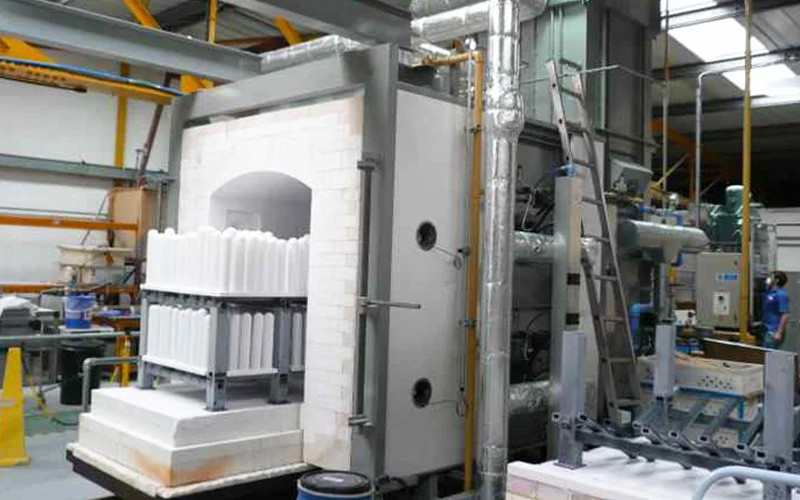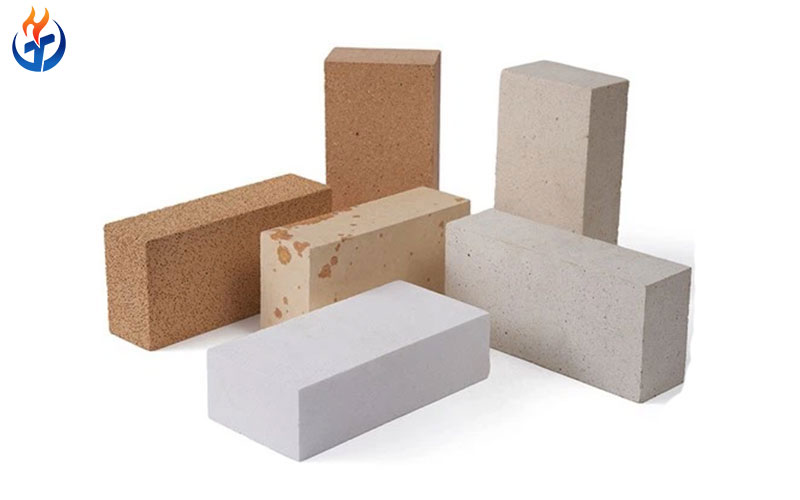
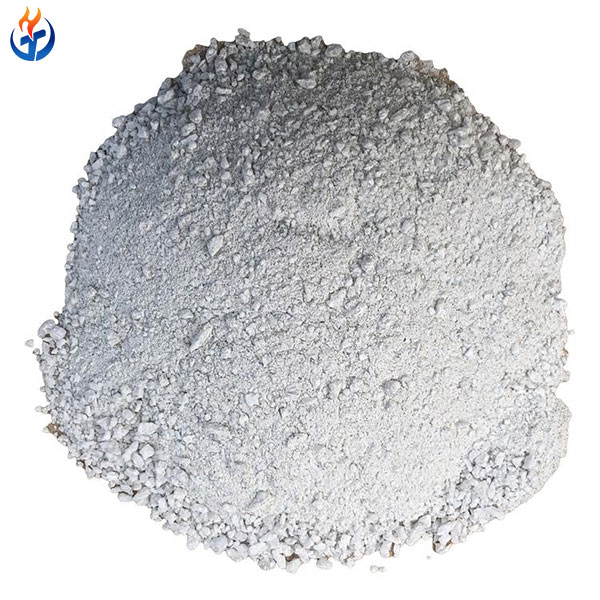
Corundum Low Cement Castables are high-performance monolithic refractory materials designed for high-temperature equipment that requires excellent refractoriness, mechanical strength, abrasion resistance, and resistance to chemical attack. With high-purity corundum aggregates, low cement content, reactive alumina, and carefully controlled particle-size distribution, these castables can form a dense and stable refractory lining after proper installation and firing.
Compared with conventional high-cement castables, Corundum Low Cement Castables offer a combination of low porosity, high hot strength, good thermal stability, and improved resistance to slag and corrosive substances. These characteristics make them suitable for demanding applications across steelmaking, petrochemical processing, environmental protection, and energy-related equipment.
Steel and Metallurgical Industry
The steel industry is one of the major application areas for high-performance low cement refractory castables. Steelmaking equipment is exposed to molten metal, slag, high temperatures, mechanical impact, abrasion, and repeated thermal cycling. These conditions require refractory linings with strong structural integrity and good resistance to chemical and mechanical degradation.
Ladle Linings
In steel ladles, refractory materials can be exposed to molten steel temperatures of approximately 1600–1700°C, depending on the process. Areas such as slag lines and impact zones are particularly demanding because they experience direct contact with molten steel and slag as well as mechanical impact during operation.
Corundum Low Cement Castables can be considered for selected ladle applications where high refractoriness, dense structure, and resistance to molten materials are required. The high alumina content provides good high-temperature stability, while the corundum aggregate contributes to hardness and abrasion resistance.
For slag-line applications, material selection should also consider slag chemistry. Different steelmaking slags can have significantly different chemical characteristics, so the refractory formulation should be matched to the actual operating environment rather than selected solely according to alumina content.
Blast Furnace Troughs
Blast furnace iron troughs are subjected to continuous contact with molten iron and slag, together with strong erosion and thermal loads. The refractory lining must withstand iron flow, abrasion, thermal cycling, and chemical attack.
Corundum-based low cement castables can provide a dense and mechanically strong structure for suitable high-temperature zones. Their resistance to abrasion and molten-material penetration can help maintain lining integrity under severe operating conditions.
For blast furnace trough applications, aggregate selection, matrix design, installation density, and drying procedure are all important. In particularly severe environments, specialized formulations may combine corundum with other refractory raw materials to achieve the required balance of wear resistance, corrosion resistance, and thermal shock performance.
Petrochemical Industry
Petrochemical equipment operates under complex combinations of high temperature, thermal cycling, corrosive gases, and mechanical stress. Refractory linings must maintain dimensional stability while resisting chemical attack and heat transfer.
Ethylene Cracking Furnaces
Ethylene cracking furnaces operate at high temperatures and require refractory linings that can maintain structural stability over long operating periods. Furnace walls and other refractory components are exposed to heat, thermal gradients, and process-related gases.
Corundum Low Cement Castables can be used in suitable high-temperature lining applications because their monolithic structure eliminates many joints associated with traditional refractory brick installation. When correctly installed, a castable lining can provide good continuity and help reduce weak points associated with excessive joints.
Their low cement formulation can also support improved high-temperature performance compared with conventional high-cement systems. However, the exact formulation should be selected according to furnace temperature, atmosphere, thermal cycling, and mechanical requirements.
Gasification Furnace Linings
Gasification equipment presents another demanding refractory environment. High temperatures and reactive gases can accelerate refractory degradation, particularly when the lining is exposed to complex gas compositions and molten ash or slag.
Corundum Low Cement Castables can offer good resistance to high-temperature structural degradation when the formulation is appropriately designed. Their dense microstructure can help limit the penetration of aggressive substances, while high-purity alumina provides good refractoriness.
For gasification applications involving CO, H₂, steam, slag, and other process components, chemical compatibility must be evaluated carefully. A specialized refractory formulation may be required rather than a general-purpose castable.
Environmental Protection and Energy Equipment
Waste treatment and energy recovery equipment creates another challenging environment for refractory materials. Waste combustion can generate acidic gases, ash, molten deposits, and large temperature fluctuations. Refractory linings must therefore combine corrosion resistance, thermal stability, and mechanical durability.
Waste Incinerators
Waste incinerators can expose refractory linings to acidic gases such as HCl and SO₂, as well as abrasive ash and high temperatures. These conditions can cause chemical corrosion and surface wear.
Corundum Low Cement Castables can be used in selected areas where high alumina content and dense microstructure are beneficial. In particularly corrosive zones, formulations may incorporate silicon carbide or other specialized refractory components to improve resistance to chemical attack and abrasion.
The exact material should be selected according to waste composition, furnace atmosphere, temperature, ash characteristics, and operating cycle. Corrosion resistance should not be evaluated based on alumina content alone.
Waste Heat Boilers
Waste heat boilers and associated furnace walls require refractory materials that can tolerate high temperatures while helping maintain thermal efficiency. A dense refractory lining can protect the underlying structure from direct exposure to combustion gases and high temperatures.
In some equipment designs, insulation and refractory layers are combined to control heat transfer. Low thermal conductivity materials may be selected for insulating sections, while Corundum Low Cement Castables are more appropriate for hot-face areas where high-temperature strength and wear resistance are required.
Key Technical Considerations for Application
The performance of Corundum Low Cement Castables depends on more than their chemical composition. Proper aggregate grading, cement content, water addition, mixing, installation, curing, drying, and firing all affect the final refractory structure.
Temperature is the first consideration. The selected grade should have sufficient refractoriness and hot strength for the actual operating temperature.
Chemical environment is equally important. Steel slag, cement kiln materials, petrochemical gases, and incinerator gases can interact differently with refractory materials.
Mechanical wear must also be evaluated. Areas exposed to molten metal flow, material impact, or abrasive particles require appropriate aggregate and matrix design.
Finally, installation quality directly affects service performance. Excessive mixing water can increase porosity, while inadequate vibration can create voids. Improper curing or rapid heating can cause cracking, spalling, or steam-related damage.
Conclusion
Corundum Low Cement Castables have broad application potential in high-temperature industrial equipment because they combine high alumina content, excellent refractoriness, dense microstructure, high hot strength, and resistance to abrasion and chemical attack.
In the steel and metallurgical industries, they can be used in selected ladle, furnace, and blast furnace trough applications. In petrochemical facilities, they can serve in suitable furnace and reactor lining zones. In waste treatment and energy equipment, they can be considered for areas exposed to high temperatures, abrasion, and corrosive gases.
The most suitable grade should always be selected according to actual operating temperature, slag or chemical composition, mechanical load, thermal cycling, and installation method. With appropriate material selection and controlled installation, Corundum Low Cement Castables can provide a dense and durable refractory lining for demanding industrial applications.