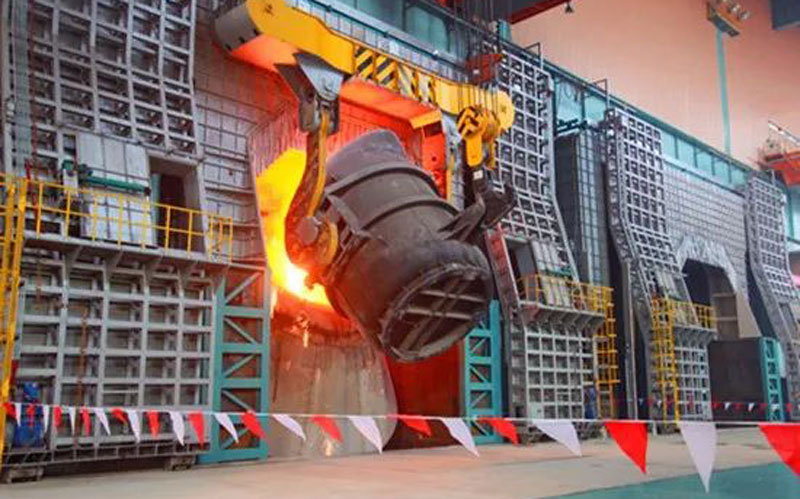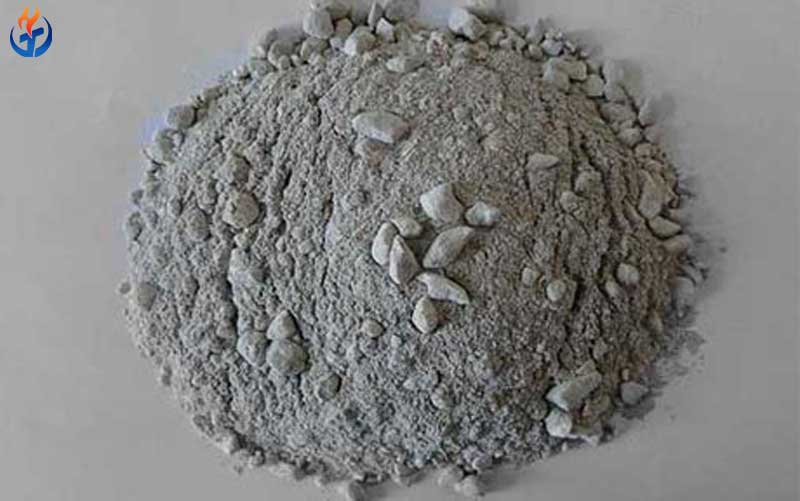
Gasifiers operate under extremely aggressive thermochemical conditions, including high temperatures, rapid thermal cycling, and complex chemical reactions involving reducing and corrosive atmospheres. The performance of the refractory lining directly determines operational stability, energy efficiency, maintenance cycles, and overall service life of the gasification system.
This article provides a technical overview of refractory materials for gasifier lining, covering material types, performance requirements, and engineering selection principles for different operating zones.
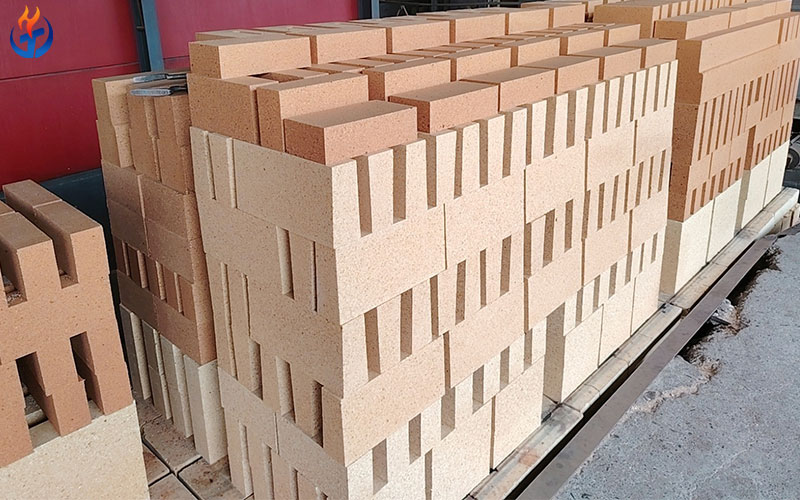
1. Functional Requirements of Gasifier Refractory Lining
The refractory lining in a gasifier must withstand a combination of extreme conditions that rarely occur simultaneously in other high-temperature equipment.
Key performance requirements include:
- High-temperature resistance (typically 1200°C–1600°C)
- Thermal shock resistance under frequent heating and cooling cycles
- Resistance to slag corrosion and alkali attack
- High mechanical strength under particle erosion
- Chemical stability in reducing and oxidizing atmospheres
Unlike conventional furnaces, gasifiers operate in environments containing CO, H₂, steam, and molten ash, which significantly increases material degradation risks.
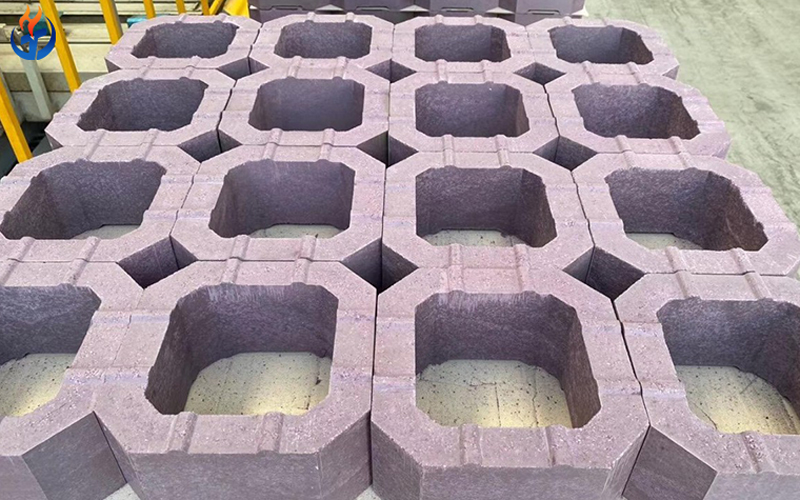
2. Main Types of Refractory Materials for Gasifier Lining
Different refractory materials are used in specific zones depending on temperature, flow velocity, and chemical exposure.
2.1 Silicon Carbide Bricks (SiC Bricks)
Silicon carbide bricks are widely used in high-wear and high-temperature zones of gasifiers.
Performance characteristics:
- Extremely high thermal conductivity
- Excellent abrasion resistance
- Strong resistance to chemical corrosion
- Good thermal shock resistance
Application areas:
- Radiation zone
- Heat exchange zone
- High-velocity gas and particle impact regions
SiC bricks are particularly effective in environments with severe mechanical erosion caused by coal particles and ash flow. Their high thermal conductivity also helps reduce localized overheating.
2.2 High-Alumina Bricks (Al₂O₃ 60%–80%)
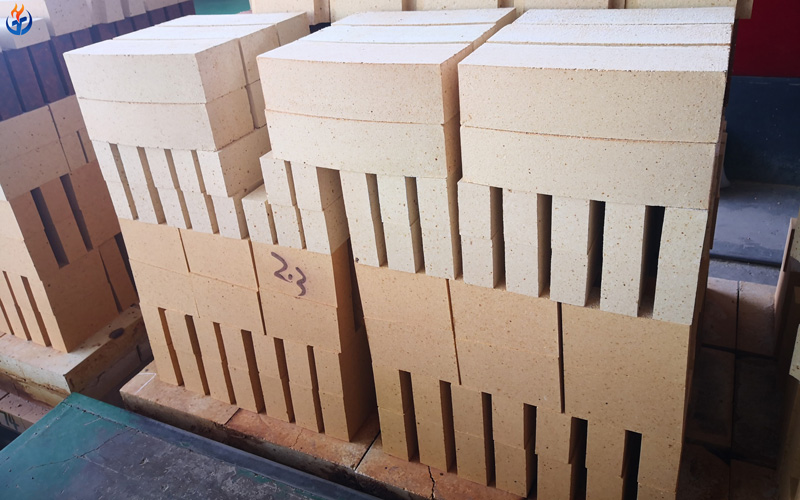
High-alumina bricks are among the most commonly used refractory materials in gasifier construction.
Performance characteristics:
- Good high-temperature stability (1200°C–1400°C)
- Strong mechanical strength
- Moderate slag resistance
- Reliable thermal shock resistance
Application areas:
- Furnace walls
- Upper combustion zones
- General lining structures
High-alumina bricks provide a balanced performance-to-cost ratio, making them suitable for large-scale industrial gasification systems.
2.3 Corundum Bricks (Al₂O₃ ≥ 90%)
Corundum bricks, also known as high-purity alumina bricks, are designed for extreme high-temperature environments.
Performance characteristics:
- High refractoriness (up to 1600°C+)
- Excellent chemical stability in oxidizing atmospheres
- Strong resistance to slag penetration
- High structural integrity under load
Application areas:
- Burner zones
- Nozzle areas
- High-temperature combustion chambers
These bricks are often used in critical areas where failure would result in significant operational downtime.
2.4 Magnesia-Chrome Bricks (MgO–Cr₂O₃)
Magnesia-chrome bricks are designed for alkaline and highly corrosive environments.
Performance characteristics:
- Excellent resistance to basic slag corrosion
- Strong structural stability under chemical attack
- Good resistance to spalling
Application areas:
- Gasifier lining zones exposed to alkaline ash
- Slag interaction regions
- Chemical corrosion-intensive environments
These bricks are particularly effective in coal gasification systems where alkali metals (Na₂O, K₂O) are present in feedstock.
2.5 Monolithic Refractories (Castables, Gunning Mixes)
Unshaped refractory materials play an important role in complex structural areas.
Performance characteristics:
- High installation flexibility
- Good thermal shock resistance
- Easy maintenance and repair
- Adaptability to complex geometries
Application areas:
- Expansion joints
- Burner blocks
- Pipe bends and irregular-shaped sections
- Repair and maintenance zones
Monolithic refractories reduce installation complexity and are widely used in modern gasifier construction for quick maintenance cycles.
3. Selection Criteria for Gasifier Refractory Lining
Selecting the right refractory system requires a multi-factor engineering evaluation.
3.1 Operating Temperature Conditions
Gasifiers typically operate in the range of:
- 1200°C to 1600°C depending on process type
Material selection must align with temperature zoning:
- High-temperature zones (>1500°C): Corundum bricks, SiC bricks
- Medium-temperature zones (1200°C–1400°C): High-alumina bricks
- Variable temperature zones: SiC or monolithic refractories
Incorrect temperature matching is one of the primary causes of premature lining failure.
3.2 Chemical Environment and Slag Resistance
Gasification reactions generate highly reactive chemical species, including:
- Alkaline compounds: Na₂O, K₂O
- Acidic components: SiO₂
- Reducing gases: CO, H₂
Each environment requires specific material chemistry:
- Alkaline conditions → Magnesia-based refractories
- Acidic or neutral conditions → High-alumina or corundum bricks
- Strong reducing atmosphere → SiC bricks or monolithic systems
Chemical compatibility between slag and refractory is critical to preventing penetration and structural weakening.
3.3 Thermal Shock Resistance
Gasifiers frequently undergo rapid heating and cooling cycles, especially during startup and shutdown.
Materials must withstand:
- Rapid temperature fluctuations
- Thermal gradient stress
- Expansion mismatch between layers
Best-performing materials in this category include:
- Silicon carbide bricks
- High-alumina bricks
- Monolithic castables with low thermal expansion coefficients
Poor thermal shock resistance leads to cracking and spalling of the lining.
3.4 Erosion and Mechanical Wear Resistance
High-velocity gas streams carrying solid particles cause continuous abrasion of the lining.
Key wear-resistant materials include:
- Silicon carbide bricks (highest resistance)
- Corundum bricks (high hardness and durability)
- Dense high-alumina bricks (moderate resistance)
Erosion resistance is especially important in:
- Nozzle zones
- Gas inlet regions
- Particle acceleration areas
3.5 Service Life and Maintenance Strategy
Refractory selection must balance performance with maintenance cost and downtime.
Long-life solutions:
- Corundum bricks
- High-density high-alumina bricks
- Silicon carbide systems
Flexible maintenance solutions:
- Monolithic refractories
- Gunning repair materials
- Castable linings
Brick systems offer longer service life but require higher installation precision. Monolithic systems provide easier maintenance but may require more frequent repair cycles.
4. Engineering Design Considerations for Gasifier Linings
A well-designed refractory lining system is typically multi-layered.
Typical structure includes:
- Working layer (direct contact with hot gases and slag)
- Safety layer (thermal insulation and backup protection)
- Insulation layer (energy efficiency optimization)
Each layer must be selected based on thermal conductivity, expansion compatibility, and mechanical strength.
Proper joint design and expansion allowance are also essential to prevent stress accumulation during thermal cycling.
5. Common Failure Mechanisms in Gasifier Refractories
Understanding failure mechanisms helps optimize material selection.
Major failure types include:
- Thermal spalling due to rapid temperature changes
- Chemical corrosion from slag infiltration
- Mechanical erosion from particle impact
- Structural cracking due to thermal stress
- Bond failure in monolithic linings
Preventive design focuses on matching material properties with localized operating conditions rather than using a single uniform refractory type.
Conclusion
The performance of refractory materials for gasifier lining directly determines the efficiency, stability, and operational lifespan of gasification systems. No single material can satisfy all conditions within a gasifier. Instead, a zoned engineering approach is required, combining silicon carbide bricks, high-alumina bricks, corundum bricks, magnesia-chrome bricks, and monolithic refractories.
Effective selection depends on a detailed understanding of temperature distribution, chemical environment, mechanical wear, and maintenance strategy. By optimizing material selection for each functional zone, operators can significantly extend service life, reduce downtime, and improve overall process efficiency in industrial gasification systems.