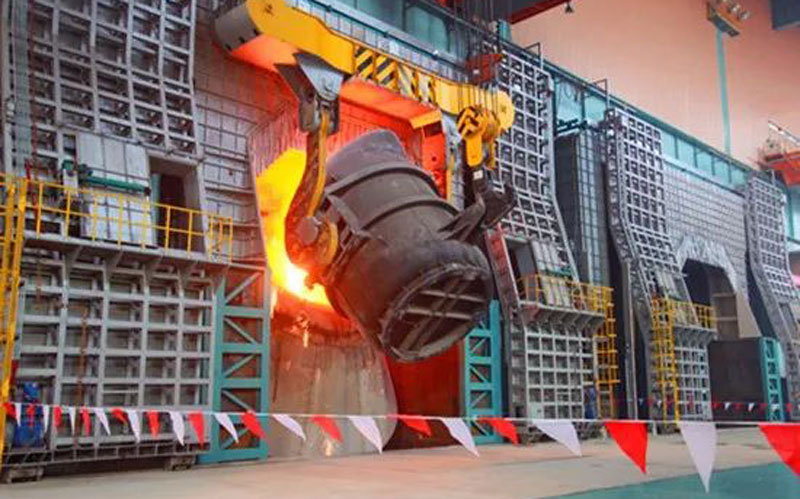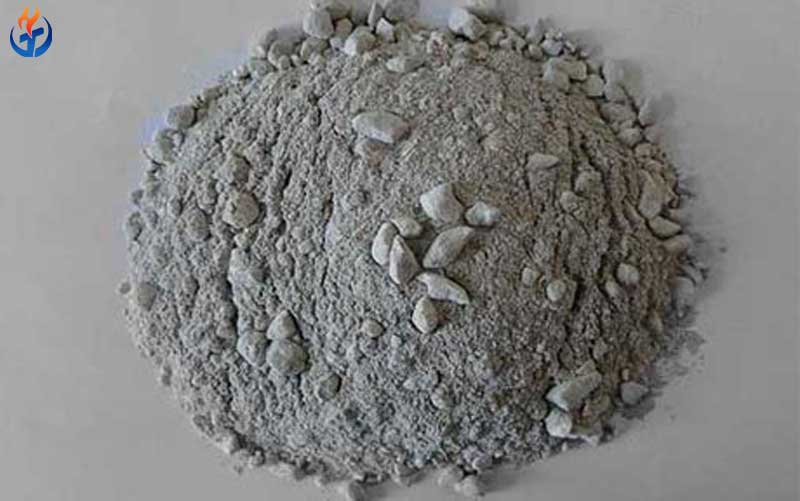
Gasification systems operate under some of the most extreme industrial conditions, combining high temperatures, reducing atmospheres, corrosive slag, and severe thermal cycling. In this environment, gasifier refractory materials are not just structural components—they are the primary protective barrier that determines equipment lifespan, operational stability, and thermal efficiency.
A properly designed refractory lining system ensures:
- Stable high-temperature operation (often 1200–1700°C depending on process)
- Resistance to slag corrosion and chemical attack
- Controlled heat loss and energy efficiency
- Structural integrity under thermal expansion stress
- Reduced downtime and maintenance frequency
Selecting the correct refractory configuration requires understanding both furnace geometry and functional zoning, as different areas experience different mechanical and chemical stresses.
Structural Zoning of a Gasifier Lining System
A modern gasifier is typically divided into three major structural regions:
1. Cone Bottom (Bottom Section)
This is the most aggressive wear zone due to:
- Continuous slag accumulation
- High abrasion from molten material flow
- Strong chemical corrosion from reducing gases
2. Cylindrical Section (Shell Wall)
This region experiences:
- High but more stable thermal load
- Moderate slag splashing
- Continuous gas–solid interaction
3. Dome or Roof Section
The upper structure is exposed to:
- High radiant heat
- Thermal cycling stress
- Gas-phase corrosion and oxidation/reduction fluctuations
Each zone requires a different configuration of gasifier refractory materials to balance durability, insulation, and mechanical flexibility.
Multi-Layer Design Concept of Gasifier Refractory Systems
A high-performance gasifier lining is not a single material layer but a multi-functional composite structure. Typically, it consists of four engineered layers:
1. Working (Hot Face) Layer
- Direct contact with slag, gas, and high temperature
- Must provide maximum corrosion resistance and mechanical strength
2. Backup Layer
- Provides structural support
- Acts as secondary thermal and chemical barrier
- Extends service life after hot face erosion
3. Insulation Layer
- Reduces heat transfer to steel shell
- Improves thermal efficiency
- Protects external casing from overheating
4. Compressible Layer
- Absorbs thermal expansion stress
- Prevents cracking and shell deformation
- Maintains lining integrity during startup/shutdown cycles
This layered system is essential for controlling thermal gradients and mechanical stress distribution in gasifier refractory materials design.
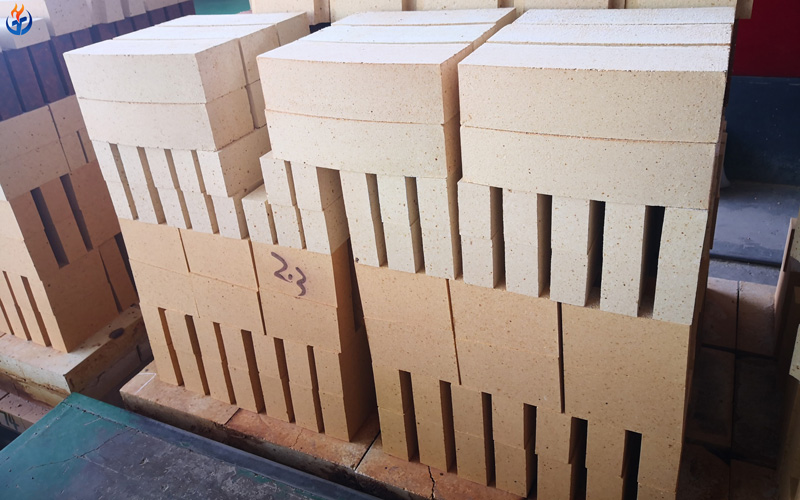
Selection of Hot Face Refractory Materials
The hot face is the most critical part of the system. Material selection must focus on:
- High-temperature chemical stability
- Slag corrosion resistance
- High creep resistance
- Thermal shock resistance
- Low porosity and high density
Chrome-Based Corundum-Zircon Materials
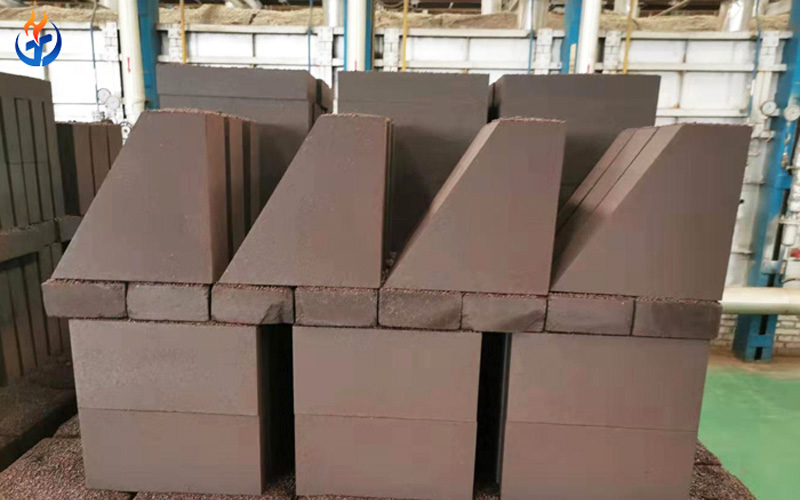
One of the most widely used solutions in severe gasification environments is chrome-corundum-zircon refractory brick.
Key properties include:
- Extremely high bulk density (typically > 4.2 g/cm³)
- Very low apparent porosity (< 16%)
- Excellent high-temperature strength (> 120 MPa compressive strength)
- Strong resistance to acidic and basic slag attack
- High resistance to oxidation and chemical penetration
These materials are engineered using high-purity chromium oxide combined with fused alumina and zircon-based micro-additives. After high-temperature firing, they form a dense crystalline matrix that significantly improves structural stability under aggressive operating conditions.
Application Advantages
- Ideal for slag line and high-wear zones
- Excellent dimensional stability under load
- Long service life in continuous gasification systems
- Reduced erosion rate in molten slag environments
Due to these properties, chrome-based corundum materials are considered a benchmark in advanced gasifier refractory materials design.
Backup Layer Refractory Material Selection
The backup layer serves as both a thermal buffer and a secondary protective barrier.
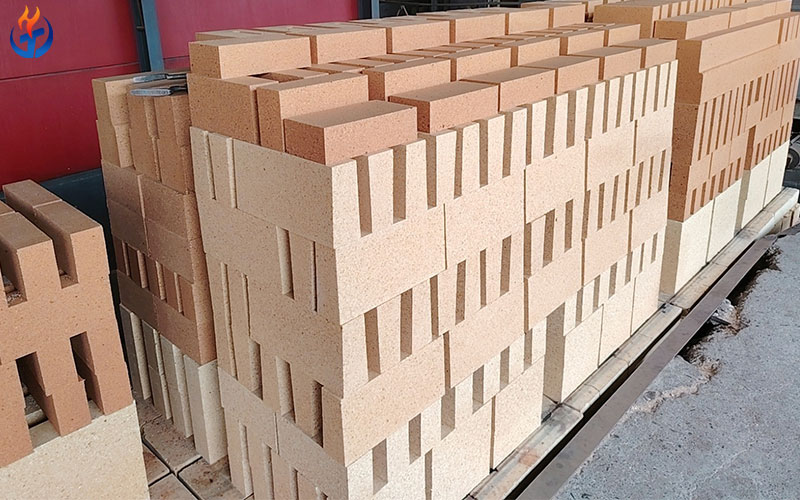
Corundum-Based Bricks
A common choice is corundum refractory brick, which offers:
- High alumina content for thermal resistance
- Strong structural integrity
- Good resistance to reducing atmospheres
These bricks are typically manufactured using high-purity white fused alumina aggregates combined with chromium oxide additives and sintered at elevated temperatures.
Functional Role in Gasifiers
- Provides thermal insulation support to the hot face
- Acts as a temporary working lining if the primary layer erodes
- Enhances overall structural redundancy of the lining system
In cylindrical sections, this layer typically reaches significant thickness to ensure stability and energy efficiency.
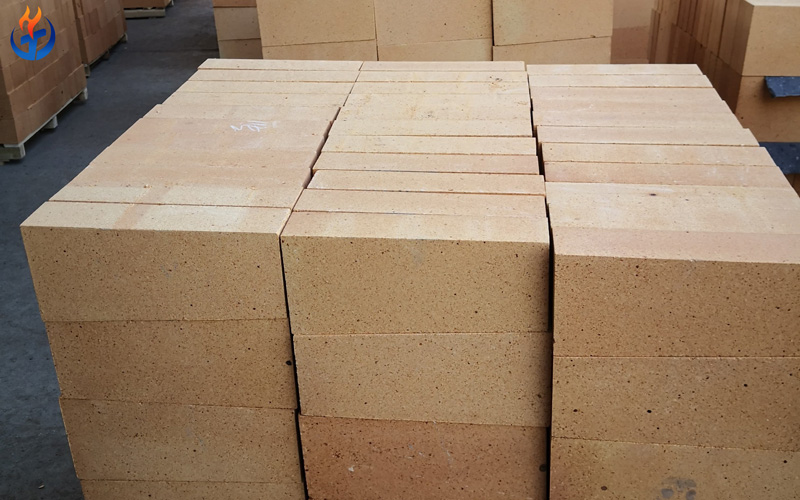
Thermal Insulation Layer Materials
The insulation layer is essential for controlling heat loss and protecting the steel shell.
Alumina Hollow Sphere Bricks
A widely used insulation material in gasifier refractory materials systems is the alumina hollow sphere brick.
Key characteristics:
- Extremely low thermal conductivity
- High refractoriness under load
- Lightweight structure
- Excellent thermal shock resistance
Functional Benefits
- Maintains shell temperature within safe operating limits
- Reduces fuel and energy consumption
- Improves overall thermal efficiency of the gasification process
- Prevents structural deformation caused by overheating
Typical insulation thickness varies depending on gasifier size and operating temperature requirements.
Compressible Layer Function and Materials
Thermal expansion is one of the most critical engineering challenges in gasifier design. Without compensation, refractory expansion can lead to:
- Brick cracking
- Shell stress deformation
- Joint failure
- Premature lining collapse
Fiber-Based Compressible Materials
A commonly used solution is mineral fiber-based compressible mats or dry expansion fillers.
Typical properties:
- High elasticity under temperature variation
- No bonding agents that degrade under heat
- Corrosion-resistant composition
- Easy installation using trowel or spray application
Engineering Function
- Absorbs radial expansion stress
- Prevents rigid constraint between lining and steel shell
- Ensures uniform stress distribution during thermal cycling
This layer is often only 15–20 mm thick but plays a critical role in extending service life of gasifier refractory materials systems.
Key Design Considerations for Gasifier Refractory Selection
Selecting materials is not only about individual performance but also system integration.
1. Thermal Gradient Control
A well-designed refractory system must ensure:
- Gradual temperature transition from hot face to shell
- Avoidance of sharp thermal stress zones
2. Chemical Compatibility
Different gasification processes generate different slag chemistries:
- Acidic slag environments require corrosion-resistant alumina-chrome systems
- Basic slag environments require higher MgO or stabilized formulations
3. Mechanical Load Resistance
Refractory must withstand:
- Internal pressure variations
- Slag weight load
- Structural vibration during operation
4. Thermal Shock Resistance
Frequent startup and shutdown cycles demand:
- High resistance to rapid heating and cooling
- Low thermal expansion coefficients
5. Porosity and Density Optimization
- Low porosity improves corrosion resistance
- High density improves structural strength
- Balance is required for thermal shock resistance
Common Failure Modes in Gasifier Refractory Systems
Understanding failure mechanisms is essential for proper material selection.
1. Chemical Erosion
Caused by slag penetration and chemical reaction with refractory matrix.
2. Thermal Spalling
Occurs due to rapid temperature fluctuations leading to cracking and surface flaking.
3. Mechanical Wear
High-velocity particles and molten slag movement cause abrasion.
4. Structural Deformation
Improper expansion allowance leads to shell stress and lining collapse.
5. Joint Failure
Weak brick bonding allows gas leakage and accelerated degradation.
Proper selection of gasifier refractory materials directly mitigates these risks.
Installation and Construction Best Practices
Even the best materials can fail if improperly installed.
Bricklaying Techniques
- Combination of ring and longitudinal brick arrangement
- Tight joint control to prevent gas leakage
- Staggered joint design for mechanical stability
Expansion Joint Control
- Maintain 3–5 mm controlled expansion gaps between layers
- Ensure free radial expansion where required
Layer Integrity Assurance
- Ensure full bonding between hot face and backup layers
- Avoid void formation during installation
- Maintain consistent density across lining
Quality Inspection
- Dimensional tolerance verification
- Density and porosity testing
- Thermal expansion compatibility checks
Maintenance Strategies for Extended Service Life
Long-term performance depends on proactive maintenance.
Regular Inspection Points
- Hot face erosion thickness
- Joint integrity condition
- Shell temperature monitoring
- Crack propagation analysis
Repair Techniques
- Partial patching of eroded hot face areas
- Spray coating refractory restoration
- Local brick replacement in severe zones
Operational Optimization
- Controlled heating and cooling cycles
- Stable feedstock quality to reduce slag variability
- Temperature monitoring to avoid thermal shock
Conclusion
The performance of a gasification system depends heavily on the correct design and selection of gasifier refractory materials. A successful lining system integrates multiple engineered layers, each serving a specific function:
- High-performance hot face materials for corrosion resistance
- Structural backup layers for mechanical support
- Efficient insulation layers for thermal control
- Compressible layers for stress absorption
When properly designed, this multi-layer system significantly improves operational stability, reduces maintenance costs, and extends furnace lifespan.
In modern high-temperature processing industries, refractory selection is no longer a simple material choice—it is a system engineering decision that directly impacts efficiency, safety, and long-term production economics.