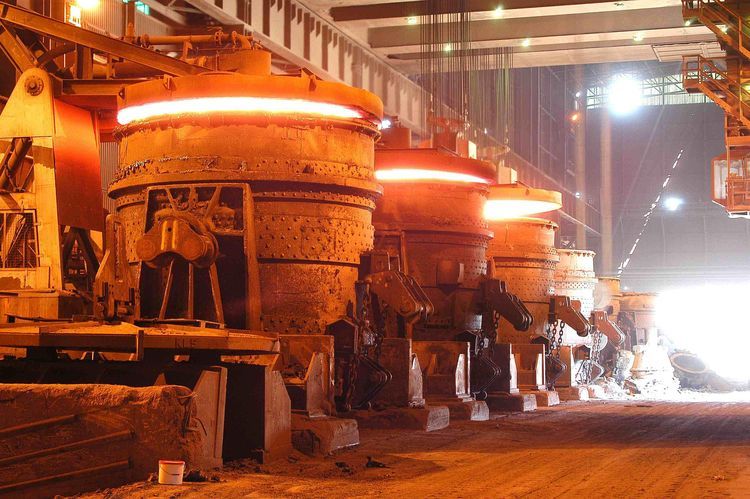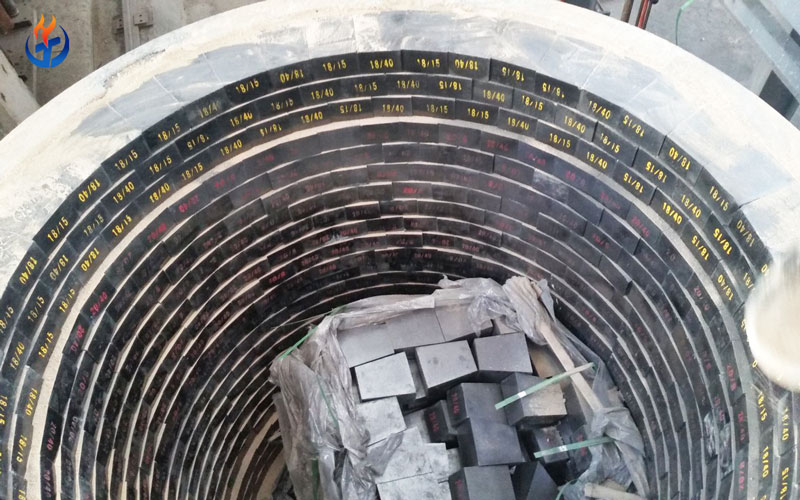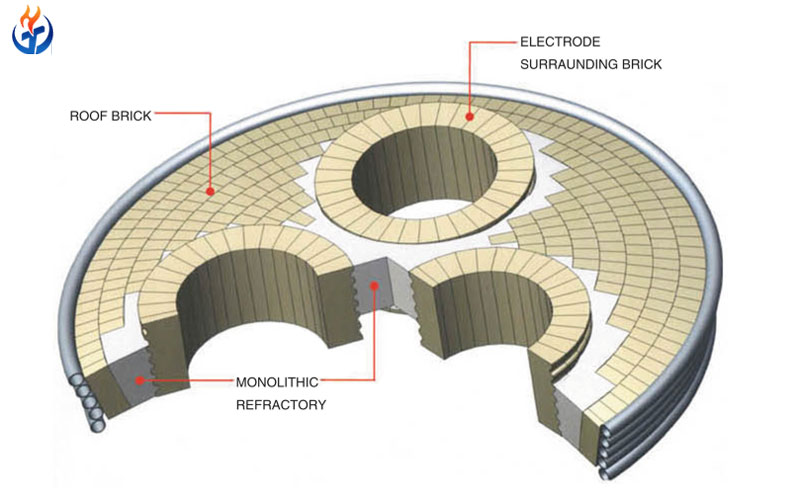
Electric heating pyrolysis furnaces are widely employed in petrochemical, carbon material, environmental protection, and advanced thermal processing industries. Unlike conventional fuel-fired furnaces, these systems generate heat through electric heating elements such as silicon carbide rods, molybdenum disilicide rods, and resistance wires. Because of their unique heating characteristics, electric heating pyrolysis furnaces impose higher requirements on refractory linings.
The refractory castables used in these furnaces must provide excellent high-temperature resistance, thermal shock resistance, chemical stability, low thermal conductivity, and reliable electrical insulation in critical areas. Selecting suitable refractory castables for different furnace sections is essential for ensuring safe operation, improving energy efficiency, and extending service life.
Characteristics of Electric Heating Pyrolysis Furnaces
Compared with gas-fired pyrolysis furnaces, electric heating systems have several distinctive features.
Localized Heating
Electric heating elements create concentrated heat sources, resulting in significant temperature gradients inside the furnace. Therefore, refractory materials must withstand uneven thermal stresses.
Frequent Temperature Fluctuations
Many electric heating furnaces experience frequent start-up and shutdown cycles. Refractory castables should possess excellent thermal shock resistance to prevent cracking and spalling.
Special Insulation Requirements
The areas surrounding electric heating elements require refractory materials with high electrical resistivity to prevent leakage currents and short circuits.
Exposure to Corrosive Media
Pyrolysis processes often generate hydrocarbons, acidic gases, and carbon deposits. Refractory castables must provide good resistance to chemical attack.
Performance Requirements of Refractory Castables
To achieve long-term stability, refractory castables used in electric heating pyrolysis furnaces should satisfy several key requirements.
High Temperature Resistance
Depending on operating conditions, furnace temperatures generally range from 1000°C to 1600°C. Refractory materials must maintain their strength and structural integrity throughout prolonged service.
Excellent Thermal Shock Resistance
Rapid temperature changes during operation require refractory castables to resist cracking and maintain dimensional stability.
Low Thermal Conductivity
Reducing heat loss helps improve thermal efficiency and lower electricity consumption. Insulating refractory materials are therefore widely used in furnace lining systems.
Chemical Stability
Refractory castables should resist corrosion caused by hydrocarbons, acidic gases, and various process by-products generated during pyrolysis.
Dimensional Stability
Excessive expansion or shrinkage can cause structural damage. High-quality refractory castables should exhibit minimal permanent linear change under high-temperature conditions.
Electrical Insulation
In areas surrounding electric heating elements, refractory materials should provide excellent insulation performance to ensure operational safety.
Common Material Types and Suitable Applications of Refractory Castables
Different furnace sections require different refractory materials. Proper selection contributes significantly to furnace efficiency and service life.
Mullite Refractory Castables
Mullite refractory castables are among the most commonly used materials for electric heating pyrolysis furnaces.
Composition
These castables are mainly composed of:
- Porous mullite aggregates
- Fine powders
- Micro powders
- High-performance binders
Characteristics
Mullite refractory castables offer several advantages:
- Excellent thermal shock resistance
- High mechanical strength
- Good volume stability
- Low thermal expansion
- Strong resistance to thermal cycling
Their service temperature generally ranges from 1350°C to 1500°C.
Suitable Applications
Mullite refractory castables are suitable for:
- Furnace working linings
- Side walls
- Heating chambers
- Areas around electric heating elements
- Medium-temperature zones
Because of their excellent balance between strength and thermal shock resistance, they are widely used in electric heating furnaces.
Low Cement and Ultra-Low Cement High Alumina Refractory Castables
Low cement refractory castables have become increasingly popular due to their superior high-temperature performance.
Composition
Typical components include:
- High alumina aggregates with Al₂O₃ content above 60%
- Reactive alumina powder
- Micro silica powder
- Efficient dispersants
- Reduced cement content
Ultra-low cement formulations contain even lower calcium oxide levels, improving refractoriness and corrosion resistance.
Characteristics
These refractory castables feature:
- High density
- Excellent wear resistance
- High hot strength
- Low porosity
- Outstanding chemical stability
- Superior resistance to erosion
Compared with conventional castables, low cement systems contain fewer low-melting phases and exhibit better high-temperature properties.
Suitable Applications
Low cement and ultra-low cement high alumina refractory castables are ideal for:
- Furnace bottoms
- Furnace doors
- Observation holes
- Charging areas
- Wear-prone sections
- High-load structural components
Their excellent mechanical properties make them highly reliable in demanding environments.
Corundum Refractory Castables
Corundum refractory castables are designed for extremely severe service conditions.
Composition
They are manufactured from:
- Fused corundum
- Sintered corundum
- High-purity alumina powders
- Ultrafine additives
- Advanced bonding systems
Their alumina content generally exceeds 90%.
Characteristics
Corundum refractory castables provide:
- Outstanding refractoriness
- Superior corrosion resistance
- High hot strength
- Excellent abrasion resistance
- Long service life
These materials can withstand temperatures exceeding 1600°C.
Suitable Applications
Corundum refractory castables are commonly used in:
- High-temperature zones
- Reaction chambers
- Areas exposed to corrosive media
- Hot spots inside the furnace
- Sections subjected to severe erosion
They are preferred when extreme temperatures and harsh chemical environments are encountered.
Lightweight Insulating Refractory Castables
Energy conservation is an important consideration in electric heating furnaces. Lightweight insulating refractory castables help minimize heat loss and improve efficiency.
Composition
These materials typically contain:
- Lightweight mullite aggregates
- Alumina hollow spheres
- Insulating fillers
- Special binders
Their density is much lower than that of dense refractory castables.
Characteristics
Lightweight insulating refractory castables provide:
- Low thermal conductivity
- Excellent heat insulation
- Reduced heat storage
- Lightweight structure
- Improved energy efficiency
These properties contribute to lower operating costs.
Suitable Applications
They are commonly used for:
- Back-up insulation layers
- Areas adjacent to steel shells
- Furnace wall insulation
- Secondary lining systems
Typical insulation thickness ranges from 50 mm to 100 mm.
Ceramic Fiber Refractory Castables
Ceramic fiber refractory castables combine the advantages of ceramic fibers and monolithic refractory materials.
Composition
They consist of:
- Ceramic fibers
- High-temperature binders
- Lightweight fillers
- Reinforcing additives
Characteristics
These refractory castables offer:
- Very low density
- Excellent insulation properties
- Superior thermal shock resistance
- Low heat storage capacity
- Reduced furnace weight
Their flexible structure helps absorb thermal stress and minimize cracking.
Suitable Applications
Ceramic fiber refractory castables are often used in:
- Furnace roofs
- Upper walls
- Composite lining systems
- Heat preservation layers
They are particularly suitable for energy-saving furnace designs.
Special Considerations for Electric Heating Elements
One of the biggest differences between electric heating and gas-fired pyrolysis furnaces lies in the treatment of heating element areas.
Heating Element Connection Areas
At the connection ends of silicon carbide rods or molybdenum disilicide rods, refractory fiber insulation is usually installed first. Refractory mortar or refractory castables are then used to seal the surrounding area.
This arrangement helps:
- Reduce heat loss
- Improve sealing performance
- Protect electrical connections
- Extend heating element life
Insulating Refractory Castables
The refractory castables surrounding heating elements should have:
- High electrical resistivity
- Low shrinkage
- Excellent thermal shock resistance
- Good dimensional stability
These characteristics prevent electrical leakage and short circuits.
Expansion Joint Design
Since heating elements repeatedly expand and contract during operation, expansion joints should be reserved to accommodate thermal movement and prevent cracking of the refractory lining.
Material Selection Recommendations
Operating Temperatures Below 1200°C
Recommended materials:
- High alumina refractory castables with Al₂O₃ content above 50%
These materials provide reliable performance under moderate operating conditions.
Operating Temperatures Between 1200°C and 1500°C
Recommended materials:
- Mullite refractory castables
- Low cement refractory castables
- Ultra-low cement refractory castables
These materials offer an excellent balance between cost and performance.
Operating Temperatures Above 1500°C
Recommended materials:
- Corundum refractory castables
- Silicon carbide refractory castables
They provide exceptional resistance to high temperatures and aggressive environments.
Acidic Gas Atmospheres
For sulfur-containing environments, suitable choices include:
- Mullite refractory castables
- Silica-based refractory castables
These materials provide good resistance to acidic corrosion.
Severe Wear Conditions
Where abrasion resistance is critical, recommended materials include:
- Corundum refractory castables
- Silicon carbide refractory castables
Their high hardness ensures longer service life.
High Energy Efficiency Requirements
For applications focused on energy conservation, suitable materials include:
- Lightweight mullite refractory castables
- Alumina hollow sphere refractory castables
These materials significantly reduce heat loss and electricity consumption.
Electric Heating Zones
Special insulating refractory castables should be selected. In some cases, boron nitride or other insulating additives can be incorporated to enhance electrical insulation performance.
Conclusion
Selecting suitable refractory castables for electric heating pyrolysis furnaces requires comprehensive consideration of operating temperature, chemical atmosphere, heating methods, structural requirements, and energy efficiency goals. Different furnace sections often require different refractory materials to achieve optimal performance.
Mullite refractory castables provide excellent thermal shock resistance and dimensional stability. Low cement high alumina refractory castables deliver high strength and wear resistance. Corundum refractory castables offer outstanding performance in extreme temperatures and corrosive environments. Lightweight insulating refractory castables improve energy efficiency, while ceramic fiber refractory castables provide lightweight and highly effective thermal insulation.
Through the proper combination of various refractory castables and well-designed lining structures, electric heating pyrolysis furnaces can achieve higher reliability, lower maintenance costs, improved energy efficiency, and longer service life.