When selecting materials for high-temperature industrial furnaces, kilns, boilers, incinerators, and other thermal equipment, understanding refractory castables vs mortar is essential. Although both materials are designed to withstand high temperatures and are widely used in refractory construction, they serve different purposes and have different compositions, installation methods, and performance characteristics.
Choosing the right material depends on whether you need a structural refractory lining, a bonding material, joint filler, or a repair solution. This guide explains the main differences between refractory castables and mortar and provides practical guidance for selecting the right option for your application.
What Are Refractory Castables?
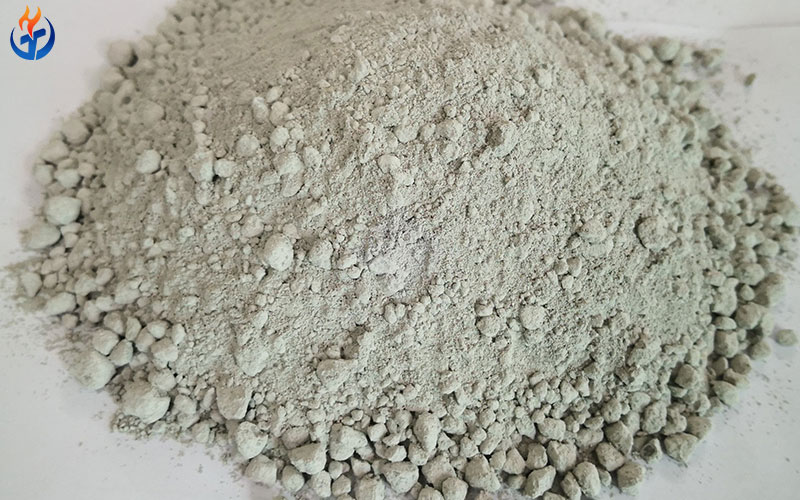
Refractory castables are monolithic refractory materials supplied as dry mixtures that are combined with a specified amount of water or another liquid before installation. They typically contain refractory aggregates, fine powders, binders, and additives.
Depending on their formulation, castables can be based on alumina, fireclay, magnesia, silicon carbide, or other refractory raw materials. Different formulations are developed to provide specific properties such as high temperature resistance, abrasion resistance, thermal shock resistance, or resistance to chemical attack.
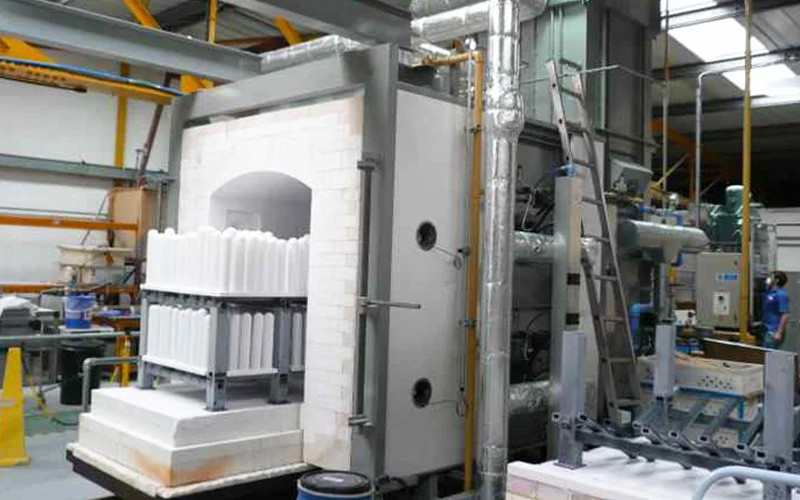
After mixing, refractory castables can be poured, pumped, or rammed into the required location. Once installed and properly cured and dried, they form a continuous refractory lining.
Common applications include furnace floors, kiln linings, burner areas, boiler components, ladle linings, incinerators, and other industrial thermal equipment.
What Is Refractory Mortar?
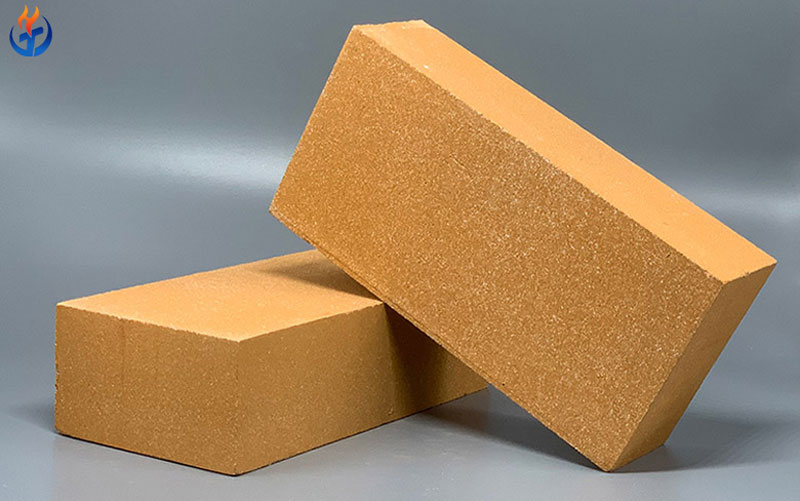
Refractory mortar is a fine-grained refractory material primarily used to bond refractory bricks and other masonry units. It normally contains refractory powders, binders, and carefully selected additives.
Unlike castables, refractory mortar is not generally intended to form a thick, self-supporting refractory structure. Its primary function is to fill joints and create a strong connection between individual refractory bricks.
Refractory mortar can be supplied in different formulations, including air-setting, heat-setting, and hydraulic-setting types. The appropriate type depends on the refractory bricks, operating temperature, installation conditions, and chemical environment.
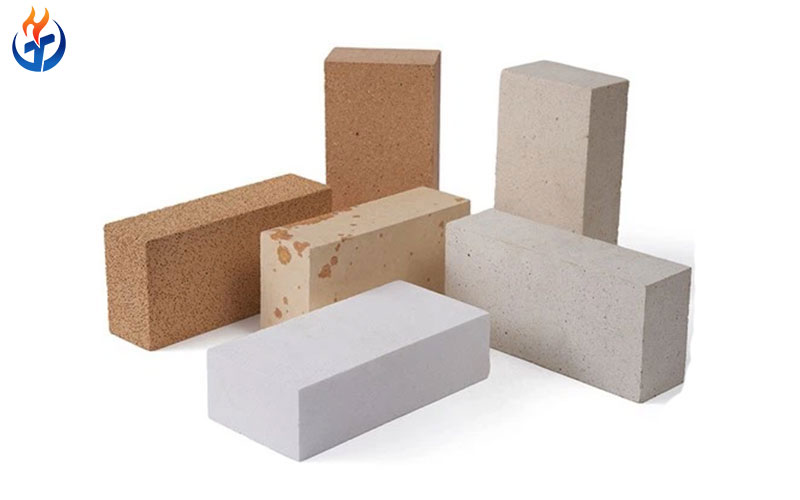
Typical applications include laying fire bricks, alumina bricks, silica bricks, and other refractory masonry products.
Refractory Castables vs Mortar: Composition
One of the most important differences in refractory castables vs mortar is their particle structure and formulation.
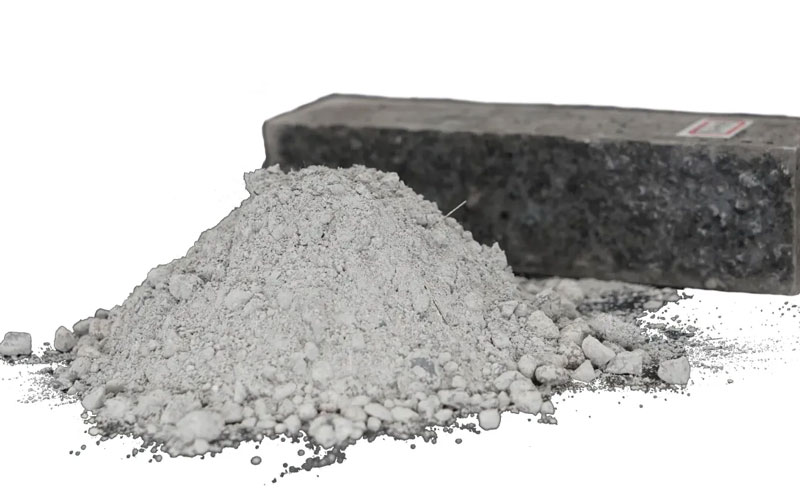
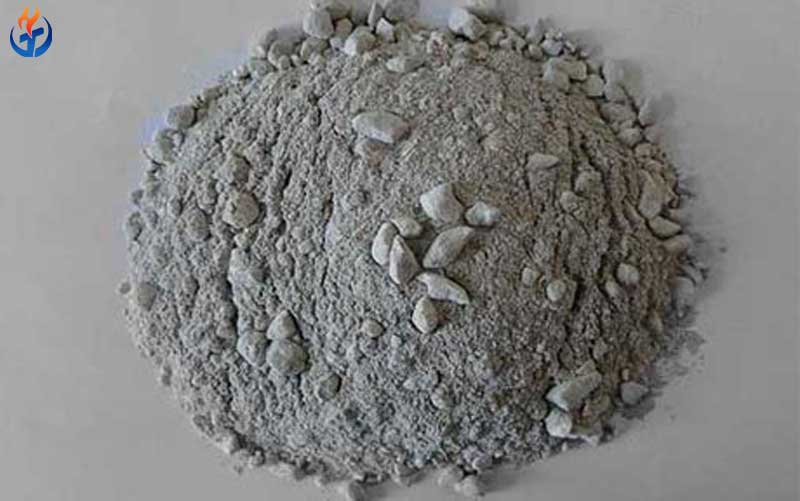
Castables contain relatively large refractory aggregates together with fine particles. This aggregate structure allows the material to form a thick and durable refractory body after installation.
Mortar contains much finer particles because it needs to spread easily between refractory bricks and produce thin, uniform joints. Its formulation is optimized for bonding rather than creating a thick monolithic lining.
Therefore, replacing castable with ordinary refractory mortar in a structural lining is generally inappropriate. Similarly, using a coarse castable mixture as a thin brick joint material can make installation difficult and reduce bonding quality.
Differences in Installation
Installation is another major difference between refractory castables and mortar.
Castables usually require mixing before placement. Depending on the product, installation may involve pouring, vibration casting, pumping, or ramming. Proper water addition, mixing time, compaction, curing, and dry-out are important for achieving the designed performance.
Refractory mortar is normally applied as a relatively thin layer between refractory units. A mason or installer spreads the mortar over the brick surfaces before positioning the bricks. The joint thickness must generally be controlled according to the refractory system and manufacturer’s recommendations.
Because castables can be installed as continuous linings, they are particularly useful for complex shapes and areas where traditional brickwork would be difficult.
Performance Comparison
When comparing refractory castables vs mortar, their performance should be evaluated according to their intended function rather than simply comparing maximum service temperatures.
Castables generally provide better structural integrity because they form a continuous refractory mass. They can offer high mechanical strength, abrasion resistance, thermal shock resistance, and resistance to molten materials or aggressive gases, depending on their formulation.
Mortar is designed primarily to maintain the integrity of refractory masonry. Its most important properties include bonding strength, workability, compatibility with refractory bricks, dimensional stability, and resistance to chemical and thermal conditions within the joints.
A high-quality mortar must be compatible with the bricks it bonds. Differences in thermal expansion or chemical composition between mortar and bricks can contribute to cracking or joint deterioration during service.
When Should You Use Refractory Castables?
Refractory castables are generally preferred when a continuous refractory lining is required. They are suitable for applications where mechanical strength, resistance to thermal cycling, and customized shapes are important.
Typical applications include:
- Industrial furnace linings
- Cement kiln components
- Boiler linings
- Incinerator linings
- Furnace roofs and walls
- Burner blocks
- Tundish and ladle components
- High-wear areas
- Equipment requiring monolithic refractory construction
Castables can also be useful for repairing damaged refractory linings because they can be applied to irregular areas and built up to the required thickness.
When Should You Use Refractory Mortar?
Refractory mortar is the better choice when the project involves constructing or repairing refractory brickwork. It provides the bonding layer between refractory bricks and helps maintain a stable masonry structure.
Common applications include:
- Fire brick installation
- Alumina brick masonry
- Furnace wall construction
- Kiln brickwork
- Chimney and flue construction
- Refractory brick repairs
- Filling controlled masonry joints
The mortar grade should be selected according to the type of refractory brick and the operating environment. Using a mortar with properties significantly different from the surrounding refractory units may reduce the service life of the installation.
Refractory Castables vs Mortar: Which Is Better?
There is no universal winner in the refractory castables vs mortar comparison because these materials are designed for different jobs.
If you need to construct a thick, continuous refractory lining, castable is usually the appropriate solution. If you need to bond refractory bricks together, refractory mortar is normally the correct choice.
In some industrial projects, both materials are used together. For example, refractory bricks may form the main furnace wall while refractory mortar bonds the bricks and castable is used in selected high-wear or irregular areas.
The best choice should consider operating temperature, mechanical loads, thermal cycling, chemical exposure, installation method, lining thickness, and compatibility with existing refractory materials.
Conclusion
Understanding refractory castables vs mortar helps engineers, contractors, and furnace operators select the right refractory material for each part of an industrial thermal system. Castables are primarily used to create continuous, strong refractory linings, while refractory mortar is mainly used to bond and seal refractory bricks.
Rather than choosing based only on temperature resistance, evaluate the material’s mechanical strength, thermal shock performance, chemical resistance, installation requirements, and compatibility with the complete refractory lining system. Selecting the correct product for its intended application can improve lining reliability, reduce maintenance requirements, and extend the service life of high-temperature equipment.