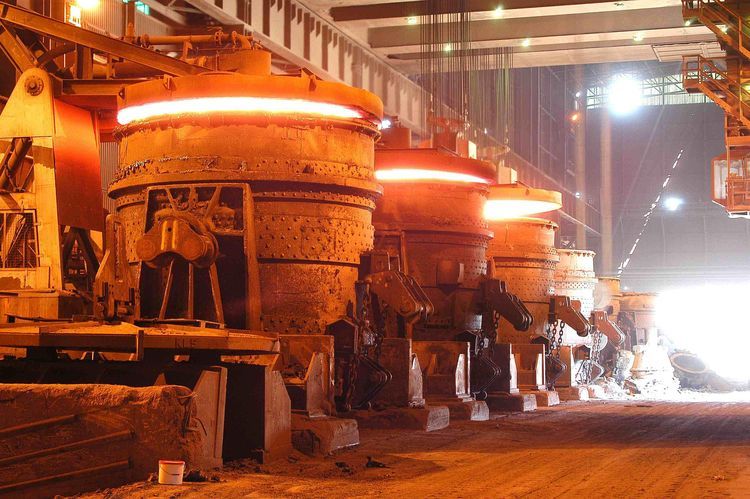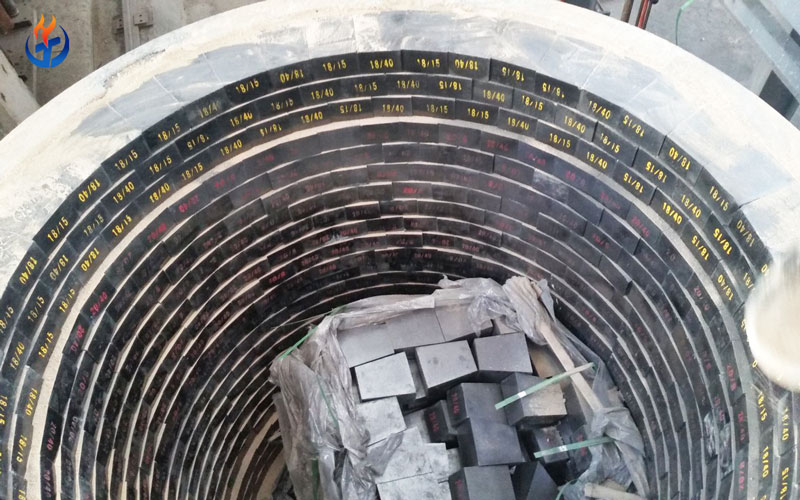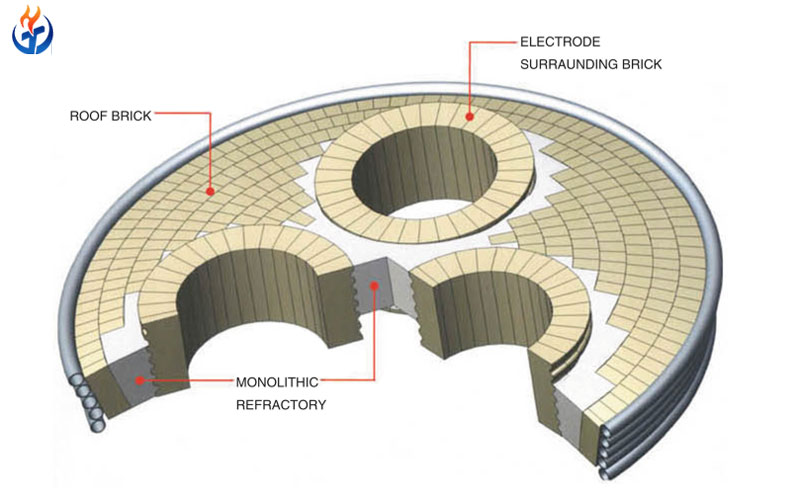
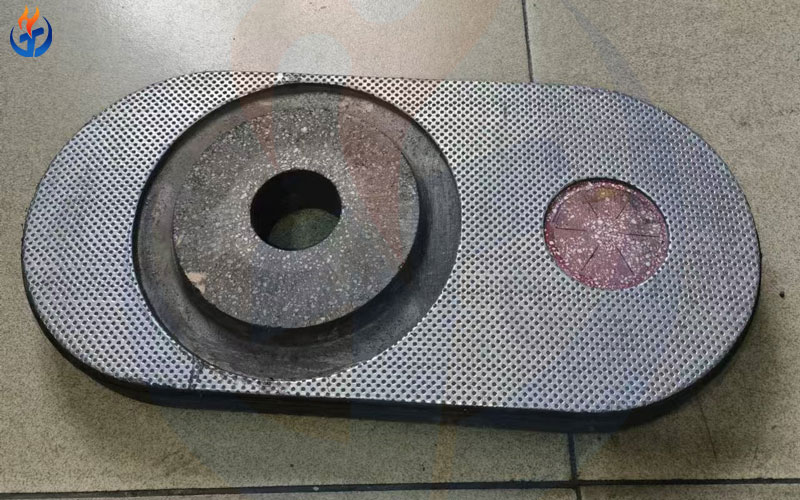
In modern steelmaking, controlling molten steel accurately and safely is essential for maintaining stable casting operations and producing consistent steel quality. One of the important refractory components responsible for this control is the Ladle Slide Gate Plate. Installed inside the slide gate system of a steel ladle, this refractory plate regulates the flow of molten steel during tapping and continuous casting.
A Ladle Slide Gate Plate is not simply a structural component. It must withstand extremely high temperatures, mechanical pressure, thermal shock, erosion, and chemical attack from molten steel and slag. Therefore, its material composition, manufacturing quality, dimensional accuracy, and resistance to wear all have a direct influence on the reliability of the steelmaking process.
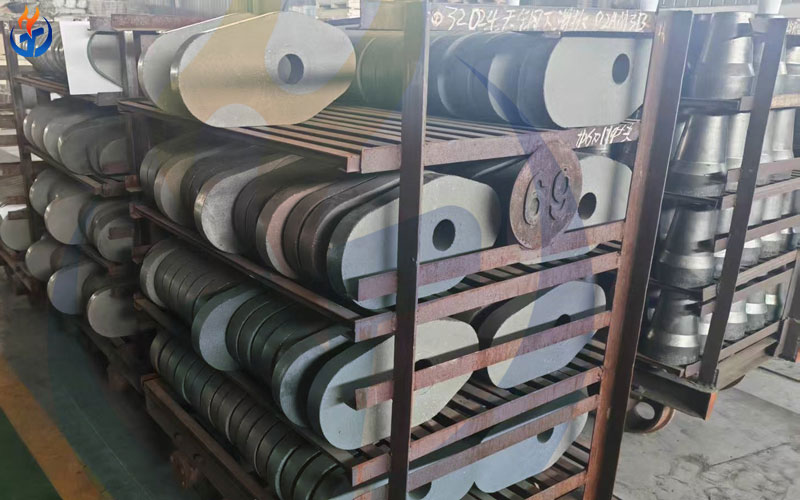
How Does a Ladle Slide Gate Plate Work?
The basic operating principle is relatively simple. A typical slide gate system consists of refractory plates, a mechanical frame, a hydraulic or mechanical actuator, and related refractory components.
During operation, the plates remain under considerable mechanical pressure. When the casting process begins, the moving plate is positioned so that its central opening corresponds with the opening in the fixed plate. Molten steel then flows through the aligned openings.
As the moving plate changes position, the opening becomes smaller. This reduces the flow rate. When the opening is completely closed, the flow of molten steel stops.
Because the plates directly contact molten steel, they must maintain their mechanical integrity and dimensional stability throughout the casting operation. Any excessive wear, cracking, deformation, or erosion may affect flow control and operational safety.
Common Materials for Ladle Slide Gate Plates
Different steelmaking conditions require different refractory compositions. The most common materials include alumina-carbon, alumina, alumina-zirconia-carbon, magnesia-carbon, and zirconia.
Alumina-Carbon
Alumina-Carbon is widely used because it combines the high-temperature properties of alumina with the thermal shock resistance and corrosion resistance provided by carbon. This material can provide good resistance to molten steel penetration and chemical attack.
Alumina-carbon slide plates are commonly selected for demanding steelmaking environments where a balance between mechanical strength, thermal shock resistance, and corrosion resistance is required.
Alumina
Alumina refractory plates contain a high proportion of aluminum oxide and offer excellent refractoriness and resistance to molten steel. They are suitable for applications where high-temperature stability and resistance to erosion are important.
The specific alumina grade can be adjusted according to the operating temperature, steel grade, casting conditions, and required service life.
Alumina-Zirconia-Carbon
Alumina-Zirconia-Carbon, often abbreviated as AZC, combines alumina, zirconia, and carbon. Zirconia provides strong resistance to corrosion and erosion, while alumina contributes high refractoriness and structural stability.
AZC materials are frequently considered for applications involving aggressive molten steel and demanding service conditions.
Magnesia-Carbon
Magnesia-Carbon refractory materials are known for their excellent resistance to basic slags and high-temperature environments. They are widely used in various steelmaking refractory applications.
When selected for slide gate components, magnesia-carbon can provide useful resistance to thermal and chemical stresses, depending on the specific formulation and operating conditions.
Zirconia
Zirconia offers excellent resistance to corrosion, erosion, and molten metal attack. It also has a very high melting point, making it suitable for demanding high-temperature applications.
Although zirconia-based refractory components can be more expensive than some alternatives, their performance can make them suitable for specialized steelmaking applications where high resistance to molten steel is required.
Key Performance Requirements
A high-quality Ladle Slide Gate Plate needs to withstand several forms of stress simultaneously. High refractoriness is essential because the plate operates in direct contact with molten steel.
Thermal shock resistance is also important. During ladle operations, refractory components can experience rapid temperature changes. A material with poor thermal shock resistance may develop cracks, which can shorten service life.
Another important property is corrosion resistance. Molten steel and slag can chemically react with refractory materials. Good corrosion resistance helps reduce material loss and maintain the designed opening during operation.
Wear resistance is equally important because molten steel continuously passes through the slide gate opening. Localized erosion around the bore can gradually change the flow characteristics.
Mechanical strength, dimensional stability, low permeability, and resistance to molten steel penetration are also important considerations when selecting a Ladle Slide Gate Plate.
Why Is the Ladle Slide Gate Plate Important?
The slide plate directly affects molten steel flow control. If the plate performs reliably, operators can achieve more stable casting conditions and better control over steel flow.
A properly designed Ladle Slide Gate Plate can help reduce unexpected interruptions, maintain consistent casting rates, and improve refractory service life. For steel producers, these advantages can contribute to greater productivity and lower refractory consumption.
The correct material should be selected according to steel grade, ladle capacity, casting temperature, slag chemistry, slide gate design, and expected service life. There is no single refractory composition that is ideal for every steelmaking process.
Conclusion
The Ladle Slide Gate Plate is a critical refractory component in modern steel ladle slide gate systems. By allowing controlled movement between refractory plates, it regulates the starting, stopping, and flow rate of molten steel during steelmaking and casting.
Alumina-carbon, alumina, alumina-zirconia-carbon, magnesia-carbon, and zirconia are among the common material options. Each provides different combinations of refractoriness, thermal shock resistance, corrosion resistance, erosion resistance, and mechanical strength.
For steel plants, choosing the appropriate Ladle Slide Gate Plate requires consideration of both refractory properties and actual operating conditions. A suitable plate can provide reliable molten steel control, stable casting performance, and longer service life in demanding high-temperature environments.