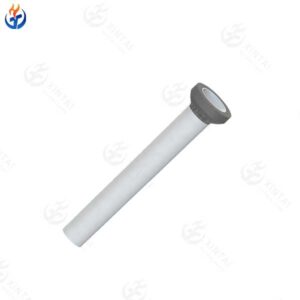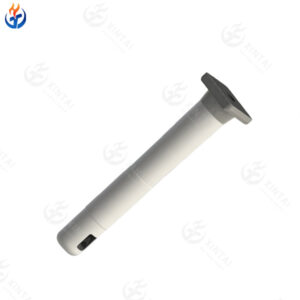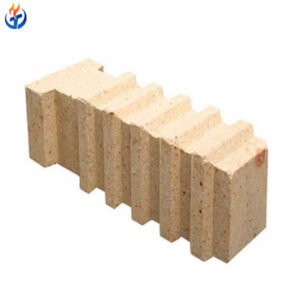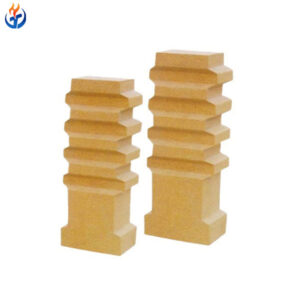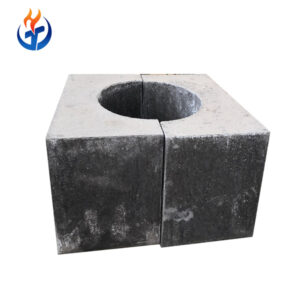
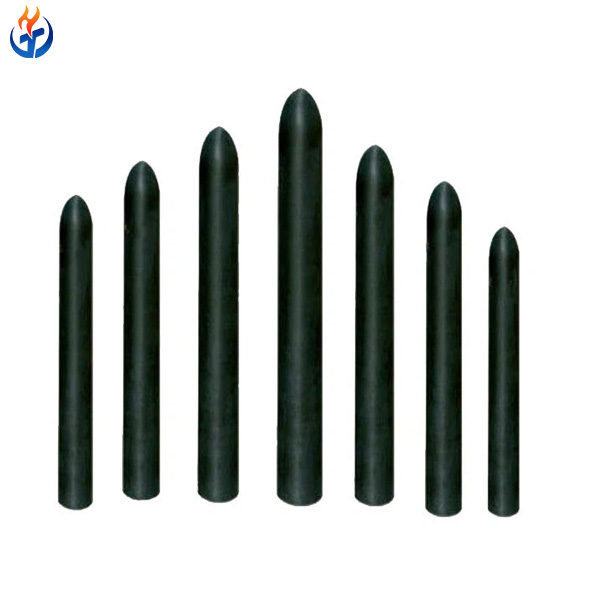
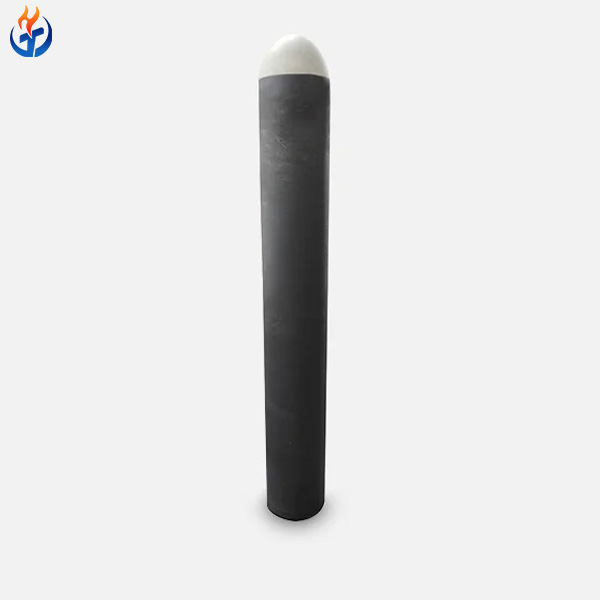
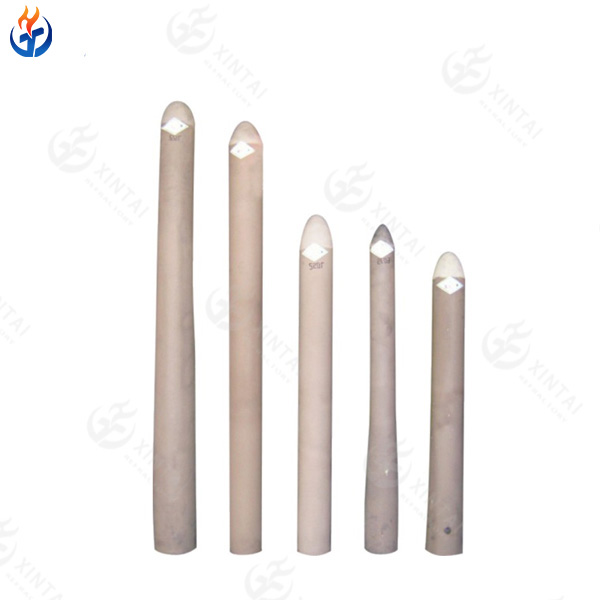
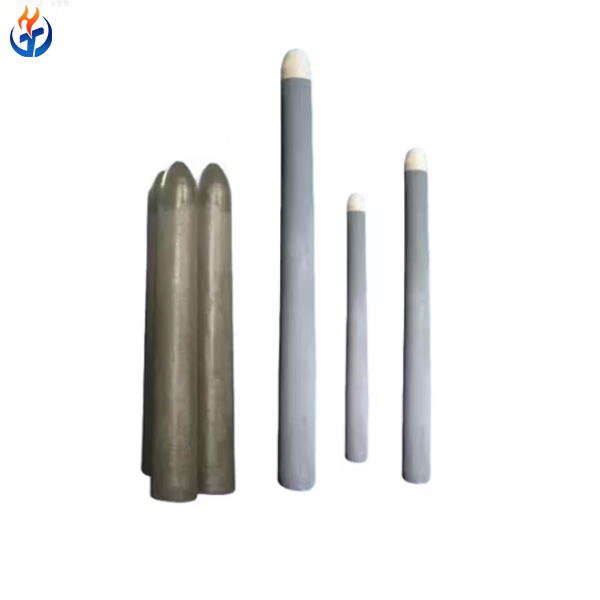
The Stopper Rod is a critical functional refractory component installed inside the tundish to precisely control the flow of molten steel from the tundish to the mold during continuous casting. Working together with the upper nozzle system, the stopper rod regulates steel throughput, stabilizes casting speed, and ensures tight shut-off at the end of each casting sequence.
Xintai Refractory manufactures high-performance integral stopper rods designed to meet the demanding conditions of modern steel plants. Our stopper rods are available in alumina-carbon and magnesia-carbon compositions to accommodate different steel grades, slag environments, and casting temperatures. Through advanced numerical modeling and customized tip design, we provide optimized solutions for bloom casters, billet casters, rectangular billet casters, round billet casters, slab casters, and thin slab casters.
Technical Specifications
| Items | Alumina-Carbon Type | Magnesia-Carbon Type |
|---|---|---|
| Al₂O₃ (%) ≥ | 50 | 45 |
| C + SiC (%) ≥ | 15 | 20 |
| MgO (%) ≥ | — | 56 |
| Bulk Density (g/cm³) ≥ | 2.6 | 2.4 |
| Apparent Porosity (%) ≤ | 16 | 17 |
Key Features
- Integral Monoblock Structure: Manufactured as a single-piece refractory unit, eliminating weak connection points and significantly improving structural reliability during casting operations.
- Precise Flow Regulation: Provides accurate control of molten steel flow from tundish to mold, helping maintain stable casting speeds and consistent mold levels.
- Excellent Erosion Resistance: High-quality carbon and ceramic phases effectively resist molten steel scouring and wear, extending stopper rod service life.
- Outstanding Slag Corrosion Resistance: Optimized alumina-carbon and magnesia-carbon compositions resist slag penetration and chemical attack under demanding steelmaking conditions.
- Superior Thermal Shock Stability: Engineered microstructure withstands rapid temperature fluctuations without cracking or spalling during start-up and casting interruptions.
- Reliable Shut-Off Performance: Ensures tight sealing at the end of casting sequences, reducing steel leakage and improving operational safety.
- Extended Casting Campaigns: Designed for long sequence continuous casting, reducing replacement frequency and minimizing downtime.
Typical Applications
Xintai Monoblock Stopper Rods are widely used in:
- Carbon steel continuous casting
- Low-alloy steel casting
- Stainless steel casting
- High-speed billet casting
- Bloom casting machines
- Slab continuous casting
- Thin slab casting systems
- Long sequence casting operations
- Large integrated steel plants
- Special steel production lines
They are suitable for steelmakers seeking enhanced casting stability, longer refractory life, and improved production efficiency.
Production Details of Submerged Entry Nozzle
Raw Material Selection
We carefully select high-purity alumina, fused magnesia, graphite, and silicon carbide to ensure consistent chemical composition and mechanical strength.
Mixing and Forming
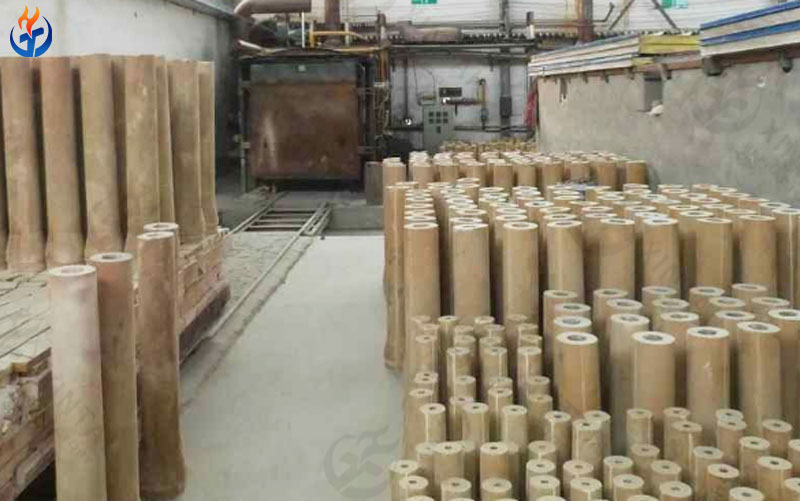
Precise batching and high-efficiency mixing systems guarantee uniform distribution of carbon and ceramic aggregates. Advanced isostatic pressing or vibration forming techniques are used to achieve high density and structural uniformity.
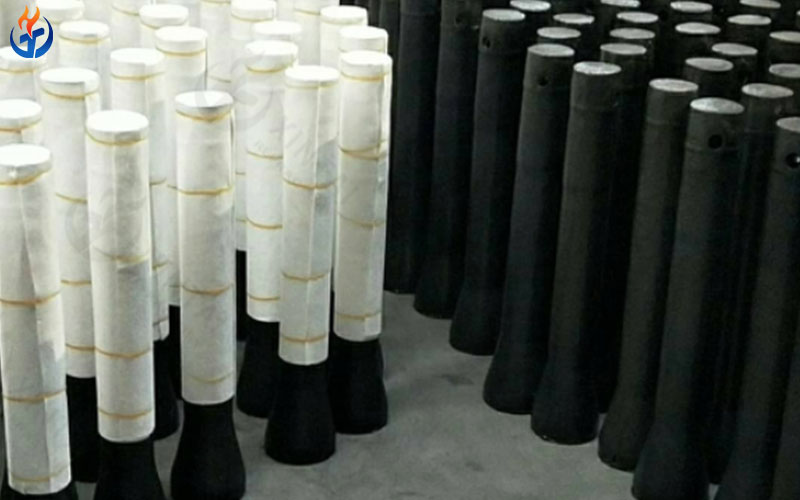
Machining and Tip Processing
After firing or resin bonding, each stopper rod undergoes precision machining to ensure accurate dimensions, smooth surface finish, and precise fit with tundish nozzles.
Packing and Shipping Details
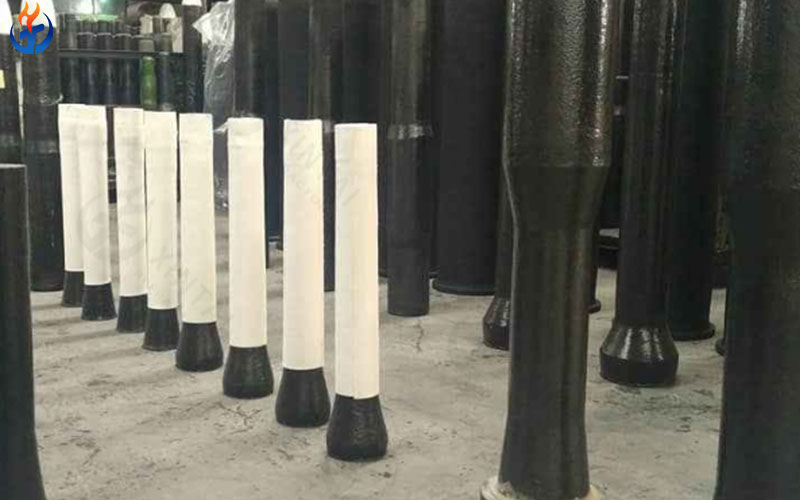
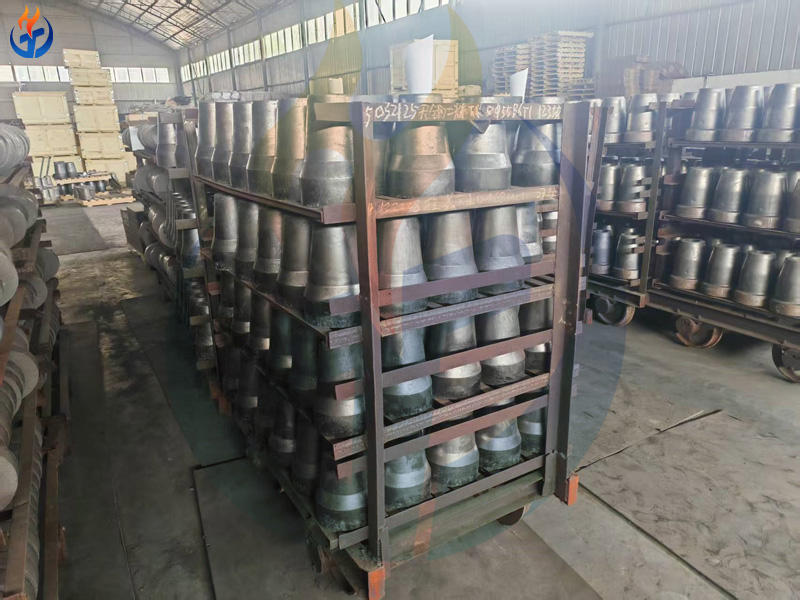
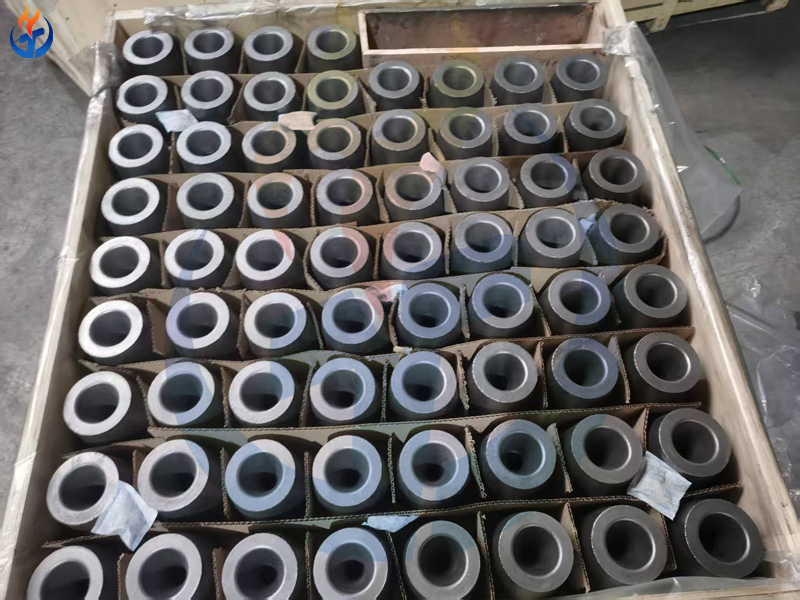
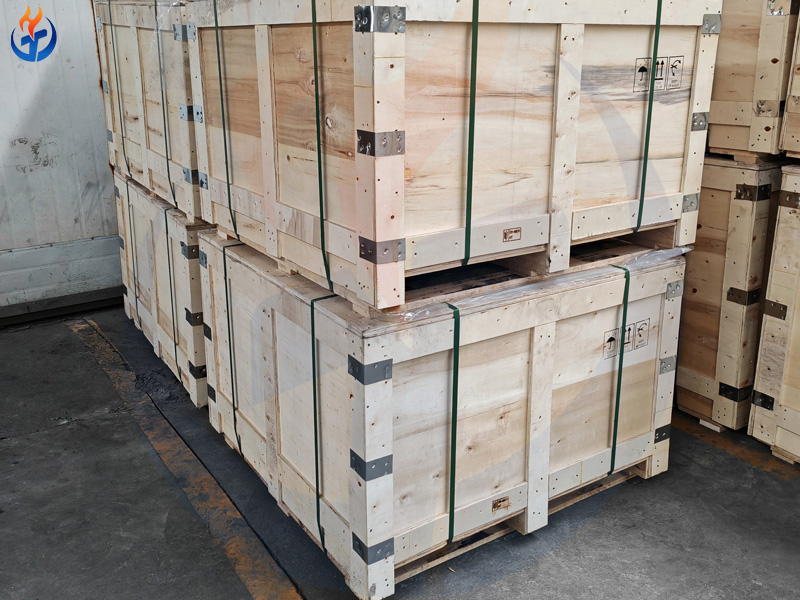
To ensure safe transportation and prevent damage during handling, Xintai Refractory adopts professional export packaging standards:
- Individual protective wrapping
- Shock-resistant tip protection
- Moisture-proof packaging film
- Fumigated wooden cases or export pallets
- Reinforced packaging for international shipment
- Clear identification labels and product specifications
We support:
- Sea freight
- Railway transportation
- Truck delivery
- Multimodal logistics solutions
Customized packaging requirements can also be accommodated.
Frequently Asked Questions (FAQ)
Q1: What is the function of a monoblock stopper rod?
A monoblock stopper rod controls and regulates molten steel flow from the tundish into the mold during continuous casting while ensuring reliable shut-off at the end of casting.
Q2: What is the difference between a monoblock stopper rod and a conventional stopper rod?
A monoblock stopper rod is manufactured as a single integrated unit, offering better mechanical strength, improved sealing performance, and longer service life compared to multi-piece designs.
Q3. Which steel grades can use monoblock stopper rods?
They are suitable for carbon steel, alloy steel, stainless steel, and special steel casting applications.
Q4: Can Xintai customize stopper rods according to casting machine specifications?
Yes. We provide customized dimensions, material compositions, tip designs, and flow-control solutions based on customer requirements.
Q5: How can I obtain a quotation?
Please provide the casting machine type, steel grade, dimensions, and operating conditions. Our technical team will recommend the most suitable solution and provide a competitive quotation promptly.