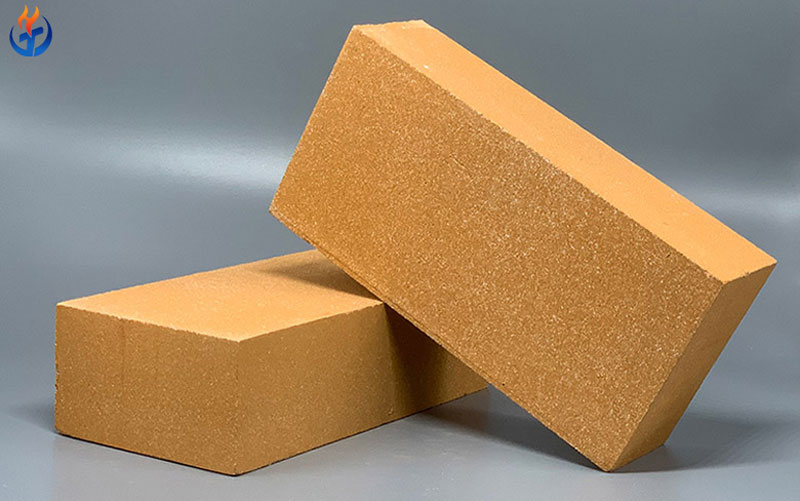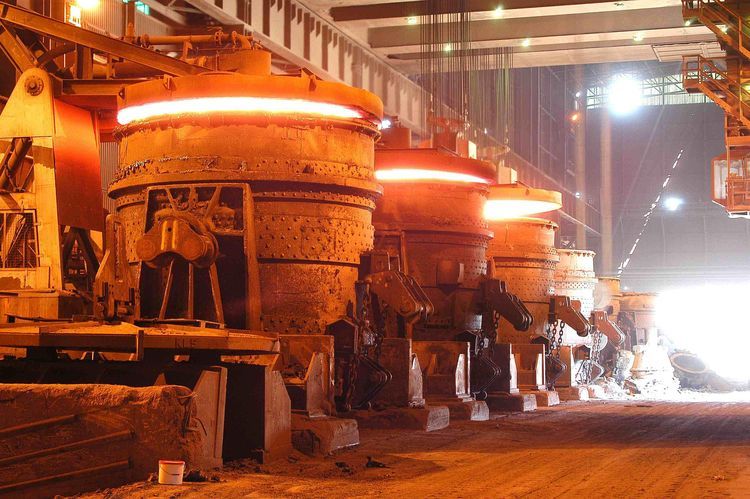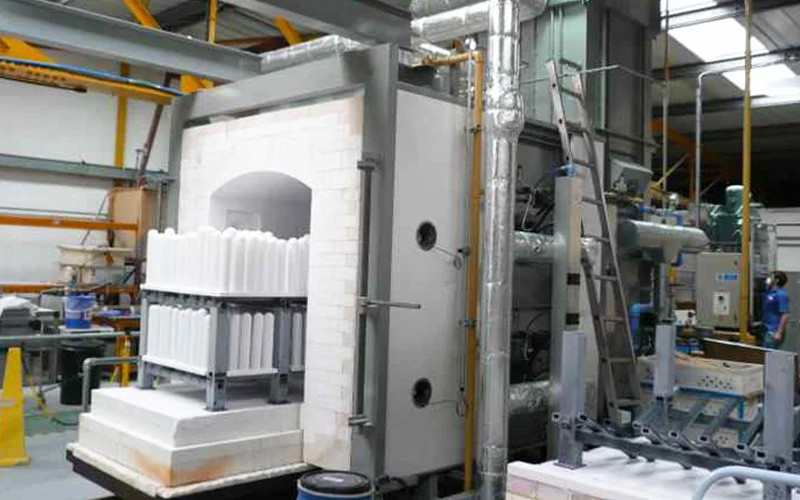
A Ladle Slide Gate Plate is a critical refractory component used to control and regulate the flow of molten steel during steelmaking and continuous casting. Installed in a slide gate system, the plate moves relative to another refractory plate to open, close, or adjust the flow of molten steel. Because the working conditions involve extremely high temperatures, mechanical pressure, molten steel erosion, thermal shock, and chemical corrosion, slide gate plates must combine high strength, dimensional stability, wear resistance, and excellent resistance to molten steel penetration.
Depending on the equipment structure, movement method, refractory material, firing process, and manufacturing method, Ladle Slide Gate Plate products can be divided into several major categories. Understanding these classifications helps steel mills select suitable plates for ladles, tundishes, and different casting conditions.
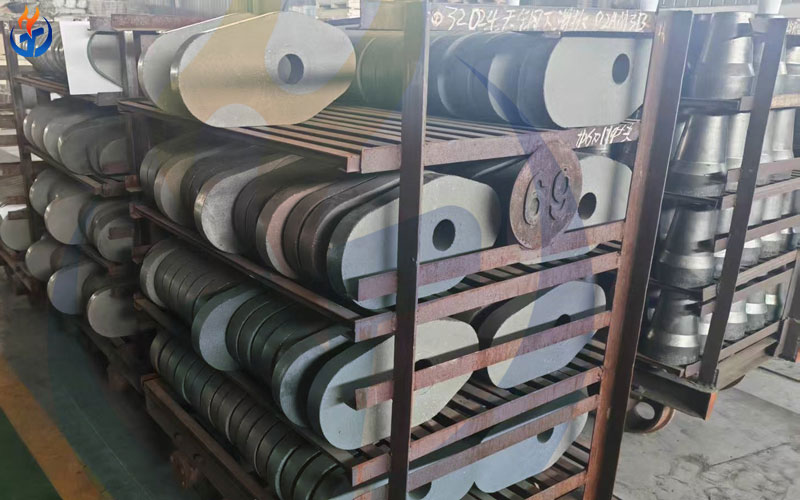
Classification by Number of Slide Plates
According to the number of refractory plates used in the slide gate system, Ladle Slide Gate Plate systems can generally be divided into two-plate systems and three-plate systems.
Two-Plate Slide Gate System
A two-plate slide gate consists mainly of an upper stationary plate and a lower sliding plate. During operation, the upper plate remains fixed while the lower plate moves with the mechanical operating mechanism.
As the lower plate moves, the openings in the two plates gradually overlap or separate. This movement controls the amount of molten steel flowing from the ladle. Two-plate systems are widely used in ladle slide gate mechanisms because of their relatively simple structure and reliable operation.
The refractory plates in this type of system must maintain accurate dimensions and a smooth working surface. Proper contact between the plates is important because excessive gaps may allow molten steel to penetrate between the sliding surfaces, while excessive friction can increase mechanical resistance and accelerate plate wear.
Three-Plate Slide Gate System
A three-plate slide gate normally consists of an upper plate, a middle sliding plate, and a lower plate. The upper and lower plates remain stationary, while the middle plate moves with the operating mechanism.
The middle plate controls and regulates molten steel flow by changing the alignment of the flow channels. Compared with a two-plate structure, the three-plate system provides greater flexibility for flow control and is commonly used in tundish slide gate mechanisms.
One important feature of a three-plate system is the fixation method of the middle sliding plate. Instead of relying only on refractory mortar, a metal strip or embedded metal plate can be used for fixation. This construction can help control cracking and improve the stability of the sliding plate during operation.
Because the three plates need to work together accurately, parallelism is particularly important. Poor parallelism can increase contact stress, cause uneven wear, create leakage paths, and negatively affect the service life of the slide gate system.
During the early stage of casting, proper control of the molten steel level and flow passage is also important. A stopper rod can be used to prevent molten steel from prematurely entering the nozzle passage and help maintain the required steel level in the tundish. During submerged nozzle replacement or related operations, measures must also be taken to prevent molten steel solidification and non-metallic inclusion blockage.
Classification by Movement Method
Ladle Slide Gate Plate systems can also be classified according to the movement direction of the sliding plate. The two principal types are linear slide gate systems and rotary slide gate systems.
Linear Slide Gate Plate
Linear slide gate systems use a straight-line movement of the sliding plate. The plate moves horizontally or along a predetermined linear path to change the overlap between the flow openings.
Linear systems are widely used in steel plants because of their relatively straightforward mechanical structure, convenient maintenance, and reliable flow control. They are currently the more common configuration in many steelmaking operations.
For linear systems, the flatness and parallelism of the refractory plate surfaces are especially important. The sliding surfaces must remain in close and stable contact while allowing the moving plate to operate smoothly under high-temperature conditions.
Rotary Slide Gate Plate
Rotary slide gate systems control molten steel flow through rotational movement. Instead of moving linearly, the corresponding refractory component rotates around an axis to change the opening between the plates.
Rotary systems are used less frequently than linear systems in many steel plants. Their application depends on equipment design, casting requirements, mechanical configuration, and maintenance considerations.
Classification by Refractory Material
Another important classification of Ladle Slide Gate Plate is based on refractory composition. Common material categories include high-alumina, alumina-carbon, alumina-zirconia-carbon, zirconia, magnesia, metal-bonded, and other specialized refractory materials.
High-Alumina Slide Gate Plate
High-alumina slide gate plates use alumina-rich refractory materials to provide good refractoriness, mechanical strength, and resistance to molten steel.
After forming, the plates may be impregnated with pitch and then subjected to controlled heat treatment. This process can improve strength and produce a dense and relatively uniform structure.
Phosphate additives may also be introduced to reduce the required firing temperature and improve dimensional stability. Better dimensional control can help reduce production defects, machining requirements, and grinding losses.
Zirconia Slide Gate Plate
Zirconia-based slide gate plates provide excellent resistance to chemical corrosion and strong resistance to mechanical erosion from molten steel.
However, zirconia is relatively expensive. Therefore, zirconia is often used selectively in areas exposed to particularly severe working conditions, such as embedded rings or localized inserts around the steel flow passage.
This approach combines the performance advantages of zirconia with a more economical overall refractory design.
Alumina-Carbon Slide Gate Plate
Alumina-carbon slide gate plates were developed as an important carbon-containing refractory solution. Their main raw materials can include sintered alumina and synthetic mullite, while carbon materials and antioxidants are added to improve high-temperature performance.
Typical additions may include metallic aluminum, silicon, silicon carbide, boron carbide, or other antioxidant systems. Phenolic resin or pitch-based binders can be used during mixing and forming.
After heat treatment in a controlled atmosphere, the material develops a carbon-bonded refractory structure. Its dense microstructure and relatively fine pores make it difficult for molten steel and slag to penetrate, providing good corrosion resistance.
However, the dense structure may reduce thermal shock resistance. Carbon can also oxidize during service, which may increase porosity and gradually reduce corrosion resistance.
Alumina-Zirconia-Carbon Slide Gate Plate
Alumina-zirconia-carbon is an advanced material developed to improve the performance limitations of conventional alumina-carbon plates.
This material can contain low-expansion Al₂O₃-SiO₂-ZrO₂ raw materials, with corundum, mullite, zirconia-containing phases, and carbon forming the principal structure. Zirconium mullite can be incorporated as an aggregate to improve thermal shock resistance.
The transformation behavior of zirconia at high temperatures can generate controlled microcracks within grains. These microcracks can help absorb thermal stress and improve resistance to thermal shock.
At the same time, zirconia provides strong resistance to molten steel and slag corrosion. As a result, alumina-zirconia-carbon has become an important choice for demanding slide gate applications, particularly in large-scale steelmaking operations.
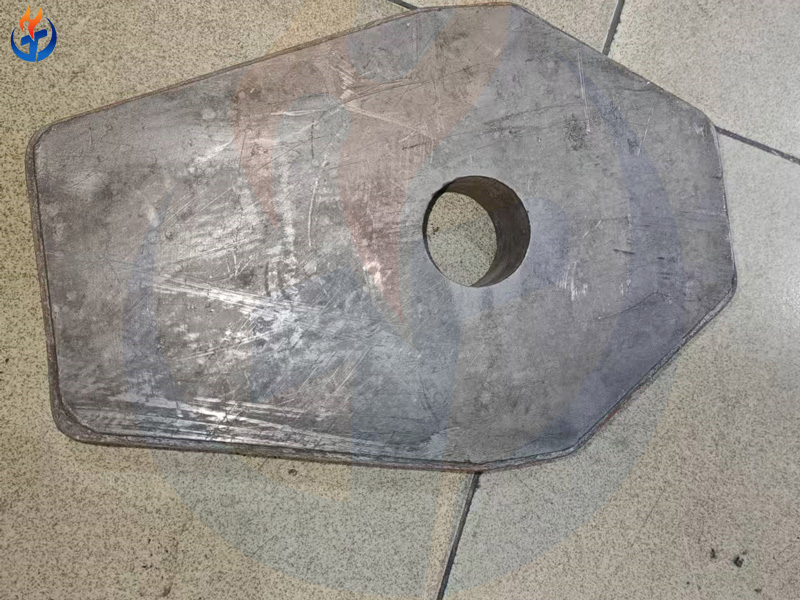
Classification by Firing Process
Ladle Slide Gate Plate products can also be classified according to their heat-treatment or firing method.
High-temperature fired slide gate plates are processed at relatively high temperatures to develop a stable refractory structure and high mechanical strength.
Medium-temperature fired slide gate plates use a controlled firing process designed to balance strength, dimensional stability, production cost, and refractory performance.
Unfired slide gate plates are produced without conventional high-temperature firing. Their performance relies on the selected raw materials, bonding system, carbon structure, and subsequent service conditions. They can offer advantages in manufacturing efficiency and energy consumption for suitable applications.
Classification by Forming Structure
From the manufacturing structure, slide gate plates can generally be divided into monolithic-material plates and composite-material plates.
A monolithic or full-material slide gate plate uses essentially the same refractory material throughout its main body. This structure can provide consistent thermal and mechanical properties and is often selected for large-capacity ladles, repeated continuous casting operations, or steelmaking processes with demanding service requirements.
Composite slide gate plates use different refractory materials in different functional areas. For example, a higher-performance material may be positioned around the molten steel passage, while a more economical material is used in less severely exposed areas.
This design can balance performance and cost. In some applications, composite plates are commonly selected for smaller-capacity ladles, while full-material plates are preferred for larger ladles and demanding continuous casting operations.
How to Select the Right Ladle Slide Gate Plate
Selecting a suitable Ladle Slide Gate Plate requires consideration of more than material grade alone. Steel type, ladle capacity, casting frequency, molten steel temperature, slag chemistry, flow rate, service cycles, slide gate mechanism, and maintenance practices all influence plate performance.
For demanding applications, alumina-zirconia-carbon or zirconia-containing designs may provide better corrosion and thermal shock resistance. For less severe operating conditions, alumina-carbon or high-alumina plates may provide a practical balance between performance and cost.
The correct combination of refractory material, plate structure, dimensional accuracy, surface finish, and mechanical compatibility is essential for stable molten steel flow and reliable casting performance.
Conclusion
The Ladle Slide Gate Plate can be classified from several perspectives, including the number of plates, movement method, refractory material, firing process, and forming structure. Two-plate and three-plate systems serve different equipment configurations, while linear systems are more widely used than rotary designs. Material choices range from high-alumina and alumina-carbon to zirconia and alumina-zirconia-carbon, each offering different combinations of corrosion resistance, thermal shock resistance, strength, and cost.
For steel producers, understanding these classifications makes it easier to match slide gate plates with specific ladle and tundish operating conditions. Proper material selection and accurate manufacturing are essential for controlling molten steel flow, reducing refractory failure, and improving the reliability of continuous casting operations.