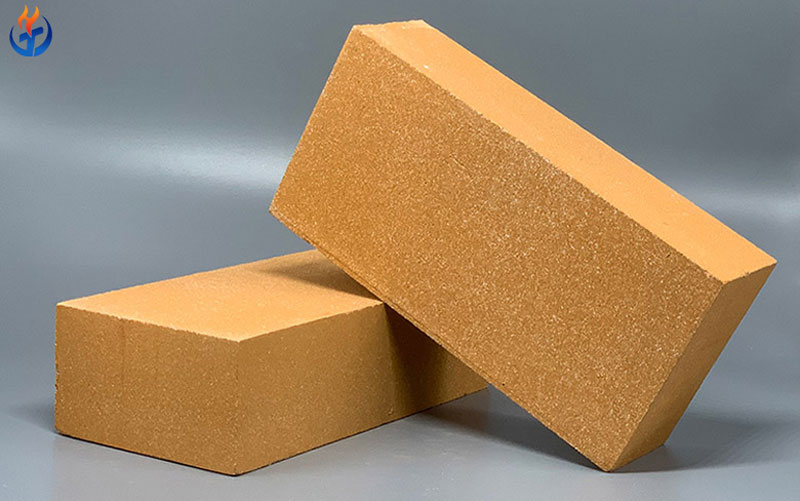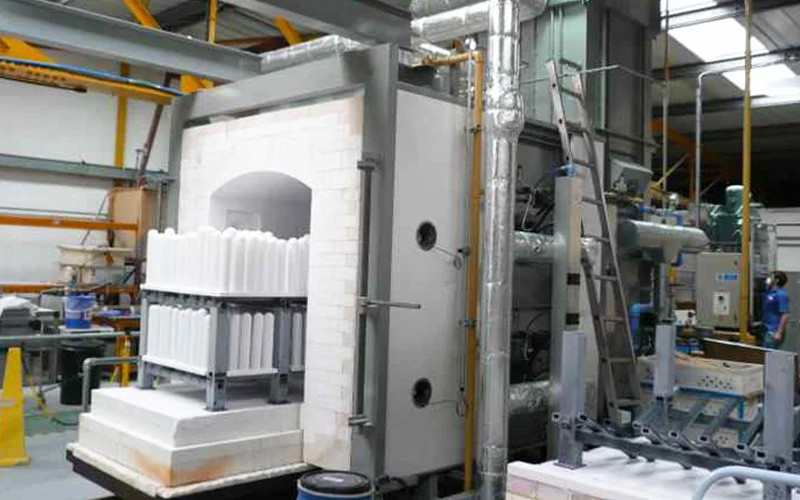
High alumina bricks are widely used as refractory linings in steelmaking furnaces, cement kilns, glass furnaces, heat treatment equipment, tunnel kilns, and other high-temperature industrial applications. Their performance directly affects furnace service life, maintenance frequency, production efficiency, and operating costs.
However, high alumina bricks produced by different refractory manufacturers can vary significantly in quality. Differences in raw materials, alumina content, manufacturing processes, firing temperature, forming pressure, and quality control can all affect the final properties of the brick.
For experienced refractory professionals, identifying a good high alumina brick may seem simple because they can often make a preliminary judgment from years of practical experience. For new buyers, however, it is important to turn this experience into clear and practical inspection methods.
So, how can you quickly evaluate the quality of a high alumina brick? Besides laboratory testing and technical certificates, visual inspection can provide useful preliminary information. This article explains several practical factors that buyers and refractory users should consider when identifying high alumina brick quality.
1. Check the Color and Surface Appearance
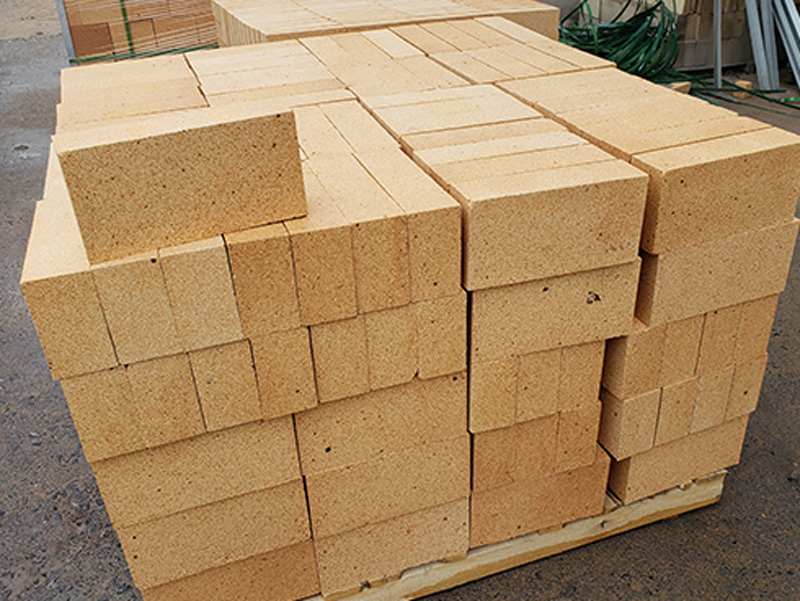
The first thing to examine is the overall color and surface appearance of the high alumina brick.
A good-quality high alumina brick generally has a relatively uniform appearance. The color should be reasonably consistent across the brick, without excessive discoloration, obvious burning defects, or large areas with abnormal color.
Color uniformity can provide a preliminary indication of whether the raw materials were mixed properly during production. If the raw materials are not distributed evenly, the chemical composition and physical properties may also vary from one part of the brick to another. This can result in uneven strength and potentially reduce the service life of the refractory lining.
The surface should also be reasonably smooth and dense for the specific type of brick. A rough or poorly formed surface may indicate problems with raw material preparation, molding pressure, drying, or firing.
However, surface appearance should only be considered a preliminary inspection method. Different high alumina brick grades and manufacturing processes can naturally produce different colors and textures.
2. Look for Surface Impurities and Black Spots
Another important factor is the amount of visible impurities on the surface.
When inspecting high alumina bricks, buyers may sometimes notice small black spots or dark areas. These can be associated with impurities in the raw materials, including iron-containing compounds and other mineral components.
In high-temperature applications, excessive iron-containing impurities can negatively affect refractory performance. Depending on the operating atmosphere and temperature, iron oxides may participate in chemical reactions and influence the microstructure of the brick.
Therefore, excessive visible impurities should be treated as a warning sign, especially when the application requires high purity, high refractoriness, or excellent resistance to chemical attack.
A high-quality product should have controlled raw material purity and a stable chemical composition. Buyers should therefore ask manufacturers for chemical analysis data rather than relying only on visual inspection.
3. Pay Attention to Cracks, Warping, and Edge Defects
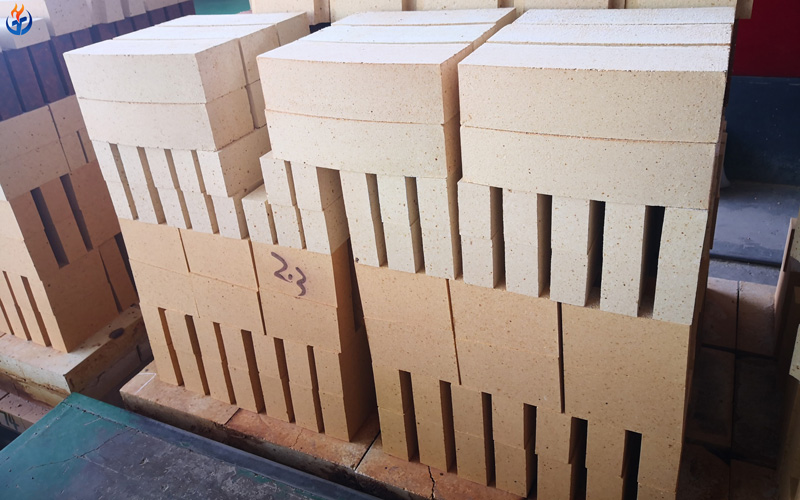
The physical condition of a brick is another important quality indicator.
Before accepting a shipment, inspect the bricks for:
- Visible cracks
- Large chips
- Broken corners
- Warped surfaces
- Uneven dimensions
- Severe deformation
- Large pores or abnormal cavities
- Firing cracks
Minor surface imperfections may sometimes be acceptable depending on the applicable product standard. However, significant cracks or deformation can affect installation quality and the mechanical integrity of the refractory lining.
Dimensional accuracy is particularly important when bricks are used in precisely designed furnace linings. Bricks with inconsistent dimensions may create larger joints during installation, requiring additional mortar or adjustment. Excessive joints can potentially create weak points in the lining.
4. Understand Alumina Content and Quality Grades
One of the most important factors distinguishing high alumina bricks is their Al₂O₃ content.
High alumina bricks are generally classified according to their alumina content, and different standards may define grades differently. Commercial products can include grades with approximately 48%, 55%, 60%, 65%, 70%, 75%, and even higher Al₂O₃ content.
As alumina content increases, the refractory material generally develops higher refractoriness and improved resistance to many high-temperature operating conditions. However, alumina content alone does not determine the overall quality of a refractory brick.
For example, two bricks with similar Al₂O₃ content may perform differently because of differences in:
- Raw material purity
- Mineral composition
- Manufacturing process
- Firing temperature
- Bulk density
- Apparent porosity
- Cold crushing strength
- Thermal shock resistance
- Microstructure
Therefore, buyers should never judge a high alumina brick solely by its nominal alumina percentage.
5. Distinguish High Alumina Bricks from Clay Bricks
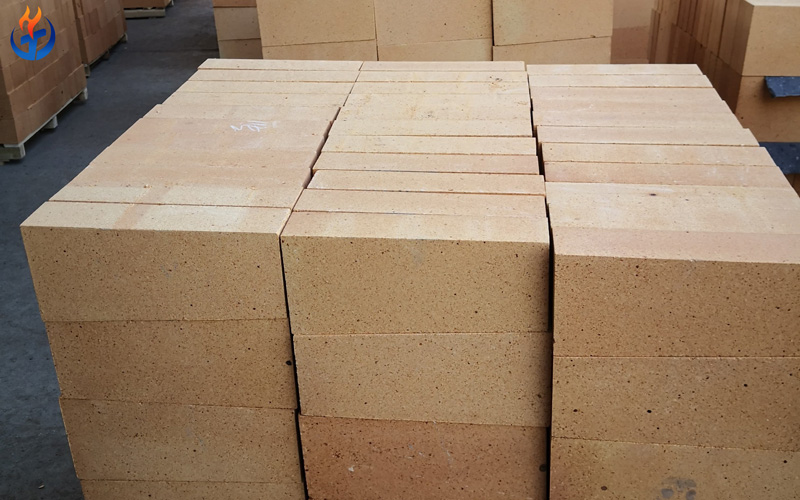
Understanding the difference between high alumina bricks and clay bricks is also important when evaluating refractory products.
Generally, refractory materials with lower alumina content may be classified as fire clay or clay-based refractory products, while higher-alumina products are classified as high alumina bricks.
Clay bricks are commonly manufactured using fire clay and other aluminosilicate raw materials. They can provide good thermal stability and are suitable for many general refractory applications.
High alumina bricks, on the other hand, contain a higher proportion of alumina-rich raw materials. Depending on the grade, they can provide better refractoriness, higher mechanical strength at elevated temperatures, and improved resistance to certain chemical environments.
The correct choice depends on the furnace design and operating conditions. A higher alumina content does not automatically mean that a particular brick is suitable for every application.
6. Check Bulk Density and Porosity
Bulk density is another useful technical indicator when evaluating high alumina bricks.
A higher-quality high alumina brick designed for demanding applications often has a relatively dense structure. Higher bulk density can be associated with lower open porosity and better resistance to penetration by molten materials, slag, and corrosive gases.
Apparent porosity is equally important. Excessive porosity can allow molten materials or corrosive substances to penetrate deeper into the refractory structure, accelerating chemical and structural damage.
However, the ideal density and porosity depend on the application. Some refractory products are specifically designed to balance thermal shock resistance, insulation performance, and mechanical strength.
Therefore, buyers should compare the manufacturer’s test data with the technical requirements of the intended furnace rather than simply choosing the product with the highest density.
7. Examine Mechanical Strength
Cold crushing strength is an important quality parameter for many high alumina bricks.
A brick with insufficient mechanical strength may be more vulnerable to damage during transportation, installation, and furnace operation. High mechanical strength can help the refractory lining withstand mechanical loads and maintain its structural integrity.
Nevertheless, high cold crushing strength does not necessarily mean excellent high-temperature performance.
For industrial refractory applications, buyers should consider multiple indicators together, including:
- Al₂O₃ content
- Bulk density
- Apparent porosity
- Cold crushing strength
- Refractoriness under load
- Permanent linear change
- Thermal shock resistance
- Chemical resistance
This provides a much more reliable evaluation than relying on a single specification.
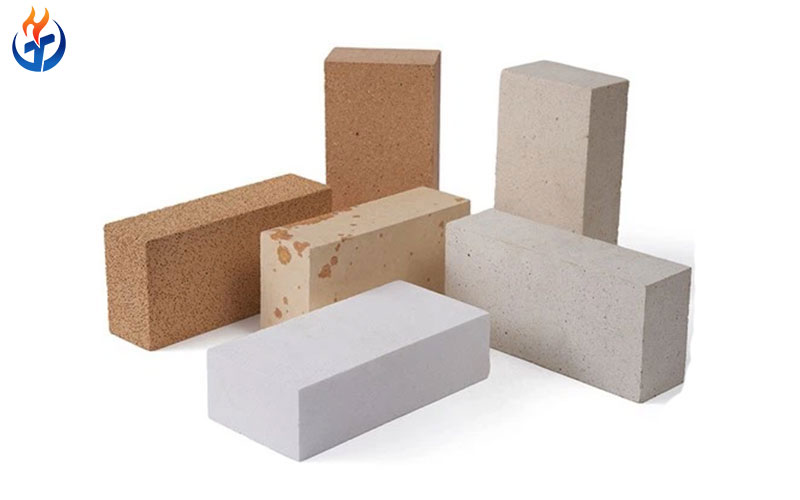
8. Understand Why High Alumina Bricks Can Have Different Colors
A common question from refractory users is: Why do high alumina bricks from different batches sometimes have different colors?
Color differences can be related to raw material composition, firing conditions, furnace atmosphere, cooling conditions, and the presence of iron or titanium compounds.
Under high-temperature reducing conditions, certain iron and titanium ions can undergo changes in oxidation state, which may influence the color of the finished refractory product. During cooling, changes in the furnace atmosphere and oxidation conditions can also affect the final appearance.
In addition, the position of a brick inside a kiln or firing furnace can influence its thermal history. Bricks exposed to different temperatures or atmospheric conditions may show differences in color even when they belong to the same general product category.
Therefore, color differences do not automatically mean that one brick is defective and another is qualified. Chemical composition, physical properties, firing conditions, and applicable standards should be considered together.
9. Consider the Manufacturing Process
The production process has a major influence on high alumina brick quality.
A typical manufacturing process may include raw material selection, crushing, grinding, batching, mixing, molding, drying, and high-temperature firing.
The proportion of calcined raw materials or high-alumina aggregates can also influence the final performance of the brick. For certain high alumina products, a relatively high proportion of calcined material may be used to control shrinkage and improve dimensional stability during firing.
Firing temperature and firing time are also critical. Insufficient firing may result in incomplete reactions and inadequate strength, while inappropriate firing conditions can cause excessive deformation or other defects.
Therefore, a reliable refractory manufacturer should have strict process control throughout the entire production chain.
10. Do Not Judge Quality by Appearance Alone
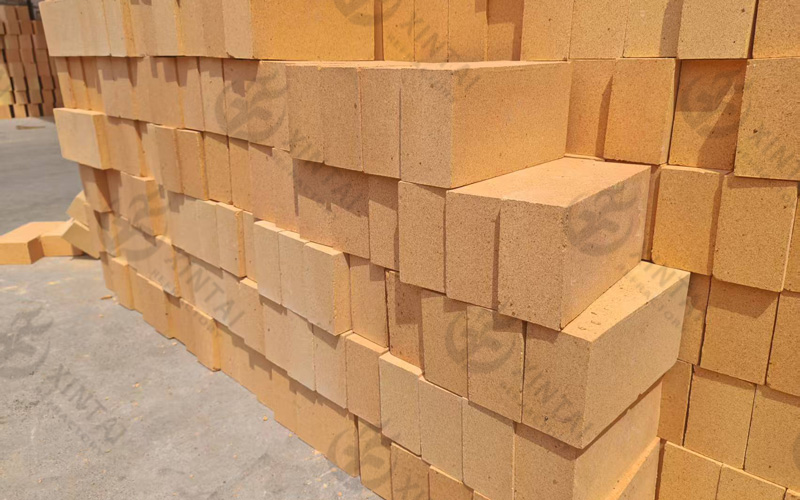
Visual inspection is useful, especially when purchasing large quantities of refractory bricks. It can help buyers identify obvious defects quickly and reject products with severe cracks, deformation, contamination, or inconsistent appearance.
However, visual inspection cannot replace professional testing.
For important industrial projects, buyers should request a product test report or certificate showing key technical parameters. Depending on the product and application, these may include:
| Property | Why It Matters |
|---|---|
| Al₂O₃ Content | Indicates alumina level and helps classify the product |
| Bulk Density | Reflects the compactness of the refractory structure |
| Apparent Porosity | Affects penetration resistance and durability |
| Cold Crushing Strength | Indicates mechanical strength |
| Refractoriness Under Load | Indicates deformation resistance at high temperature |
| Thermal Shock Resistance | Indicates resistance to repeated heating and cooling |
| Permanent Linear Change | Helps evaluate dimensional stability |
For critical furnace applications, laboratory testing and manufacturer quality documentation should always be combined with visual inspection.
11. Choose the Right Grade for the Application
The best high alumina brick is not necessarily the brick with the highest alumina content. The correct product is the one that matches the actual operating conditions.
For example, a refractory lining may be exposed to high temperature, thermal cycling, molten slag, alkaline compounds, mechanical abrasion, or corrosive gases. Different environments require different refractory properties.
High alumina bricks can be used in various applications, including:
- Steelmaking furnaces
- Blast furnace components
- Cement rotary kilns
- Tunnel kilns
- Glass furnaces
- Heat treatment furnaces
- Reheating furnaces
- Industrial boilers
- High-temperature processing equipment
Before selecting a product, buyers should provide the refractory manufacturer with information about operating temperature, furnace atmosphere, mechanical load, contact materials, thermal cycling, and installation conditions.
The manufacturer can then recommend an appropriate alumina grade and refractory composition.
Conclusion
Identifying the quality grade of high alumina bricks requires more than simply looking at their color. Surface appearance, color uniformity, impurities, cracks, dimensional accuracy, alumina content, density, porosity, mechanical strength, and manufacturing quality should all be considered.
Visual inspection can provide a fast preliminary assessment, but laboratory data and technical documentation are essential for important industrial applications.
Most importantly, buyers should avoid judging refractory quality based on a single parameter. A high alumina brick with excellent Al₂O₃ content may still be unsuitable if its density, porosity, firing quality, thermal shock resistance, or high-temperature performance does not match the application.
By combining visual inspection, technical specifications, laboratory testing, and manufacturer experience, buyers can make more reliable decisions and reduce the risks associated with premature refractory failure, unexpected maintenance, production downtime, and increased operating costs.
For demanding high-temperature applications, working with an experienced high alumina brick manufacturer is one of the most effective ways to ensure that the selected refractory material meets the actual requirements of the furnace.