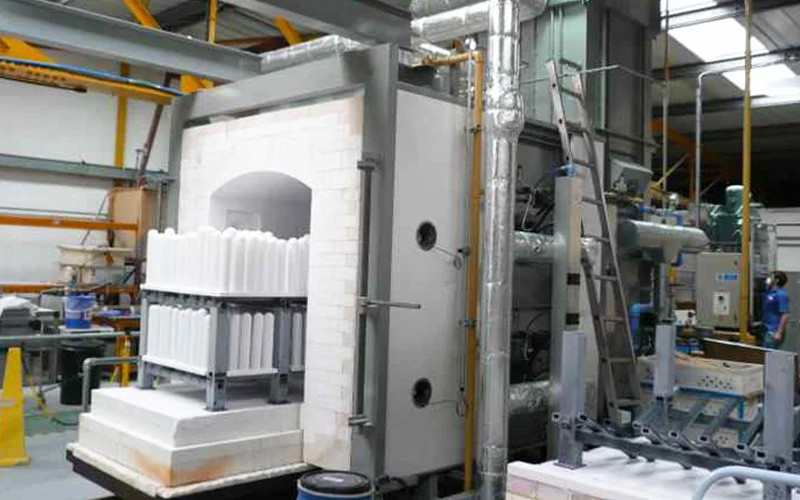
Rotary kilns are widely used in hazardous waste incineration, cement production, metallurgy, chemical processing, and other high-temperature industries. Because a rotary kiln operates under continuous rotation, high temperatures, thermal cycling, mechanical impact, and chemical attack, the refractory lining inside the kiln plays a critical role in protecting the steel shell and maintaining stable operation.
Choosing the right rotary kiln refractory materials is therefore not simply a matter of selecting a product with a high service temperature. The refractory lining must also withstand abrasion, thermal shock, chemical corrosion, mechanical stress, and repeated heating and cooling. In hazardous waste incineration applications, the selection process becomes even more demanding because waste composition can vary significantly and may contain chlorides, sulfur compounds, alkalis, heavy metals, and other aggressive substances.
This article explains the major key selection points for rotary kiln refractory materials, as well as important considerations for installation, heating, and maintenance.
What Are Rotary Kiln Refractory Materials?
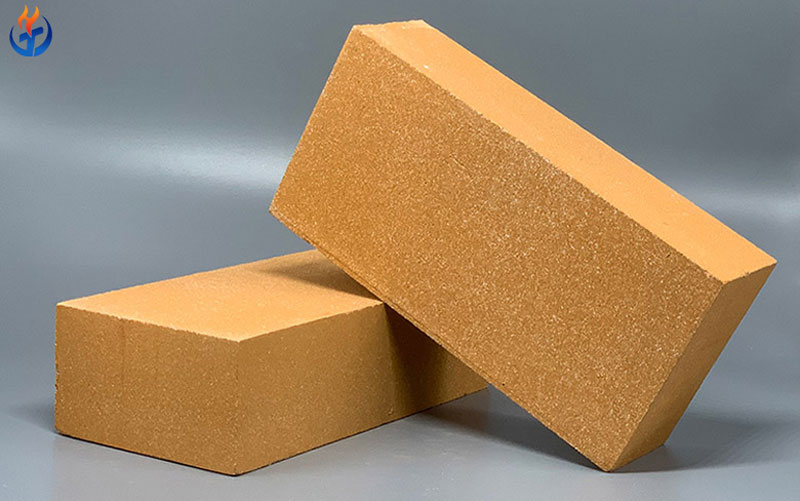
Rotary kiln refractory materials are heat-resistant materials installed inside a rotary kiln to protect the kiln shell from extreme temperatures and aggressive operating conditions. They form a thermal and chemical barrier between the processed material, combustion gases, or molten substances and the metal shell of the kiln.
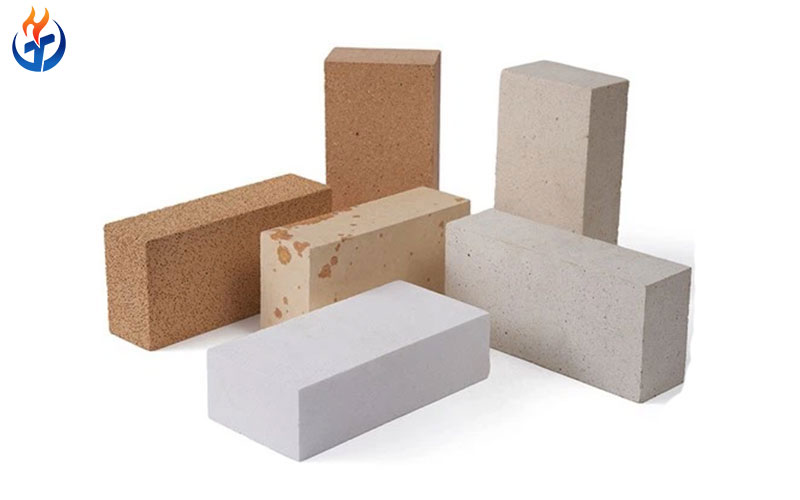
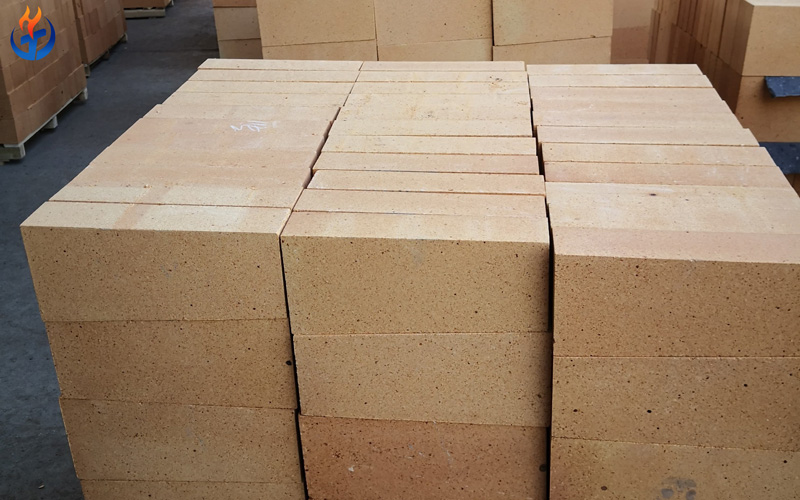
Depending on the kiln design and operating conditions, refractory linings may include refractory bricks, castables, ramming materials, insulating refractories, and other specially formulated products.
The refractory lining generally needs to perform several functions at the same time:
- Protect the steel shell from excessive heat
- Maintain a suitable internal operating temperature
- Resist mechanical wear and impact
- Resist chemical corrosion and infiltration
- Withstand thermal expansion and contraction
- Maintain structural stability during continuous rotation
- Reduce heat loss from the kiln
- Extend kiln operating periods between maintenance shutdowns
For this reason, refractory selection should be based on the actual working environment rather than relying on a single technical specification.
Key Selection Points for Rotary Kiln Refractory Materials
1. High Temperature Resistance
Temperature resistance is one of the most basic requirements for rotary kiln refractory materials.
In hazardous waste incineration, the internal temperature of a rotary kiln can remain above 800°C, while some areas may experience substantially higher temperatures. The refractory lining must maintain its mechanical strength and dimensional stability at the expected operating temperature.
A refractory material with a high maximum service temperature can provide a greater safety margin. However, the maximum service temperature should not be considered independently. A material may have excellent temperature resistance but still perform poorly if it has inadequate corrosion resistance, thermal shock resistance, or mechanical strength.
Therefore, the actual operating temperature, temperature fluctuations, flame conditions, material characteristics, and kiln design should all be considered when selecting the refractory grade.
2. High Mechanical Strength
A rotary kiln is different from a stationary furnace because its refractory lining is continuously exposed to mechanical movement.
The kiln rotates during operation, while solid waste, clinker, minerals, ash, or other materials move along the refractory lining. This can generate impact, friction, and abrasion.
At the same time, the kiln shell can deform slightly under thermal and mechanical loads. The refractory lining must therefore have sufficient mechanical strength to remain stable under these conditions.
High-strength refractory materials can help reduce problems such as:
- Cracking
- Crushing
- Brick displacement
- Joint loosening
- Surface wear
- Localized spalling
- Lining collapse
For applications involving heavy materials or significant mechanical impact, strength and abrasion resistance should receive particular attention.
3. Excellent Wear and Abrasion Resistance
Wear resistance is another important consideration when selecting rotary kiln refractory materials.
As the kiln rotates, the processed material continuously contacts the refractory lining. In hazardous waste applications, solid waste, ash, slag, and other residues may cause mechanical abrasion.
If the refractory surface wears too quickly, the lining becomes thinner and the kiln shell may eventually be exposed to excessive heat.
Refractory materials with good abrasion resistance can help maintain lining thickness and reduce the frequency of repairs. The appropriate wear resistance depends on the material being processed, feed rate, particle size, kiln rotation speed, and internal operating conditions.
4. Chemical Corrosion Resistance
Chemical attack is particularly important in hazardous waste rotary kilns.
Hazardous waste can contain chlorine, sulfur, alkalis, acidic compounds, heavy metals, and other chemical components. During high-temperature treatment, these substances may react with the refractory lining or penetrate into its pores.
Chemical infiltration can cause:
- Structural deterioration
- Surface softening
- Volume changes
- Cracking
- Spalling
- Reduced refractoriness
- Accelerated lining wear
For this reason, rotary kiln refractory materials should have good chemical stability and resistance to the specific corrosive substances present in the kiln.
Low porosity is also beneficial because fewer interconnected pores can reduce the penetration of corrosive gases and molten substances into the refractory body.
5. Low Apparent Porosity
Porosity directly affects the ability of refractory materials to resist infiltration.
When a refractory lining has excessive open porosity, high-temperature gases, liquids, and molten materials can penetrate deeper into the structure. Chemical reactions may then occur inside the refractory rather than only on its surface.
Lower apparent porosity can help reduce:
- Gas penetration
- Slag infiltration
- Chemical corrosion
- Internal structural damage
- Accelerated degradation
However, porosity should be considered together with other properties such as thermal conductivity and thermal shock resistance. The optimal structure depends on the specific application.
6. Good Thermal Shock Resistance
Rotary kilns often experience temperature changes during startup, shutdown, abnormal operation, and maintenance.
Repeated heating and cooling create thermal stresses within the refractory lining. If the material cannot accommodate these stresses, cracks may develop.
Good thermal shock resistance helps the refractory withstand repeated temperature changes without excessive cracking or spalling.
This is particularly important for hazardous waste incineration systems because operational interruptions and changes in feed conditions may produce significant thermal fluctuations.
7. Controlled Thermal Expansion
Thermal expansion must also be considered when designing a rotary kiln refractory lining.
The steel shell and refractory lining do not necessarily expand at the same rate when heated. If the expansion behavior is not properly considered, excessive stress can develop between the lining and kiln shell.
Possible consequences include:
- Brick cracking
- Joint failure
- Refractory displacement
- Buckling
- Spalling
- Localized lining damage
Therefore, the thermal expansion characteristics of the selected refractory should be compatible with the kiln design and installation method. Proper expansion joints and structural arrangements are also essential.
Selecting Refractory Materials According to Different Kiln Zones
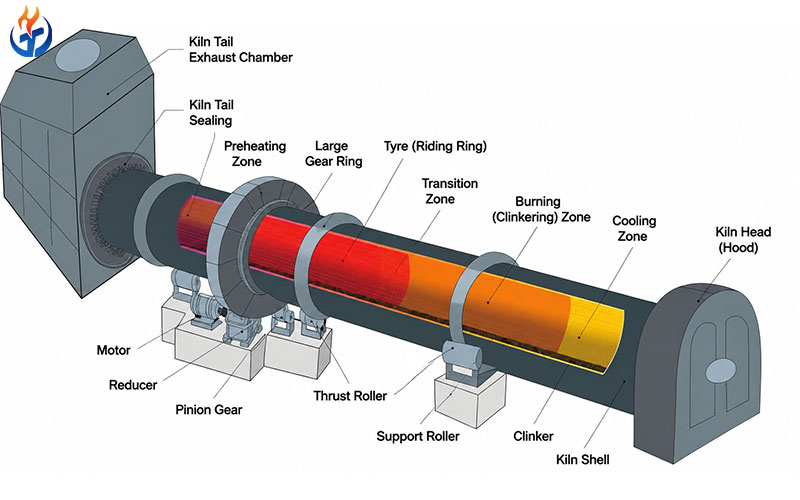
Not every area inside a rotary kiln experiences the same conditions. Therefore, using the same refractory material throughout the entire kiln may not always be the best solution.
The feed zone may experience significant mechanical impact and abrasion. The combustion zone can be exposed to very high temperatures and aggressive gases. The discharge zone may experience different combinations of thermal, chemical, and mechanical stress.
A zoned refractory design can therefore provide better overall performance.
For example:
- Feed zone: Emphasis on mechanical strength and abrasion resistance
- Combustion zone: Emphasis on high-temperature resistance, corrosion resistance, and thermal shock resistance
- Discharge zone: Emphasis on wear resistance and resistance to chemical attack
- Areas with severe chemical exposure: Emphasis on low porosity and chemical stability
The exact refractory combination should be determined according to the kiln process, temperature distribution, waste composition, and operating conditions.
Importance of Refractory Thickness and Brick Design
The thickness and dimensions of the refractory lining should be designed according to the specific kiln.
A lining that is too thin may provide insufficient thermal protection, while an unnecessarily thick lining can increase weight and affect the available internal volume and mechanical loading.
Refractory brick dimensions should also match the kiln diameter and curvature. Properly designed shapes can reduce installation difficulties and improve contact between adjacent bricks.
In some hazardous waste incineration projects, high-alumina refractory materials with Al₂O₃ content of around 80% or higher may be considered for demanding zones, depending on the chemical environment and temperature requirements. However, the appropriate composition should always be determined from actual operating conditions rather than using a single grade for every project.
How to Extend the Service Life of Rotary Kiln Refractory Materials
Correct material selection is only the first step. Proper operation and maintenance are equally important.
Control Operating Temperature
Avoid unnecessary temperature fluctuations and excessive overheating. Stable operating conditions can reduce thermal stress and slow refractory degradation.
Control Feed Composition
In hazardous waste treatment, changes in waste composition can significantly affect refractory wear. Excessive concentrations of chlorine, sulfur, alkalis, or low-melting-point substances may accelerate chemical attack.
Monitoring feed characteristics can therefore help protect the refractory lining.
Prevent Excessive Slag or Kiln Coating
A certain amount of stable coating can sometimes protect the refractory surface. However, excessive buildup can increase mechanical loading and create uneven stress on the kiln shell and lining.
The thickness of kiln coating should therefore be monitored and controlled according to the specific process.
Perform Regular Inspections
Regular inspection is essential for identifying early-stage refractory damage.
Operators should look for:
- Cracks
- Loose bricks
- Missing bricks
- Spalling
- Excessive wear
- Joint opening
- Localized overheating
- Abnormal coating buildup
Early detection allows damaged sections to be repaired before they develop into larger failures.
Conclusion
The selection of rotary kiln refractory materials should be based on a comprehensive evaluation of temperature, mechanical stress, abrasion, chemical corrosion, thermal shock, thermal expansion, porosity, kiln structure, and operating conditions.
For hazardous waste rotary kilns in particular, refractory materials need to withstand complex environments involving high temperatures, aggressive gases, slag, thermal cycling, and mechanical movement. High temperature resistance alone is not sufficient.
A successful refractory lining system requires three elements working together: the right refractory material, the correct installation method, and scientific operation and maintenance.
By selecting refractory materials according to different kiln zones, controlling thermal expansion, ensuring proper installation, following a controlled heating schedule, and conducting regular inspections, operators can significantly reduce refractory damage and extend the service life of the rotary kiln lining.
For each project, the final refractory specification should be determined according to the actual kiln design, operating temperature, waste composition, chemical environment, mechanical conditions, and expected service life. A properly engineered refractory lining can improve kiln reliability, reduce unplanned shutdowns, and support safer and more efficient high-temperature processing.