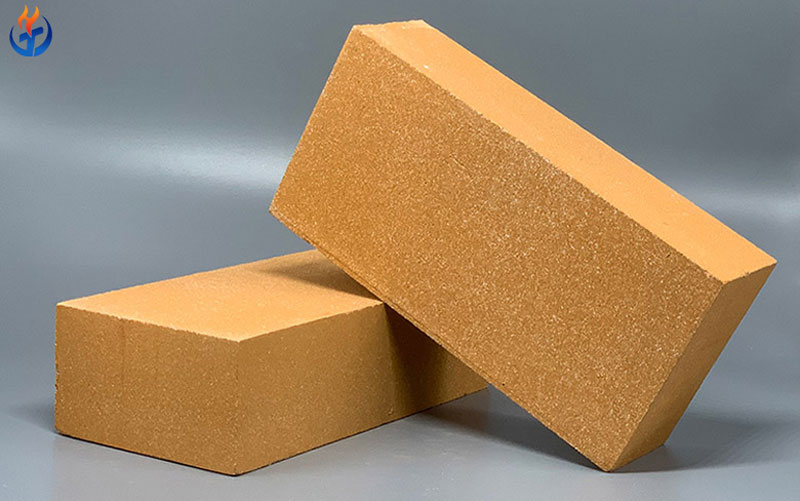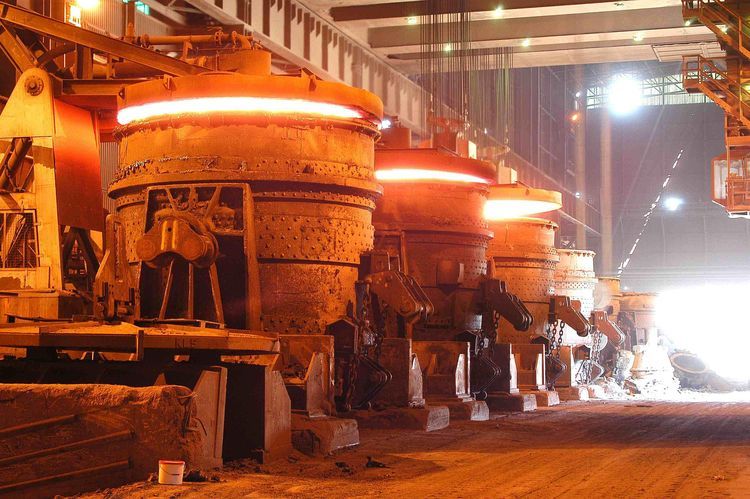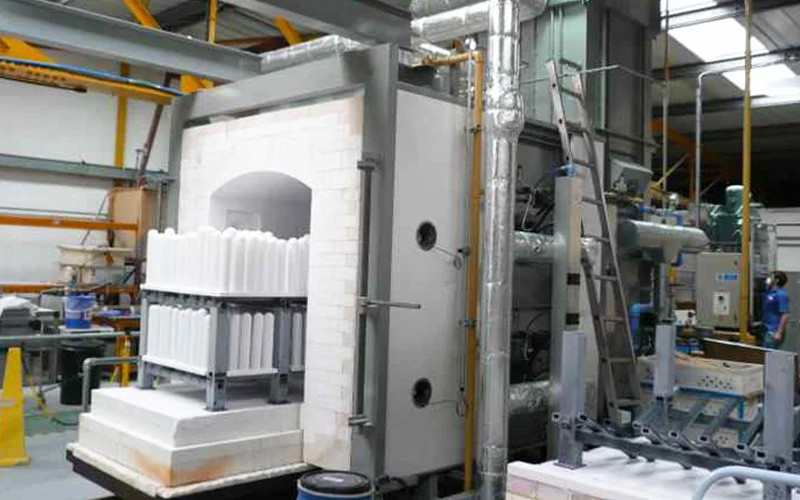
Tundish well blocks are important refractory components used in continuous steel casting systems. Installed in the bottom of the tundish around the well nozzle, these blocks help control the flow of molten steel from the tundish into the mold while protecting the surrounding refractory lining from severe thermal, chemical, and mechanical conditions. Because tundish well blocks are exposed directly or indirectly to molten steel, slag, thermal shock, erosion, and corrosion, the selection of refractory materials has a major influence on casting stability, service life, steel cleanliness, and overall production efficiency.
Different steelmaking operations require different refractory compositions. Materials commonly used for Tundish Well Blocks include high-alumina materials, magnesia-based materials, zirconia-containing materials, alumina-magnesia compositions, and carbon-containing refractory systems. The appropriate material depends on steel grade, casting temperature, slag chemistry, casting speed, expected service life, and compatibility with the well nozzle and other tundish refractories.
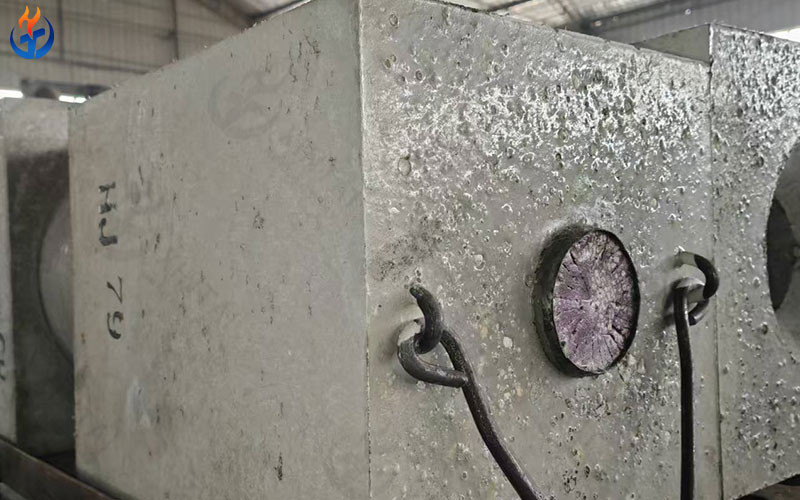
What Are Tundish Well Blocks?
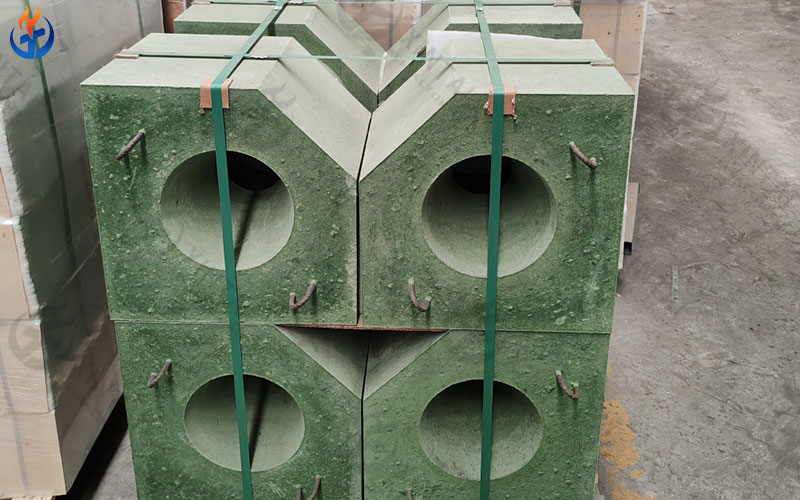
Tundish well blocks are prefabricated refractory shapes positioned around the tundish well and nozzle area. Their primary purpose is to provide a stable and durable refractory structure through which molten steel can pass toward the submerged entry nozzle or mold.
The well area experiences particularly demanding operating conditions. Molten steel may reach temperatures above 1,500°C, while the refractory is subjected to continuous contact with high-temperature metal and potentially aggressive slag. At the same time, the opening through the well block must maintain its dimensional stability to ensure consistent steel flow.
A well block therefore needs to combine several properties, including high refractoriness, resistance to thermal shock, mechanical strength, erosion resistance, corrosion resistance, and good dimensional stability.
High-Alumina Materials
High-alumina refractory materials are among the most widely considered materials for tundish well block production. Alumina provides high refractoriness and good resistance to molten steel and many types of slag.
High-alumina well blocks can be produced using carefully selected alumina aggregates and fine powders. Depending on the required performance, alumina content can vary significantly. Higher alumina content generally provides excellent resistance to high temperatures and chemical attack, although the final performance also depends on the matrix design, bonding system, porosity, and manufacturing process.
The main advantages of high-alumina materials include:
- High refractoriness
- Good mechanical strength at elevated temperatures
- Good resistance to molten steel erosion
- Relatively good chemical stability
- Compatibility with many tundish refractory systems
High-alumina materials are particularly suitable when resistance to steel penetration and erosion is an important consideration.
Magnesia-Based Materials
Magnesia, or magnesium oxide (MgO), is another important refractory material used in steelmaking applications. MgO has a very high melting point and good resistance to basic slags, making it useful in environments where slag chemistry can be aggressive toward alumina-based refractories.
Magnesia-based well blocks may be selected for applications involving basic steelmaking slags or demanding chemical conditions. Their performance depends heavily on the purity, grain size distribution, bonding system, and microstructure of the refractory.
One important consideration is thermal shock. Pure magnesia refractories can have limitations under certain rapid heating and cooling conditions. Therefore, manufacturers may modify the composition or microstructure to improve thermal shock resistance and overall durability.
Alumina-Magnesia Materials
Alumina-magnesia refractory compositions combine the advantages of alumina and magnesia. These materials can provide a useful balance between high-temperature performance, corrosion resistance, and mechanical stability.
The proportion of alumina and magnesia can be adjusted according to the intended operating conditions. During firing, reactions between alumina and magnesia can also influence the microstructure and produce phases such as spinel. In refractory applications, spinel formation can contribute to improved resistance against certain slags and molten steel.
Alumina-magnesia compositions are therefore attractive for well blocks that require both strong chemical resistance and reliable structural performance.
Zirconia-Containing Materials
Zirconia (ZrO₂) is valued for its excellent resistance to corrosion and erosion in many high-temperature metallurgical environments. Zirconia-containing refractory materials may be used in areas where extremely high resistance to molten metal attack is required.
Zirconia has a high melting temperature and can provide excellent resistance to molten steel and slag. However, zirconia is generally more expensive than common refractory raw materials such as alumina and magnesia. For this reason, zirconia is often used selectively rather than as the primary material throughout an entire tundish refractory system.
Zirconia-containing compositions can be particularly useful in critical wear areas where extending refractory life justifies the higher material cost.
Carbon-Containing Refractory Materials
Carbon is also used in some steelmaking refractories because it offers excellent resistance to thermal shock and good resistance to molten metal penetration. Carbon-containing refractory systems can be designed using graphite or other carbon sources combined with ceramic refractory components.
However, carbon-containing materials have limitations. Carbon can oxidize when exposed to oxygen at high temperatures, so antioxidant additives and appropriate processing methods may be required. In addition, carbon compatibility must be considered carefully when designing the complete tundish refractory system.
For specific casting conditions, carbon-containing compositions can provide an effective combination of thermal shock resistance, erosion resistance, and structural stability.
Why Material Selection Matters
Selecting the right material for Tundish Well Blocks is not simply a matter of choosing the refractory with the highest alumina content or the highest refractoriness. The actual operating environment must be considered.
Several factors can influence material selection.
Steel Grade
Different steel grades can have different requirements regarding refractory interaction. Certain alloying elements and steel-cleanliness requirements may make some refractory compositions more suitable than others.
Casting Temperature
Higher casting temperatures increase thermal stress and chemical attack. A well block must retain sufficient strength and dimensional stability throughout the casting operation.
Slag Chemistry
Tundish slag can contain oxides such as CaO, SiO₂, Al₂O₃, and MgO. The chemical interaction between slag and refractory can cause corrosion and penetration. A refractory material should therefore be selected according to the actual slag composition.
Casting Speed
Higher casting speeds can increase the flow velocity of molten steel through the well area. This may accelerate refractory erosion, particularly around the opening and areas exposed to turbulent flow.
Required Service Life
If the tundish is expected to operate for longer casting sequences, the refractory must maintain its physical and chemical properties for an extended period. Higher-performance materials may therefore be justified even when their initial cost is higher.
Important Performance Properties
A high-quality tundish well block should possess a combination of properties rather than relying on a single performance characteristic.
Refractoriness: The material must withstand extremely high temperatures without melting or losing its structural integrity.
Corrosion resistance: Resistance to chemical attack from molten steel and tundish slag is essential for maintaining service life.
Erosion resistance: The material must withstand continuous molten-steel flow without excessive wear or enlargement of the well opening.
Thermal shock resistance: Rapid temperature changes can cause cracking. Good thermal shock resistance helps prevent premature failure during preheating and casting.
Mechanical strength: The well block must maintain its shape during handling, installation, preheating, and casting.
Dimensional stability: Changes in the geometry of the well opening can affect steel flow and casting performance.
Low penetration: Limiting the penetration of molten steel and slag into the refractory structure can help reduce structural damage.
How to Choose the Right Tundish Well Block Material
When purchasing or specifying Tundish Well Blocks, buyers should consider more than material name alone. The supplier should understand the actual casting environment and recommend a composition based on operating conditions.
Important technical information may include:
- Steel grade and chemical composition
- Casting temperature
- Casting speed
- Tundish capacity
- Slag composition
- Expected casting sequence length
- Well nozzle design
- Preheating temperature
- Required refractory service life
- Previous refractory failure problems
A customized refractory formulation may provide better results than using a standard composition for every application.
Conclusion
Tundish Well Blocks operate in one of the most demanding areas of a continuous steel casting system. Their material must withstand high temperatures, molten steel flow, slag attack, thermal cycling, and mechanical stress while maintaining a stable well opening.
High-alumina, magnesia, alumina-magnesia, zirconia-containing, and carbon-containing refractory materials can all play important roles depending on the application. Among these, high-alumina and alumina-magnesia systems are widely suitable for many applications, while magnesia and zirconia-based compositions can provide advantages under specific chemical and thermal conditions.
Ultimately, the best material is determined by the complete operating environment rather than by chemical composition alone. Proper formulation, manufacturing control, installation, and compatibility with the surrounding tundish refractory system are all essential for achieving reliable performance.
For steel producers, selecting well blocks with the appropriate combination of corrosion resistance, erosion resistance, thermal shock resistance, strength, and dimensional stability can help maintain consistent molten-steel flow, reduce refractory consumption, minimize unplanned interruptions, and improve the efficiency of continuous casting operations.