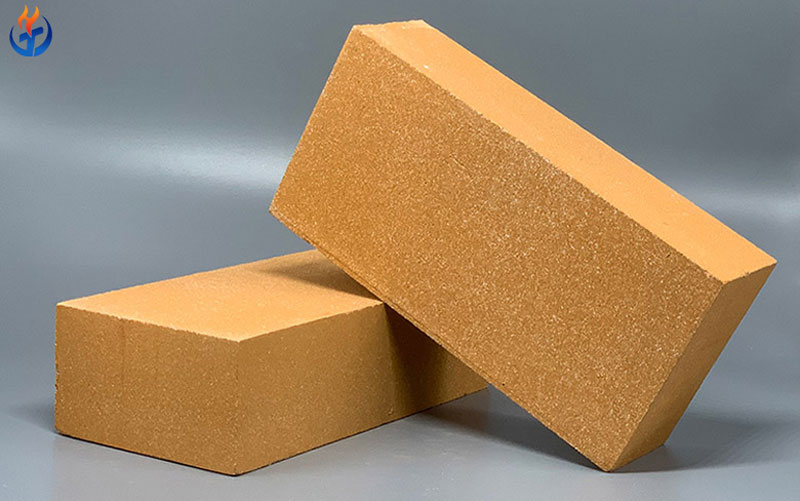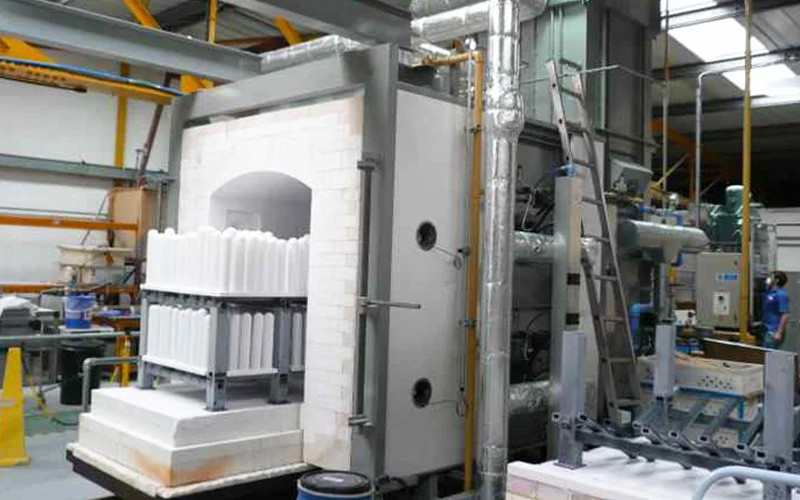
Heat treat ovens are essential industrial equipment used for processes such as hardening, tempering, annealing, stress relieving, and metal aging. These operations require stable and controlled high-temperature environments to achieve consistent material properties. The refractory lining inside a heat treat oven plays a critical role in maintaining temperature stability, reducing heat loss, and protecting the furnace structure from thermal damage.
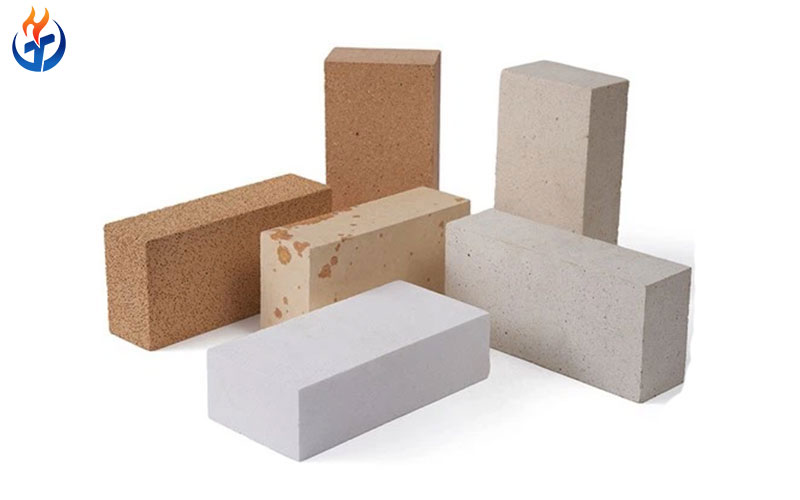
Choosing the right fire brick for heat treat oven is one of the most important decisions for improving furnace efficiency and extending service life. Different sections of a heat treatment furnace experience different levels of temperature, thermal cycling, mechanical stress, and chemical exposure. Therefore, selecting refractory bricks according to specific operating conditions is necessary to ensure reliable performance.
This guide explains the main types of refractory bricks used in heat treat ovens, their key properties, installation considerations, and how to choose the best materials for different furnace zones.
Working Conditions Inside Heat Treat Ovens
A heat treat oven is usually divided into several functional areas, and each area has different refractory requirements.
High Temperature Zone
The hot face or high-temperature zone is directly exposed to heat radiation and sometimes flame or hot gases. Temperatures in this area can reach 1200°C or higher.
Refractory materials used in this zone must have:
- High refractoriness
- Excellent thermal shock resistance
- Strong mechanical strength
- Good resistance to oxidation and chemical attack
High alumina bricks, corundum mullite bricks, and silicon carbide products are commonly selected for these demanding areas.
Intermediate Temperature Zone
The intermediate zone generally operates between 800°C and 1100°C. Compared with the hot zone, the thermal stress is lower, making it possible to use more economical refractory materials.
Common choices include:
- Fire clay bricks
- Standard high alumina bricks
- General refractory lining materials
These materials provide a good balance between performance and cost.
Insulation and Backup Zone
The outer layers of a heat treat oven do not face direct high-temperature exposure but are important for energy conservation.
Materials used in these areas should provide:
- Low thermal conductivity
- Lightweight structure
- Good insulation performance
Insulating bricks and lightweight high alumina bricks are widely used to reduce heat loss and improve energy efficiency.
Types of Fire Bricks Used in Heat Treat Ovens
Different refractory bricks provide different advantages depending on furnace conditions.
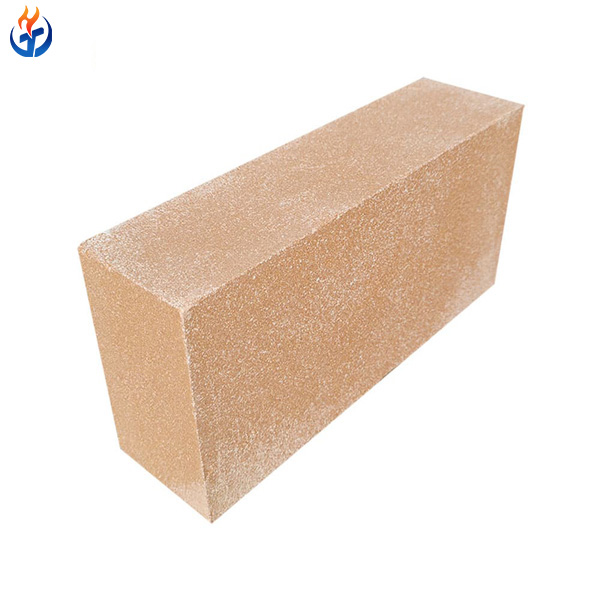
Fire Clay Bricks
Fire clay bricks are traditional refractory materials made mainly from alumina and silica. They usually contain approximately 30%–48% Al₂O₃.
Their advantages include:
- Good thermal stability
- Moderate mechanical strength
- Cost-effectiveness
- Easy installation
Fire clay bricks are commonly used in areas where temperatures are moderate and direct flame exposure is limited. They are suitable for furnace walls, transition sections, and backup layers.
However, they are not recommended for extremely high-temperature zones because their maximum service temperature is lower than advanced refractory materials.
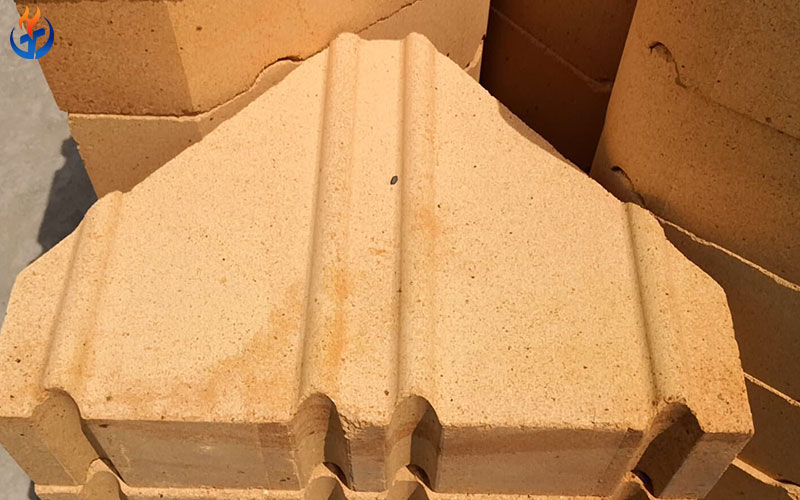
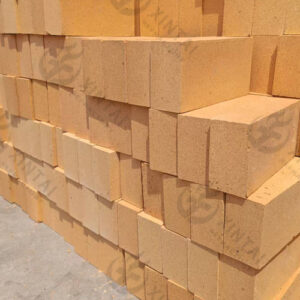
High Alumina Bricks
High alumina bricks are among the most widely used refractory products in industrial furnaces. Their alumina content can range from 48% to more than 90%, providing excellent resistance to high temperatures.
Main benefits include:
- High refractoriness
- Excellent load-bearing capacity
- Good corrosion resistance
- Long service life
High alumina bricks are ideal for the hot areas of heat treatment equipment because they maintain structural strength under continuous high-temperature operation.
When selecting a fire brick for heat treat oven, high alumina bricks are often preferred for furnace chambers, heating zones, and areas exposed to intense thermal radiation.
Corundum Mullite Bricks
Corundum mullite bricks combine the advantages of corundum and mullite phases. They are designed for extreme temperature environments requiring superior performance.
Key characteristics include:
- Excellent thermal shock resistance
- High-temperature strength
- Low creep rate
- Strong chemical stability
These bricks are suitable for heat treat ovens that experience frequent heating and cooling cycles. Their ability to resist thermal stress makes them valuable in precision industrial applications.
Silicon Carbide Bricks and Plates
Silicon carbide refractory products have excellent thermal conductivity and thermal shock resistance.
Their major advantages include:
- High heat transfer efficiency
- Excellent wear resistance
- Strong resistance to oxidation
- Good resistance to erosion from hot gases
Silicon carbide materials are commonly applied in areas with high heat flux, flame impact, or rapid temperature changes.
Lightweight Insulating Bricks
Energy efficiency has become increasingly important in modern industrial furnace design. Lightweight insulating bricks help reduce energy consumption by minimizing heat transfer through furnace walls.
Their advantages include:
- Low bulk density
- Low thermal conductivity
- Reduced heat storage
- Improved heating efficiency
They are mainly installed as backup linings behind dense refractory bricks.
Important Properties When Selecting Refractory Bricks
Choosing suitable refractory materials requires understanding several important performance indicators.
Refractoriness
Refractoriness determines the maximum temperature a brick can withstand without softening or structural failure.
For high-temperature heat treatment applications, refractory bricks must have sufficient temperature resistance to avoid deformation.
Thermal Shock Resistance
Heat treat ovens often experience repeated heating and cooling cycles. Rapid temperature changes can cause cracking if the refractory material cannot handle thermal stress.
Materials with excellent thermal shock resistance help reduce maintenance frequency.
Mechanical Strength
The refractory lining must withstand:
- Furnace structure pressure
- Mechanical impact during loading
- Long-term thermal stress
High mechanical strength improves durability and reliability.
Thermal Conductivity
Thermal conductivity directly affects energy efficiency.
Dense refractory bricks provide better heat resistance, while insulating bricks reduce heat loss. A combination of both materials usually creates the most efficient furnace lining system.
Chemical Resistance
Some heat treatment processes generate corrosive gases or metallic vapors. Refractory bricks must resist chemical reactions to prevent premature damage.
How to Choose the Right Fire Brick for Heat Treat Oven
The correct refractory selection depends on several operating factors.
Consider Operating Temperature
The first step is identifying the maximum working temperature.
- Below 1000°C: Fire clay bricks or standard refractory materials may be suitable.
- 1000°C–1400°C: High alumina bricks are commonly recommended.
- Above 1400°C: Advanced materials such as corundum mullite may be required.
Analyze Thermal Cycling Conditions
If the furnace frequently starts and stops, thermal shock resistance becomes extremely important.
For these applications, materials with low expansion and excellent structural stability should be selected.
Evaluate Furnace Atmosphere
Different atmospheres require different refractory solutions.
For example:
- Oxidizing atmosphere: High alumina bricks are commonly used.
- Corrosive atmosphere: Chemical-resistant refractory materials are preferred.
- High erosion environment: Silicon carbide products provide better protection.
Balance Performance and Cost
Using premium refractory materials throughout the entire furnace is not always necessary.
A practical design usually combines:
- Dense refractory bricks for hot surfaces
- Insulating bricks for backup layers
- Economical materials for lower-temperature sections
This approach provides both durability and cost efficiency.
Installation and Maintenance Recommendations
Proper installation is essential for achieving the expected service life of refractory linings.
Use Compatible Mortar
Refractory mortar should match the chemical composition and thermal expansion characteristics of the bricks.
Incorrect mortar selection may cause joint failure and reduce lining strength.
Allow Expansion Space
During operation, refractory bricks expand due to heat exposure. Proper expansion gaps prevent cracking and deformation.
Inspect Regularly
Routine inspections should check for:
- Surface erosion
- Cracks
- Spalling
- Loose bricks
- Chemical corrosion
Early maintenance can prevent larger furnace failures and reduce downtime.
Service Life of Refractory Bricks in Heat Treat Ovens
The lifespan of refractory bricks depends on operating conditions and maintenance quality.
Typical factors affecting service life include:
- Working temperature
- Heating and cooling frequency
- Furnace atmosphere
- Mechanical impact
- Installation quality
Under normal operating conditions, high-quality refractory linings can often provide several years of reliable service. However, extreme temperatures and aggressive environments may require more frequent replacement.
Selecting the appropriate fire brick for heat treat oven helps reduce maintenance costs and improve furnace availability.
Conclusion
Selecting the right refractory material is essential for the performance and reliability of industrial heat treatment equipment. Different furnace zones require different solutions, from fire clay bricks for moderate temperatures to high alumina, corundum mullite, and silicon carbide products for demanding applications.
A carefully designed refractory lining improves thermal efficiency, extends equipment life, and reduces operational costs. By understanding temperature requirements, thermal stress, chemical conditions, and insulation needs, manufacturers can choose the most suitable fire brick for heat treat oven and achieve long-term stable operation.
Whether for new furnace construction or refractory replacement projects, professional material selection and proper installation are key factors in maximizing heat treat oven performance.