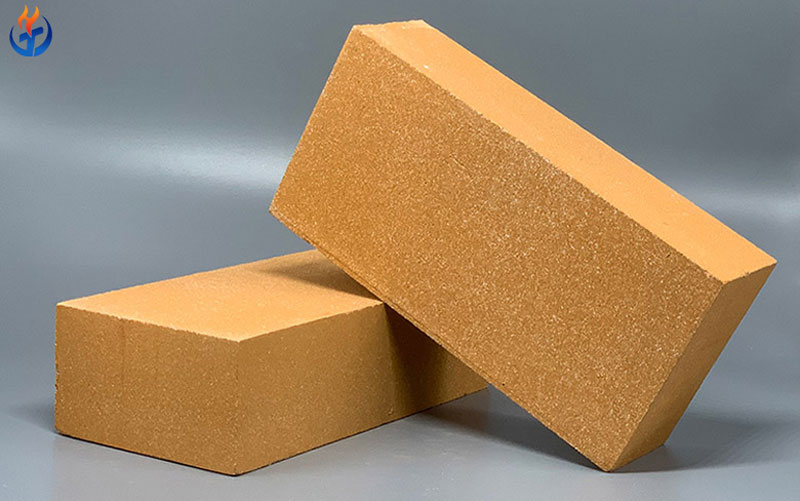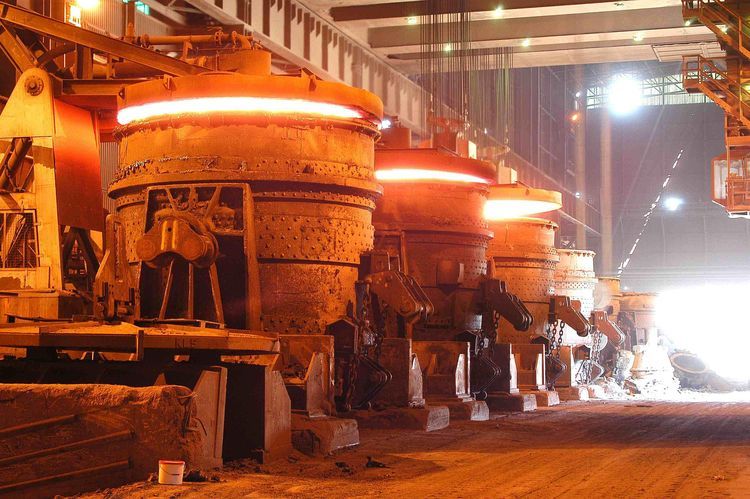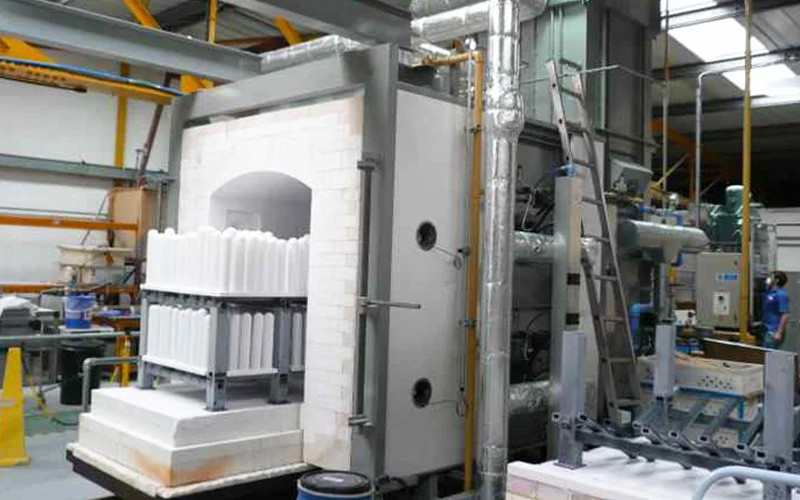
In the continuous casting process of steel production, every refractory component plays an important role in maintaining stable operation, improving steel quality, and extending production efficiency. Among these components, the tundish well block is a critical refractory part installed at the bottom area of the tundish where the nozzle system is positioned. Although it is a relatively small component compared with the entire tundish structure, its performance directly affects molten steel flow control, casting stability, and the quality of final steel products.
A tundish well block is a specially designed refractory block that supports and protects the tundish nozzle while providing a stable connection between the tundish and the continuous casting system. It must withstand extremely high temperatures, erosion from molten steel, chemical attack from slag, and repeated thermal shocks during casting operations.
With the increasing demand for cleaner steel production and longer casting sequences, high-performance tundish well blocks have become an essential solution for modern steel plants. This article explains the main functions of tundish well blocks, their importance in steelmaking, material selection, and how they improve continuous casting performance.
What Is a Tundish Well Block?
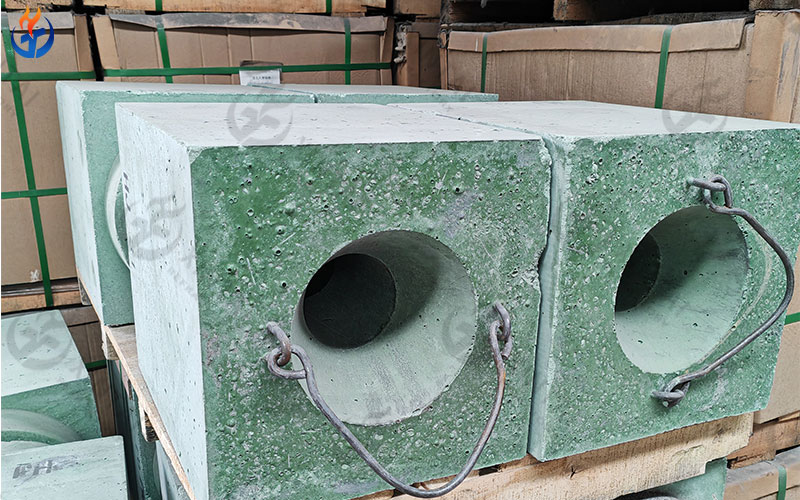
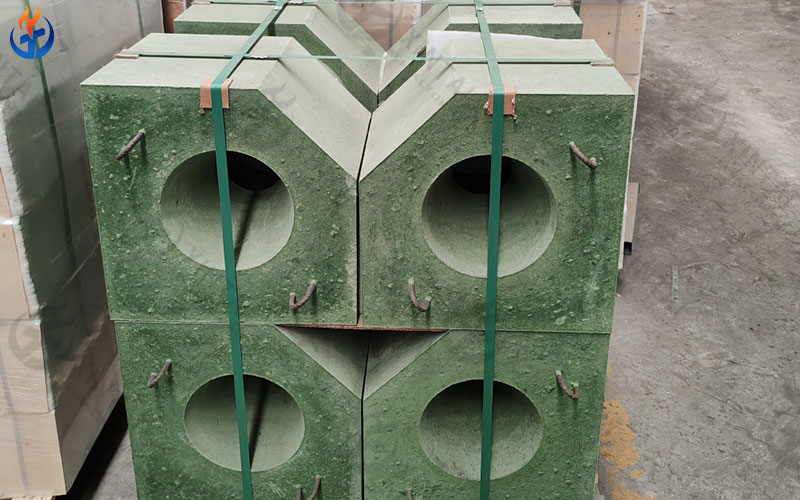
A tundish well block is a precast refractory component installed at the bottom of a tundish. It is mainly used to create a stable seating area for the tundish nozzle, upper nozzle, or stopper rod system. During continuous casting, molten steel flows from the ladle into the tundish and then passes through the nozzle into the mold. The well block provides structural support and protection for this critical flow-control area.
Tundish well blocks are usually manufactured from high-performance refractory materials such as:
High alumina refractory materials
Alumina-magnesia refractories
Magnesia-carbon refractories
Zirconia-based refractories
These materials are selected because they offer excellent resistance against high temperatures, corrosion, erosion, and thermal shock.
Depending on the steel grade, tundish design, casting speed, and operating conditions, manufacturers can customize the material composition and shape of the well block to meet different production requirements.
Main Functions of Tundish Well Block
1. Supporting and Fixing the Tundish Nozzle
One of the most important functions of a tundish well block is to provide mechanical support for the tundish nozzle.
During continuous casting, molten steel must flow through the nozzle at a controlled rate. The nozzle position and alignment directly affect the stability of the casting process. If the nozzle is improperly installed or moves during operation, it can cause unstable steel flow, mold level fluctuations, or even production interruptions.
The tundish well block creates a precise seating area that securely holds the nozzle in the correct position. It ensures:
- Accurate nozzle alignment
- Stable molten steel flow
- Reduced vibration during operation
- Improved casting reliability
By maintaining proper nozzle positioning, the well block helps steel plants achieve consistent casting performance.
2. Preventing Molten Steel Leakage
Another critical function of the tundish well block is preventing steel leakage around the nozzle area.
The connection between the tundish and nozzle is exposed to extremely high temperatures and continuous contact with molten steel. If the refractory structure around the nozzle becomes damaged, cracks may form, creating a risk of molten steel leakage.
High-quality tundish well blocks provide:
- High structural strength
- Excellent dimensional accuracy
- Low permeability
- Strong sealing performance
The dense refractory structure prevents molten steel penetration and protects the tundish bottom from damage.
This improves operational safety and reduces the risk of unexpected casting accidents.
3. Improving Resistance Against High Temperature and Thermal Shock
During continuous casting, tundish refractories experience severe temperature changes. When molten steel enters the tundish, the refractory components are suddenly exposed to temperatures exceeding 1500°C. During shutdown or casting sequence changes, they experience rapid cooling.
This repeated heating and cooling can cause thermal stress, cracking, and refractory failure.
A well-designed tundish well block provides excellent thermal shock resistance through:
- Optimized refractory composition
- Controlled expansion characteristics
- High mechanical strength
- Stable microstructure
Materials such as alumina-carbon and magnesia-carbon are widely used because they can withstand repeated thermal cycles while maintaining structural integrity.
4. Providing Excellent Corrosion and Erosion Resistance
Molten steel continuously flows through the nozzle area at high speed, causing mechanical erosion. At the same time, slag and chemical components in the steel can attack the refractory material.
Without sufficient corrosion resistance, the well block may suffer from:
- Surface erosion
- Material loss
- Structural weakening
- Shortened service life
Tundish well blocks made from high-quality refractory materials provide excellent resistance against:
- Molten steel erosion
- Slag corrosion
- Chemical reactions
- Mechanical wear
This allows the refractory component to maintain stable performance during longer casting sequences.
5. Ensuring Stable Molten Steel Flow
Stable molten steel flow is essential for producing high-quality billets, blooms, and slabs.
The tundish well block works together with the nozzle system to maintain smooth and controlled steel flow from the tundish to the mold.
A properly designed well block helps:
- Reduce turbulence
- Maintain consistent flow speed
- Prevent nozzle movement
- Improve mold filling stability
Stable steel flow reduces casting defects such as:
- Surface cracks
- Internal inclusions
- Uneven solidification
- Quality inconsistencies
Therefore, the tundish well block indirectly contributes to improving final steel product quality.
6. Reducing Nozzle Clogging Problems
Nozzle clogging is a common challenge in continuous casting, especially when producing clean steel, stainless steel, or aluminum-killed steel.
During casting, non-metallic inclusions such as alumina particles may accumulate inside the nozzle, restricting molten steel flow.
Advanced tundish well blocks with argon gas permeable structures can help reduce clogging. These special designs introduce inert argon gas into the steel flow area, creating a fine bubble curtain around the nozzle.
The argon curtain can:
- Capture non-metallic inclusions
- Improve inclusion removal efficiency
- Reduce alumina buildup
- Maintain stable nozzle flow
This technology is especially useful for high-quality steel production requiring strict cleanliness standards.
7. Extending Casting Sequence Time
For steel plants, longer casting sequences mean higher productivity and lower production costs.
A low-quality well block may fail quickly due to erosion, cracking, or corrosion, requiring frequent replacement and increasing downtime.
High-performance tundish well blocks provide:
- Longer operating life
- Better thermal stability
- Lower refractory consumption
- Reduced maintenance frequency
By improving refractory durability, steel plants can extend casting time and increase production efficiency.
How to Choose the Right Tundish Well Block?
Selecting the correct tundish well block depends on several factors:
Steel Grade
Different steel grades have different requirements. Clean steel production often requires zirconia or advanced alumina-carbon materials.
Casting Duration
Long casting sequences require stronger refractory materials with better erosion resistance.
Slag Composition
The chemical characteristics of slag affect refractory corrosion. The well block material should be selected according to slag conditions.
Casting System Design
The nozzle type, tundish structure, and casting method influence the required well block design.
Operating Temperature
Higher casting temperatures require refractories with higher refractoriness and thermal stability.
Conclusion
The tundish well block is a small but essential refractory component in modern steelmaking. Its main functions include supporting the nozzle system, preventing molten steel leakage, improving thermal shock resistance, protecting against erosion and corrosion, stabilizing molten steel flow, reducing nozzle clogging, and extending casting sequence time.
As steel plants continue to focus on higher productivity and cleaner steel production, the demand for reliable tundish well blocks continues to increase. Selecting the right material, structure, and design can significantly improve continuous casting performance and reduce operational costs.
A high-quality tundish well block not only protects the tundish system but also plays an important role in producing safer, cleaner, and more consistent steel products.