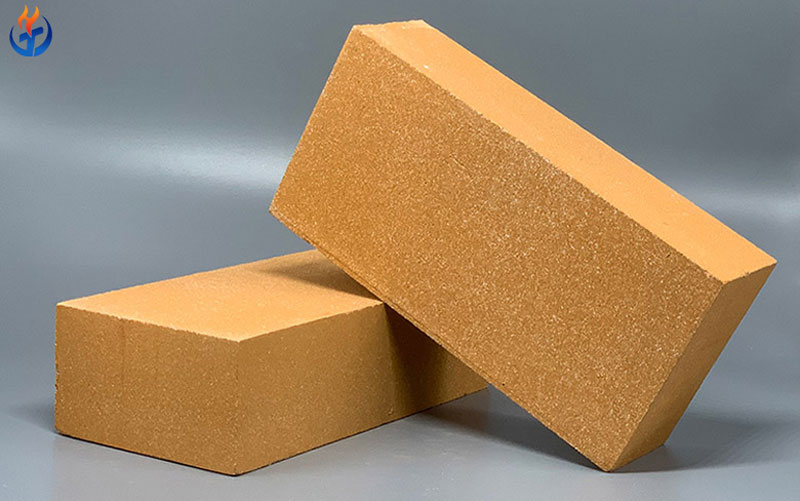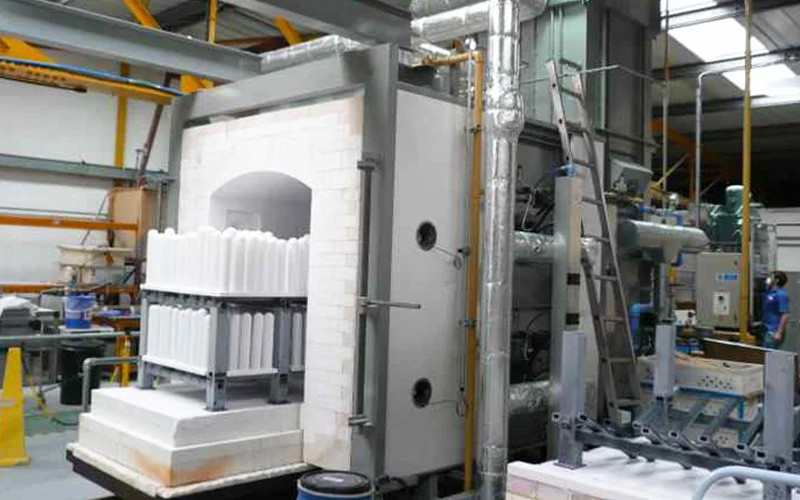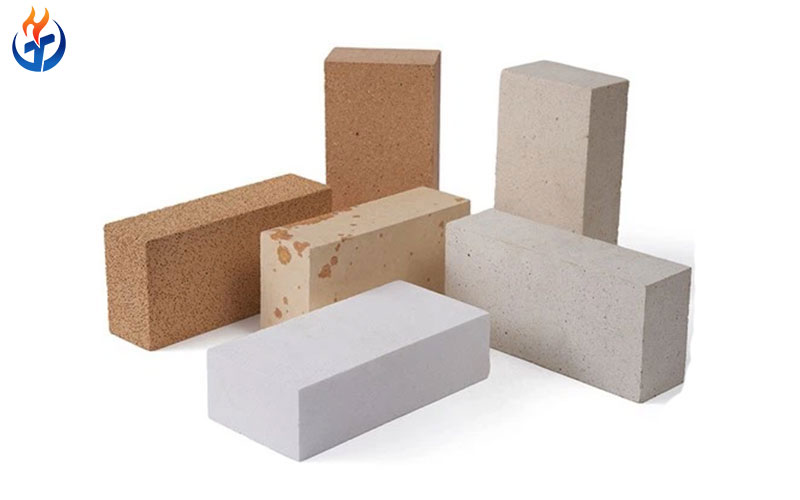
Refractory bricks are essential materials used in industries that operate under extreme temperatures, chemical exposure, and mechanical stress. From steelmaking furnaces and cement kilns to glass melting units and non-ferrous metal processing equipment, refractory bricks provide reliable protection and structural stability for high-temperature environments.
Understanding different refractory bricks types is important for selecting the right lining material for specific industrial applications. Different bricks have different chemical compositions, temperature resistance, thermal properties, and corrosion resistance. Choosing an unsuitable refractory brick may lead to premature wear, increased maintenance costs, and reduced furnace efficiency.
This article provides a detailed overview of refractory bricks types, their classifications, characteristics, and common industrial applications.
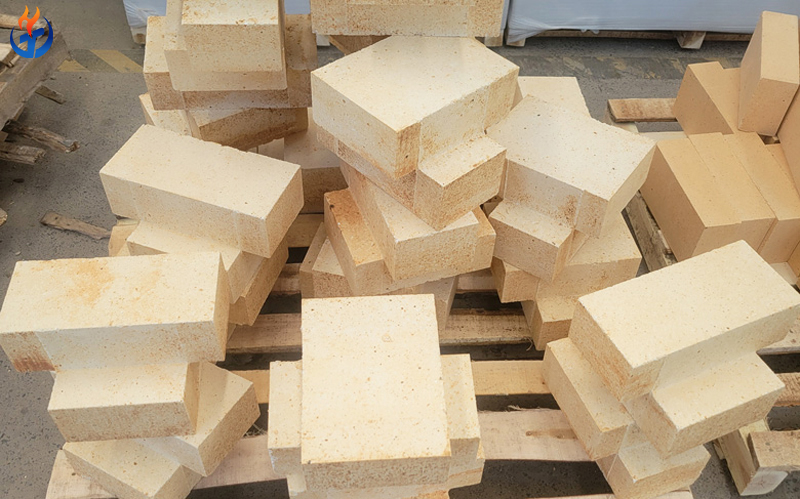
What Are Refractory Bricks?
Refractory bricks are specially manufactured ceramic materials designed to withstand extremely high temperatures without losing their physical strength or chemical stability. Unlike ordinary construction bricks, refractory bricks are produced using high-temperature raw materials such as alumina, silica, magnesia, mullite, and silicon carbide.
The main characteristics of refractory bricks include:
- High temperature resistance
- Excellent mechanical strength
- Resistance to chemical corrosion
- Good thermal stability
- Low thermal expansion
- Long service life under harsh conditions
Depending on their composition and application requirements, refractory bricks can be divided into several categories.
Main Classification of Refractory Bricks Types
There are different ways to classify refractory bricks. The most common methods include classification by chemical composition, raw materials, manufacturing process, and industrial application.
The major refractory bricks types include:
- Acidic refractory bricks
- Basic refractory bricks
- Neutral refractory bricks
- Fire clay bricks
- High alumina bricks
- Silica bricks
- Magnesia bricks
- Mullite bricks
- Silicon carbide bricks
- Insulating refractory bricks
Each type has unique advantages and is designed for different furnace conditions.
1. Acidic Refractory Bricks
Acidic refractory bricks contain a high percentage of silica and are mainly used in environments where acidic slags and gases exist.
Silica Bricks
Silica bricks are one of the most important acidic refractory materials. They usually contain more than 90% SiO₂ and have excellent resistance to high temperatures.
Characteristics:
- High refractoriness under load
- Excellent resistance to acidic slag
- Good volume stability at high temperatures
- Strong resistance to thermal deformation
Applications:
Silica bricks are widely used in:
- Glass melting furnaces
- Coke ovens
- Hot blast stoves
- Acidic steel furnaces
Because of their excellent high-temperature performance, silica bricks remain a key material in industries requiring stable operation at elevated temperatures.
2. Basic Refractory Bricks
Basic refractory bricks are mainly made from magnesium oxide (MgO), dolomite, and other alkaline materials. They are especially suitable for environments containing basic slags.
Magnesia Bricks
Magnesia bricks are among the most commonly used basic refractory bricks. They usually contain 85–95% MgO and provide excellent resistance against alkaline slag corrosion.
Characteristics:
- High melting point
- Excellent corrosion resistance
- Good resistance to basic slag
- High temperature strength
Applications:
Magnesia bricks are commonly used in:
- Steelmaking converters
- Electric arc furnaces
- Ladle linings
- Cement rotary kilns
Dolomite Bricks
Dolomite bricks are made from magnesium calcium carbonate materials and provide good resistance to basic slag.
Applications:
They are mainly used in:
- Steel refining furnaces
- Converter linings
- Lime production equipment
3. Neutral Refractory Bricks
Neutral refractory bricks have good resistance against both acidic and basic environments. They are usually made from alumina, chromite, carbon, or silicon carbide.
High Alumina Bricks
High alumina bricks are one of the most widely used refractory bricks types in modern industries.
The alumina content generally ranges from 48% to more than 90%. Higher alumina content provides better temperature resistance and chemical stability.
Characteristics:
- High refractoriness
- Excellent mechanical strength
- Good abrasion resistance
- Strong resistance to slag penetration
Applications:
High alumina bricks are commonly used in:
- Steel ladles
- Blast furnaces
- Cement kilns
- Industrial furnaces
- Heat treatment furnaces
Different grades, such as 60%, 70%, 80%, and 90% alumina bricks, are selected according to temperature and operating conditions.
4. Fire Clay Bricks
Fire clay bricks are traditional refractory materials made mainly from alumina and silica-based clay.
They usually contain:
- 25–45% Al₂O₃
- 50–70% SiO₂
Fire clay bricks are economical and suitable for moderate temperature applications.
Characteristics:
- Cost-effective
- Good thermal shock resistance
- Easy installation
- Stable performance
Applications:
Fire clay bricks are used in:
- General industrial furnaces
- Chimneys
- Boilers
- Low-temperature kiln zones
Although they cannot withstand extremely high temperatures like high alumina bricks, they remain widely used due to their affordability.
5. Mullite Refractory Bricks
Mullite bricks are made from aluminosilicate minerals and contain a high proportion of mullite crystals.
They provide excellent thermal stability and resistance to thermal shock.
Characteristics:
- Low thermal expansion
- High temperature strength
- Good chemical stability
- Lightweight options available
Applications:
Mullite refractory bricks are commonly used in:
- Ceramic kilns
- Glass furnaces
- Heat treatment equipment
- High-temperature insulation areas
6. Silicon Carbide Refractory Bricks
Silicon carbide (SiC) bricks are advanced refractory materials known for their excellent thermal conductivity and wear resistance.
Characteristics:
- High thermal conductivity
- Excellent oxidation resistance
- Strong abrasion resistance
- Good thermal shock performance
Applications:
Silicon carbide bricks are widely used in:
- Aluminum melting furnaces
- Kiln furniture
- Waste incinerators
- Chemical processing furnaces
They are especially suitable for applications where rapid heat transfer and corrosion resistance are required.
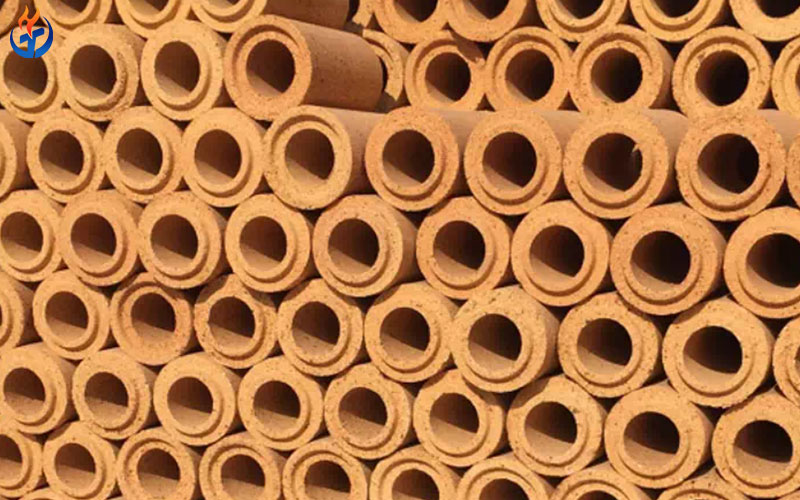
Refractory Bricks Types by Manufacturing Process
Besides chemical composition, refractory bricks can also be classified according to manufacturing methods.
Pressed Refractory Bricks
Pressed bricks are produced by shaping refractory raw materials under high pressure and then firing them at high temperatures.
Advantages include:
- Uniform structure
- High dimensional accuracy
- Strong mechanical properties
They are commonly used for furnace walls, furnace bottoms, and load-bearing areas.
Special Shape Refractory Bricks
Some industrial furnaces require customized brick shapes due to complex designs.
Special shaped bricks include:
- Burner blocks
- Arch bricks
- Wedge bricks
- Corner bricks
- Nozzle bricks
Customized refractory bricks help improve installation accuracy and furnace performance.
Refractory Bricks Types by Industrial Applications
Different industries require different refractory solutions.
Steel Industry
The steel industry is one of the largest consumers of refractory bricks.
Commonly used bricks include:
- High alumina bricks
- Magnesia bricks
- Magnesia carbon bricks
- Carbon-containing refractory bricks
Applications include:
- Blast furnaces
- Electric arc furnaces
- Ladles
- Tundish systems
Cement Industry
Cement rotary kilns operate under high temperature and chemical corrosion.
Common refractory bricks include:
- High alumina bricks
- Magnesia bricks
- Fire clay bricks
They provide resistance against:
- Thermal cycling
- Alkali attack
- Mechanical wear
Glass Industry
Glass furnaces require excellent thermal stability and resistance to molten glass corrosion.
Common refractory bricks include:
- Silica bricks
- AZS bricks
- High alumina bricks
Non-Ferrous Metal Industry
Copper, aluminum, and other metal industries require bricks with strong corrosion resistance.
Common choices include:
- Silicon carbide bricks
- High alumina bricks
- Carbon-based refractory bricks
How to Choose the Right Refractory Bricks Type?
Selecting the correct refractory brick requires considering several factors.
Operating Temperature
The refractory brick must have a service temperature higher than the actual furnace temperature.
Higher temperature applications usually require:
- High alumina bricks
- Magnesia bricks
- Silicon carbide bricks
Chemical Environment
Different slags and gases affect refractory materials differently.
For example:
- Acidic slag requires silica-based bricks
- Basic slag requires magnesia-based bricks
- Mixed environments may require neutral refractory bricks
Mechanical Conditions
Areas exposed to heavy impact, abrasion, or pressure require bricks with higher mechanical strength.
Furnace Location
Different furnace zones require different refractory solutions.
Hot-face areas usually require high-performance bricks, while backup layers may use insulating refractory materials.
Conclusion
There are many refractory bricks types, and each type is designed for specific industrial environments. The main categories include acidic refractory bricks, basic refractory bricks, neutral refractory bricks, fire clay bricks, high alumina bricks, silica bricks, magnesia bricks, mullite bricks, and silicon carbide bricks.
Choosing the right refractory brick depends on operating temperature, chemical conditions, mechanical stress, and furnace structure. High-quality refractory bricks can significantly improve furnace efficiency, reduce maintenance frequency, and extend equipment service life.
With the continuous development of high-temperature industries, advanced refractory bricks with better corrosion resistance, thermal stability, and durability will continue to play an essential role in steel, cement, glass, and metal processing industries.