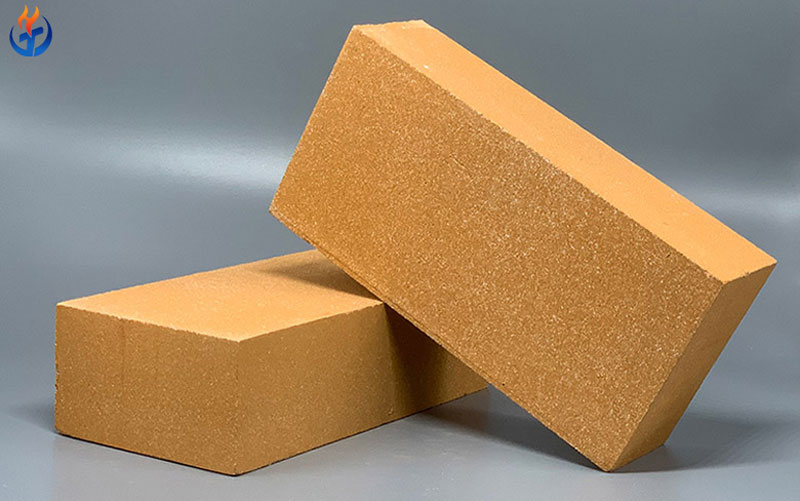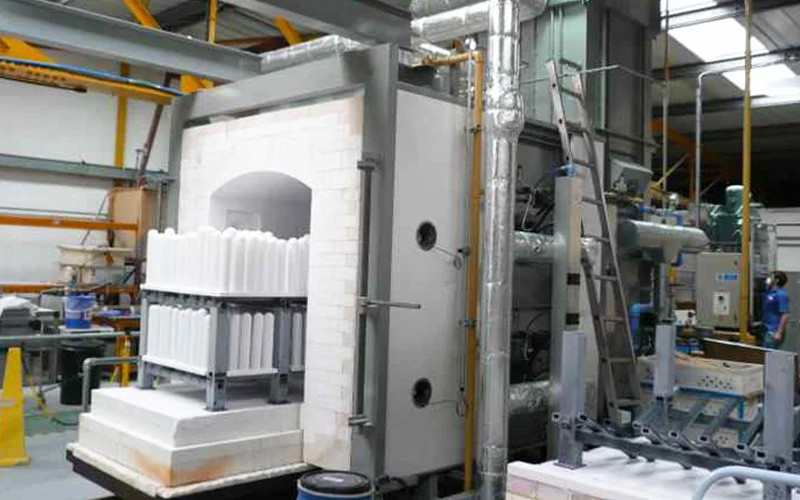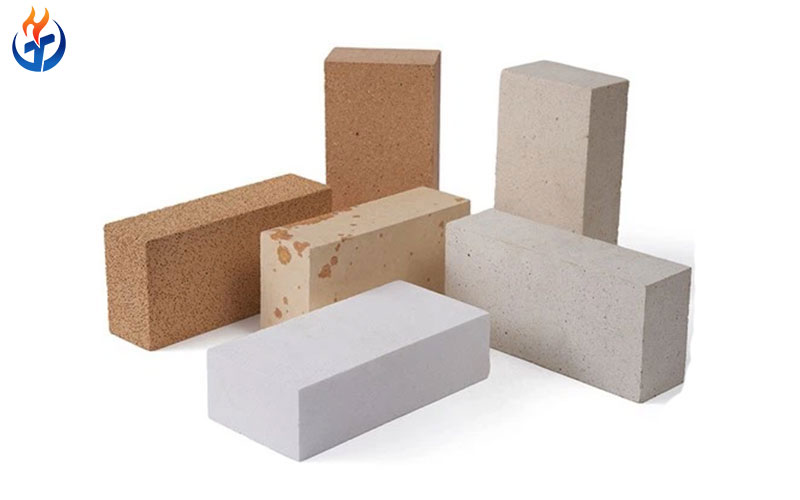
Refractory mortar is a high-temperature binding material used to join refractory bricks and shape linings in furnaces, kilns, boilers, and other thermal processing equipment. Unlike ordinary masonry mortar, it is engineered to withstand extreme heat, thermal shock, chemical attack, and mechanical stress.
Different industrial environments require different formulations of refractory mortar. The performance depends largely on its chemical composition, which determines temperature resistance, compatibility with bricks, and corrosion resistance.
Below are the five main types of refractory mortar widely used in industrial applications:
- Fire Clay Mortar
- High Alumina Mortar
- Silica Mortar
- Magnesia Mortar
- Phosphate Bonded Mortar
Each type has unique properties, advantages, and suitable applications.
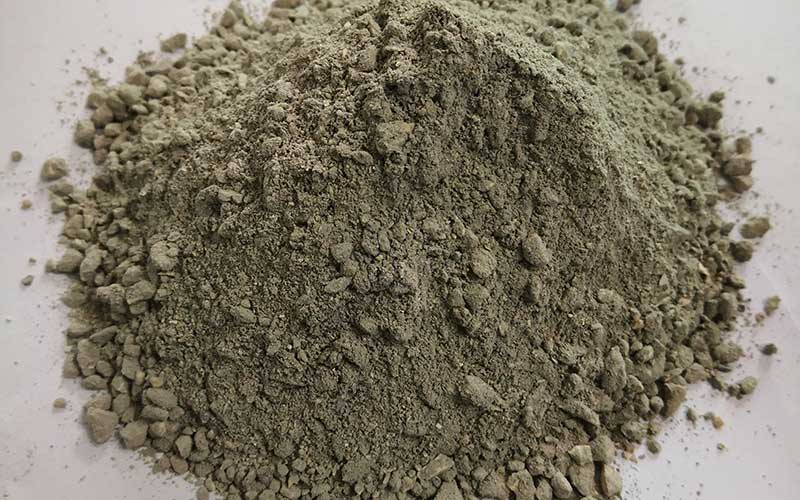
1. Fire Clay Mortar
Fire clay mortar is one of the most commonly used refractory mortars. It is made primarily from fireclay (a type of alumino-silicate clay) combined with fine refractory aggregates and bonding agents.
Key Properties
- Moderate temperature resistance (typically up to 1400°C–1500°C)
- Good plasticity and workability
- Strong bonding with fireclay bricks
- Cost-effective and widely available
- Moderate resistance to thermal shock
Advantages
Fire clay mortar is valued for its balance between performance and cost. It is easy to mix and apply, making it suitable for general-purpose refractory masonry work.
It also provides good adhesion to fireclay bricks, ensuring structural stability in furnace linings and kilns.
Limitations
- Not suitable for highly corrosive environments
- Lower performance under extreme high temperatures compared to high-alumina or magnesia mortars
- Limited resistance to slag and chemical attack
Applications
Fire clay mortar is widely used in:
- Small to medium industrial furnaces
- Boilers and heating systems
- Ceramic kilns
- Chimney linings
- General-purpose refractory brickwork
It is typically chosen when operating temperatures are moderate and cost efficiency is a priority.
2. High Alumina Mortar
High alumina mortar contains a higher percentage of alumina (Al₂O₃), usually derived from calcined bauxite or high-alumina cement. This composition significantly improves its thermal and mechanical properties.
Key Properties
- High temperature resistance (up to 1600°C–1800°C depending on grade)
- Excellent strength at high temperatures
- Strong resistance to abrasion and chemical corrosion
- Good thermal stability
- Compatible with high-alumina bricks
Advantages
High alumina mortar performs well in demanding industrial environments where fire clay mortar is insufficient. Its high alumina content enhances refractoriness and durability.
It also maintains structural integrity under continuous thermal cycling, making it suitable for long-term industrial use.
Limitations
- Higher cost compared to fire clay mortar
- Requires more careful mixing and application
- Not ideal for silica-based brick systems
Applications
High alumina mortar is commonly used in:
- Steel industry furnaces
- Cement rotary kilns
- Glass industry furnaces
- Petrochemical reactors
- High-temperature heat treatment equipment
It is preferred where both high temperature and chemical resistance are required.
3. Silica Mortar
Silica mortar is primarily composed of high-purity silica (SiO₂). It is specifically designed for use with silica bricks and high-temperature acidic environments.
Key Properties
- High refractoriness (up to 1650°C–1700°C)
- Excellent resistance to acidic slags
- Strong compatibility with silica bricks
- Good volume stability at high temperatures
- Low thermal expansion after proper firing
Advantages
Silica mortar performs exceptionally well in environments where acidic conditions dominate. It maintains stability under high heat and forms a strong bond with silica-based refractory materials.
Its resistance to deformation at high temperatures makes it suitable for continuous operation in glass melting furnaces.
Limitations
- Weak resistance to alkaline environments
- Brittle compared to other mortars
- Requires precise firing conditions to achieve optimal performance
Applications
Silica mortar is widely used in:
- Glass melting furnaces
- Coke oven chambers
- Acidic industrial furnaces
- Ceramic kiln linings using silica bricks
It is not suitable for environments with basic (alkaline) slag attack.
4. Magnesia Mortar
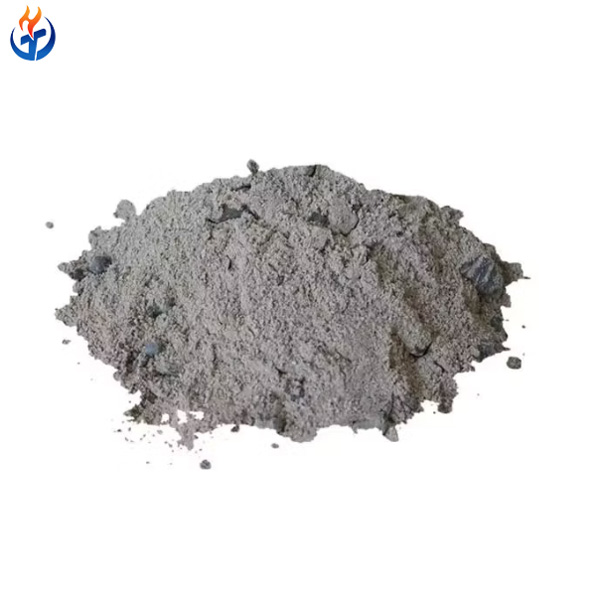
Magnesia mortar is made from magnesium oxide (MgO) and is classified as a basic refractory material. It is designed for use in highly alkaline and slag-intensive environments.
Key Properties
- Very high temperature resistance (up to 2000°C+ in some formulations)
- Excellent resistance to basic slags
- Strong chemical stability in alkaline environments
- High corrosion resistance in steelmaking processes
- Good compatibility with magnesia and magnesia-chrome bricks
Advantages
Magnesia mortar is extremely durable in aggressive metallurgical environments. It resists basic slag penetration, which is common in steel production.
It also performs well under extreme thermal stress and high mechanical load conditions.
Limitations
- Poor resistance to acidic environments
- Sensitive to moisture before installation
- More expensive and technically demanding to use
Applications
Magnesia mortar is mainly used in:
- Steel ladles and converters
- Electric arc furnaces (EAF)
- Non-ferrous metal refining furnaces
- Cement rotary kilns (burning zone)
- High-duty industrial furnaces
It is essential in heavy-duty metallurgy where slag resistance is critical.
5. Phosphate Bonded Mortar
Phosphate bonded mortar uses phosphoric acid or phosphate compounds as a binding agent instead of traditional clay or cement-based systems. This gives it superior strength and bonding characteristics.
Key Properties
- High bonding strength even at low firing temperatures
- Excellent thermal shock resistance
- Strong mechanical strength after curing
- Good resistance to abrasion and chemical corrosion
- Suitable for rapid repair applications
Advantages
Phosphate bonded mortar stands out due to its strong adhesion and fast-setting characteristics. It can achieve high strength without requiring high-temperature firing.
It is particularly useful for emergency repairs or environments where quick turnaround is necessary.
Another key advantage is its versatility—it can bond different types of refractory materials more effectively than traditional mortars.
Limitations
- Sensitive to moisture during storage
- More expensive than conventional mortars
- Requires controlled mixing and handling
- Limited shelf life compared to dry clay-based mortars
Applications
Phosphate bonded mortar is widely used in:
- Emergency furnace repairs
- Steel industry hot patching
- High-temperature industrial equipment maintenance
- Kiln and boiler lining repair
- High-performance refractory assemblies
It is especially valuable in operations that require minimal downtime.
Comparison of Different Refractory Mortars
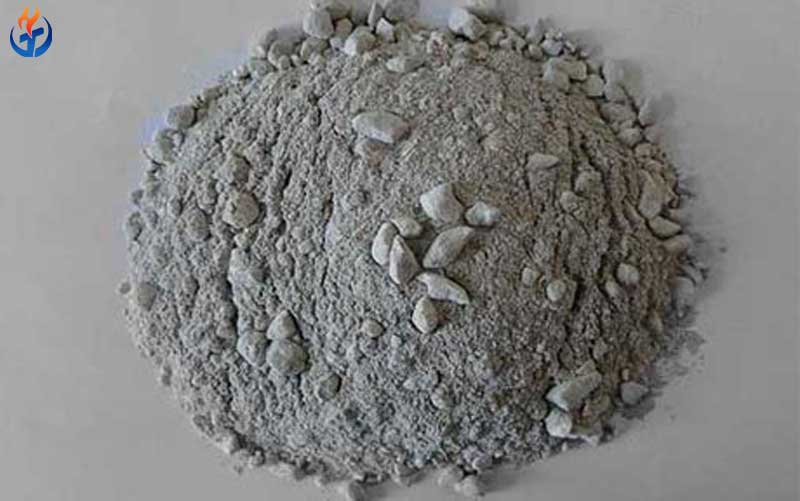
Each type of refractory mortar is designed for specific conditions. Choosing the right one depends on temperature, chemical exposure, and mechanical stress.
Temperature Resistance
- Highest: Magnesia Mortar
- High: Silica Mortar, High Alumina Mortar
- Moderate-High: Phosphate Bonded Mortar
- Moderate: Fire Clay Mortar
Chemical Resistance
- Acidic environments: Silica Mortar
- Basic (alkaline) environments: Magnesia Mortar
- Neutral/general use: Fire Clay Mortar
- Mixed industrial environments: High Alumina Mortar, Phosphate Mortar
Workability
- Easiest: Fire Clay Mortar
- Moderate: High Alumina Mortar, Silica Mortar
- Technical handling required: Magnesia Mortar, Phosphate Bonded Mortar
Cost Level
- Low: Fire Clay Mortar
- Medium: Silica Mortar
- Medium-High: High Alumina Mortar
- High: Magnesia Mortar, Phosphate Bonded Mortar
Selection Guidelines for Industrial Use
When selecting refractory mortar, several key factors must be considered:
1. Operating Temperature
The maximum working temperature is the most important factor. Using the wrong mortar type can lead to structural failure.
2. Chemical Environment
Acidic, neutral, or basic conditions determine whether silica, fire clay, or magnesia-based mortars are suitable.
3. Brick Compatibility
Mortar must match the chemical composition of refractory bricks for optimal bonding and durability.
4. Mechanical Stress
High-load environments require mortars with strong bonding and abrasion resistance.
5. Maintenance Requirements
For systems requiring frequent repairs, phosphate bonded mortars are often preferred due to quick setting and high strength.
Conclusion
Refractory mortar plays a critical role in ensuring the stability and performance of high-temperature industrial systems. Each type—Fire Clay, High Alumina, Silica, Magnesia, and Phosphate Bonded mortar—offers unique advantages tailored to specific working conditions.
Understanding the differences between these mortars allows engineers and technicians to select the most suitable material for each application, improving efficiency, extending equipment lifespan, and reducing maintenance costs.
Choosing the right refractory mortar is not just a material decision—it is a key factor in ensuring safe, stable, and long-term industrial operation.