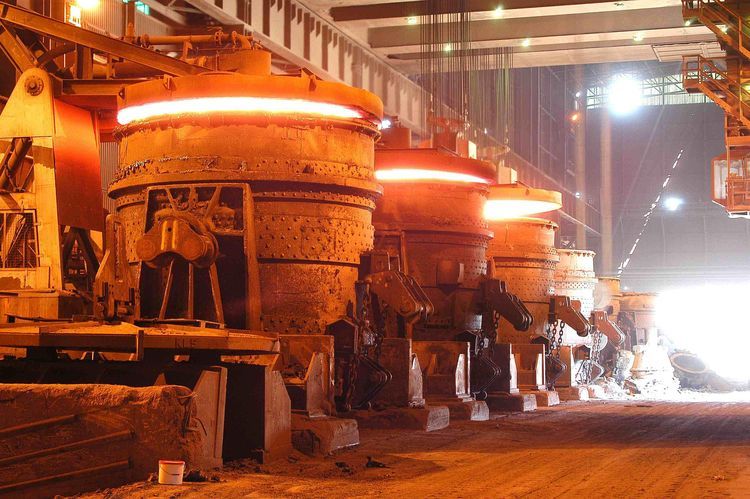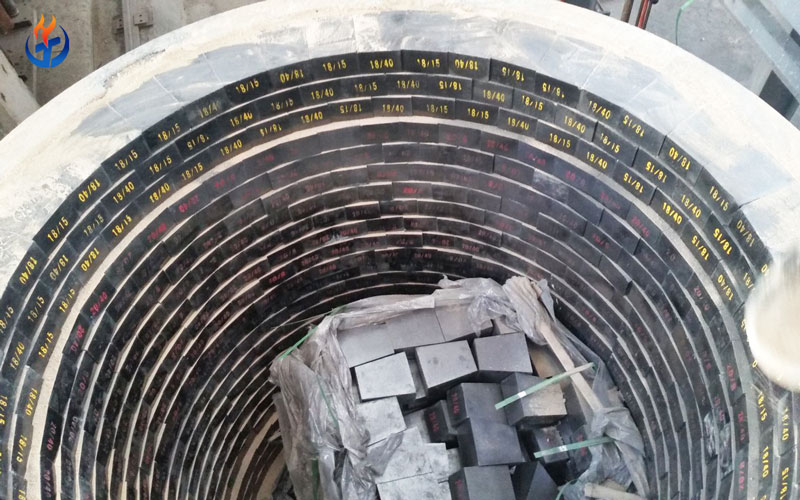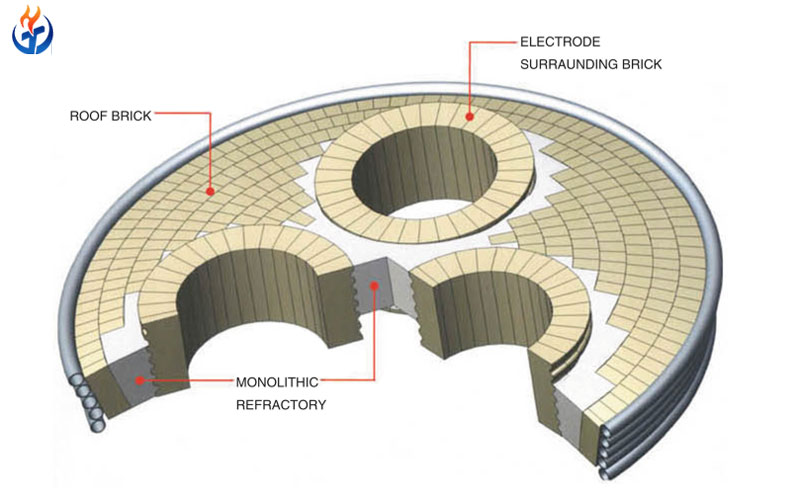
In modern steelmaking, the ladle plays a critical role in transporting, refining, and casting molten steel. As steel production technology continues to advance, ladles are no longer simple transportation vessels but have become essential refining equipment that must withstand extremely high temperatures, thermal shocks, chemical corrosion, and mechanical wear.
To ensure safe and efficient operation, high-performance refractory materials are required for ladle linings. Among these materials, ladle magnesia carbon bricks have become one of the most widely used refractory products due to their excellent resistance to slag erosion, thermal shock stability, and high-temperature strength.
Then let’s get more about the applications, characteristics, manufacturing process, and advantages of ladle magnesia carbon bricks in the steel industry.
More About Ladle Magnesia Carbon Bricks?
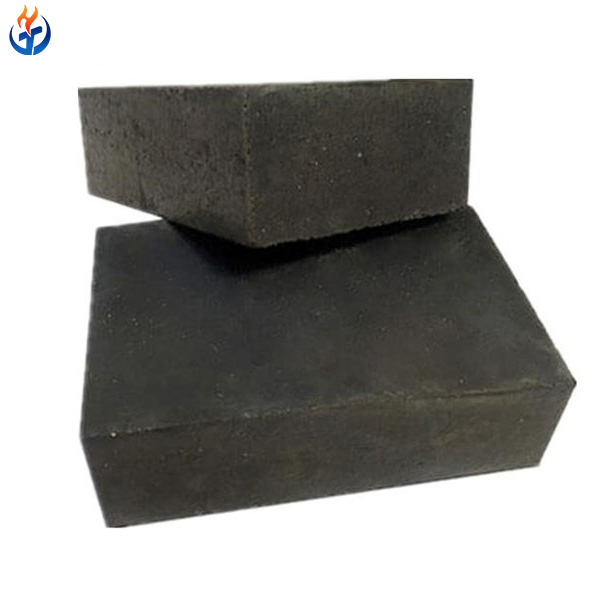
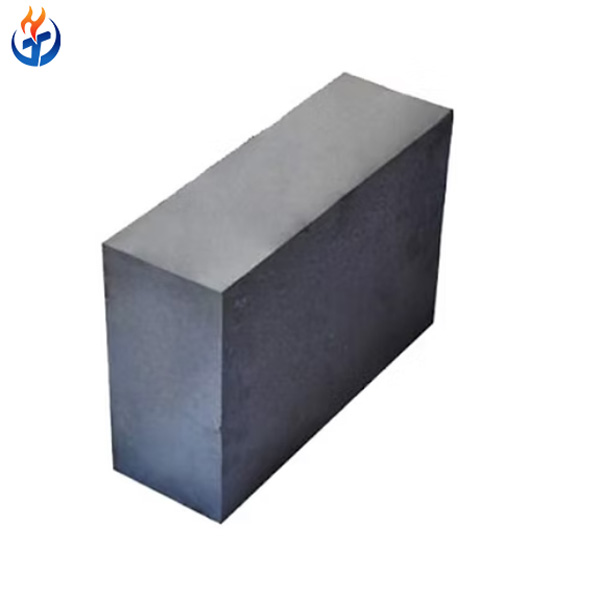
Magnesia carbon bricks (MgO-C bricks) are composite refractory materials manufactured using high-purity fused magnesia, large-crystal fused magnesia, high-quality flake graphite, antioxidants, and phenolic resin binders.
These bricks are typically produced through high-pressure molding and low-temperature heat treatment. By combining the superior corrosion resistance of magnesia with the excellent thermal conductivity and low thermal expansion properties of graphite, magnesia carbon bricks provide outstanding performance in demanding steelmaking environments.
Compared with traditional refractory materials, ladle magnesia carbon bricks significantly improve ladle service life and reduce maintenance costs.
Main Applications of Ladle Magnesia Carbon Bricks
1. Ladle Slag Line
The slag line is the area where molten steel, slag, and atmosphere interact. It is one of the most severely damaged sections of the ladle lining.
This zone experiences:
- Intense slag corrosion
- Severe temperature fluctuations
- Oxidation attack
- Mechanical erosion
Magnesia carbon bricks are widely used in the slag line because they offer:
- Excellent resistance to basic slag attack
- High thermal shock resistance
- Strong anti-spalling properties
- Superior structural stability
In many steel plants, the service life of magnesia carbon bricks in the slag line is significantly longer than that of conventional refractory materials.2. Ladle Working Lining
The working lining directly contacts molten steel and slag throughout the refining process.
Key requirements for this area include:
- High refractoriness
- Excellent corrosion resistance
- Dimensional stability
- Resistance to steel penetration
Magnesia carbon bricks effectively protect the working lining by reducing wear and maintaining structural integrity during repeated heating and cooling cycles.
As a result, they are widely installed in medium and large steel ladles for continuous casting operations.
3. Ladle Bottom
The bottom of the ladle is subjected to:
- Static pressure from molten steel
- Thermal stress
- Slag attack
- Mechanical abrasion
High-density magnesia carbon bricks are often used in the ladle bottom because of their:
- High compressive strength
- Excellent load-bearing capacity
- Low porosity
- Superior resistance to molten steel erosion
Using magnesia carbon bricks in the bottom area helps prevent premature lining failure and extends overall ladle campaign life.
4. Secondary Refining Ladles
Secondary refining processes such as:
- LF (Ladle Furnace)
- VD (Vacuum Degassing)
- RH Refining
Place even greater demands on refractory materials due to longer holding times and more aggressive slags.
Magnesia carbon bricks are highly suitable for these applications because they provide:
- Excellent resistance to refining slags
- Strong thermal shock performance
- Low wettability to molten steel
- High structural stability under vacuum conditions
These properties ensure reliable performance throughout the refining process.
5. Ultra-Low Carbon and High-Grade Steel Production
The production of high-quality steels requires strict control of impurities and refractory contamination.
Magnesia carbon bricks with optimized formulations can be designed for:
- Low carbon steel
- Stainless steel
- Alloy steel
- Bearing steel
- Pipeline steel
Advanced antioxidant systems help minimize carbon oxidation while maintaining brick performance, making them suitable for demanding steel grades.
Key Performance Characteristics of Ladle Magnesia Carbon Bricks
High Refractoriness
Magnesia possesses an extremely high melting point, enabling the bricks to withstand temperatures encountered in steelmaking operations.
This characteristic ensures reliable performance even during prolonged exposure to molten steel.
Excellent Slag Resistance
Basic slags commonly used in steelmaking contain compounds that aggressively attack refractory materials.
The magnesia component provides exceptional resistance to these slags, reducing erosion and extending service life.
Outstanding Thermal Shock Stability
Rapid heating and cooling can cause cracking in many refractory materials.
Graphite’s low thermal expansion coefficient significantly improves thermal shock resistance, allowing magnesia carbon bricks to withstand repeated temperature fluctuations.
Strong Corrosion Resistance
The combination of dense magnesia aggregates and graphite reduces slag penetration and chemical attack.
This results in:
- Lower wear rates
- Reduced maintenance frequency
- Longer campaign life
- Superior Spalling Resistance
Thermal stress often causes refractory materials to crack and peel away.
Magnesia carbon bricks exhibit excellent flexibility under thermal stress, minimizing spalling and preserving lining integrity.
High Mechanical Strength
High-pressure molding produces dense brick structures with:
- High bulk density
- Low apparent porosity
- Excellent compressive strength
These features improve durability under harsh operating conditions.
Raw Materials Used in Ladle Magnesia Carbon Bricks
Fused Magnesia
Fused magnesia is the primary refractory aggregate.
Advantages include:
- High purity
- Large periclase crystals
- Excellent corrosion resistance
- High density
Premium-grade fused magnesia is often preferred for high-performance ladle applications.
Flake Graphite
Graphite contributes several important properties:
- Thermal shock resistance
- Low thermal expansion
- Improved slag resistance
- Reduced wettability
High-carbon flake graphite is generally selected to maximize performance.
Phenolic Resin Binder
Phenolic resin acts as the bonding agent during brick production.
Benefits include:
- Strong room-temperature bonding
- Good carbon yield
- Improved brick strength
- Stable manufacturing performance
Antioxidants
Because graphite can oxidize at high temperatures, various antioxidants are added to improve oxidation resistance.
Common additives include:
- Aluminum powder
- Silicon powder
- Magnesium powder
- Boron-containing compounds
These additives help maintain carbon content and prolong brick life.
Advantages of Using Magnesia Carbon Bricks in Steel Ladles
Steel plants around the world prefer magnesia carbon bricks because they offer numerous benefits:
Longer Service Life
Their superior resistance to slag and thermal shock significantly extends lining life.
Reduced Maintenance Costs
Fewer repairs and replacements lower overall operating expenses.
Improved Production Efficiency
Longer campaigns reduce downtime and increase productivity.
Enhanced Operational Safety
Reliable refractory performance minimizes the risk of ladle failure.
Better Steel Quality
Reduced refractory erosion lowers contamination risks and helps maintain steel purity.
Conclusion
Ladle magnesia carbon bricks have become indispensable refractory materials in modern steelmaking. Their unique combination of high refractoriness, excellent slag resistance, outstanding thermal shock stability, and superior mechanical strength makes them ideal for critical ladle areas such as the slag line, working lining, and ladle bottom.
Manufactured from high-purity fused magnesia, flake graphite, antioxidants, and phenolic resin binders, these bricks deliver exceptional performance under the harsh conditions encountered during steel refining and transportation.
For steel producers seeking longer ladle life, improved operational efficiency, reduced maintenance costs, and higher steel quality, ladle magnesia carbon bricks remain one of the most effective refractory solutions available today.