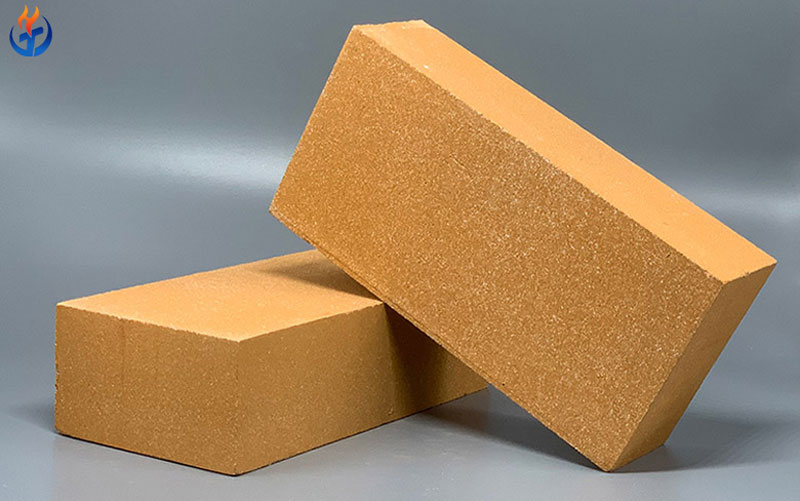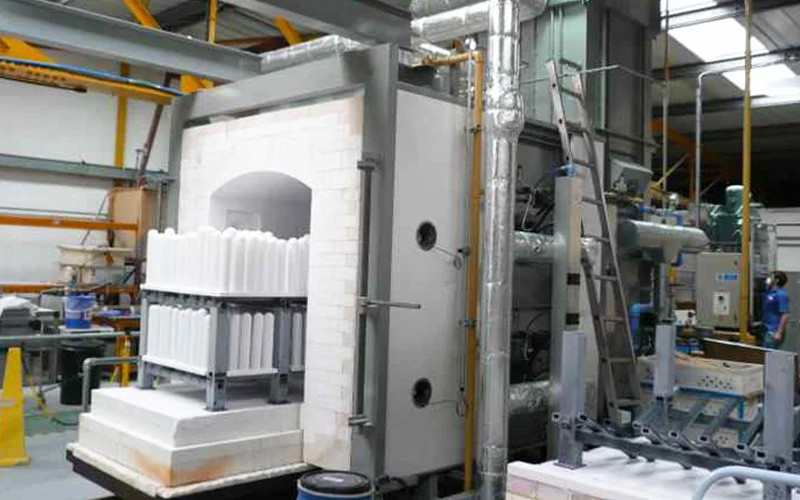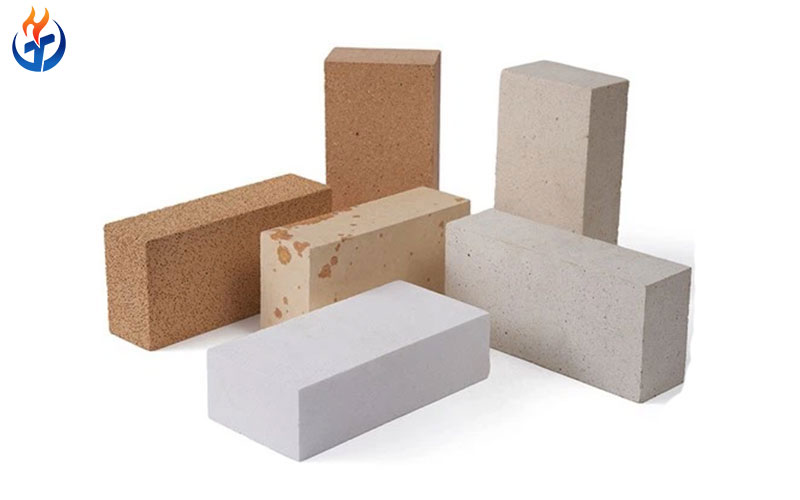
Corundum Mullite Brick is one of the most widely used high-performance refractory materials in extreme temperature industries such as steelmaking, cement production, non-ferrous metallurgy, glass kilns, and petrochemical furnaces. Due to its excellent thermal stability, high mechanical strength, and strong resistance to corrosion, it has become a preferred lining material in many high-temperature industrial applications.
However, one of the most frequently asked questions from procurement engineers and project contractors is: What is the Corundum Mullite Brick Price?
The answer is not fixed, as the price depends on multiple technical, material, and market-related factors. This article provides a complete breakdown of pricing structure, influencing factors, application value, and purchasing strategies.
What is a Corundum Mullite Brick?
Before discussing Corundum Mullite Brick Price, it is important to understand what this material is.
Corundum Mullite Brick is a high-grade refractory product mainly composed of:
- Corundum (α-Al₂O₃)
- Mullite (3Al₂O₃·2SiO₂)
- High-purity alumina and silica raw materials
Key Characteristics
- Excellent high-temperature resistance (up to 1700°C–1800°C)
- Strong thermal shock resistance
- High compressive strength
- Excellent chemical corrosion resistance
- Long service life in harsh furnace conditions
These properties make it suitable for critical furnace zones where standard firebricks or high alumina bricks cannot perform efficiently.
Main Applications of Corundum Mullite Bricks
The application range directly influences Corundum Mullite Brick Price because different industries require different performance grades.
1. Steel Industry
- Ladle linings
- Electric arc furnace roofs
- Steel tundishes
2. Cement Industry
- Rotary kiln transition zones
- Preheater systems
3. Glass Industry
- Glass melting furnaces
- Regenerator chambers
4. Non-Ferrous Metallurgy
- Smelting furnaces
- Refining units
5. Petrochemical Industry
- High-temperature cracking furnaces
- Reactor linings
Each application requires different density, purity, and shaping processes, which affects pricing.
Corundum Mullite Brick Price Range
The Corundum Mullite Brick Price varies significantly depending on technical specifications, raw materials, and manufacturing processes.
General Price Range (Reference)
- Low-grade corundum mullite bricks: $800 – $1,200 per ton
- Medium-grade industrial bricks: $1,200 – $1,800 per ton
- High-performance premium bricks: $1,800 – $2,800+ per ton
Per-piece pricing (standard size 230×114×65mm) may range from:
- $2.5 – $8 per brick depending on grade and order volume
Note: Prices fluctuate due to raw material costs, energy prices, and international logistics.
Key Factors Affecting Corundum Mullite Brick Price
Understanding cost structure is essential for buyers to make informed decisions.
1. Raw Material Purity
The most important factor influencing Corundum Mullite Brick Price is raw material quality.
- High-purity alumina increases cost significantly
- Imported bauxite or synthetic corundum raises price
- Low-grade materials reduce cost but also performance
Higher purity = higher density = higher price
2. Al₂O₃ Content
Alumina content typically ranges from 60% to 90%+.
- 60–70% Al₂O₃ → lower cost range
- 70–85% Al₂O₃ → mid-range pricing
- 85%+ Al₂O₃ → premium pricing segment
Higher alumina content improves thermal resistance but increases production cost.
3. Manufacturing Process
Different production methods significantly affect Corundum Mullite Brick Price:
- Semi-dry pressing (lower cost)
- High-pressure forming (medium cost)
- Isostatic pressing (high cost, superior performance)
- High-temperature sintering (energy-intensive, premium cost)
The more advanced the process, the higher the price.
4. Bulk Density and Strength
Higher density bricks:
- Require more raw materials
- Offer longer service life
- Increase production cost
Thus, density directly impacts pricing.
5. Size and Customization
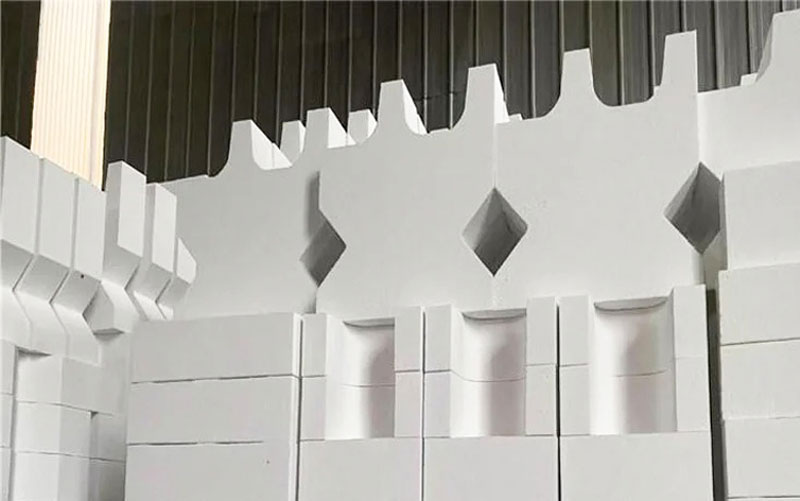
Standard bricks are cheaper, while customized shapes increase cost:
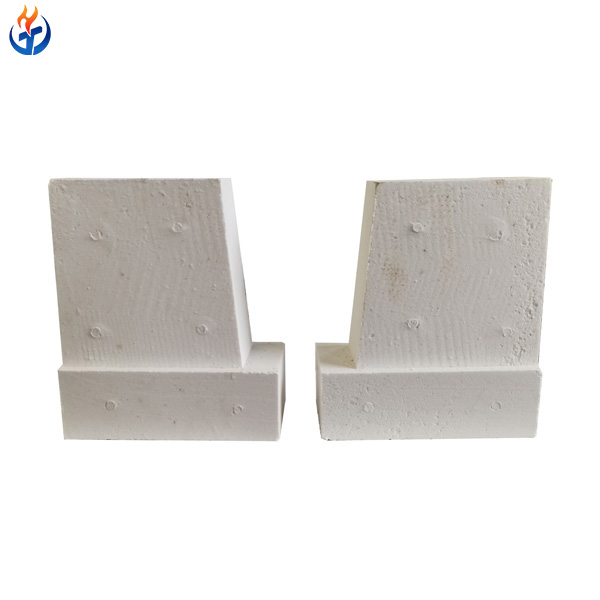
- Special-shaped bricks
- Arch bricks
- Burner blocks
- Furnace-specific designs
Custom molds and production increase the Corundum Mullite Brick Price.
6. Order Quantity
Like most industrial materials:
- Large orders reduce unit cost
- Small batch orders increase price due to fixed production costs
Bulk procurement often reduces price by 10%–30%.
7. Energy and Fuel Costs
Refractory production requires high-temperature firing.
- Natural gas prices
- Electricity costs
- Kiln efficiency
All directly influence final pricing.
8. International Shipping and Logistics
For global buyers:
- Freight costs
- Packaging requirements
- Export certifications
These add to the final landed cost.
Corundum Mullite Brick vs Other Refractories
Understanding relative pricing helps buyers evaluate value.
Compared to High Alumina Brick
- Corundum mullite is more expensive
- Better thermal shock resistance
- Longer service life
Compared to Silica Brick
- Much higher cost
- Much higher temperature resistance
Compared to Magnesia Brick
- Different application environments
- Often used together in composite linings
Although Corundum Mullite Brick Price is higher, lifecycle cost is often lower due to durability.
Why Corundum Mullite Bricks Are Worth the Price
Many buyers focus only on initial cost, but industrial furnace materials must be evaluated by performance life.
Advantages that justify price:
- Reduced maintenance frequency
- Lower downtime costs
- Improved furnace efficiency
- Reduced energy loss
- Longer replacement cycle
In many cases, a higher Corundum Mullite Brick Price leads to lower total operational cost.
Conclusion
The Corundum Mullite Brick Price is determined by multiple factors including raw material purity, alumina content, production technology, density, customization, and order volume. While prices typically range from budget-friendly industrial grades to high-end premium solutions, the true value lies in performance, durability, and lifecycle cost reduction.
For high-temperature industrial applications, selecting the right grade of corundum mullite brick is more important than simply choosing the lowest price. A well-optimized purchase decision can significantly improve furnace efficiency and reduce long-term maintenance costs.