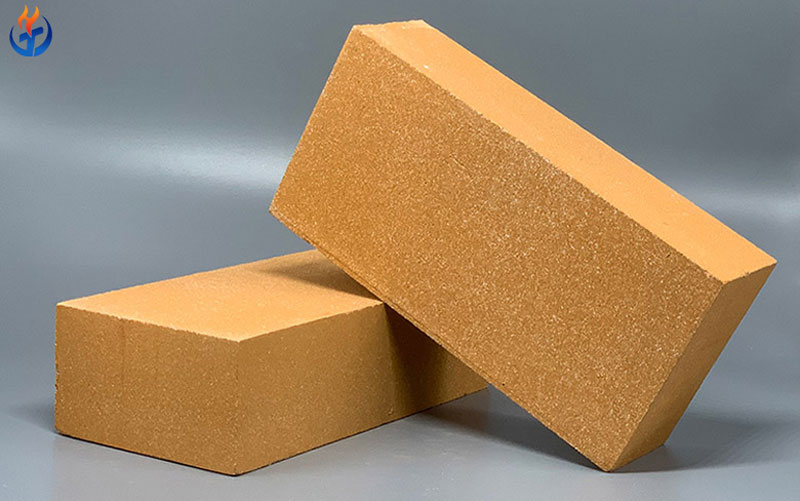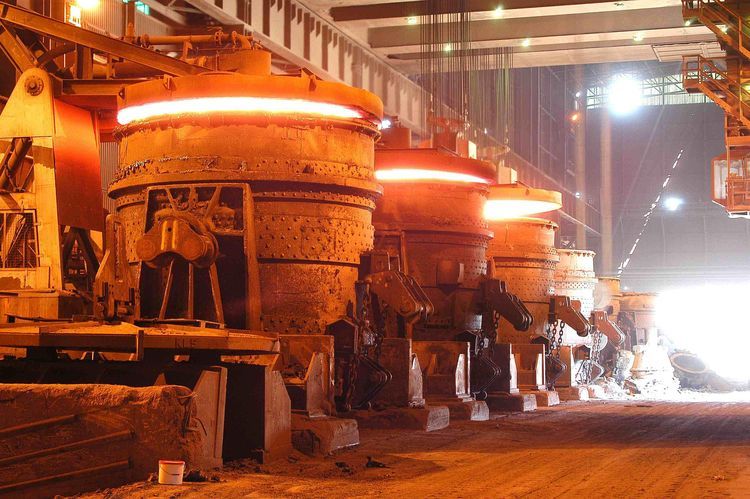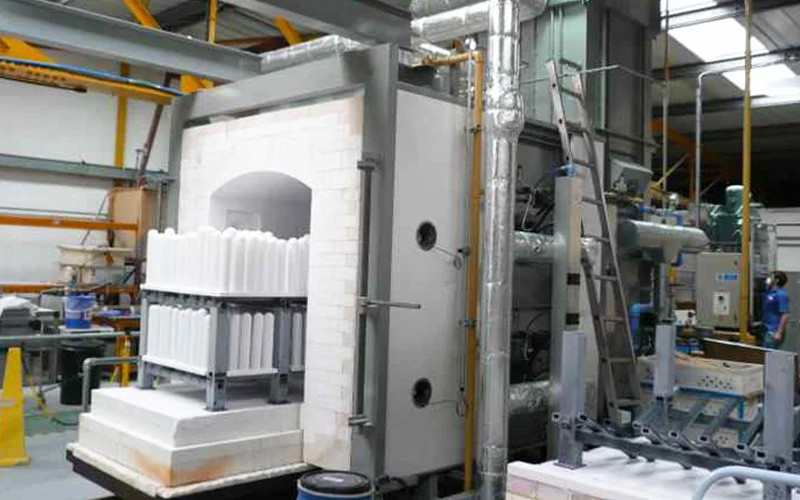
Blast furnaces are the backbone of the steel industry, providing the high-temperature environment necessary for smelting iron from its ore. One of the most critical aspects of blast furnace operation is the selection and proper application of refractory materials. Refractories are materials that can withstand extremely high temperatures, resist chemical attack, and maintain structural integrity under mechanical stress. Choosing the right refractory not only ensures the longevity of the furnace but also improves operational efficiency and reduces maintenance costs. This article explores the types of refractory materials suitable for blast furnaces, key selection criteria, and practical applications.
Understanding Blast Furnace Refractories
Blast furnace refractory materials must endure temperatures often exceeding 1600°C, the erosive action of molten iron and slag, and the impact of thermal cycling. The interior lining of a blast furnace is subjected to severe conditions, including chemical corrosion, abrasion, and mechanical stress caused by the movement of raw materials and hot gases. Therefore, selecting high-quality refractory materials is essential for safe and efficient furnace operation.
Refractories can be broadly classified into two main categories based on their chemical composition: acidic and basic refractories. Acidic refractories, such as silica bricks, resist acidic slags but are vulnerable to basic slags. Basic refractories, including magnesia and dolomite bricks, are resistant to basic slags but are not suitable for acidic environments. In blast furnaces, both types may be used depending on the location within the furnace and the composition of the raw materials.
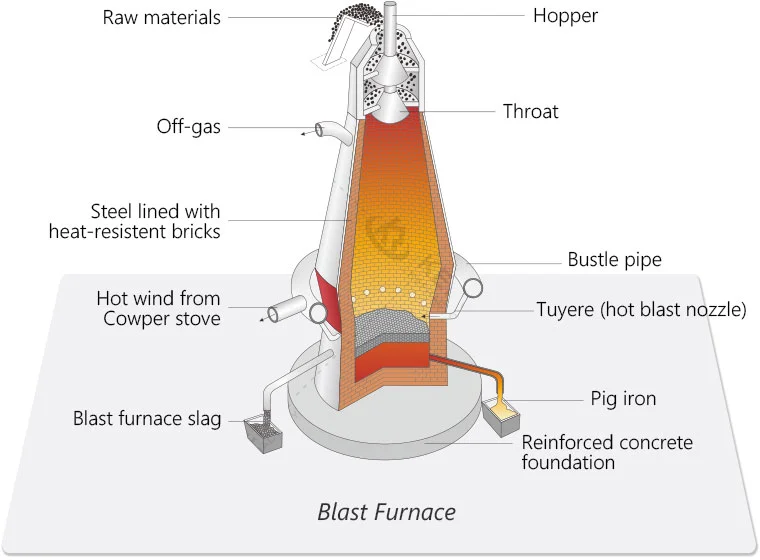
Key Types of Refractories for Blast Furnaces
1. Magnesia Bricks
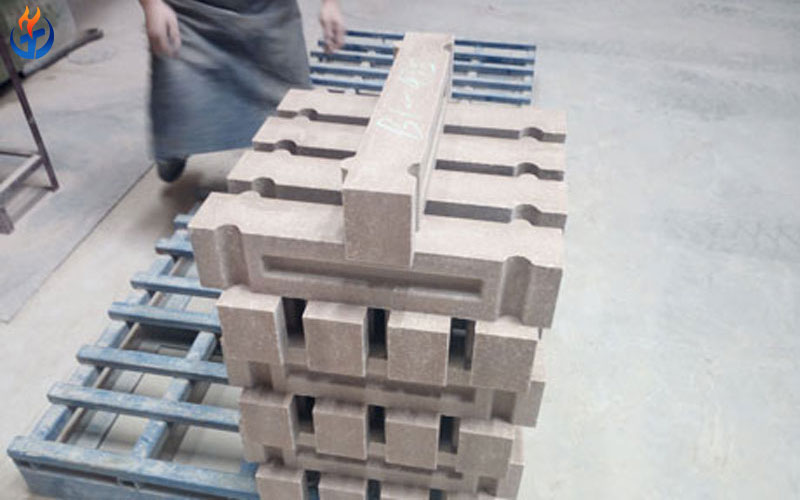
Magnesia bricks are basic refractories with excellent resistance to high-temperature basic slags. They are commonly used in the hearth, taphole, and bosh areas of the furnace. Magnesia bricks can withstand temperatures up to 2000°C and have high mechanical strength. Their resistance to slag erosion makes them ideal for areas with intense chemical attack. Additionally, magnesia-based refractories can be used in combination with spinel or dolomite for enhanced performance.
2. Alumina Bricks
Alumina bricks are highly versatile and are available in various grades based on Al2O3 content. High-alumina bricks contain 80–90% Al2O3 and are commonly used in the furnace stack and throat regions. They offer excellent thermal shock resistance, good mechanical strength, and moderate slag resistance. Alumina bricks are often selected for areas with lower slag attack but where high temperatures are encountered.
3. Dolomite Bricks
Dolomite bricks consist primarily of calcium magnesium carbonate and are often used in combination with magnesia bricks. They offer excellent resistance to basic slags and good thermal conductivity. Dolomite bricks are particularly suitable for areas of the furnace subjected to frequent temperature fluctuations because they exhibit good thermal shock resistance. Proper firing and calcination are critical to prevent cracks during installation and operation.
4. Spinel-Containing Refractories
Spinel-containing refractories are composites of magnesia and alumina that form spinel (MgAl2O4) during heating. These materials exhibit excellent resistance to chemical attack, thermal shock, and mechanical stress. They are particularly effective in the bosh and hearth regions, where slag erosion is intense. Spinel-based bricks often provide longer service life than pure magnesia or alumina bricks, especially in modern high-efficiency furnaces.
5. Castables and Monolithic Refractories
In addition to shaped bricks, castables and other monolithic refractories are widely used in blast furnace linings. These materials are poured or gunned into place, forming a seamless lining that reduces joints, which are often weak points in brick linings. Castables can be formulated with magnesia, alumina, or dolomite aggregates, combined with binders to achieve specific mechanical and chemical properties. Their ability to conform to complex shapes makes them ideal for repair work and areas with intricate geometries.
Criteria for Selecting Blast Furnace Refractories
Selecting the right refractory material for a blast furnace involves considering multiple factors:
- Temperature Resistance: The material must withstand the maximum operating temperature without deformation or melting. Magnesia bricks, for example, are preferred for the hearth, where temperatures reach 2000°C.
- Chemical Resistance: Refractories must resist attack from slag, molten iron, and gases. The choice depends on whether the environment is acidic, basic, or neutral.
- Thermal Shock Resistance: The lining must tolerate rapid temperature changes caused by furnace start-ups, shutdowns, or hot metal tapping. Materials such as high-alumina bricks and dolomite bricks perform well under thermal cycling.
- Mechanical Strength: Refractories must support their own weight and withstand mechanical loads from raw materials and moving machinery.
- Installation and Maintenance: Ease of installation, repairability, and the ability to maintain a seamless lining are important practical considerations.
- Cost and Availability: While high-performance refractories may have a higher initial cost, they often reduce downtime and maintenance, offering better long-term value.

Application in Different Furnace Zones
Blast furnaces can be divided into several zones, each with unique temperature, chemical, and mechanical conditions. Selecting appropriate refractories for each zone ensures optimal performance.
1. Hearth and Bosh
The hearth is the lowest part of the furnace, where molten iron and slag collect. It is subject to extreme chemical erosion, high temperatures, and intense mechanical wear. Magnesia bricks, spinel-containing refractories, and high-density castables are ideal for these areas. Proper design and installation are critical to prevent taphole wear and maintain furnace stability.
2. Tuyere Zone
The tuyere zone is where hot air is injected into the furnace, creating localized high temperatures and thermal gradients. Refractories in this area must resist thermal shock, erosion by molten iron, and chemical attack. Alumina-magnesia bricks and spinel castables are often used to balance thermal and chemical resistance.
3. Stack and Throat
The upper stack and throat experience lower temperatures but are exposed to abrasion from descending ore, coke, and flux materials. High-alumina bricks and alumina-based monolithic refractories provide adequate strength and wear resistance while maintaining economic feasibility.
4. Repair and Maintenance Applications
Monolithic refractories such as castables, gunning mixes, and ramming materials are essential for repair work. They allow operators to restore worn sections quickly and reduce downtime. Specialized formulations, including magnesia-alumina or dolomite-based castables, ensure that repaired areas match the performance of original brick linings.
Advanced Refractory Solutions
Modern blast furnace operation demands longer service life, higher energy efficiency, and reduced maintenance costs. Advances in refractory technology have led to the development of:
- Pre-fired Bricks: Bricks pre-fired at high temperatures offer better dimensional stability and lower porosity, reducing slag penetration and spalling.
- Fused Cast Refractories: Produced from molten raw materials, these refractories provide extremely high density and chemical resistance, making them suitable for critical furnace zones.
- Lightweight Monolithic Refractories: These materials reduce thermal conductivity, improving energy efficiency while maintaining mechanical strength.
- Self-healing Refractories: Incorporating additives that react with molten slag to form protective layers can extend the service life of furnace linings.
Best Practices for Installation
Proper installation of refractory materials is as important as material selection. Key practices include:
- Accurate Measurement and Cutting: Ensure that bricks fit precisely to minimize joints and gaps.
- Controlled Heating: Gradual heating prevents thermal shock and reduces the risk of cracking during commissioning.
- Joint Filling: Use suitable mortars or castables to fill joints, providing a continuous protective lining.
- Regular Inspection: Monitor wear patterns and thermal behavior to schedule timely repairs and extend service life.
Conclusion
The performance and longevity of a blast furnace depend heavily on the selection and application of high-quality refractory materials. By understanding the characteristics of magnesia, alumina, dolomite, spinel, and monolithic refractories, engineers can choose the right combination for each furnace zone. Factors such as temperature, chemical attack, thermal shock, mechanical stress, and maintenance requirements must all be considered. Advances in refractory technology, including pre-fired bricks, fused cast refractories, and self-healing materials, offer new solutions for modern blast furnace operations. Proper installation, monitoring, and maintenance complement material selection, ensuring safe, efficient, and cost-effective steel production.
By focusing on these aspects, steel manufacturers can maximize furnace efficiency, minimize downtime, and ensure sustainable production in a highly demanding industrial environment.