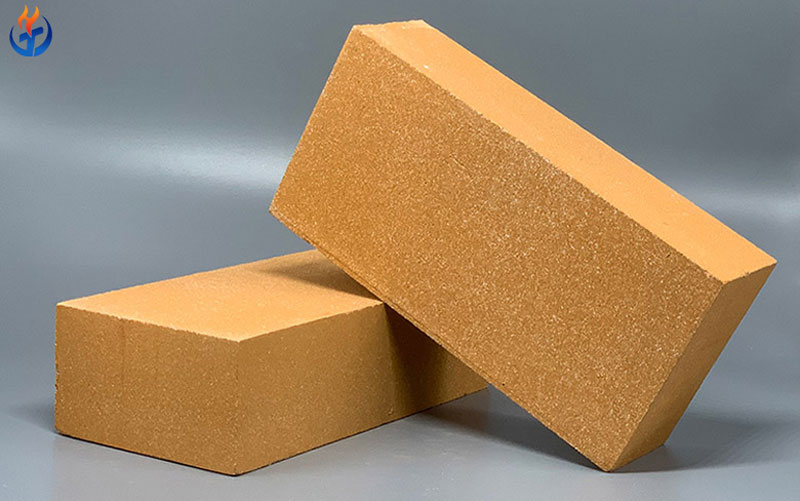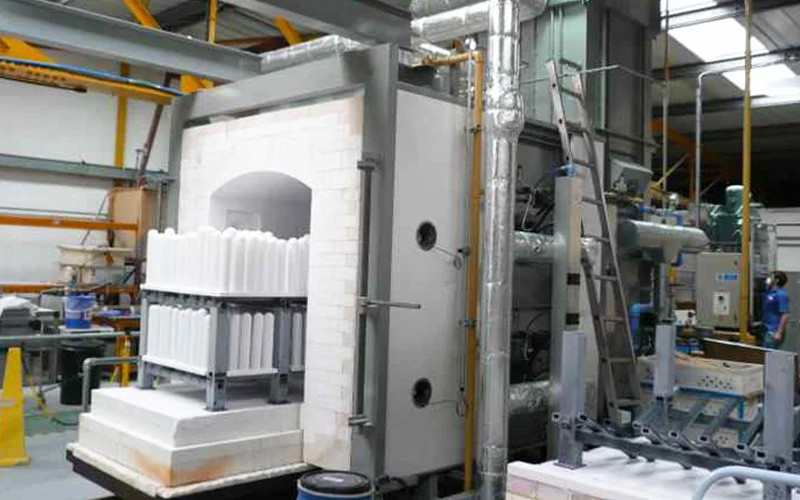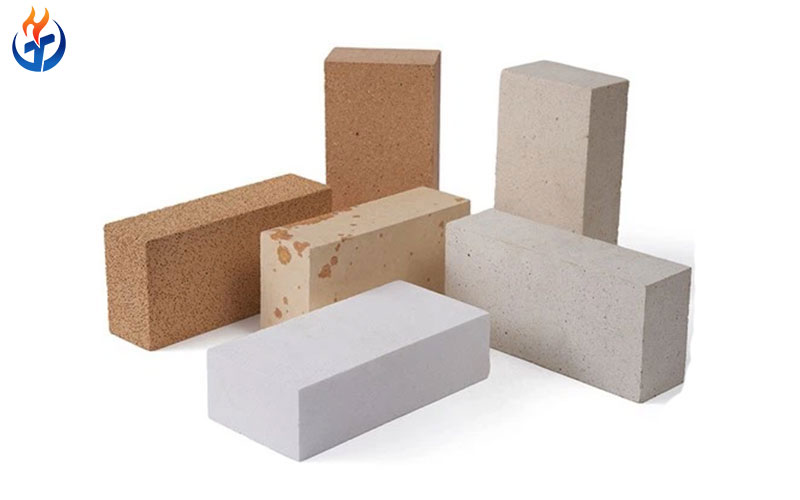
Corundum Low Cement Castables are high-performance monolithic refractory materials developed for demanding high-temperature applications. With high alumina content, low cement content, dense microstructure, and excellent resistance to thermal and chemical attack, they are widely used in steel, cement, petrochemical, waste incineration, and other high-temperature industries. Compared with conventional high-cement castables, Corundum Low Cement Castables can provide improved hot strength, lower porosity, better resistance to slag penetration, and enhanced thermal stability when properly formulated and installed.
Understanding the properties and advantages of Corundum Low Cement Castables is important when selecting refractory materials for furnace linings, kiln components, reactors, and other equipment exposed to severe operating conditions.
High Alumina Content for Excellent Refractoriness
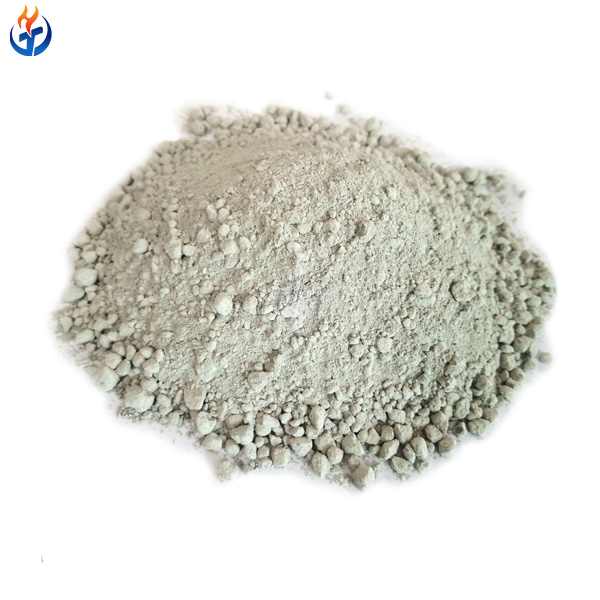
One of the most important characteristics of Corundum Low Cement Castables is their high Al₂O₃ content. High-grade formulations may contain approximately 90% or more alumina, with fused corundum or other high-purity alumina materials serving as the primary aggregate.
The high alumina content contributes to excellent refractoriness and high-temperature stability. Corundum has a very high melting point and maintains good structural stability at elevated temperatures. As a result, properly designed Corundum Low Cement Castables can be used in demanding refractory applications where conventional castables may experience deformation or degradation.
For high-temperature industrial equipment, maintaining dimensional stability is essential. Excessive softening or deformation can reduce lining thickness and shorten service life. The high-alumina corundum structure helps the refractory lining maintain its integrity during prolonged exposure to elevated temperatures.
Low Cement Content and Reduced CaO
The term “low cement” refers to the relatively low amount of calcium aluminate cement used in the formulation. Compared with conventional castables, Corundum Low Cement Castables generally use a reduced cement content, often combined with reactive alumina, ultrafine powders, and carefully graded aggregates.
Reducing cement content is important because excessive cement can introduce more low-melting phases into the refractory matrix after firing. A properly optimized low-cement system can therefore help improve high-temperature mechanical performance.
The reduced CaO content also contributes to the development of a more refractory matrix. With optimized particle-size distribution and fine powder technology, the material can achieve a dense structure while maintaining suitable workability during installation.
This combination of low cement, low CaO, and high alumina makes Corundum Low Cement Castables suitable for applications where high-temperature strength and long-term thermal stability are important.
Low Porosity and Dense Microstructure
Another major advantage of Corundum Low Cement Castables is their relatively low porosity. Through optimized aggregate grading, reactive alumina, ultrafine powders, and low-water mixing, the particles can be packed more efficiently to form a dense refractory structure.
A dense microstructure reduces the amount of interconnected pore space inside the refractory lining. This can help limit the penetration of molten slag, corrosive gases, and other aggressive substances.
In industrial furnaces, chemical penetration is one of the common causes of refractory deterioration. Once slag or molten material penetrates deeply into the lining, chemical reactions and volume changes may weaken the refractory structure.
The low-porosity structure of Corundum Low Cement Castables helps improve resistance to penetration and corrosion, particularly when the formulation is selected according to the specific chemical environment.
Excellent High-Temperature Strength
Corundum Low Cement Castables can maintain good mechanical strength under high-temperature operating conditions. Their performance comes from the combination of high-purity corundum aggregate, a dense matrix, low cement content, and the development of ceramic bonding during firing.
High hot strength is particularly important in areas exposed to mechanical loads, material impact, abrasion, and continuous thermal cycling. A refractory lining must not only withstand temperature but also maintain sufficient structural integrity during operation.
For example, furnace bottoms, impact zones, kiln components, and other high-wear areas can benefit from a castable with high mechanical strength and abrasion resistance.
Good Thermal Shock Resistance
Industrial refractory linings are often subjected to rapid temperature changes. Heating, cooling, intermittent operation, maintenance shutdowns, and process fluctuations can all generate thermal stresses.
Corundum Low Cement Castables can provide good thermal shock resistance when properly formulated. Their optimized microstructure helps the material accommodate thermal expansion and contraction while reducing the risk of cracking and structural damage.
Thermal shock resistance is especially important in equipment that experiences repeated temperature fluctuations. A refractory material with good thermal stability can help maintain lining integrity and reduce the frequency of repairs.
The actual thermal shock performance, however, depends on the formulation, aggregate characteristics, porosity, installation quality, and operating conditions.
Strong Resistance to Slag and Chemical Attack
Corundum is chemically stable in many high-temperature environments, while the dense low-cement matrix helps reduce the penetration of corrosive substances.
This makes Corundum Low Cement Castables suitable for environments where refractory linings are exposed to molten slag, dust, metal oxides, or aggressive process gases. Their resistance to chemical attack can help slow down the deterioration of the refractory lining.
For steelmaking and non-ferrous metallurgy applications, the chemical composition of slag and molten materials should be considered before selecting a specific grade. The castable formulation can be adjusted to provide suitable resistance for different operating environments.
Conclusion
Corundum Low Cement Castables combine high alumina content, low cement content, low porosity, excellent hot strength, and good thermal stability. Their dense microstructure helps resist slag penetration and chemical attack, while high-purity corundum provides excellent refractoriness and abrasion resistance.
These properties make Corundum Low Cement Castables a suitable option for demanding refractory applications in steel, cement, petrochemical, waste incineration, and other high-temperature industries. When the formulation, installation method, curing process, and operating conditions are properly matched, they can provide a strong and stable refractory lining for long-term industrial service.