Types of Ramming Mass
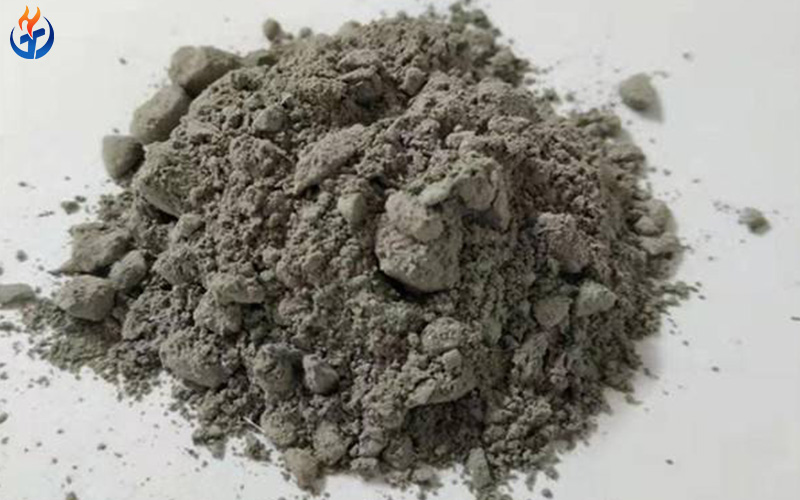
Ramming mass is primarily classified based on its material composition. It can be categorized into three main types: acidic, basic, and neutral ramming masses. Each type has distinct properties and is suitable for specific industrial applications.
1. Acidic Ramming Mass
Acidic ramming mass is commonly used in metal casting and smelting processes. It is composed of metal oxides, silicates, clay, and graphite. Due to its excellent resistance to abrasion and corrosion, it is particularly useful in the manufacturing of high-quality castings. Acidic ramming mass is suitable for environments where high strength and wear resistance are required.
- Applications:
- Used in high-temperature casting environments.
- Ideal for industries such as steel manufacturing and non-ferrous metal smelting.
- Provides excellent thermal shock resistance.
2. Basic Ramming Mass
Basic ramming mass is composed of basic oxides like magnesia (MgO) and calcium oxide (CaO), combined with binders and additives that enhance the mass’s viscosity and strength. This type of ramming mass is known for its excellent resistance to high temperatures and chemical corrosion, which makes it ideal for use in furnaces and kilns subjected to severe conditions.
- Applications:
- Commonly used in the steel industry, especially in steelmaking and slag-removal processes.
- Applied in high-temperature environments like blast furnaces, electric arc furnaces, and refining processes.
- Suitable for magnesium and lime-based processes.
3. Neutral Ramming Mass
Neutral ramming mass is typically made from alumina, graphite powder, and binders. This type of ramming mass is known for its high resistance to chemical corrosion and thermal shock. The mass forms a strong, compact lining that is effective in protecting furnace linings against molten metals and slags.
- Applications:
- Frequently used in the lining of electric furnaces and other high-temperature reactors.
- Offers superior chemical resistance and enhances furnace longevity.
- Suitable for environments where heat insulation and stability are critical.
Composition of Ramming Mass
The primary ingredients in ramming mass include:
- Refractory Aggregates: These are typically large-sized, high-purity aggregates such as alumina, silica, or magnesia. The quality and particle size of aggregates play a significant role in the material’s overall performance.
- Fine Powders: These powders are used to fill the gaps between larger aggregates, ensuring a smooth and uniform composition. Common powders used in ramming mass include silica powder, alumina powder, and graphite powder.
- Binders: These substances help hold the aggregates together. Organic or inorganic binders like sodium silicate, ethyl silicate, and borates are often used to create a cohesive mixture.
- Additives: Depending on the application, additives such as fluxing agents, deflocculants, and chemical stabilizers are added to improve specific properties like thermal stability, corrosion resistance, and ease of application.
Key Properties of Ramming Mass
Ramming mass must possess specific characteristics to be effective in high-temperature environments. These include:
- Thermal Stability: Ramming mass needs to withstand extreme heat conditions without degrading or losing its integrity. It should have a high melting point and should not be prone to thermal shock.
- Chemical Resistance: Ramming mass should resist corrosion from molten metals, slags, and gases encountered in industrial furnaces. Acidic ramming mass is particularly resistant to acidic slags, while basic ramming mass is better suited for alkaline environments.
- Density and Strength: High-density ramming mass provides greater resistance to mechanical wear and erosion. The material should also maintain its strength and stability even under pressure.
- Ease of Application: Ramming mass must be easy to handle and apply. The mix should be malleable enough to fill gaps and create a dense lining.

Applications of Ramming Mass
Ramming mass is used in a variety of industries that require high-temperature processes. Below are some of its common applications:
1. Steel Industry
In the steel industry, ramming mass is used for lining the interiors of furnaces, ladles, and steel converters. The acidic or basic ramming mass provides excellent resistance to molten metal, slag, and high temperatures. It is also used to improve the thermal insulation of electric arc furnaces and other high-temperature furnaces.
- Applications:
- Electric arc furnaces.
- Ladles for steel casting.
- Steel converters and refining furnaces.
2. Non-Ferrous Metal Industry
Ramming mass is widely used in the non-ferrous metal industry, particularly for melting aluminum, copper, and other metals. The neutral ramming mass offers excellent resistance to chemical corrosion and thermal shock, which is critical for the longevity and efficiency of furnaces used for non-ferrous metal production.
- Applications:
- Aluminum melting furnaces.
- Copper and brass smelting.
- Crucibles and other metal processing equipment.
3. Cement and Glass Industry
In the cement industry, ramming mass is used to line kilns and other high-temperature equipment. The material helps protect the structure of the furnace from the damaging effects of heat, chemical erosion, and mechanical wear. Similarly, ramming mass is used in glass manufacturing to protect melting furnaces.
- Applications:
- Rotary kilns in cement production.
- Glass melting furnaces.
- Insulation for kilns and reactors.
4. Waste Incineration
Ramming mass is also used in the waste incineration industry, where it helps line the incinerators and reactors. The high resistance to chemical and thermal stress ensures that the incinerators operate efficiently and maintain structural integrity during prolonged use.
- Applications:
- Waste incinerators.
- High-temperature reactors.
Advantages of Ramming Mass
- Durability: Ramming mass provides a long-lasting and durable lining for high-temperature industrial equipment. Its ability to withstand extreme temperatures and chemical exposure extends the lifespan of furnaces, kilns, and other equipment.
- Cost-Effective: By reducing maintenance costs and improving efficiency, ramming mass offers a cost-effective solution for high-temperature industries.
- Customizability: Ramming mass can be tailored to meet specific requirements based on the type of furnace or kiln, the type of metal or material being processed, and the specific operating conditions.
Conclusion
Ramming mass is an essential material in many high-temperature industries, offering a combination of durability, heat resistance, and chemical stability. Whether used in steelmaking, non-ferrous metal production, cement manufacturing, or waste incineration, ramming mass plays a critical role in ensuring the efficiency and longevity of industrial equipment. By understanding the various types, composition, and applications of ramming mass, industries can make informed decisions about the right material to optimize their operations and reduce maintenance costs.
For more information on ramming mass or to get a quote for your specific industrial needs, feel free to reach out to a trusted supplier or manufacturer in the field – Xintai Refractory.