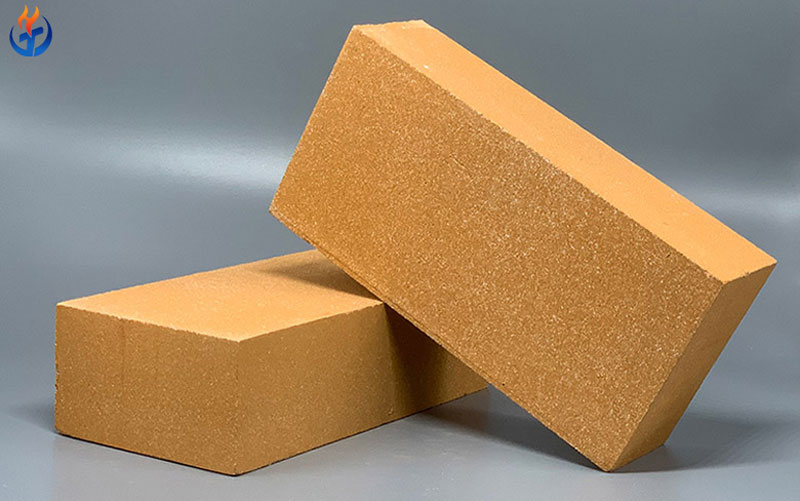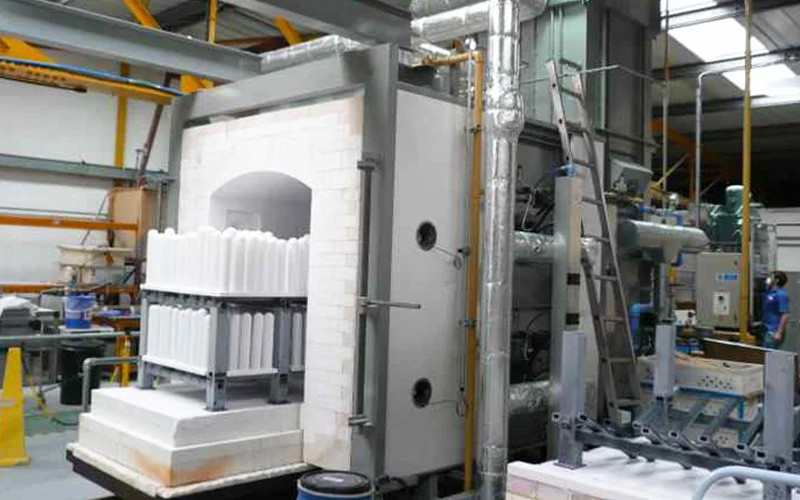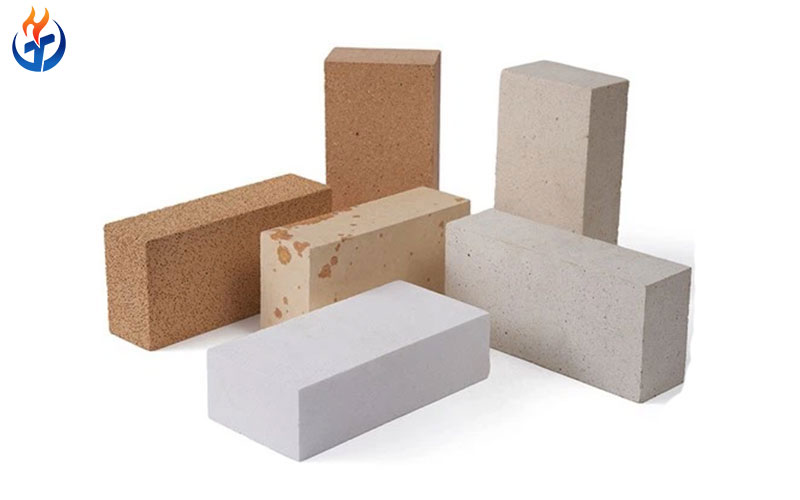
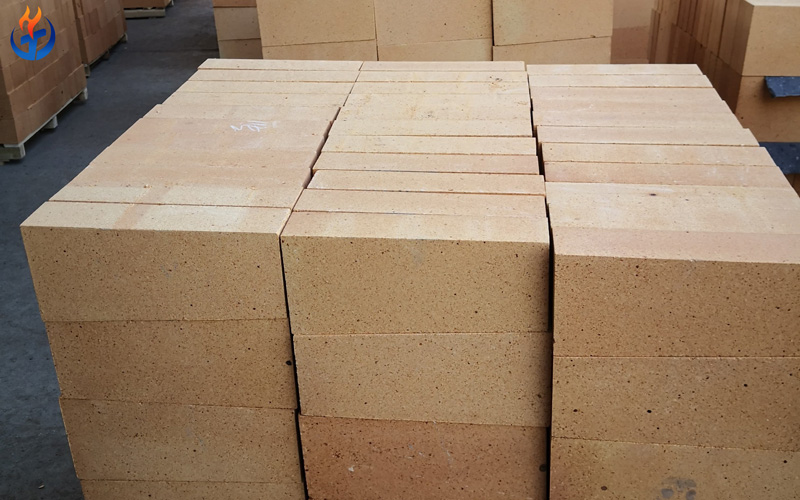
High-alumina bricks are a type of refractory material that is primarily used in various high-temperature industrial applications. With their superior strength, excellent thermal resistance, and chemical stability, high-alumina bricks are indispensable in many sectors, including ironmaking, steelmaking, cement production, and glass manufacturing. These bricks are known for their high alumina content, typically between 50% to 90%, which gives them exceptional performance in harsh environments.
1. Electric Furnace Roofs (Top Linings)
High-alumina bricks are extensively used in the roofs of electric furnaces, which operate at extremely high temperatures. The roof linings must withstand direct heat and thermal shock, which high-alumina bricks excel at. The ability of high-alumina bricks to resist high temperatures and chemical corrosion makes them ideal for such applications. These bricks are used not only in the roof linings but also in the sidewalls of the electric furnace, offering consistent protection against heat flux and chemical attacks.
2. Blast Furnace Shells (Furnace Bodies)
Blast furnaces, a crucial part of iron production, rely heavily on high-alumina bricks to line their bodies. These furnaces operate under intense temperatures and aggressive conditions. High-alumina bricks provide a strong, thermally resistant barrier that helps prevent the degradation of the furnace’s structural integrity. The bricks also assist in reducing energy consumption by improving thermal insulation within the furnace, making them essential for efficient iron production.
3. Hot Blast Furnace Walls
In addition to lining blast furnace bodies, high-alumina bricks are also used in the hot blast furnace walls. These walls have to endure not only high temperatures but also thermal cycling and chemical corrosion. The excellent thermal stability and resistance to thermal shock make high-alumina bricks an ideal choice for this application. They help improve the overall efficiency of the furnace by minimizing heat loss and maintaining the required temperature within the furnace.
4. Steel Ladle Linings
Steel ladles are used to carry and pour molten steel in steel production plants. High-alumina bricks are commonly used to line the interior of steel ladles because they offer excellent thermal shock resistance and withstand the extreme temperatures of molten steel. The bricks also provide excellent wear resistance to the abrasive nature of the molten metal, ensuring the ladle remains structurally sound over time. This durability helps reduce the maintenance costs of steel production equipment.
5. Steel Bucket (Molten Steel Transport)
High-alumina bricks are crucial for the lining of steel buckets, which are used for transporting molten steel from one part of a steel plant to another. The buckets must endure extremely high temperatures and resist chemical attack from molten steel, slag, and other molten materials. The high melting point and resistance to corrosion provided by high-alumina bricks make them perfect for this application. They ensure that the steel bucket remains durable throughout its use, preventing failures during transportation.
6. Iron Ladles (Molten Iron Transport)
Similarly to steel ladles, iron ladles, which are used for transporting molten iron, also rely on high-alumina bricks for their linings. These ladles operate in extremely high temperatures, and high-alumina bricks provide the necessary thermal resistance and protection against molten iron’s corrosive properties. The bricks also reduce thermal loss during the transport of molten metal, helping to optimize the overall operation of the smelting process.
7. Cement Kilns
In cement production, kilns operate at high temperatures to process raw materials. High-alumina bricks are used to line cement kilns due to their superior heat resistance and ability to withstand the highly abrasive environment inside the kiln. These bricks are resistant to wear from the flow of raw materials and can withstand the extreme heat generated during the cement production process. High-alumina bricks help in maintaining the integrity and longevity of cement kilns, ensuring consistent production and reducing the need for frequent repairs.
8. Glass Furnaces
Glass manufacturing requires furnaces that reach extremely high temperatures to melt raw materials like silica, soda ash, and limestone. High-alumina bricks are used in the linings of glass furnaces because they have excellent thermal resistance and can withstand the corrosive effects of molten glass. These bricks also help in maintaining the required temperature in the furnace and improve the efficiency of the glass production process by minimizing heat loss. Their resistance to both thermal shock and chemical wear ensures the longevity of the furnace linings, making high-alumina bricks a valuable component in glass production.
9. Various High-Temperature Industrial Furnaces
High-alumina bricks are not limited to the specific applications listed above. They are also used in various other high-temperature industrial furnaces, such as those used in the chemical and petrochemical industries. These industries often require furnaces that operate at high temperatures and are exposed to aggressive chemical environments. High-alumina bricks offer outstanding protection in these situations, providing thermal stability, chemical resistance, and durability. Their versatility makes them a crucial material in a wide range of industrial applications.
10. Applications in the Chemical Industry
High-alumina bricks are widely used in the chemical industry for lining furnaces, kilns, reactors, and other equipment that operate under high temperatures. The chemical industry often requires refractory materials that can withstand not only high temperatures but also aggressive chemical environments. High-alumina bricks, with their exceptional resistance to acidic and alkaline substances, provide the durability and protection needed in these harsh conditions.
Advantages of High-Alumina Bricks
High-alumina bricks offer several benefits that make them highly suitable for the above-mentioned applications:
- High Thermal Resistance: They can withstand extreme temperatures (up to 1800°C or higher), making them suitable for industries that involve high heat.
- Chemical Corrosion Resistance: High-alumina bricks are resistant to chemical attack from molten metal, slag, and other corrosive substances.
- Thermal Shock Resistance: These bricks are able to withstand rapid temperature changes, which is essential for industries where thermal cycling occurs frequently.
- Longer Service Life: Their durability ensures that high-alumina bricks can last longer than many other refractory materials, reducing the need for frequent repairs and replacements.
Conclusion
High-alumina bricks play a vital role in various high-temperature industries, including steel production, cement manufacturing, glass production, and more. Their ability to withstand extreme heat, chemical corrosion, and thermal shock makes them an indispensable part of furnace linings, steel ladles, and other high-temperature industrial equipment. By ensuring the longevity and efficiency of these high-temperature systems, high-alumina bricks contribute significantly to the productivity and cost-effectiveness of the industries they serve. As industrial processes continue to evolve, the demand for high-alumina bricks will remain strong, thanks to their unmatched performance and versatility.