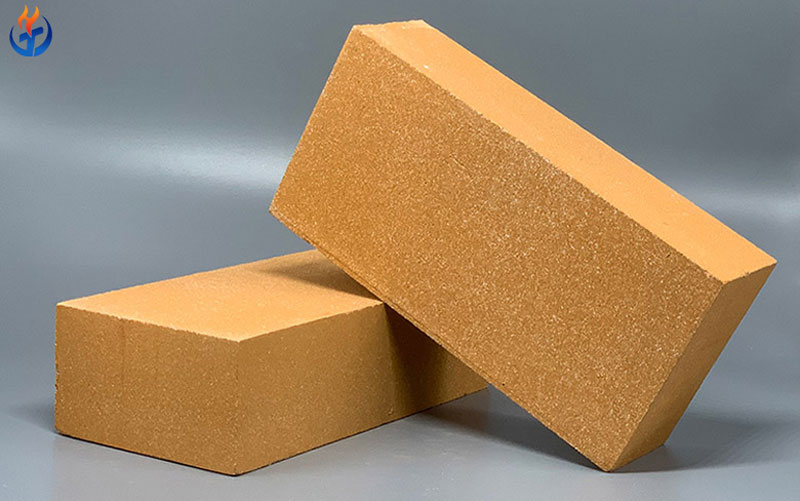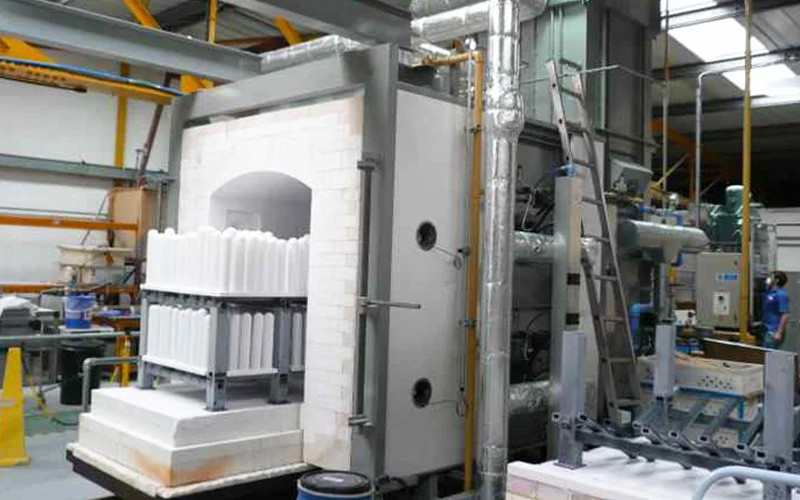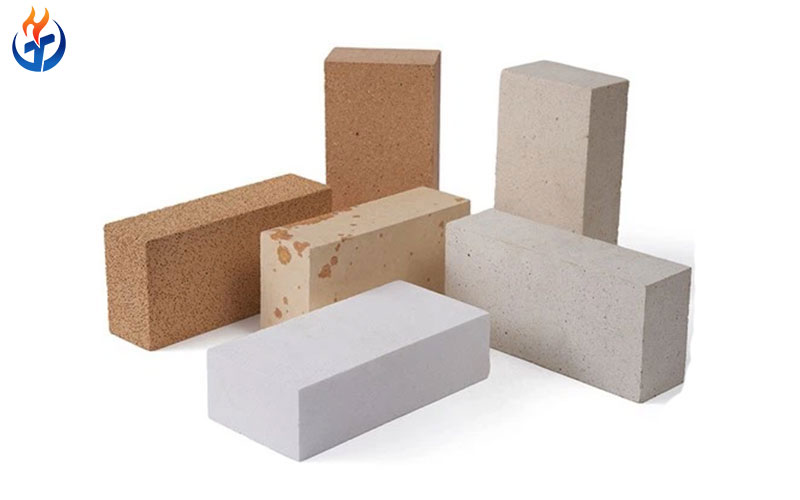
Monolithic refractory products are unshaped refractory materials designed to protect industrial equipment, furnaces, kilns, boilers, and other high-temperature structures from heat, chemical attack, abrasion, and mechanical stress. Unlike traditional refractory bricks, which are manufactured into specific shapes before installation, monolithic refractories are supplied as dry or semi-dry materials and formed directly at the application site.
Because they can be installed in different ways and adapted to various structures, monolithic refractory products have become an important solution for many industries that operate under high-temperature conditions. They are widely used in steel, cement, foundry, non-ferrous metals, petrochemical, power generation, glass, and other thermal processing industries.
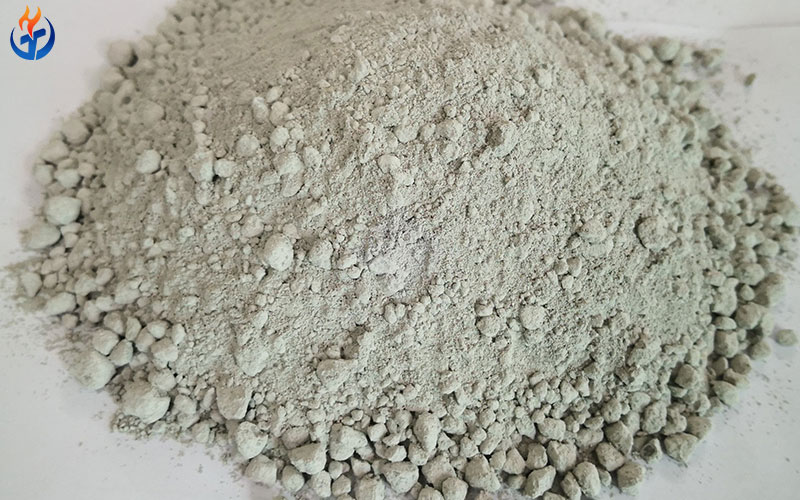
What Does Monolithic Refractory Mean?
The term “monolithic” refers to a refractory lining that is installed as a continuous or relatively seamless mass rather than as individually shaped bricks. These materials normally contain refractory aggregates, fine powders, binders, additives, and other components designed for specific working conditions.
Depending on the product type, monolithic refractory materials can be mixed with water or another liquid and installed by casting, ramming, gunning, spraying, or other methods. After installation and proper drying, they form a dense refractory lining that protects the underlying equipment.
This installation method allows refractory manufacturers to produce materials for complex shapes and areas where conventional bricks may be difficult or time-consuming to install.
Main Types of Monolithic Refractory Products
There are several major categories of monolithic refractory products, and each type is designed for particular installation conditions and service environments.
1. Castables
Refractory castables are among the most commonly used monolithic materials. They are generally mixed with a specified amount of water and poured or cast into molds, furnace linings, burner blocks, hearths, roofs, and other structures.
Castables can be classified according to their composition and performance, including high-alumina, low-cement, ultra-low-cement, insulating, and other specialized formulations.
2. Ramming Materials
Ramming refractories are installed by mechanical or manual ramming to create a compact lining. They are commonly used in furnace bottoms, hearths, induction furnaces, and areas exposed to mechanical impact or severe wear.
Their formulation can be selected according to the processed material and operating temperature.
3. Gunning Materials
Gunning materials are designed to be pneumatically projected onto a surface using specialized equipment. This makes them useful for repairing worn refractory linings and installing refractory layers in areas that are difficult to access.
Gunning can also reduce installation time when large surfaces require rapid refractory maintenance.
4. Plastic Refractories
Plastic refractories have a plastic or workable consistency and can be installed by ramming. They are often used for furnace linings, burner areas, and other applications where a dense, continuous refractory structure is required.
Their workability allows installers to form the material around complicated shapes.
5. Mortars
Refractory mortars are finer materials used primarily for joining refractory bricks and other shaped refractory products. They can also be used for sealing joints and repairing small gaps.
Although refractory mortar is different from bulk castable materials, it is an important part of monolithic refractory installation and maintenance systems.
What Are Monolithic Refractory Products Made Of?
The composition depends on the required application and performance. Common raw materials include alumina, calcined bauxite, fireclay, silica, magnesia, silicon carbide, and other refractory minerals.
The formulation may also contain hydraulic or chemical binders, dispersants, fibers, and performance-enhancing additives. Manufacturers adjust the particle size distribution and binder system to achieve the required strength, flowability, density, thermal resistance, and installation characteristics.
For example, a high-alumina monolithic refractory may be selected when high refractoriness and resistance to chemical attack are important, while silicon carbide-containing formulations may be preferred where abrasion, thermal shock, or certain corrosive environments are major concerns.
Advantages of Monolithic Refractory Products
One major advantage of monolithic refractory products is installation flexibility. Since they are not limited to predetermined brick shapes, they can be used to create linings around irregular structures, pipes, corners, burner openings, and other complex areas.
They can also reduce the number of joints in a refractory lining. Fewer joints can help minimize weak points where heat, molten materials, gases, or corrosive substances may penetrate.
Another advantage is maintenance efficiency. Certain monolithic materials can be applied directly to damaged areas, making localized repairs easier and potentially reducing furnace downtime.
Monolithic refractories can also be engineered for specific requirements. Depending on the formulation, manufacturers can optimize properties such as thermal conductivity, abrasion resistance, hot strength, corrosion resistance, thermal shock resistance, and dimensional stability.
How Are Monolithic Refractories Installed?
Installation depends on the specific product. Castables are commonly mixed and poured or vibrated into position. Ramming materials are compacted using suitable tools, while gunning materials are pneumatically sprayed onto the target surface.
Correct installation is essential for achieving the expected performance. Mixing water, installation thickness, compaction, curing, drying, and heating schedules all need to follow the manufacturer’s recommendations.
Improper installation can result in cracking, spalling, insufficient strength, or premature failure even when the refractory material itself is suitable for the application.
Where Are Monolithic Refractory Products Used?
Monolithic refractory products are used across many high-temperature industries. In steelmaking, they can be used in furnaces, ladles, runners, tundish systems, and other thermal equipment. Cement plants use monolithic materials in rotary kilns, preheaters, coolers, and other high-temperature zones.
They are also found in boilers, incinerators, petrochemical equipment, foundry furnaces, non-ferrous metal processing equipment, and glass manufacturing facilities.
The correct product depends on operating temperature, atmosphere, abrasion level, chemical exposure, mechanical stress, installation method, and expected service life.
Conclusion
Monolithic refractory products provide a flexible alternative to traditional shaped refractory bricks. Castables, ramming materials, gunning materials, plastic refractories, and related products can be formulated for different temperatures, mechanical conditions, and chemical environments.
Their ability to form continuous linings and adapt to complex structures makes them valuable for furnace construction, refractory maintenance, and industrial heat-processing equipment. By matching the refractory composition and installation method to the actual working conditions, industrial users can achieve reliable lining performance and improve the service life of high-temperature equipment.