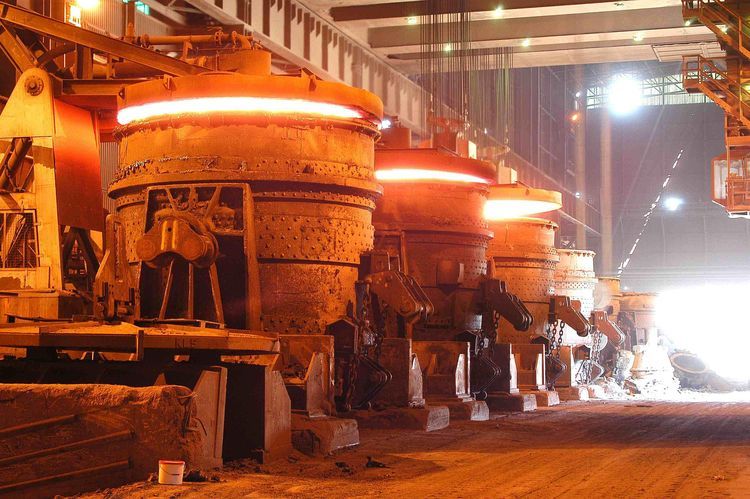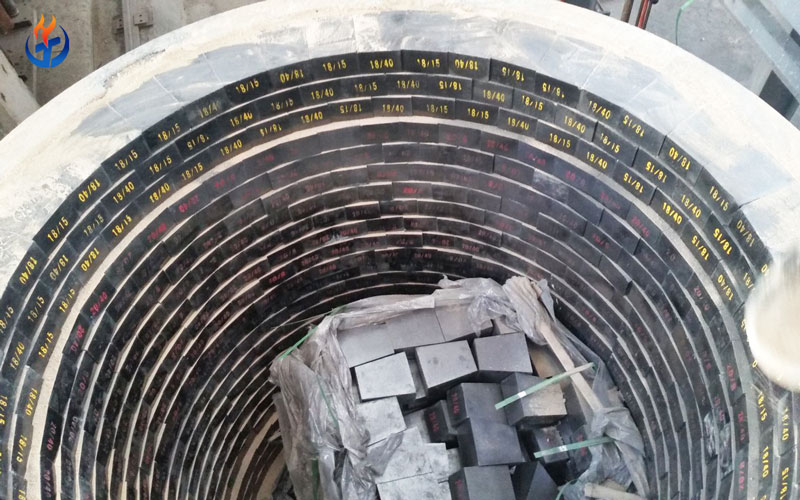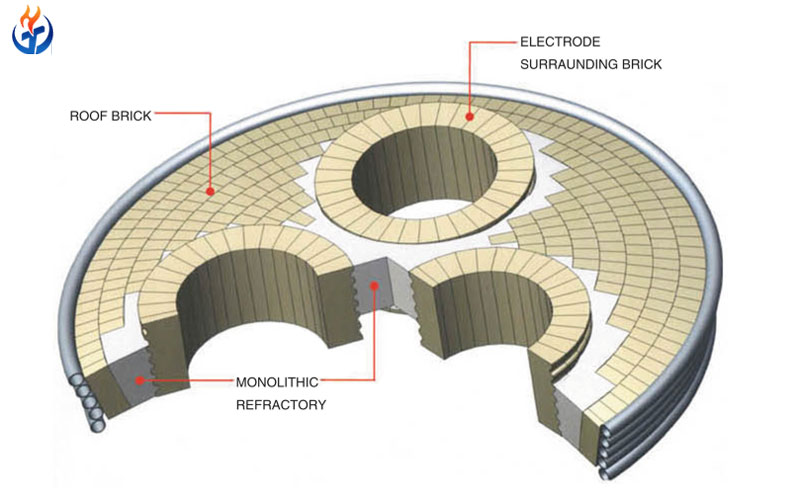
Waste Incinerator Refractory Materials are essential components in waste treatment systems that operate under extremely harsh thermal and chemical conditions. Inside an incinerator, these materials are continuously exposed to high temperatures, abrasive movement of solid waste, corrosive gases, and frequent thermal cycling. In such demanding environments, refractory linings are not merely structural parts—they play a vital role in ensuring operational efficiency, equipment safety, and long service life.
Then, Xintai Refractory will explain the main types of refractory materials used in waste incinerators, their performance requirements, structural applications, and engineering design considerations.
Overview of Waste Incineration Systems
Modern waste incineration technology includes several widely used system types:
- Intermittent incineration systems
- Fixed furnace incinerators
- Pyrolysis gasification systems
- Fluidized bed incinerators (including RDF systems)
- Rotary kiln incinerators
Among them, rotary kiln systems are especially important because of their strong adaptability to heterogeneous municipal solid waste.
Inside these systems, refractory linings protect steel shells and maintain stable thermal conditions during combustion and secondary treatment processes.
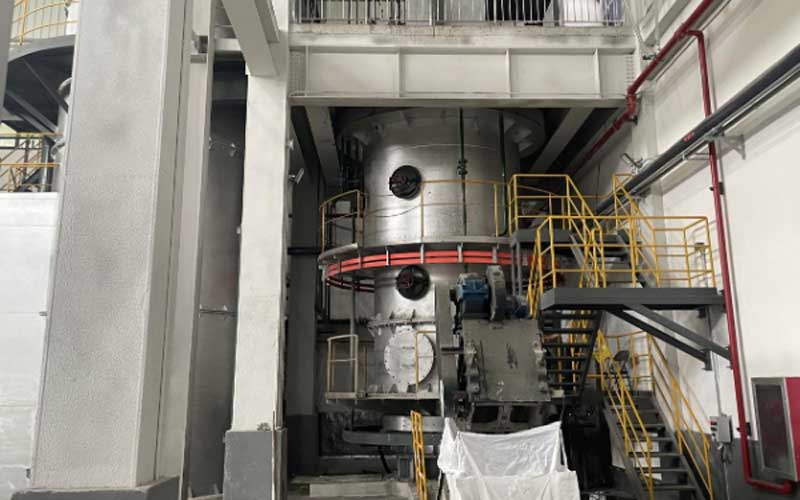
Working Conditions Inside Waste Incinerators
Refractory materials in incinerators must withstand multiple simultaneous stresses:
High thermal load
- Operating temperatures typically reach up to 850°C–1200°C
- Localized hot spots may exceed average values
Chemical corrosion
Flue gases may contain:
- Chlorine compounds (Cl₂, HCl)
- Sulfur oxides (SO₂)
- Carbon monoxide (CO)
- Alkali metal vapors
These substances aggressively attack refractory linings, causing chemical degradation over time.
Mechanical wear
Solid waste movement causes:
- Continuous abrasion
- Impact stress on kiln bottoms and sidewalls
- Mechanical erosion in rotating zones
Thermal shock cycles
Frequent heating and cooling leads to:
- Expansion and contraction stress
- Cracking and spalling of lining materials
A suitable refractory system must address all of these challenges simultaneously.
Main Types of Refractory Materials Used
Refractory materials for waste incinerators are generally divided into two major categories:
3.1 Shaped Refractory Products (Bricks)
Common types include:
- Clay bricks
- High-alumina bricks
- Silicon carbide bricks
Advantages:
- High structural stability
- Easy replacement in modular sections
- Good mechanical strength
Limitations:
- Joints may weaken over time
- Less flexible for complex furnace shapes
3.2 Monolithic Refractory Materials
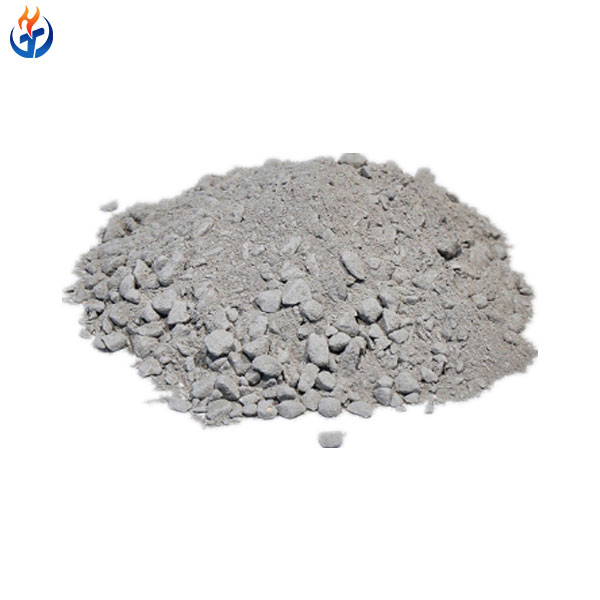
These include castables, plastics, and ramming materials:
- Clay-based castables
- High-alumina castables
- Phosphate-bonded castables
- Silicon carbide castables
- Insulating castables
Advantages:
- Seamless lining structure
- Better resistance to gas penetration
- Suitable for complex geometries
- Strong thermal shock resistance
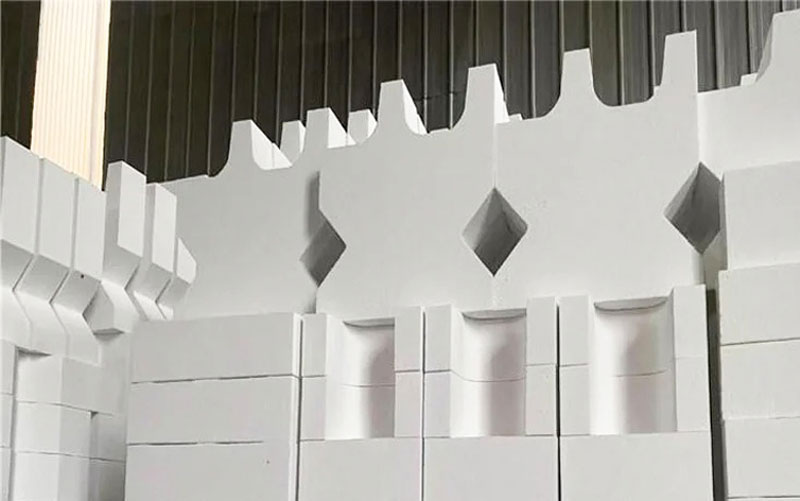
In recent years, silicon carbide castables and phosphate-bonded high-alumina castables have become increasingly popular due to their superior wear and corrosion resistance.
Key Performance Requirements
To ensure long service life in waste incineration environments, refractory materials must meet several critical performance standards:
4.1 High strength and abrasion resistance
- Withstand continuous impact from solid waste movement
- Resist erosion from high-speed flue gas flow
4.2 Chemical corrosion resistance
- Resist acidic and alkaline reactions
- Prevent structural weakening caused by corrosive gases
4.3 Thermal shock resistance
- Maintain stability during rapid temperature changes
- Prevent cracking and spalling
4.4 CO resistance
- Avoid structural collapse due to carbon monoxide reactions
- Ensure long-term stability of kiln lining
4.5 Volume stability
- Minimal expansion or shrinkage during heating cycles
- Maintains structural integrity under continuous operation
4.6 Good construction performance
- Easy installation and repair
- Reduced downtime during maintenance
4.7 Thermal insulation capability
- Reduces energy loss
- Improves overall thermal efficiency of the incinerator system
Rotary Kiln Lining Design in Waste Incineration
Rotary kiln systems are widely used in municipal waste treatment. Their refractory lining structure is carefully engineered according to temperature zones and mechanical stress levels.
A typical design may include:
Structural components:
- Anchor systems (metal anchoring hooks or prefabricated anchors)
- Wear-resistant castable layers
- Brick masonry or monolithic lining sections
Multi-section composite structure:
Modern engineering designs often use a segmented and modular lining system combining:
- Prefabricated linear blocks
- Castable refractory layers
- Reinforced transition zones
This composite structure provides:
- Better overall lining integrity
- Improved density and reduced porosity
- Easier construction without complex molds
- Shorter installation time (often reduced to under 30 days for a full kiln)
Typical Material Property Comparison
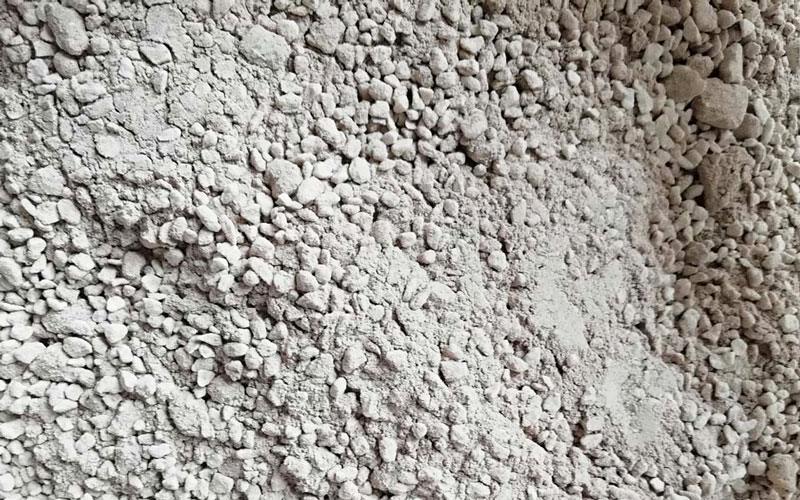
Different refractory types show varying performance characteristics:
High-alumina castables
- Al₂O₃: ~65%
- Bulk density: medium-high
- Strength: good
- Application: general furnace lining
Corundum-based refractories
- Al₂O₃: up to 80%
- High bulk density
- Excellent wear resistance
- Suitable for high-stress zones
Mullite-based materials
- Balanced thermal shock resistance
- Good structural stability
- Suitable for transition zones
Lightweight insulating materials
- Low density (~1.2 g/cm³)
- Excellent thermal insulation
- Used in outer lining layers
| Chromium Corundum Refractory | Corundum Mullite Refractory | High-Alumina Castable | Lightweight Refractory | |
|---|---|---|---|---|
| Al₂O₃ (%) | 80 | 80 | 65 | 35 |
| Bulk Density (g/cm³) | 2.9 | 2.7 | 2.5 | 1.2 |
| CCS (MPa) | 80 | 70 | 60 | 4.0 |
| MOR (MPa) | 10 | 9 | 8 | – |
| PLC (%) | ±0.5 | ±0.5 | ±0.5 | ±0.5 |
Selection Principles for Incinerator Refractories
Choosing the correct refractory system depends on:
- Furnace type (rotary kiln, fluidized bed, etc.)
- Waste composition and variability
- Operating temperature range
- Mechanical load intensity
- Chemical environment (chlorine, sulfur content)
- Expected maintenance cycle
A well-designed system often uses multiple materials in different zones rather than a single material solution.
Conclusion
Waste incinerator refractory materials play a vital role in ensuring safe, stable, and efficient operation of thermal waste treatment systems. Due to extreme working conditions involving heat, corrosion, abrasion, and thermal shock, material selection must be highly specialized.
A well-engineered refractory lining system not only extends equipment lifespan but also improves combustion efficiency, reduces downtime, and enhances overall operational safety.
As waste treatment demands continue to grow globally, advanced refractory solutions will remain a key driver in improving incineration technology performance and sustainability.