A steel ladle porous plug is a key refractory component used for bottom argon purging during secondary steelmaking. It introduces inert gas into molten steel through designed gas channels. Rising bubbles promote bath circulation, equalize temperature and composition, and support inclusion removal. Stable purging can also help reduce local temperature differences and improve the consistency of subsequent casting operations.
Steelmaking plants have different requirements for gas flow, ladle capacity, slag conditions and service life. Understanding the main types helps steelmakers select a plug that matches their operating conditions.
1. Slit-Type Steel Ladle Porous Plug
The slit-type steel ladle porous plug contains narrow, engineered gas channels within its working core. The number, width and arrangement of the slits can be designed according to the required gas flow and operating conditions. Compared with randomly distributed pores, defined slits provide a more controlled path for argon.
This design is widely used in ladle refining processes, including LF and VD operations. Its controlled gas delivery supports consistent stirring, while the channel design can help reduce the risk of blockage when the plug is operated and maintained correctly. Slit dimensions and refractory composition should be selected together because gas flow, erosion resistance and thermal stress all affect service performance.
2. Ceramic Rod-Type Steel Ladle Porous Plug
A ceramic rod-type plug uses multiple dense ceramic rods arranged in a designed pattern. Small gaps between the rods form the gas passages. The regular channel arrangement allows manufacturers to control the gas path and tailor the plug to different purging requirements.
Ceramic rod designs are often considered where stable gas distribution and resistance to molten-steel washing are important. The rods and surrounding refractory must work as an integrated structure, so their material compatibility, spacing and bonding quality matter. Depending on the design, the plug can be configured for different gas-flow ranges. Actual performance should be confirmed against the ladle capacity, argon pressure and refining practice.
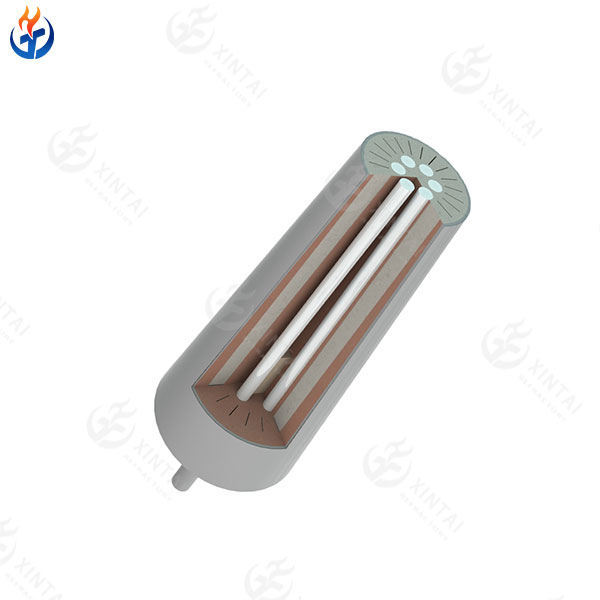
3. Integral Steel Ladle Porous Plug
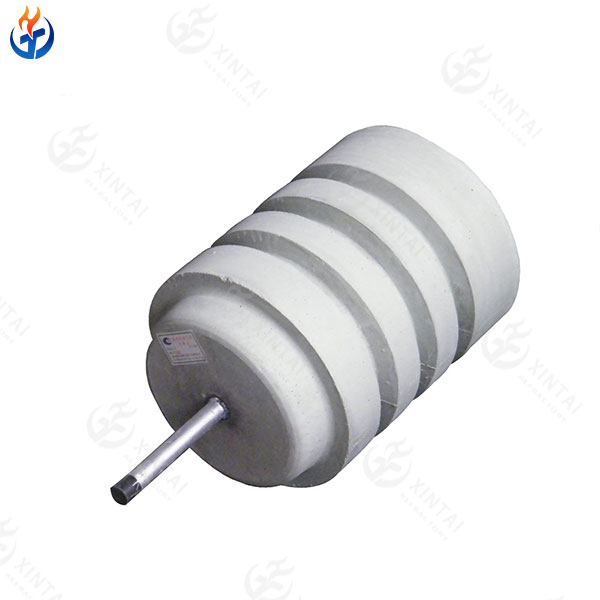
An integral steel ladle porous plug combines the working core and its surrounding seating body into one prefabricated unit. This integrated construction can simplify installation and reduce the number of interfaces between separate components. It is often selected when the plant values convenient installation and a compact bottom assembly.
The design must provide secure positioning, a reliable gas connection and resistance to thermal shock and erosion. Installation quality is essential: the seating area, gas pipe connection and surrounding ladle lining must be prepared according to the product specification. Integral plugs are available in different dimensions and configurations to suit specific ladle designs.
4. Twin and Dual-Core Steel Ladle Porous Plugs
Twin-type or dual-core plugs incorporate two working cores within one assembly. Depending on the design, the two cores may be operated together or independently. This arrangement gives steelmakers additional flexibility in gas distribution and may provide an alternative purging path if one core becomes restricted or reaches the end of its service life.
These products can be considered for large-capacity ladles or refining practices that require particular gas-flow arrangements. However, a twin design does not automatically mean twice the effective stirring or twice the service life. Results depend on the channel design, gas-control system, operating sequence and condition of each core. Buyers should confirm whether the product supports simultaneous or separate operation and request the relevant flow and installation drawings.
5. High Thermal-Shock-Resistance Steel Ladle Porous Plug
During service, a porous plug experiences repeated heating and cooling, contact with molten steel and slag, and changes in gas flow. These conditions can create thermal stress and contribute to cracking, spalling or premature wear. A high thermal-shock-resistance steel ladle porous plug is designed to better withstand these temperature changes.
Its performance depends on the refractory formulation, aggregate selection, bonding system, manufacturing process and structural design. This is a performance-oriented category rather than a single gas-channel structure. High thermal-shock resistance can therefore be combined with suitable slit, rod or other plug configurations. The best choice depends on the plant’s temperature cycle, ladle turnaround and refining conditions.
6. Materials and Construction Considerations
Steel ladle porous plugs are manufactured from refractory materials selected for high-temperature strength, corrosion resistance and thermal stability. Alumina-based, corundum-based and corundum-spinel compositions are commonly considered for different operating conditions. The appropriate grade depends on steel chemistry, slag composition, operating temperature, gas flow and the required campaign life.
Besides the working core, the assembly may include a seating block, protective refractory body and gas connection components. Material selection should be based on actual service conditions and technical data, not on a material name alone.
Conclusion: Choose a Plug for Your Steelmaking Conditions
The main types of steel ladle porous plugs include slit-type, ceramic rod-type, integral, twin or dual-core, and high thermal-shock-resistance designs. Each offers different structural features and operating considerations. The right solution depends on ladle capacity, refining route, gas-flow targets, refractory conditions and maintenance requirements.
When selecting a steel ladle porous plug, work with a refractory manufacturer that can review your drawings and operating data, recommend a suitable structure and material, and provide customized dimensions where required. Contact our team with your ladle specifications and application details to discuss a suitable porous plug solution for your steelmaking process.