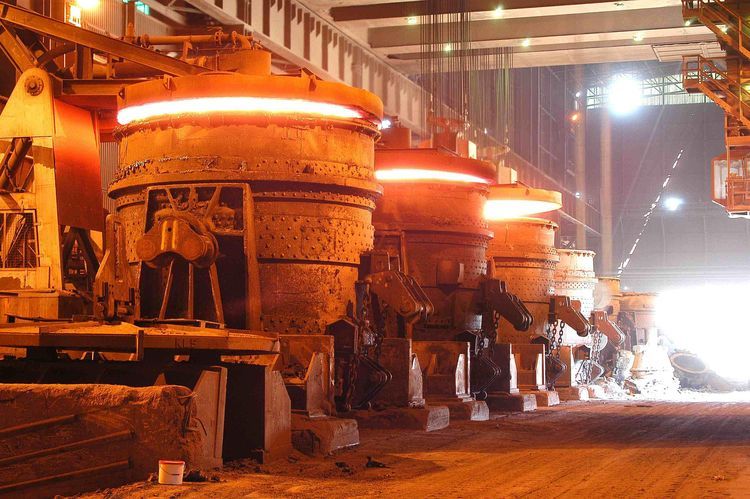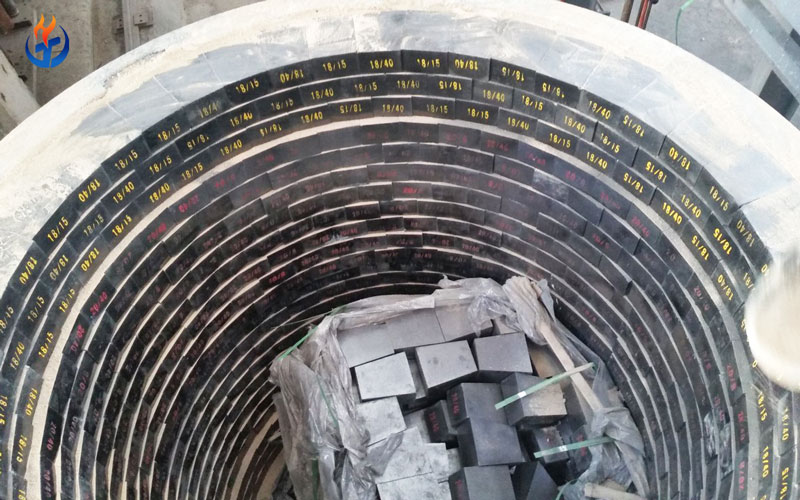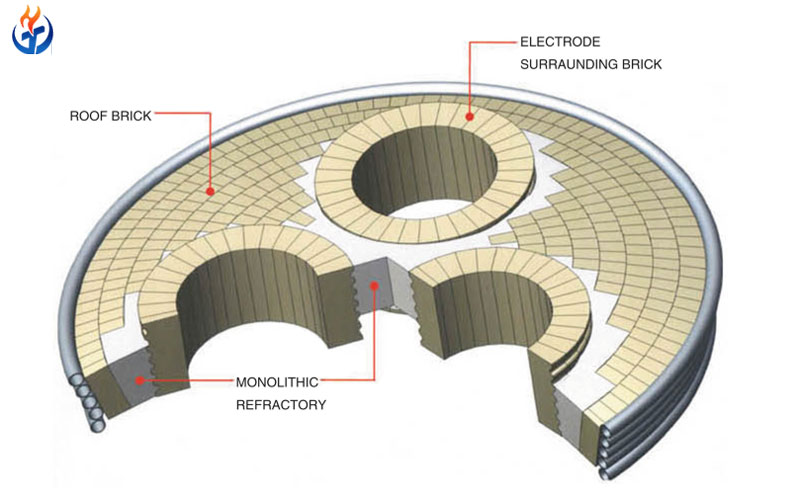
Steel ladles play an essential role in modern steelmaking. After molten steel is tapped from a furnace, the ladle holds and transfers the liquid metal to subsequent processes such as secondary refining and continuous casting. During these operations, its refractory lining is exposed to high temperatures, molten steel, slag erosion, mechanical wear, and repeated heating and cooling. Selecting suitable refractory materials for different lining zones is therefore important for safe operation, stable steel quality, and reasonable maintenance costs. Among the materials used in demanding ladle areas, magnesia carbon bricks are valued for their resistance to slag attack, thermal shock, and structural damage.
The performance requirements of a ladle lining vary according to its location. Slag movement, steel flow, temperature fluctuations, and mechanical contact create different wear conditions throughout the vessel. For this reason, magnesia carbon bricks are commonly specified in selected working-lining zones where their properties can address particular wear mechanisms.
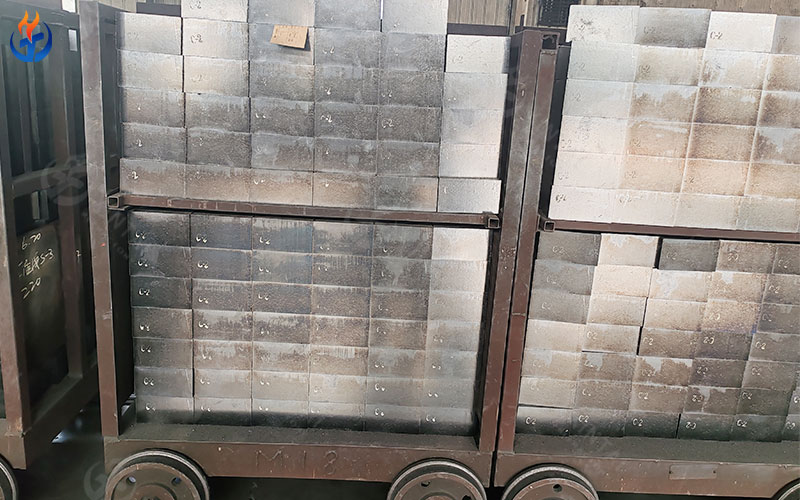
1. Main Application Locations of Magnesia Carbon Bricks
Slag Line: A Critical Wear Zone
The slag line is generally one of the most severely attacked areas of a steel ladle. During refining and holding, molten slag contacts the refractory lining and may move along the ladle wall as the vessel is tilted, stirred, or treated. Depending on its composition and temperature, slag can dissolve refractory components, penetrate pores and joints, and accelerate brick wear.
Magnesia carbon bricks are widely used in this zone because their magnesia aggregate offers good compatibility with many basic steelmaking slags, while the carbon component helps limit slag wetting and penetration. This combination can reduce chemical attack when the brick composition is properly matched to the slag system.
Their resistance to corrosion and spalling helps maintain a more consistent lining profile and can reduce the frequency of local repairs. Since slag-line wear is often a major factor in determining ladle campaign life, selecting an appropriate grade and installation design is particularly important.
Working Lining of the Ladle Wall
The ladle wall is exposed to heat from molten steel and repeated temperature changes during preheating, tapping, refining, casting, and emptying. These cycles generate thermal stresses within the refractory lining. In addition, the wall may experience chemical attack from slag, abrasion from moving steel, and mechanical stress during operation.
In suitable wall sections, magnesia carbon bricks provide a combination of refractoriness, thermal-shock resistance, and resistance to slag penetration. Their carbon content can help reduce the tendency of molten slag to wet the refractory surface, while the brick structure helps withstand repeated temperature fluctuations.
The actual use of magnesia carbon bricks in the wall depends on the plant’s lining concept. Some ladles use different refractory materials in different sections to balance performance, cost, and service life. Engineers should consider the temperature profile, slag exposure, and expected wear rate before selecting the brick grade and thickness.
Areas Subject to Localized Erosion and Impact
Certain parts of a ladle lining may experience more intense wear than surrounding areas. These can include locations affected by concentrated steel flow, slag movement, stirring operations, or repeated mechanical contact during maintenance. The impact zone near the bottom and other locally stressed sections may require refractory materials with suitable resistance to abrasion, erosion, and thermal shock.
Magnesia carbon bricks can be selected for appropriate high-wear areas when their properties match the operating conditions. Their use may help strengthen vulnerable sections and reduce uneven wear. However, not every impact area requires the same magnesia carbon grade. Steel flow patterns, temperature, and interactions with other refractory components should also be evaluated.
2. Key Functions of Magnesia Carbon Bricks in Steel Ladles
Resistance to Slag Corrosion
One of the main functions of magnesia carbon bricks is to resist chemical attack from ladle slag. Magnesia-based refractory materials are suitable for many basic slag environments, while carbon can reduce slag wettability and help limit penetration.
These characteristics can slow refractory consumption and support a more stable working lining. Actual corrosion resistance depends on slag basicity, FeO content, operating temperature, exposure time, and brick formulation.
Improved Thermal-Shock Resistance
Steel ladles undergo repeated temperature changes throughout their operating cycles. Rapid heating and cooling can create stress differences within refractory materials, potentially resulting in cracks and surface spalling.
The carbon in magnesia carbon bricks contributes to their ability to accommodate thermal stress and can help reduce damage caused by thermal cycling. Proper preheating and controlled operation remain necessary to achieve reliable performance.
Better Resistance to Penetration and Spalling
Slag penetration can weaken the internal structure of refractory bricks and accelerate wear. By helping reduce wetting and penetration, the carbon phase contributes to better resistance against this type of damage.
A properly designed brick can also maintain its integrity under changing thermal and chemical conditions, helping reduce peeling and spalling. Antioxidant additives, raw-material quality, and manufacturing controls all influence final performance.
Longer Lining Service Life
The condition of the refractory lining directly affects ladle availability, maintenance requirements, and operating safety. By reducing wear in selected high-demand zones, magnesia carbon bricks can help maintain lining thickness and support more stable ladle operation.
However, extending service life is not determined by brick material alone. Lining design, joint quality, installation, preheating, slag control, and operating practices all contribute to overall performance.
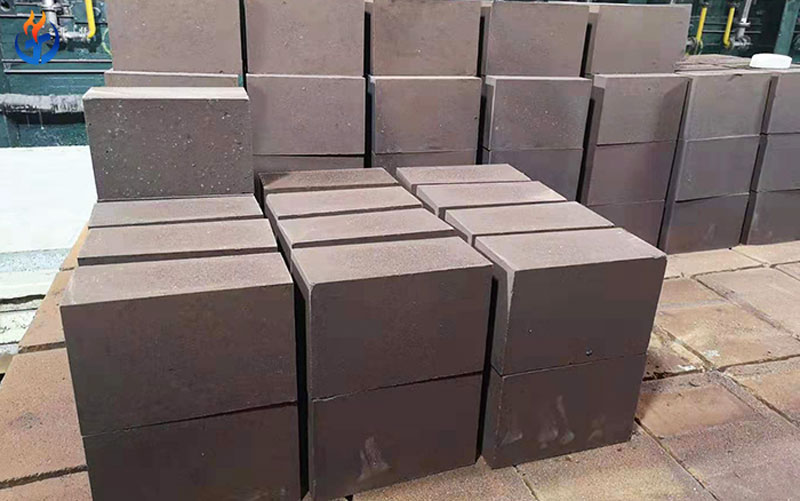
3. Material Characteristics and Selection Considerations
Magnesia carbon bricks are generally manufactured from magnesia raw materials and graphite, together with suitable binders and, where required, additives. Magnesia provides high-temperature refractoriness and resistance to many basic slags. Graphite contributes low wettability, thermal conductivity, and thermal-shock resistance. The balance between these components affects corrosion resistance, oxidation behavior, strength, and service performance.
When selecting magnesia carbon bricks for a steel ladle, buyers and refractory engineers should review MgO content, fixed carbon content, bulk density, apparent porosity, cold crushing strength, and oxidation resistance. The appropriate specifications depend on the intended application and operating conditions.
Higher carbon content is not automatically better in every situation, because oxidation and heat-transfer considerations also matter. Likewise, a grade designed for a severe slag line may not be the most economical choice for every wall section.
Storage and installation should also be properly controlled. Bricks need protection from moisture and physical damage before use, and construction should follow the specified lining layout and joint dimensions. Suitable preheating and slag management can further help the lining achieve its expected performance.
Conclusion
Magnesia carbon bricks are important refractory materials for selected working-lining areas of steel ladles, particularly the slag line, suitable wall sections, and localized zones exposed to intensified erosion or thermal stress. Their resistance to slag corrosion, thermal shock, penetration, and spalling can help improve lining stability and support longer ladle campaigns.
To obtain reliable results, the brick grade and application position should be matched to the ladle structure, slag chemistry, steelmaking process, and operating conditions. A properly designed refractory lining helps steel plants maintain efficient ladle operation while managing refractory consumption and maintenance costs.