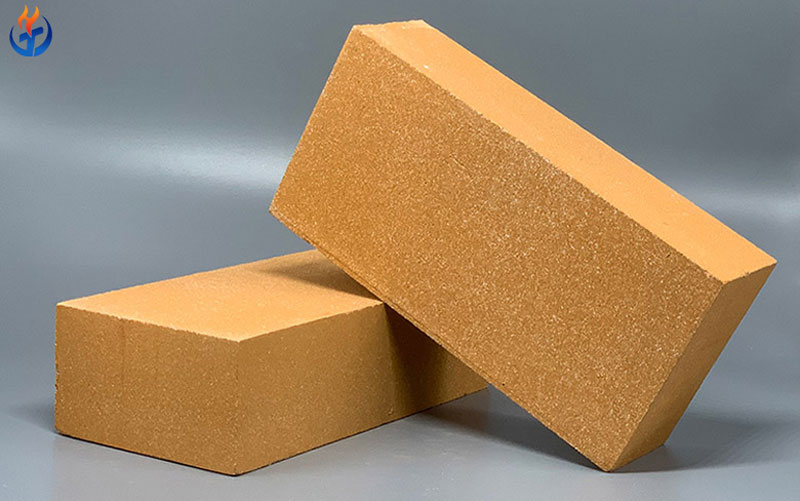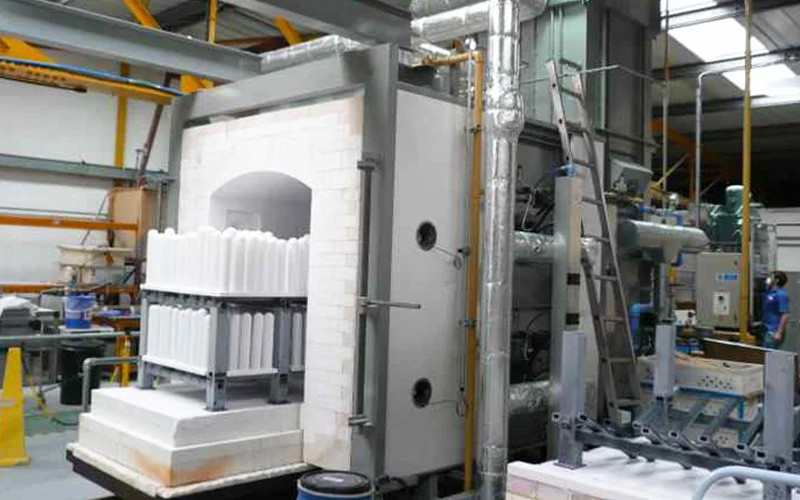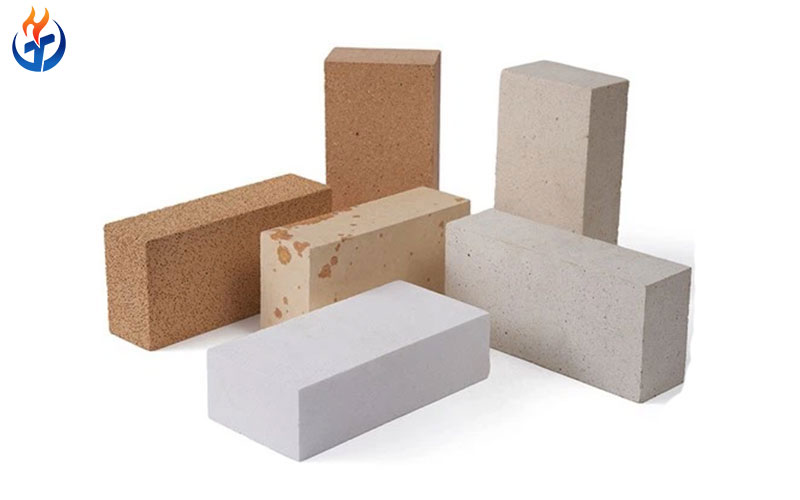
Clay refractory bricks have been a cornerstone in high-temperature industrial applications for centuries. Their unique combination of thermal stability, chemical resistance, and mechanical strength makes them indispensable in industries ranging from steel manufacturing to glass production. Based on their intended use, clay refractory bricks can be categorized into several types, including blast furnace clay bricks, hot blast stove clay bricks, carbonization kiln clay bricks, and porous bottom clay bricks. Understanding these types and their applications is essential for manufacturers, engineers, and procurement specialists in high-temperature industries.
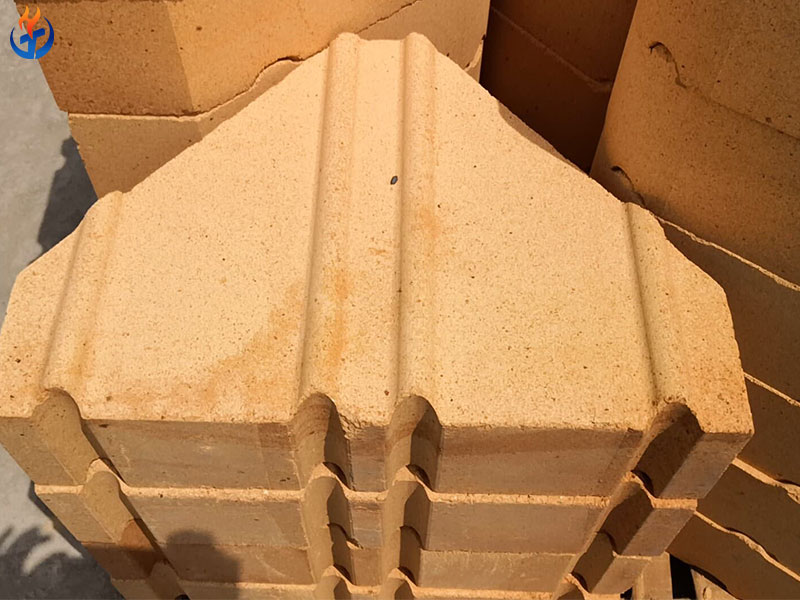
Blast Furnace Clay Bricks
Blast furnace clay bricks are manufactured using refractory-grade clay as the primary raw material. These bricks are designed specifically for lining the interior of blast furnaces. The furnace environment is extremely demanding, with temperatures exceeding 1,500°C in certain zones, combined with high mechanical stress and chemical attack from molten iron and slag.
Applications in Blast Furnaces
Blast furnace clay bricks are primarily used in smaller furnaces for constructing the hearth, bosh, tuyere zone, and furnace bottom. In larger blast furnaces, these bricks can also line the furnace body. The choice of high-quality refractory clay ensures the bricks can withstand thermal cycling and resist erosion from molten materials.
Properties and Performance
The key performance indicators for blast furnace clay bricks include:
- Thermal Resistance: They must maintain structural integrity at high operating temperatures.
- Chemical Stability: Resistance to attack by slag, molten metal, and gases is essential.
- Mechanical Strength: These bricks must support heavy loads and resist deformation under pressure.
Despite their effectiveness, clay bricks are typically used in areas of the furnace that are subject to less intense thermal and chemical stress. In zones of extremely high temperature, such as the hearth, higher-grade refractory materials, such as high-alumina bricks or silicon bricks, are often preferred.
Hot Blast Stove Clay Bricks
Hot blast stoves are critical components in blast furnace operations. They preheat the air supplied to the furnace, which enhances combustion efficiency and overall productivity. Hot blast stove clay bricks are made from refractory clay and are specifically formulated for lining the hot blast stove, regenerator, and partition walls.
Applications in Hot Blast Stoves
These clay bricks are used to construct the stove chamber and partition walls, where they must endure cyclic heating and cooling. The repeated thermal cycling demands that the bricks possess excellent thermal shock resistance. They are also used in the regenerative chambers that store heat from flue gases to improve energy efficiency.
Key Requirements
Hot blast stove clay bricks must meet several stringent requirements:
- High Thermal Shock Resistance: The bricks must endure rapid temperature changes without cracking.
- High Load Softening Temperature: Bricks should maintain strength under high-temperature load.
- Low Creep: The material should resist deformation over prolonged exposure to high temperatures.
By fulfilling these criteria, hot blast stove clay bricks ensure reliable and long-lasting operation of the stoves, which in turn supports the overall efficiency of the blast furnace system.
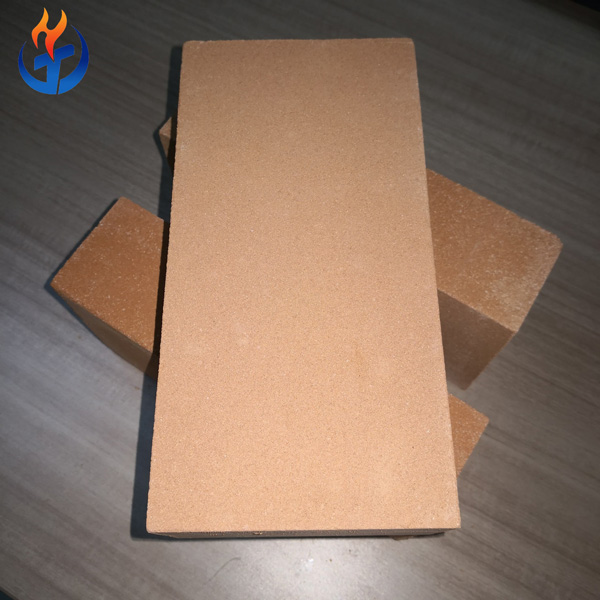
Large Clay Refractory Bricks for Glass Kilns
Glass production is another high-temperature industry that relies heavily on clay refractory bricks. Large clay bricks, typically weighing no less than 50 kg per piece, are designed for constructing glass furnaces. These bricks provide insulation and structural support for the furnace while being able to withstand the corrosive environment caused by molten glass.
Applications in Glass Kilns
Large clay bricks are used for furnace walls, crowns, and occasionally the floor of glass kilns. While their thermal conductivity is lower than that of silica bricks—typically 15%–20% less—they provide adequate insulation while being cost-effective.
Advantages and Limitations
The primary advantage of clay bricks in glass kilns lies in their ease of handling and availability in large sizes, which reduces construction time. However, their load softening temperature is lower than silica bricks, and they tend to shrink at high temperatures. Their mechanical strength is also generally lower, limiting their use in critical structural zones. As a result, clay bricks are often reserved for secondary areas of the furnace, such as partition walls, door linings, and upper sections where thermal stress is moderate.
Carbonization Kiln Clay Bricks
Carbonization kilns are widely used in the chemical industry for processing materials such as coke, carbon, and other solid fuels. Clay bricks designed for carbonization kilns are engineered to withstand high temperatures and the aggressive chemical environment produced during the carbonization process.
Applications
These bricks are used to line the walls, roofs, and internal structures of carbonization kilns. Their thermal stability ensures uniform heat distribution, which is critical for consistent carbonization of materials. Additionally, their chemical resistance helps prevent degradation caused by gases and byproducts released during the process.
Performance Characteristics
Key characteristics of carbonization kiln clay bricks include:
- Thermal Stability: Ability to withstand sustained high temperatures.
- Chemical Resistance: Resistance to gases such as CO, CO₂, and sulfur compounds.
- Mechanical Durability: Resistance to cracking and erosion under thermal cycling and mechanical loads.
Because carbonization kilns often operate under cyclic conditions, bricks used in these applications must maintain dimensional stability over time to avoid kiln distortion and ensure consistent product quality.
Bottom Porous Clay Bricks
Bottom porous clay bricks, or porous base bricks, are designed to support airflow in various industrial furnaces, including blast furnaces and coking ovens. The porous structure allows gases to pass through efficiently while maintaining mechanical strength and heat resistance.
Applications
These bricks are primarily used in furnace bottoms, where uniform air distribution is crucial for combustion and chemical reactions. Their design facilitates controlled airflow while minimizing resistance, contributing to efficient furnace operation.
Advantages
Porous clay bricks combine structural integrity with permeability, making them ideal for specialized furnace zones. They offer the following benefits:
- Optimized Gas Flow: The porous structure ensures even distribution of gases.
- Thermal Insulation: The air pockets reduce heat loss.
- Mechanical Strength: Despite porosity, they maintain sufficient load-bearing capacity.
Porous bottom bricks are often paired with denser refractory bricks in surrounding areas to balance insulation, strength, and airflow requirements.
Considerations for Choosing Clay Refractory Bricks
Selecting the right type of clay refractory brick is critical for the efficiency, durability, and safety of high-temperature operations. Several factors must be considered:
- Operating Temperature: Different zones in a furnace experience different temperatures, which determines the type of brick required.
- Chemical Environment: Bricks must resist attack from slags, molten metals, and gases.
- Mechanical Stress: Load-bearing areas require bricks with higher compressive strength and thermal shock resistance.
- Thermal Conductivity: Bricks with lower thermal conductivity provide better insulation, reducing energy consumption.
- Installation and Maintenance: Large bricks reduce installation time, while modular designs can simplify maintenance.
A thorough understanding of these factors allows engineers and procurement teams to select the most appropriate clay brick for each application, balancing cost, performance, and longevity.
Conclusion
Clay refractory bricks from Xintai Refractory remain a fundamental material in high-temperature industrial processes. From blast furnaces and hot blast stoves to glass kilns and carbonization kilns, the versatility of these bricks ensures they meet the specific requirements of each application. By understanding the different types of clay bricks—blast furnace, hot blast stove, large glass kiln bricks, carbonization kiln bricks, and porous bottom bricks—industries can optimize furnace performance, reduce maintenance costs, and ensure safe, efficient operations.
Although their thermal and mechanical properties may not match specialized high-alumina or silica bricks in extreme zones, clay bricks offer a cost-effective, reliable solution for secondary and less critical areas of high-temperature equipment. Their continued use reflects a balance between tradition, material science, and industrial efficiency that remains relevant across modern industrial furnaces worldwide.