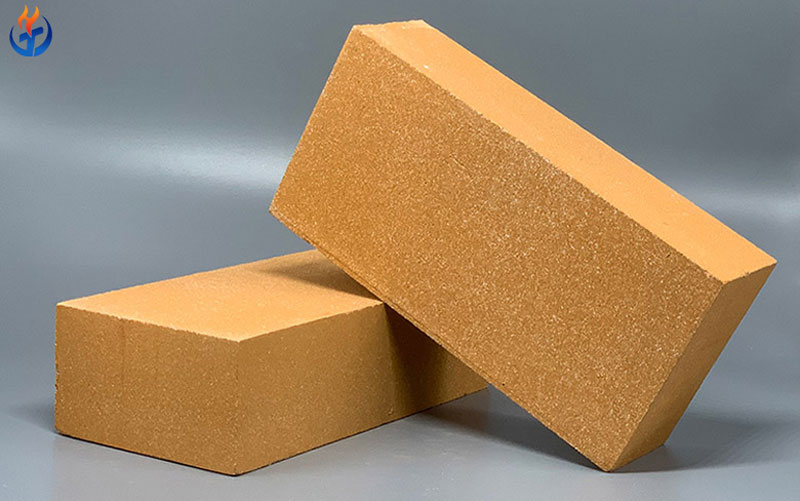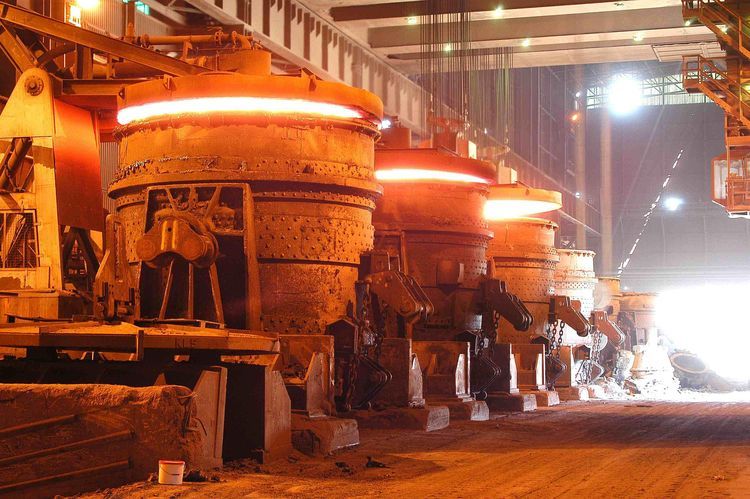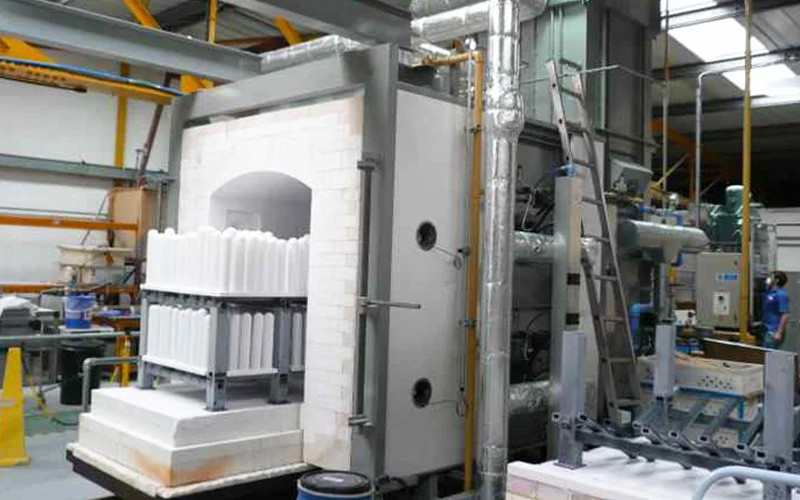
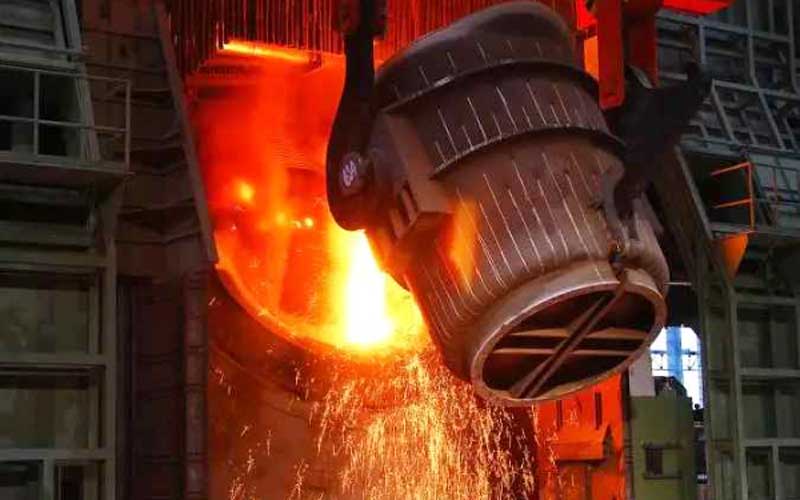
In the steelmaking process, the ladle plays a crucial role in transporting and processing molten metal. To ensure the longevity and efficiency of ladles, refractory materials are used extensively to line the ladle and protect it from the extreme temperatures and chemical interactions involved. This article will delve into the various types of ladle refractory materials, focusing on the primary categories such as ladle refractory bricks, alumina spinel bricks, and ladle lining materials.
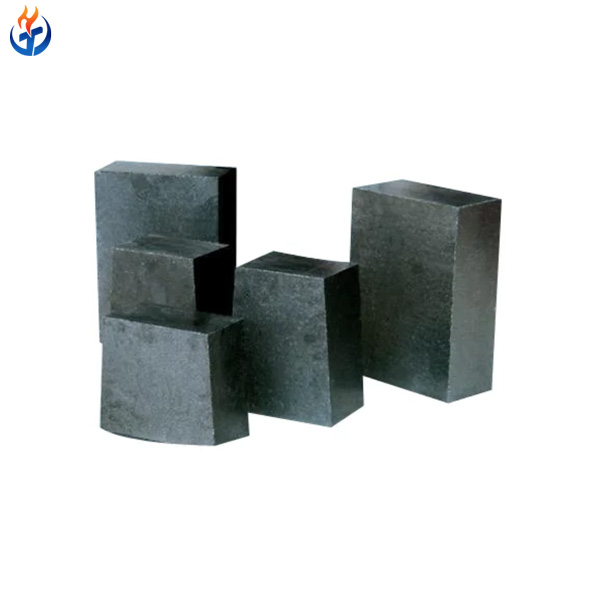
15 Types of Ladle Refractory Materials
1. Ladle Refractory Bricks
Ladle refractory bricks are among the most essential materials for the construction of ladles. These bricks are designed to withstand the high temperatures and mechanical stresses encountered during steelmaking. Different types of ladle refractory bricks are used, depending on the specific requirements of the ladle, such as the need for thermal shock resistance or chemical stability.
Magnesia Carbon Bricks
Magnesia carbon bricks are a popular choice for ladle linings due to their excellent resistance to high temperatures and thermal shock. They are made by combining magnesia (MgO) with carbon (C), creating a material that is both durable and resistant to slag erosion. These bricks are ideal for ladles used in processes such as steel refining and pouring, where the interaction between molten metal and slag is critical.
Alumina Spinel Bricks
Alumina spinel bricks are another high-performance material used in ladle linings. These bricks are made by combining alumina (Al2O3) with magnesia to form spinel (MgAl2O4). Alumina spinel bricks offer outstanding resistance to slag erosion and are especially beneficial in applications where the ladle is exposed to high levels of alumina or other impurities in the slag.
2. Alumina Magnesia Carbon Bricks and Magnesia Alumina Carbon Bricks
Alumina Magnesia Carbon Bricks
These bricks combine alumina (Al2O3) with magnesia (MgO) and carbon to form a composite material that is highly resistant to both thermal shock and chemical attack. Alumina magnesia carbon bricks are often used in ladles for processes that involve a high concentration of slag or molten metal with a high basicity. These bricks are highly resistant to corrosion from molten steel and provide excellent structural integrity even at high temperatures.
Magnesia Alumina Carbon Bricks
Magnesia alumina carbon bricks are similar to alumina magnesia carbon bricks but with a slightly different balance of ingredients. These bricks are typically used in applications that require enhanced resistance to abrasion, slag penetration, and high-temperature stability. Their unique composition ensures that they perform well in ladles subjected to intense thermal cycles and mechanical stress.
3. Magnesia-Calcium Carbon Bricks
Magnesia-calcium carbon bricks are used in ladles that handle molten steel with a high concentration of calcium. These bricks are composed of magnesia (MgO), calcium oxide (CaO), and carbon (C). The high calcium content improves the brick’s ability to resist slag and molten metal attack, ensuring the longevity of the ladle in operations that involve high concentrations of basic slag or other aggressive chemicals.
4. Magnesia Chrome Bricks
Magnesia chrome bricks are made by combining magnesia (MgO) with chromite (Cr2O3). These bricks offer exceptional resistance to thermal shock, high temperatures, and slag erosion. They are commonly used in ladle linings where the metal being processed has a high chromium content, or in environments where the ladle is exposed to slag with high levels of chromium.
5. Ladle Bottom Blown Argon Permeable Bricks
Ladle bottom blown argon permeable bricks are designed for use in ladles that employ argon injection for refining the molten metal. These bricks are installed in the bottom of the ladle to allow argon gas to pass through and mix with the molten steel, improving the quality of the metal. These bricks must have a high level of porosity and thermal resistance to withstand the high temperatures and chemical conditions of the process.
6. TWINS Integral Permeable Bricks
TWINS integral permeable bricks are a unique type of ladle refractory material that combines high permeability with durability. These bricks are designed to provide enhanced gas permeability while maintaining excellent thermal shock resistance. They are used in ladles that require controlled atmospheres and gas mixing during steel refining processes.
7. Ladle Tapping Refractory Bricks (Spout Blocks)
Ladle tapping refractory bricks, also known as spout blocks, are used to line the ladle’s spout where molten metal is poured into molds. These bricks are exposed to both high temperatures and constant abrasion from the flow of molten metal. To maintain their structural integrity, tapping blocks are typically made from high-performance materials like magnesia carbon and alumina spinel.
8. Performance Slag Skids
Slag skids are used to support the ladle’s bottom and sides during the steelmaking process. These performance slag skids are designed to resist slag erosion and maintain the ladle’s shape throughout the refining process. Made from durable materials like magnesia, they ensure that the ladle can endure the intense thermal and mechanical stresses involved in steel processing.
9. Non-Burning Composite Skids
Non-burning composite skids are specially designed to reduce the risk of burning and cracking during use. These skids are ideal for use in ladles that are exposed to prolonged exposure to molten steel and high temperatures. The composite nature of these skids provides excellent resistance to thermal shock and slag erosion, making them an essential part of a ladle’s refractory lining system.
10. Ladle Castables and Tapping Materials
Magnesite Castables
Magnesite-based castables are often used to repair and line ladles due to their high resistance to both thermal shock and slag attack. These materials can be easily applied and provide excellent structural integrity over long periods of use. They are ideal for ladle repairs in cases where refractory bricks need to be replaced or reworked.
Alumina Magnesia Castables
Alumina magnesia castables are a versatile material used in ladles for both structural lining and repair work. These castables are designed to provide high resistance to both slag erosion and thermal shock. Their application extends the service life of ladles and minimizes downtime during repairs.
11. Ladle Slag Drainage Sands
Ladle slag drainage sands are used to assist in the draining of slag from the ladle during and after the refining process. These sands are chemically stable and can withstand high temperatures. Their primary function is to facilitate the easy removal of slag without damaging the refractory lining of the ladle.
12. High-Quality Refractory Slurries
High-quality refractory slurries are used to bond and reinforce ladle linings. These slurries are often applied during the initial construction of the ladle lining, and their properties ensure that the refractory materials adhere securely and resist slag attack. They also improve the overall durability and thermal resistance of the ladle.
13. Integrated Blown Argon Guns
Integrated blown argon guns are essential for ladles that use argon injection to refine steel. These guns are designed to introduce argon gas into the ladle through specialized nozzles. The combination of high-performance refractory materials and advanced gas injection technology ensures that the ladle performs optimally throughout its lifecycle.
14. Dissipative Permeable Bricks
Dissipative permeable bricks are designed for use in ladles where controlled atmospheres are required. These bricks are engineered to dissipate heat efficiently while maintaining high gas permeability. They are commonly used in ladles that require precise control over the metal’s chemical composition during refining.
15. High-Temperature Slag Sliding Plates
High-temperature slag sliding plates are used in ladles to manage the flow of slag. These plates provide excellent resistance to slag erosion and are essential for maintaining the ladle’s shape and function during high-temperature operations. Made from durable, heat-resistant materials, they ensure the ladle remains functional even under the harshest conditions.
Conclusion
Ladle refractory materials are vital components in the steelmaking process, ensuring that the ladle can withstand the extreme temperatures and chemical interactions involved. From magnesia carbon bricks to alumina spinel bricks and various castables, each type of material is designed to meet specific operational needs and enhance the longevity of the ladle. The continuous development of these materials helps steel manufacturers improve efficiency, reduce maintenance costs, and produce higher-quality products. As the steel industry evolves, so too will the technology behind ladle refractory materials, ensuring that ladles can continue to perform reliably in the face of ever-increasing demands.
Incorporating ladle refractory bricks and materials into the steelmaking process ensures that the ladle lining remains durable and resistant to the extreme conditions encountered during molten metal processing. For steel manufacturers, selecting the right ladle lining material is crucial for optimizing performance and minimizing downtime.