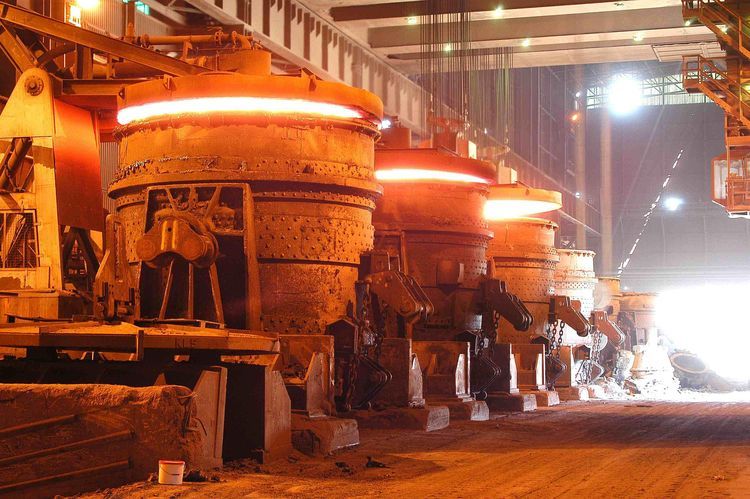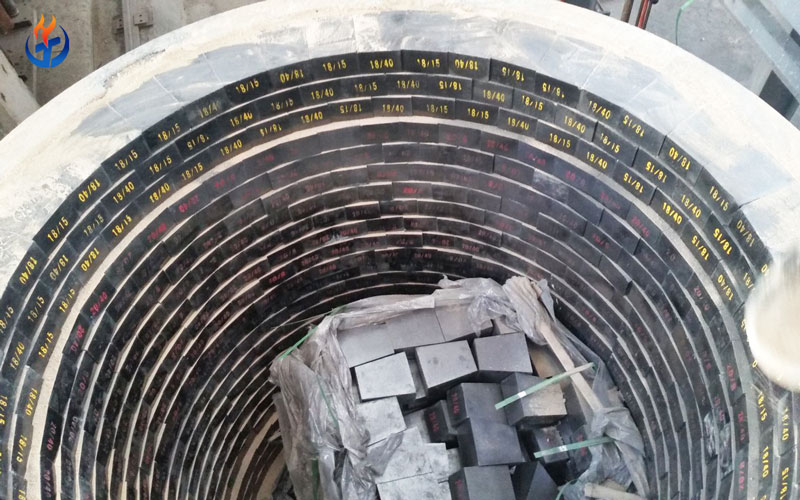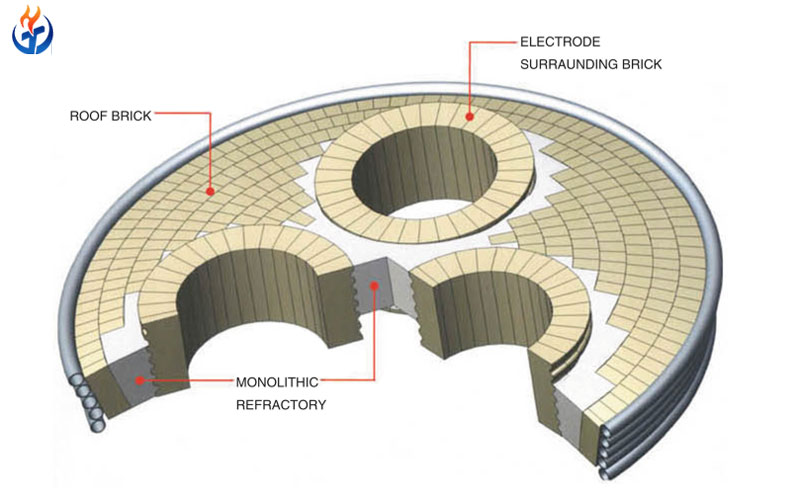
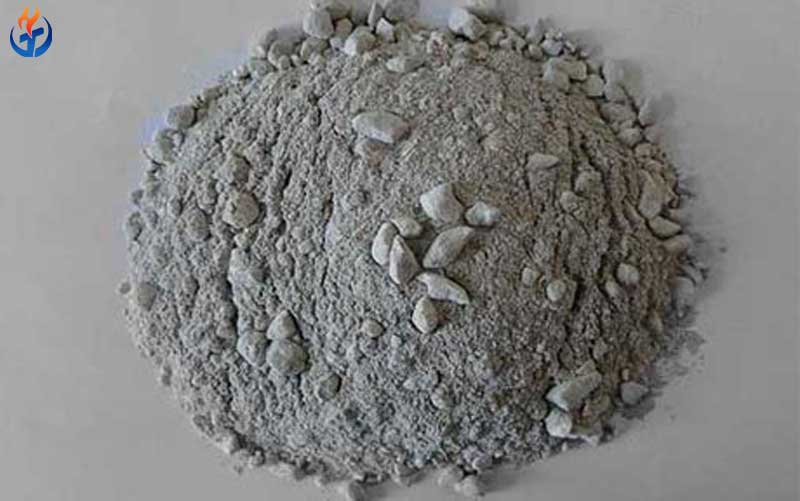
Steel Ladle Refractory Castables are important monolithic refractory materials used for steel ladle linings in steelmaking. They protect ladles from high temperatures, molten steel erosion, slag corrosion, and thermal shock, helping extend service life and improve production efficiency.
According to different raw materials and performance requirements, Steel Ladle Refractory Castables can be classified into several types, including clay-based castables, high alumina castables, magnesia-based castables, composite castables, refractory fiber reinforced castables, and expanded perlite castables. Each type has different advantages and is suitable for specific steelmaking conditions. Choosing the right refractory castable is essential for improving ladle durability, reducing maintenance costs, and ensuring stable steel production.
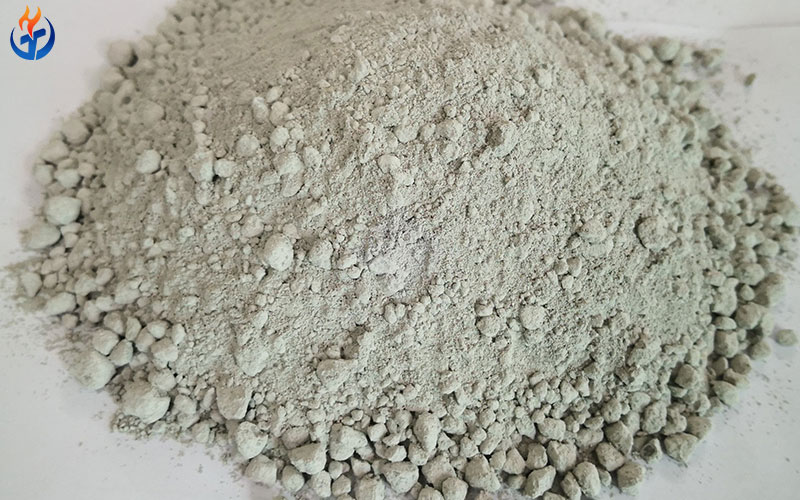
Types of Steel Ladle Refractory Castables
1. Clay-Based Steel Ladle Refractory Castables
Clay-based steel ladle refractory castables are traditional refractory materials mainly made from clay, refractory aggregates, and binding agents. They are commonly used in applications where extreme temperature resistance and corrosion resistance are not the primary requirements.
Because of their good workability and relatively low cost, clay-based castables remain a practical choice for general steel ladle applications.
Main Features
The main advantages include:
- Good construction performance;
- Easy mixing and installation;
- Suitable mechanical strength;
- Lower production cost.
Clay-based castables are easy to apply and can provide reliable performance under moderate working conditions.
Applications
They are mainly used for:
- Ordinary steel production;
- Steel ladles with moderate temperature requirements;
- Applications requiring economical refractory solutions.
However, compared with high-performance refractory materials, clay-based castables have limited resistance to high-temperature erosion and slag attack, making them unsuitable for advanced refining processes.
2. High Alumina Steel Ladle Refractory Castables
High alumina steel ladle refractory castables are among the most widely used refractory materials in modern steel plants. They are mainly manufactured from high alumina bauxite, corundum, and other alumina-rich raw materials.
Due to their high alumina content, these castables provide excellent resistance to high temperatures, molten steel erosion, and chemical corrosion.
Main Features
High alumina Steel Ladle Refractory Castables offer:
- High refractoriness;
- Excellent slag resistance;
- Strong corrosion resistance;
- High mechanical strength;
- Good thermal shock resistance.
They can maintain stable performance during long-term exposure to high temperatures and severe operating conditions.
Applications
High alumina castables are widely used in:
- Continuous casting ladles;
- Alloy steel production;
- High-temperature steel transportation;
- Steel ladles requiring longer service life.
Because of their balanced performance, they are one of the preferred refractory solutions in many steelmaking plants.
3. Magnesia-Based Steel Ladle Refractory Castables
Magnesia-based Steel Ladle Refractory Castables use magnesia as the primary raw material and are designed for high-temperature environments with strong alkaline slag corrosion.
Magnesia has a high melting point and excellent chemical stability, making it suitable for demanding steelmaking applications.
Main Features
The key properties include:
- Excellent high-temperature resistance;
- Strong resistance to alkaline slag;
- Good chemical stability;
- Reliable performance under severe conditions.
During steel production, slag containing calcium oxide and other alkaline components can cause serious corrosion. Magnesia-based materials can effectively resist this type of chemical attack.
Applications
Magnesia-based castables are mainly used in:
- High-temperature steel ladles;
- Special steel production;
- Electric furnace steelmaking;
- Severe slag corrosion environments.
Proper formulation is required to improve thermal shock resistance because magnesia materials have relatively high thermal expansion.
4. Composite Steel Ladle Refractory Castables
Composite Steel Ladle Refractory Castables combine the advantages of different refractory materials to achieve improved overall performance.
They may contain high alumina materials, corundum, magnesia, silicon carbide, and other components to provide enhanced durability.
Main Features
Composite castables provide:
- Excellent heat resistance;
- Strong slag corrosion resistance;
- Improved thermal shock performance;
- Better wear resistance;
- Longer service life.
Compared with single-material castables, composite formulations can better handle complex steelmaking conditions.
Applications
They are suitable for:
- Refining steel ladles;
- Continuous casting operations;
- High-temperature steel production;
- Applications with severe corrosion conditions.
For steel plants requiring longer operating cycles and reduced maintenance frequency, composite castables are an effective choice.
5. Refractory Fiber Reinforced Steel Ladle Refractory Castables
Refractory fiber reinforced Steel Ladle Refractory Castables are produced by adding heat-resistant fibers into traditional castable formulations.
The added fibers improve flexibility, reduce cracking, and enhance resistance to thermal stress.
Main Features
Their advantages include:
- Improved thermal shock resistance;
- Reduced crack formation;
- Better insulation performance;
- Enhanced durability;
- Lower heat loss.
Applications
They are commonly used for:
- Steel ladles with frequent temperature changes;
- High-temperature equipment requiring improved durability;
- Energy-saving refractory structures.
The addition of refractory fibers helps improve the reliability of castables during repeated heating and cooling processes.
6. Expanded Perlite Steel Ladle Refractory Castables
Expanded perlite Steel Ladle Refractory Castables are lightweight refractory materials mainly designed for insulation purposes.
Expanded perlite provides low thermal conductivity, reducing heat loss and improving energy efficiency.
Main Features
The major advantages include:
- Excellent insulation performance;
- Lightweight structure;
- Reduced thermal loss;
- Lower energy consumption.
Applications
They are mainly used in:
- Steel ladle insulation layers;
- Outer lining structures;
- Heat preservation systems.
Because of their lightweight structure, expanded perlite castables generally have lower wear resistance compared with high alumina and magnesia castables, so they are usually applied as insulation layers rather than direct working linings.
Special Types of Steel Ladle Refractory Castables
Besides common types, some specially designed Steel Ladle Refractory Castables are developed for specific requirements.
Anti-Explosion Steel Ladle Castables
Anti-explosion castables are designed to reduce the risk of explosive damage during drying and heating.
Features:
- Better moisture release performance;
- Improved safety during heating;
- Suitable for rapid heating processes.
Insulating Steel Ladle Castables
Insulating castables are mainly used to reduce heat loss and maintain molten steel temperature.
Features:
- Low thermal conductivity;
- Good insulation ability;
- Improved energy efficiency.
How to Choose the Right Steel Ladle Refractory Castables?
Selecting suitable Steel Ladle Refractory Castables requires consideration of several factors.
1. Steel Grade
Different steel grades require different refractory performance. Ordinary steel production may use high alumina castables, while special steel production often requires composite or magnesia-based solutions.
2. Operating Temperature
Higher working temperatures require castables with higher refractoriness and better thermal stability.
3. Slag Composition
The chemical composition of slag directly affects refractory service life. Basic slag environments usually require magnesia-based materials, while general applications can use high alumina castables.
4. Service Life Requirements
Steel plants aiming for longer ladle cycles should select castables with stronger corrosion resistance and mechanical strength.
5. Cost Considerations
Material selection should balance performance requirements and production costs to achieve the best economic benefits.
Conclusion
Steel Ladle Refractory Castables are available in various types to meet different steelmaking requirements. Common types include clay-based castables, high alumina castables, magnesia-based castables, composite castables, refractory fiber reinforced castables, and expanded perlite castables.
Each type provides different advantages in terms of temperature resistance, corrosion resistance, thermal shock performance, and service life. Selecting the right Steel Ladle Refractory Castables according to steel grade, operating conditions, slag characteristics, and production requirements can significantly improve ladle performance and reduce operational costs.
With the development of modern steelmaking toward higher efficiency and longer service life, advanced refractory castables will continue to play an important role in improving the reliability and efficiency of steel production.