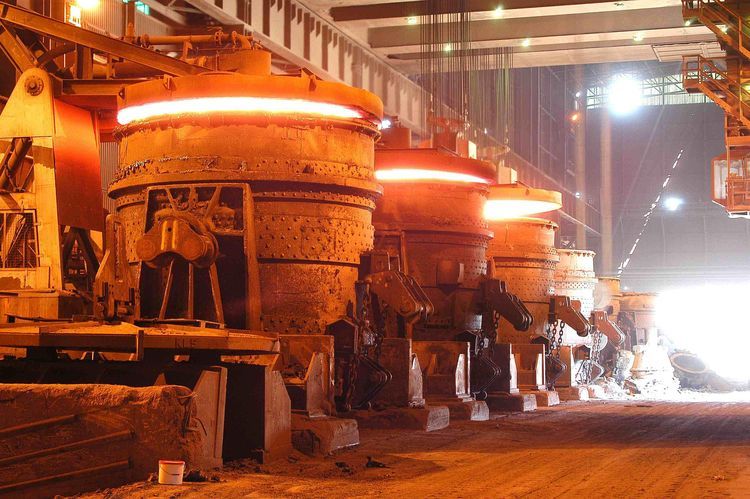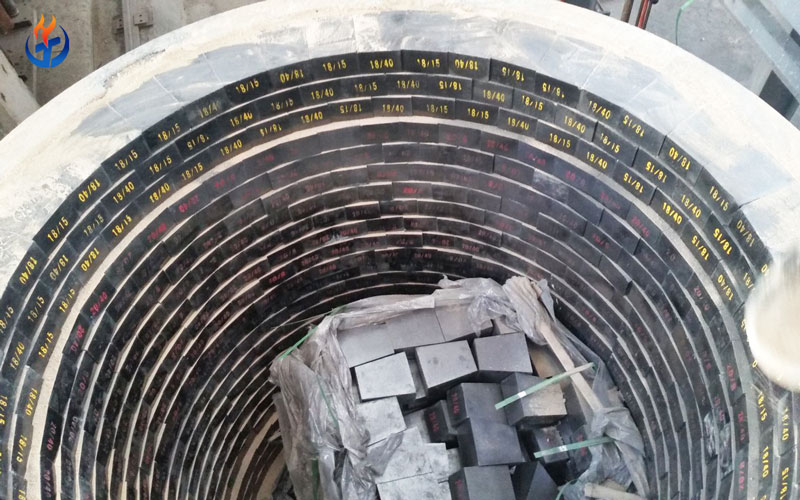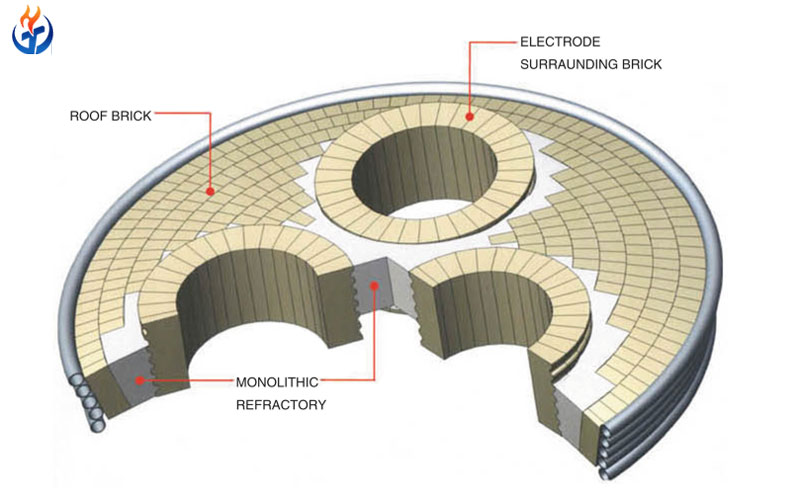
Induction furnaces are widely used in metal melting industries because of their high melting efficiency, clean operation, and excellent energy-saving performance. They are commonly applied for melting steel, iron, copper, aluminum, zinc, and various metal alloys. During the melting process, the furnace lining is exposed to extremely high temperatures, molten metal erosion, chemical slag attack, and repeated thermal cycling. Therefore, selecting suitable induction furnace refractory materials is essential to ensure furnace safety, improve melting efficiency, and extend service life.
Induction furnace refractory materials are specially designed refractory products used to build and protect the lining of induction furnaces. These materials must have excellent thermal stability, high temperature resistance, chemical corrosion resistance, and strong mechanical strength to withstand harsh operating conditions.
This article will introduce the main types of induction furnace refractory materials, their characteristics, and their applications in different induction furnace operations.
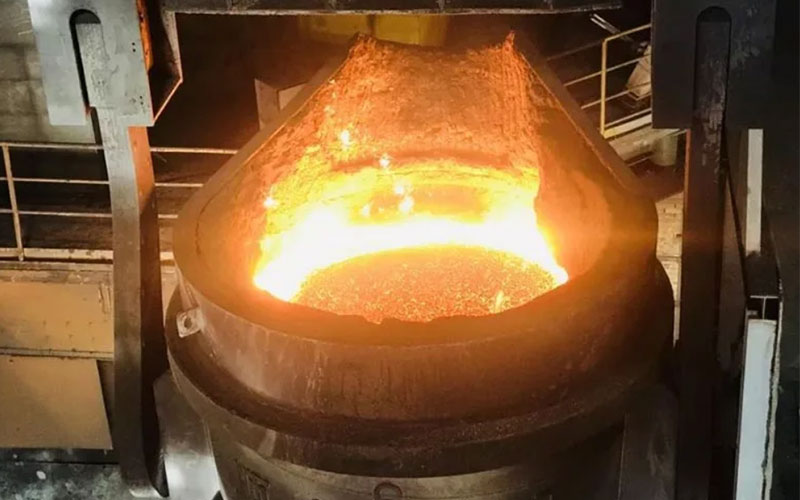
What Is an Induction Furnace?
An induction furnace is an electric furnace that uses electromagnetic induction to generate heat for melting metals. Unlike traditional fuel-fired furnaces, induction furnaces do not rely on combustion, which helps reduce emissions and improve environmental performance.
The working principle is based on electromagnetic fields generated by induction coils. When electric current passes through the coil, it creates a magnetic field that induces electrical currents inside the metal charge. The resistance of the metal generates heat, allowing the material to melt efficiently.
Induction furnaces are mainly divided into two categories:
Core-Type Induction Furnace
Core-type induction furnaces contain an iron core that improves electromagnetic efficiency. They are generally used for continuous melting and holding operations.
Because the molten metal remains in contact with the furnace lining for long periods, the refractory lining needs to have excellent corrosion resistance and thermal shock resistance. Neutral refractory materials are commonly selected because they can provide stable performance under different metallurgical conditions.
Coreless-Type Induction Furnace
Coreless induction furnaces are more widely used in foundries and steel plants. They do not have an iron core and use a coil surrounding the furnace crucible to generate heat.
Depending on the refractory lining materials, coreless induction furnaces can be divided into:
- Acid lining induction furnaces
- Neutral lining induction furnaces
- Basic lining induction furnaces
Different lining materials are selected according to the type of metal being melted and the chemical characteristics of the slag.
Requirements for Induction Furnace Refractory Materials
The lining of an induction furnace directly affects production safety and furnace performance. High-quality induction furnace refractory materials should have the following properties:
1. High Temperature Resistance
During metal melting, furnace temperatures can exceed 1500°C. Refractory materials must maintain structural stability without softening, deformation, or melting.
Materials with high refractoriness can withstand continuous thermal exposure and ensure reliable furnace operation.
2. Excellent Thermal Shock Resistance
Induction furnaces frequently experience rapid heating and cooling cycles. During charging, melting, and tapping operations, the furnace lining is exposed to sudden temperature changes.
Poor thermal shock resistance may cause cracks, peeling, or lining failure. Therefore, induction furnace refractory materials must be able to withstand repeated thermal stress.
3. Chemical Corrosion Resistance
Molten metal and slag can chemically react with refractory linings. For example, acidic slags may attack basic refractories, while alkaline slags may damage acidic materials.
Suitable refractory materials should be selected according to slag composition and melting conditions.
4. High Mechanical Strength
The furnace lining must withstand mechanical impact from metal charging, stirring operations, and molten metal movement. High strength helps prevent abrasion and extends service life.
5. Low Thermal Conductivity
Low thermal conductivity reduces heat loss and improves energy efficiency. It also protects furnace equipment and reduces operating costs.
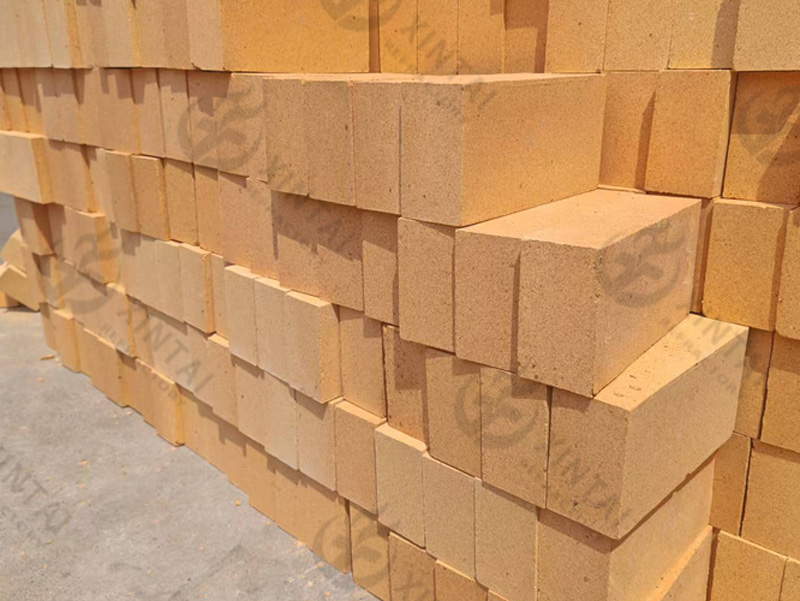
Main Types of Induction Furnace Refractory Materials
Different refractory materials are used for induction furnace linings depending on the furnace type and application. The main types include high alumina refractory materials, magnesia refractory materials, silica refractory materials, and alumina silicon carbide refractory materials.
1. High Alumina Refractory Materials
High alumina refractory materials are among the most commonly used induction furnace refractory materials due to their excellent high-temperature performance and corrosion resistance.
These materials contain a high percentage of alumina (Al₂O₃), which provides high refractoriness and good chemical stability.
Main products include:
- High alumina refractory bricks
- High alumina refractory castables
- High alumina ramming materials
Advantages of high alumina refractory materials:
- Excellent resistance to high temperatures
- Good resistance to chemical erosion
- High mechanical strength
- Good thermal shock performance
- Long service life
High alumina materials are suitable for melting steel, stainless steel, and various alloys. They are often used in neutral lining induction furnaces.
2. Magnesia Refractory Materials
Magnesia refractory materials are typical basic refractories with magnesium oxide (MgO) as the main component.
They have excellent resistance to alkaline slag and are widely used in applications where basic slags are present.
Common magnesia refractory products include:
- Magnesia bricks
- Magnesia castables
- Magnesia-based ramming materials
Key advantages include:
- High refractoriness
- Strong resistance to alkaline corrosion
- Excellent resistance to molten steel erosion
Magnesia refractory materials are especially suitable for steel melting applications where the slag contains high levels of basic components.
However, magnesia materials generally have lower thermal shock resistance compared with some other refractory types, so proper furnace operation is important.
3. Silica Refractory Materials
Silica refractory materials are acidic refractories mainly composed of silicon dioxide (SiO₂).
They have good resistance to acidic slags and are traditionally used in acid lining induction furnaces.
Advantages of silica refractory materials include:
- High temperature resistance
- Good volume stability at high temperatures
- Good resistance to acidic environments
Silica linings are commonly used for melting cast iron and other materials where acidic slag conditions exist.
However, silica refractory materials are not suitable for alkaline slags because chemical reactions may accelerate lining damage.
4. Alumina Silicon Carbide Refractory Materials
Alumina silicon carbide refractory materials combine the advantages of alumina and silicon carbide.
Silicon carbide provides excellent thermal conductivity, wear resistance, and thermal shock resistance, while alumina improves high-temperature strength and corrosion resistance.
These materials are widely used in harsh working environments requiring:
- High wear resistance
- Strong thermal shock resistance
- Good corrosion resistance
They can be used in induction furnace areas exposed to strong mechanical impact and molten metal erosion.
5. Refractory Castables for Induction Furnaces
Besides refractory bricks, refractory castables are also important induction furnace refractory materials.
Castables are unshaped refractory materials that can be installed by casting, making them suitable for complex furnace structures.
Advantages of refractory castables include:
- Easy installation
- Good structural integrity
- Excellent resistance to thermal stress
- Flexible application
High alumina castables and low cement castables are commonly used for induction furnace linings, furnace covers, and auxiliary equipment.
Conclusion
The performance of an induction furnace depends greatly on the quality of its lining system. Selecting suitable induction furnace refractory materials can improve furnace efficiency, reduce maintenance frequency, and ensure safe metal melting operations.
The main types of induction furnace refractory materials include high alumina refractory materials, magnesia refractory materials, silica refractory materials, alumina silicon carbide materials, and refractory castables. Each type has unique advantages and is suitable for different furnace conditions.
With professional refractory technology and application experience, manufacturers can provide customized solutions based on furnace design, melting materials, and operating requirements. Choosing the right refractory lining is an important step toward achieving longer furnace service life and better production performance.