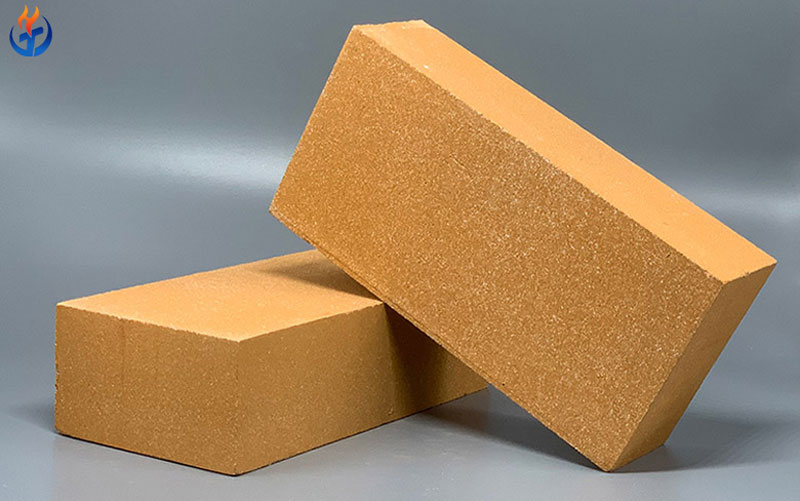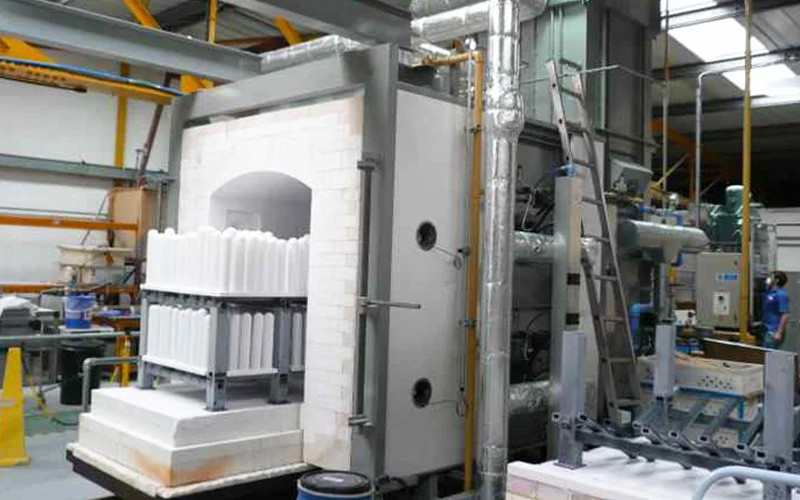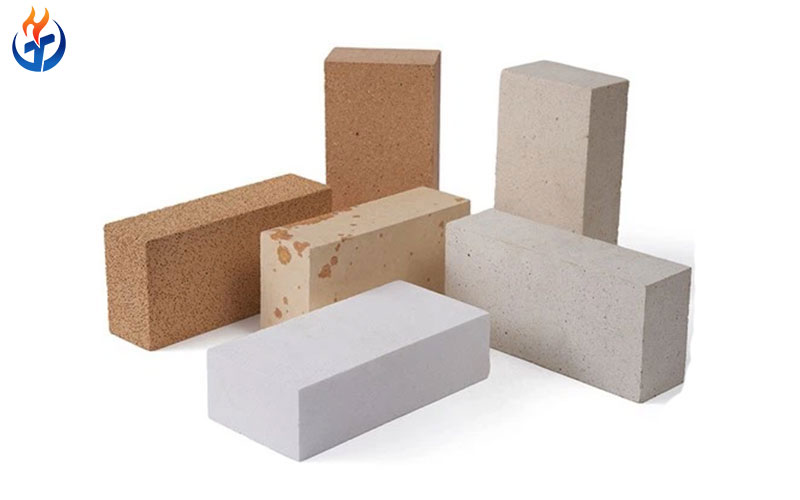
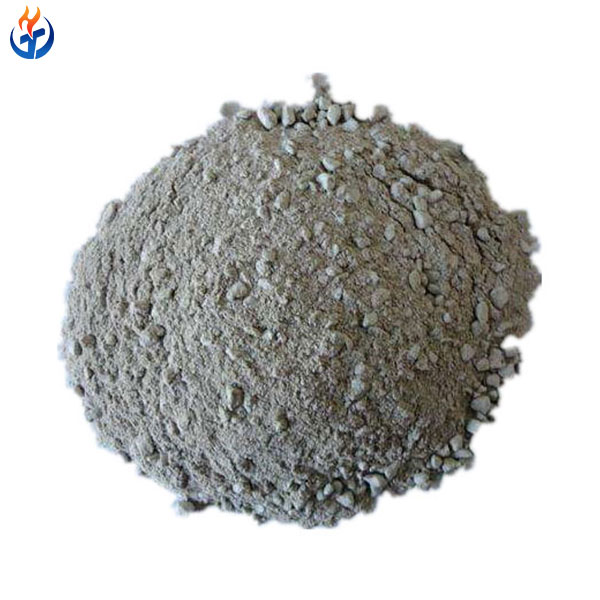
High temperature mortar, also known as refractory mortar or kiln bonding material, is a critical component in industrial kiln and furnace construction. It is used to bond refractory bricks, seal expansion joints, and maintain structural integrity under extreme thermal and chemical environments.
In industrial applications such as steelmaking furnaces, cement rotary kilns, glass melting furnaces, and petrochemical reactors, the performance of high temperature mortar directly influences energy efficiency, operational safety, and equipment lifespan.
This article provides a comprehensive analysis of the main types of high temperature mortar used in industrial kilns and their key differences, helping engineers and procurement specialists make informed material selection decisions.
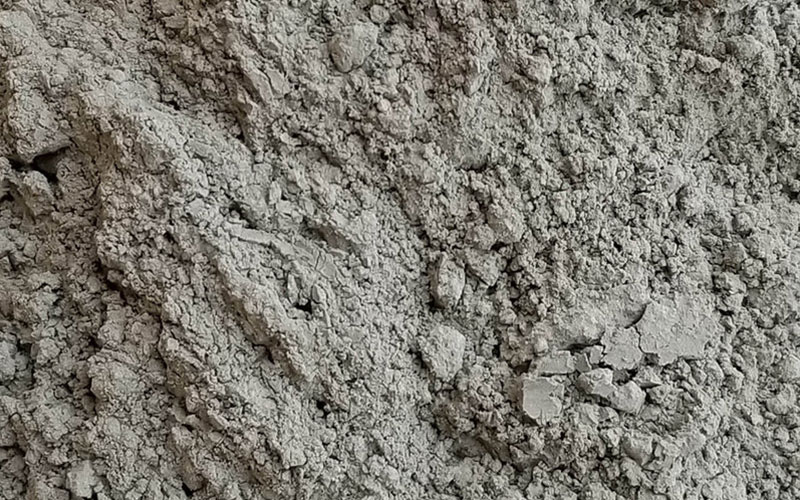
What Is High Temperature Mortar?
High temperature mortar is a finely ground refractory bonding material formulated to withstand:
- Extreme heat (typically 1300°C–1800°C or higher)
- Chemical corrosion from slag, gas, and molten materials
- Thermal shock from rapid heating and cooling cycles
- Mechanical stress from kiln expansion and load movement
Unlike ordinary construction mortar, it is engineered using refractory powders such as alumina, silica, magnesia, or fireclay combined with inorganic or hydraulic binders.
Its main functions include:
- Bonding refractory bricks securely
- Filling and sealing brick joints
- Preventing gas and heat leakage
- Enhancing lining stability and service life
Classification of High Temperature Mortar
High temperature mortar is generally classified based on its chemical composition and working environment compatibility.
1. High Alumina High Temperature Mortar
High alumina mortar is one of the most widely used materials in industrial kiln systems.
Composition
- High-purity alumina (Al₂O₃)
- Minor silica and binding agents
- Sometimes calcium aluminate cement-based additives
Key Performance Features
- Temperature resistance: up to 1700°C+
- Excellent mechanical strength
- Strong resistance to slag erosion
Advantages
- Superior bonding with high alumina bricks
- High durability under thermal cycling
- Excellent abrasion resistance
Typical Applications
- Steel reheating furnaces
- Cement rotary kilns (hot zone)
- Ladles and tundishes
- High-temperature ceramic kilns
Limitations
- Higher cost than fireclay-based mortars
- Requires precise installation control
2. Silica-Based High Temperature Mortar
Silica mortar is designed for acidic furnace environments where silica stability is essential.
Composition
- High SiO₂ content (often >90%)
- Small amounts of binders for workability
Key Performance Features
- Excellent performance in acidic conditions
- High refractoriness in oxidizing atmospheres
- Good dimensional stability at elevated temperatures
Advantages
- Strong resistance to acidic slags and gases
- Cost-effective for specific furnace types
- Stable performance in glass-related processes
Typical Applications
- Glass melting furnaces
- Coke ovens
- Acidic ceramic kilns
Limitations
- Poor resistance to alkaline environments
- Lower thermal shock resistance compared to alumina systems
3. Magnesia-Based High Temperature Mortar
Magnesia mortar is a basic refractory material used in extreme steelmaking environments.
Composition
- High MgO (magnesia) content
- Sometimes combined with spinel-forming additives
Key Performance Features
- Extremely high refractoriness (>1800°C)
- Outstanding basic slag resistance
- Excellent chemical stability in steelmaking
Advantages
- Ideal for basic furnace conditions
- High resistance to CaO-rich slags
- Long service life in aggressive metallurgical environments
Typical Applications
- Electric arc furnaces (EAF)
- Basic oxygen furnaces (BOF)
- Ladle furnaces
- Non-ferrous metal smelting furnaces
Limitations
- Highly sensitive to moisture and hydration
- Requires controlled storage conditions
- Not suitable for acidic furnace environments
4. Fireclay (Aluminosilicate) High Temperature Mortar
Fireclay mortar is a traditional and widely used general-purpose refractory bonding material.
Composition
- Alumina content typically 30%–45%
- Silica-based aluminosilicate system
Key Performance Features
- Moderate temperature resistance (1300°C–1500°C)
- Balanced thermal and mechanical properties
- Good workability and plasticity
Advantages
- Economical and widely available
- Easy application and repair
- Compatible with fireclay bricks
Typical Applications
- Boiler linings
- Small industrial furnaces
- Maintenance patching of kiln linings
- Low-to-medium temperature zones
Limitations
- Limited high-temperature performance
- Lower corrosion resistance compared to advanced mortars
5. Insulating High Temperature Mortar
Insulating mortar is designed to reduce heat loss rather than provide high structural strength.
Composition
- Lightweight aggregates
- Low-density refractory fillers
- Porous insulating materials
Key Performance Features
- Low thermal conductivity
- Lightweight structure
- Moderate temperature resistance
Advantages
- Improves energy efficiency of kiln systems
- Reduces heat loss through lining joints
- Easy handling and application
Typical Applications
- Backup insulation layers
- Energy-efficient kiln designs
- Low-load thermal systems
Limitations
- Not suitable for direct flame exposure
- Limited mechanical strength and abrasion resistance
Key Differences Between High Temperature Mortar Types
Understanding the differences between these materials is essential for selecting the correct solution for industrial kilns.
1. Chemical Compatibility
- Acidic systems: silica mortar
- Basic systems: magnesia mortar
- Neutral systems: high alumina and fireclay mortars
Chemical compatibility determines resistance to slag attack and long-term stability.
2. Temperature Resistance Ranking
- Magnesia mortar: highest (>1800°C)
- High alumina mortar: very high (~1700°C)
- Silica mortar: high in oxidizing conditions (~1600°C+)
- Fireclay mortar: medium (~1300–1500°C)
- Insulating mortar: lowest (varies by formulation)
3. Mechanical Strength Performance
- High alumina: highest structural strength
- Magnesia: high but sensitive to environmental conditions
- Fireclay: moderate strength
- Silica: stable but brittle under stress
- Insulating: lowest mechanical strength
4. Thermal Shock Resistance
Thermal shock resistance is crucial for kilns with frequent heating and cooling cycles.
- Best: high alumina and spinel-modified magnesia mortars
- Moderate: fireclay mortars
- Lower: silica mortars under rapid cycling conditions
- Lowest: insulating mortars
5. Application Environment Suitability
- Steel industry: magnesia + high alumina mortars
- Glass industry: silica mortars
- Cement industry: high alumina + fireclay mortars
- Energy-saving kiln systems: insulating mortars
6. Cost Structure Comparison
- Insulating mortar: lowest cost
- Fireclay mortar: economical
- Silica mortar: moderate cost
- High alumina mortar: high cost
- Magnesia mortar: highest cost due to raw material processing
Selection Criteria for Industrial Kiln Applications
Selecting the right high temperature mortar requires a systematic engineering evaluation:
1. Operating Temperature Profile
Higher temperatures demand materials with superior refractoriness and phase stability.
2. Chemical Exposure Conditions
Determine whether the kiln environment is:
- Acidic (SiO₂-rich gases)
- Basic (CaO/MgO-rich slags)
- Neutral (mixed or controlled conditions)
3. Thermal Cycling Frequency
Frequent heating and cooling cycles require superior thermal shock resistance to prevent joint cracking.
4. Mechanical Load Requirements
Rotary kilns and large furnaces require mortars with high compressive and bonding strength.
5. Compatibility with Refractory Bricks
Matching thermal expansion coefficients reduces stress and joint failure risk.
Installation and Performance Optimization
Even high-quality high temperature mortar will underperform if not properly installed. Key best practices include:
- Ensure clean, dust-free brick surfaces before application
- Maintain correct water-to-powder ratio during mixing
- Apply thin and uniform joints (typically 1–3 mm)
- Avoid air entrapment during application
- Follow controlled drying and preheating schedules
- Prevent contamination with foreign materials
Proper installation significantly improves kiln efficiency and service life.
Conclusion
High temperature mortar plays a fundamental role in industrial kiln construction, serving as the bonding and sealing medium that ensures structural integrity under extreme conditions.
The main types—high alumina, silica, magnesia, fireclay, and insulating mortars—each offer distinct advantages depending on temperature range, chemical environment, and mechanical requirements.
A scientifically grounded selection of high temperature mortar not only improves kiln performance but also reduces maintenance costs, minimizes downtime, and extends operational lifespan. Understanding their differences is therefore essential for any high-temperature industrial application.