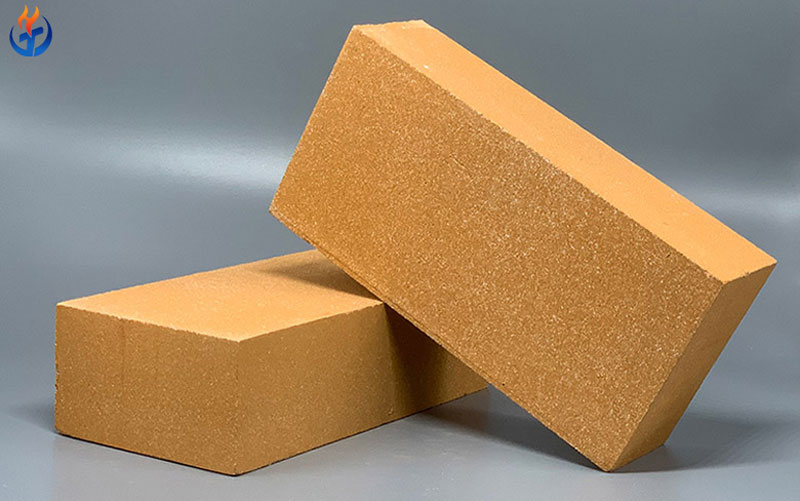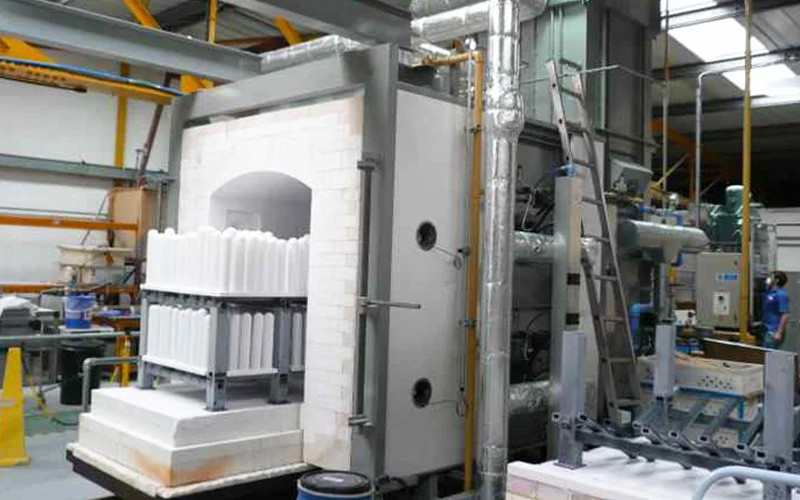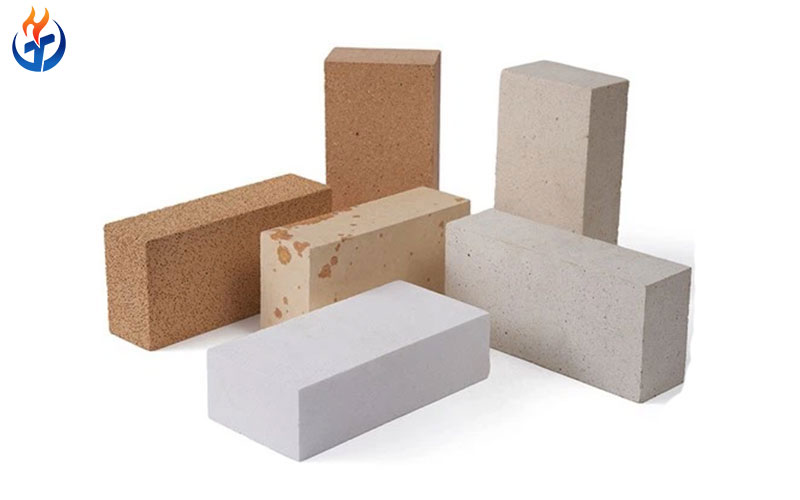
Refractory materials play a crucial role in high-temperature industrial applications. These materials are capable of withstanding extreme temperatures while maintaining stable physical properties in harsh environments. Shaped refractory materials, a key category of refractories, include firebricks, insulating bricks, and precast bricks. This article provides a detailed overview of these shaped refractory materials, helping you understand their characteristics, classifications, and applications.
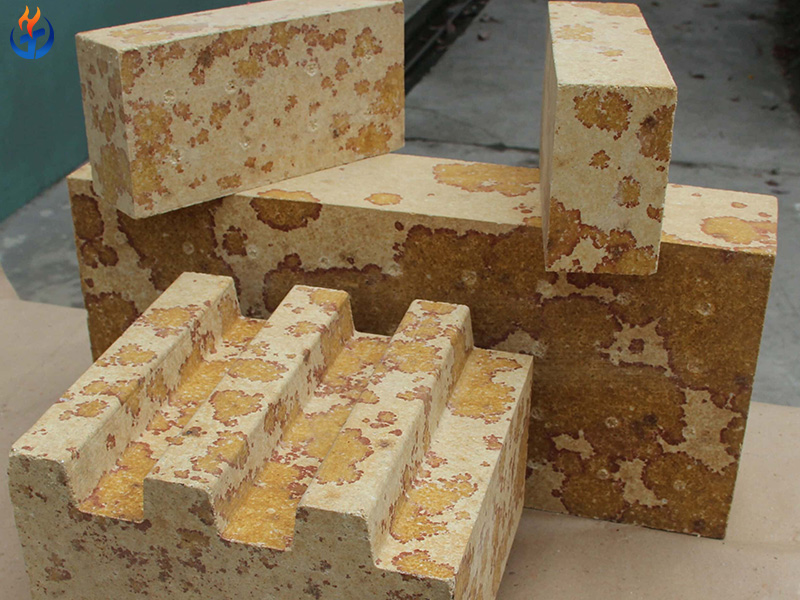
1. Refractory Firebricks
Definition:
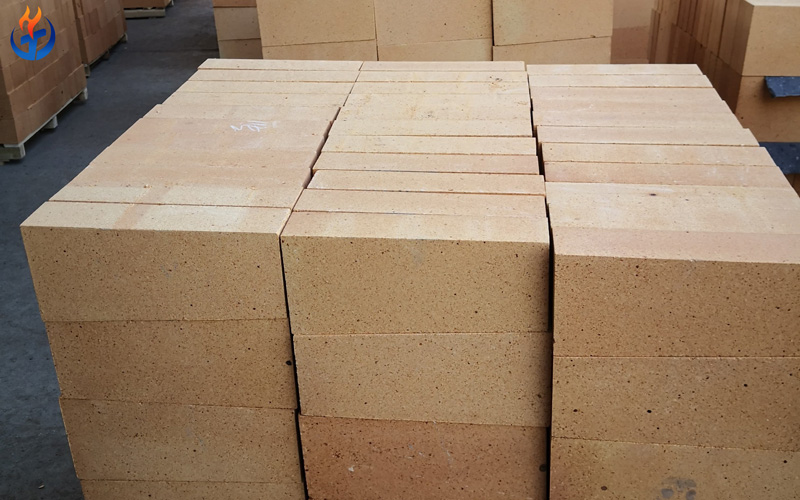
Firebricks are block-shaped refractory materials made from refractory clay or other fire-resistant raw materials. They are primarily designed to withstand high temperatures and provide excellent protection to furnaces, kilns, and other high-temperature equipment.
Characteristics:
- High-Temperature Resistance: Refractory firebricks can withstand temperatures from 1580°C to 1770°C or even higher, making them suitable for use in furnaces, glass kilns, and other high-heat environments.
- Chemical Stability: These bricks resist various chemical reactions and physical changes at high temperatures, ensuring their long-term stability.
- Mechanical Strength: Firebricks possess good compressive strength and crack resistance, allowing them to handle external pressures and impacts effectively.
Classification:
Firebricks can be classified based on their composition:
- Silica-Alumina Series Firebricks: Including silica bricks, clay bricks, high-alumina bricks, and corundum bricks, these are used in lower-temperature environments.
- Alkaline Series Firebricks: Including magnesia firebricks, dolomite bricks, and magnesite spinel firebricks, typically used in high-temperature furnaces.
- Carbon Firebricks: Such as carbon bricks, graphite-based firebricks, and silicon carbide firebricks, which offer excellent heat resistance and corrosion resistance.
- Zirconium Firebricks: Including zircon bricks and AZS fused bricks, designed for use in higher-temperature and specialized applications.
Applications:
Firebricks are widely used in constructing blast furnaces, kilns, boiler linings, flues, chimneys, and other high-temperature equipment. They are essential in industries such as metallurgy, steel production, glass manufacturing, and chemical processing.
2. Insulating Bricks
Definition:
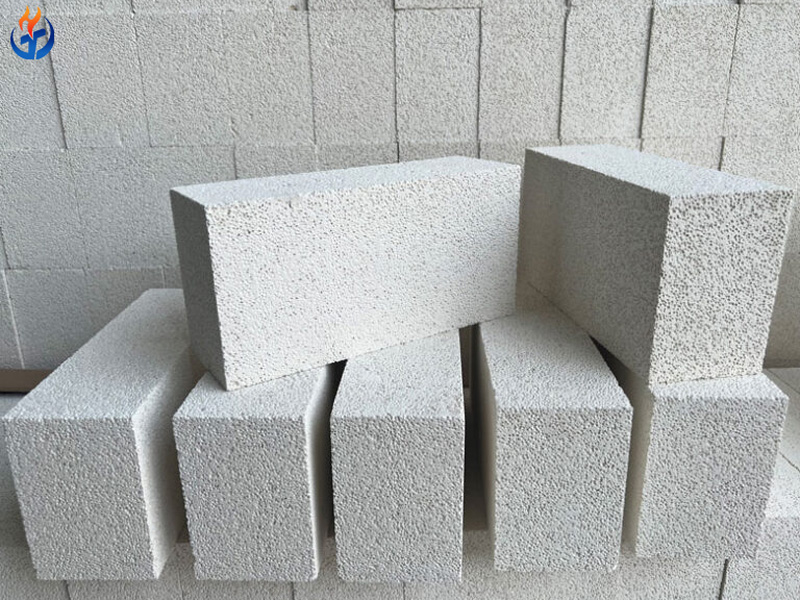
Insulating bricks are lightweight insulating building materials primarily composed of high-polymer materials. These bricks are used for thermal insulation and protection in various building structures, including walls, roofs, cold storage rooms, basements, and other areas requiring effective insulation.
Characteristics:
- Lightweight: Insulating bricks have a low density, which reduces the overall load on buildings and structures, simplifying design and lowering costs.
- Thermal Insulation: These bricks offer excellent thermal insulation properties, preventing heat from escaping and ensuring energy efficiency. The air gap structure helps reduce heat flow into the interior.
- Fire Resistance: Insulating bricks meet building energy efficiency standards and have good fire-resistant properties, withstanding temperatures up to 1000°C and higher.
- Environmentally Friendly: Many insulating bricks are made from industrial waste materials, adhering to green building standards, and their waste products are recyclable.
Classification:
Insulating bricks are categorized based on their raw materials:
- Clay-Based Insulating Bricks: Made from clay materials, commonly used for insulating interior and exterior walls in buildings.
- High-Alumina Lightweight Insulating Bricks: These bricks, made from high-alumina materials, offer superior insulation properties for high-temperature applications.
- Mullite-Based Lightweight Insulating Bricks: Known for their excellent high-temperature performance and compressive strength, suitable for use in industrial kilns.
- Alumina Hollow Ball Bricks: These have a low thermal conductivity and are typically used in low-temperature environments.
- Lightweight Silica Bricks: Used for insulating walls and equipment in both buildings and industrial applications.
Applications:
Insulating bricks are commonly used for the insulation of internal and external walls, roofs, cold storage rooms, silos, and basements. They are ideal for reducing energy consumption in both residential and commercial buildings, enhancing indoor comfort.
3. Precast Bricks
Definition:
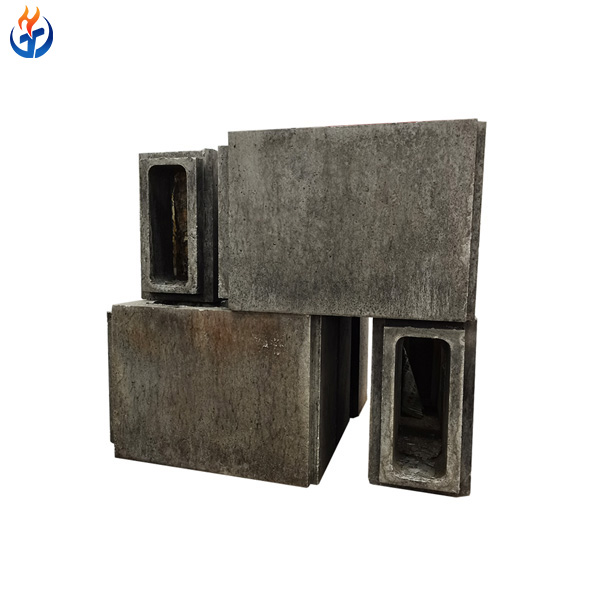
Precast bricks are brick blocks that are fabricated in a factory before being transported to construction sites for easy installation. These bricks can be customized in terms of size, shape, and performance according to specific requirements.
Characteristics:
- Highly Customizable: Precast bricks can be tailored to meet the specific dimensions, concrete strength, and surface design required for different construction applications.
- Easy to Install: Precast bricks are produced with standardized sizes, making them easy to handle and install on-site, which reduces construction time.
- Durability: Precast bricks are made from high-strength materials, offering excellent wear resistance, stain resistance, and freeze-thaw durability.
- Design Flexibility: The surface patterns and colors of precast bricks can be customized to match the architectural design of the building, adding aesthetic value.
Applications:
Precast bricks are widely used in the construction of exterior walls, floors, roadways, sidewalks, and facades. They are particularly useful in large-scale industrial, commercial, and public infrastructure projects, where fast construction and cost savings are crucial.
Xintai Refractory’s Advantages and Services
As a professional refractory materials manufacturer, Xintai Refractory is committed to providing high-quality shaped refractory materials to customers around the world. We specialize in producing firebricks, insulating bricks, and precast bricks, and we offer customized product services to meet specific needs in high-temperature environments.
Our company boasts a robust R&D team and advanced manufacturing technologies, ensuring that every batch of our products meets international standards. Whether it’s for furnaces, kilns, or industrial applications, Xintai Refractory products provide exceptional heat resistance, insulation, and durability.
Our goal is to help customers improve production efficiency, reduce energy consumption, and extend the lifespan of their equipment with our innovative products and expert services. Whether you need firebricks, insulating bricks, or precast bricks, Xintai Refractory can provide tailored solutions to meet your requirements.
Conclusion
Firebricks, insulating bricks, and precast bricks are key categories of shaped refractory materials with widespread applications in high-temperature industrial environments and construction. These materials offer distinct advantages in terms of thermal insulation, durability, and design flexibility. With Xintai Refractory‘s exceptional products and services, we are ready to meet the demands of clients in industries such as metallurgy, steel production, and construction. If you’re looking for reliable refractory materials, Xintai Refractory is your trusted partner.
Through this article, you should now have a comprehensive understanding of shaped refractory materials. If you have any questions or requirements, feel free to contact our expert team, and we will provide the best solution tailored to your needs.