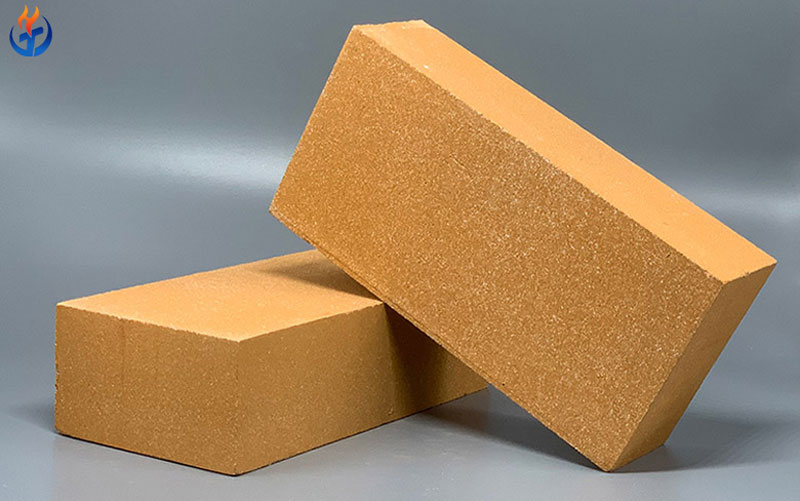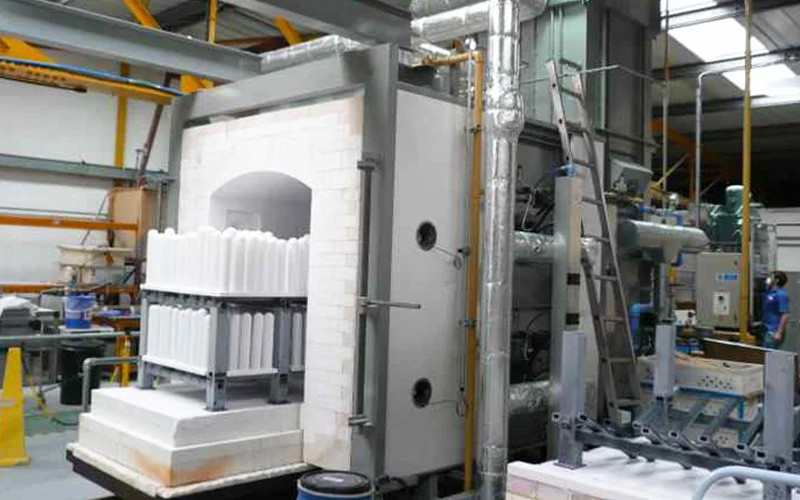
The high alumina brick price in 2026 continues to reflect a combination of raw material costs, alumina content grades, production technology, and industrial demand from high-temperature sectors such as metallurgy, cement, and petrochemicals.
High alumina bricks are refractory materials primarily composed of bauxite-based alumina (Al₂O₃), designed to withstand extreme thermal environments, chemical corrosion, and mechanical wear. Because of their performance range, pricing is not fixed and varies significantly based on grade and application.
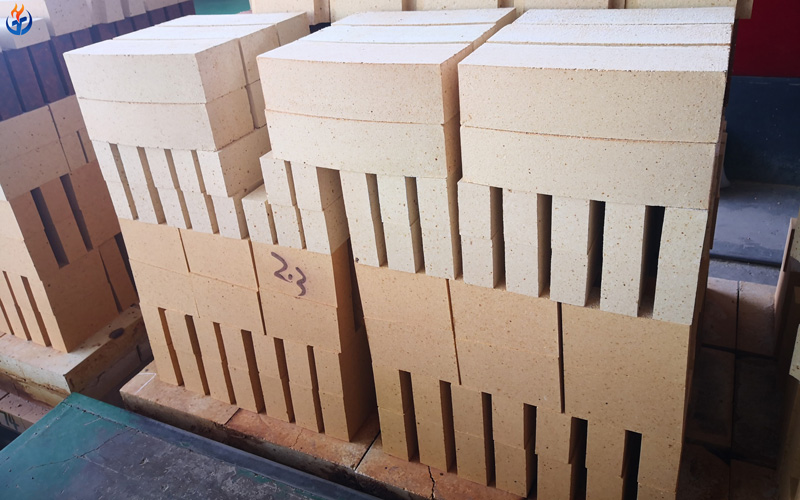
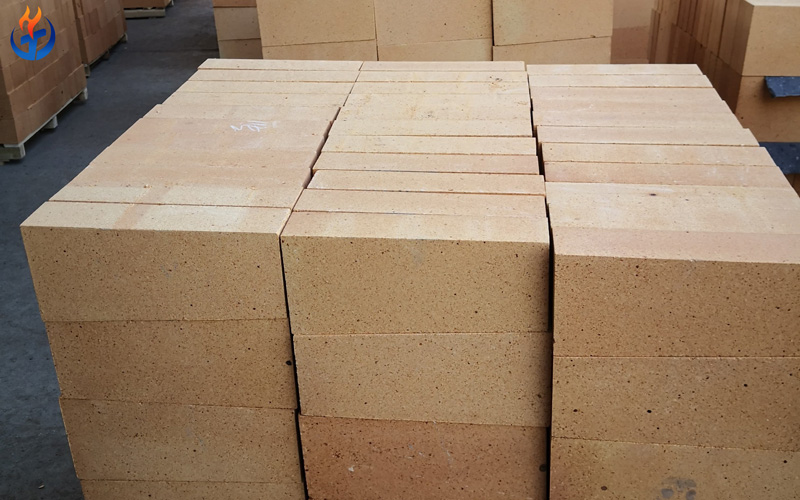
In current mainstream markets such as major refractory production regions in China, high alumina brick prices are typically quoted on an ex-factory, tax-included basis per metric ton, with standard dimensions (e.g., 230 × 115 × 65 mm).
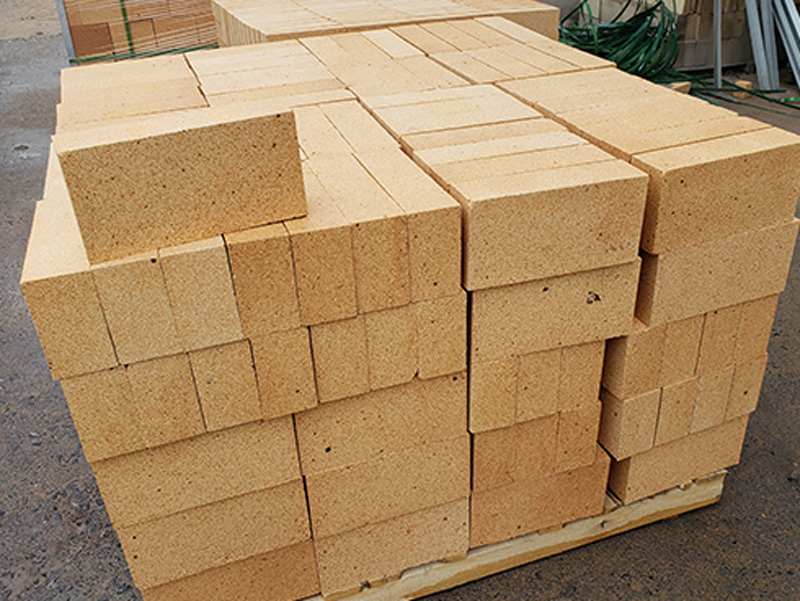
1. High Alumina Brick Price Overview (2026 Market Range)
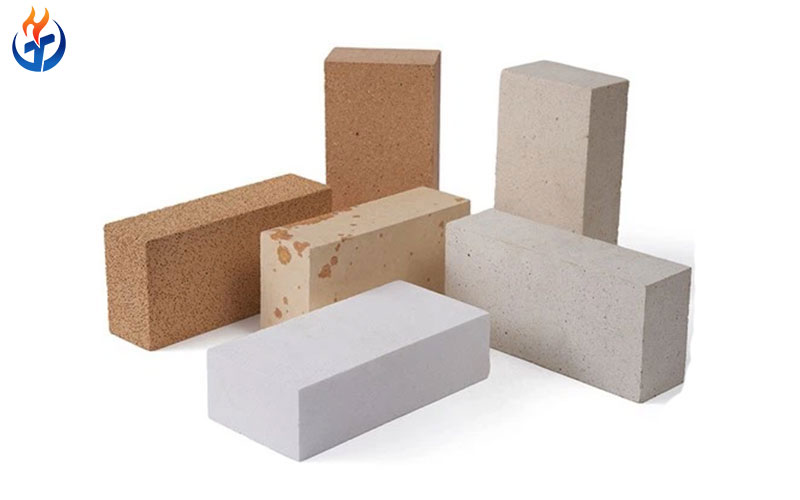
The price of high alumina bricks is mainly classified according to Al₂O₃ content. Higher alumina content generally indicates better refractoriness, stronger corrosion resistance, and higher cost.
Standard High Alumina Brick Price Table (Per Ton, Ex-Factory, Tax Included)
| Grade | Al₂O₃ Content | Typical Applications | Price Range (USD/ton equivalent or RMB/ton) | Characteristics |
|---|---|---|---|---|
| Low Grade High Alumina Brick | ~55% ±3% | Low to medium temperature furnaces, flue ducts, general lining | 1300 – 1500 | Cost-effective, general-purpose |
| Medium Grade High Alumina Brick | ~65% ±3% | Hot blast furnace, rotary kiln, electric furnace lining | 1600 – 1800 | Most widely used industrial grade |
| High Grade High Alumina Brick | ~75% ±3% | High-temperature zones, kiln roof, severe corrosion areas | 2200 – 2600 | High strength and thermal stability |
| Ultra-High Alumina Brick | ≥80% | Extreme temperature and slag corrosion environments | 2800 – 3500 | Premium refractory performance |
2. Specialized High Alumina Brick Price Categories
Beyond standard grades, industrial applications often require enhanced performance bricks. These specialized variants have higher manufacturing complexity and therefore higher pricing.
2.1 Anti-Spalling High Alumina Brick
- Price range: 1500 – 1700
- Al₂O₃ content: ~65%
- Key feature: Excellent thermal shock resistance
- Applications: Cement kilns, heating furnaces, cooling zones
This type is engineered to resist cracking and surface peeling caused by rapid temperature fluctuations.
2.2 Phosphate-Bonded High Alumina Brick
- Price range: 1800 – 2200
- Key feature: High wear resistance and strong mechanical strength at medium temperatures
- Applications: Rotary kilns, cooler systems, abrasive environments
The phosphate bonding process improves structural integrity, especially under mechanical stress.
2.3 Low Creep / Low Porosity High Alumina Brick
- Price range: 2500 – 3200
- Key feature: Long service life under sustained high temperature load
- Applications: Blast furnaces, hot blast stoves, critical load-bearing zones
These bricks are engineered for minimal deformation over long exposure periods.
2.4 Custom / Special-Shaped Bricks
- Price adjustment: +15% to +40% above standard grade
- Reason: Additional cutting, molding, and material loss during processing
- Applications: Complex furnace geometries, customized industrial designs
3. Key Factors Affecting High Alumina Brick Price
The high alumina brick price is influenced by multiple upstream and downstream factors in the refractory supply chain.
3.1 Alumina Content and Raw Materials
The most important cost driver is the Al₂O₃ percentage:
- Higher alumina content → higher purity bauxite requirement
- Increased use of calcined bauxite, fused alumina, and refractory additives
- Higher sintering temperature → more energy consumption
Raw materials such as bauxite, white fused alumina, and brown fused alumina significantly influence pricing volatility.
3.2 Manufacturing Process and Technology
Advanced production processes increase cost:
- High-pressure forming
- Dense structure sintering
- Low porosity control
- Anti-spalling reinforcement techniques
Each improvement in density or thermal resistance adds approximately $40–$120 per ton equivalent production cost impact depending on grade.
3.3 Order Volume and Supply Terms
Bulk purchasing plays a major role in final pricing:
- ≥30 tons: typically 5%–10% discount
- <10 tons: 10%–20% surcharge
- Custom orders: additional cost due to tooling and scheduling
Large industrial buyers such as cement plants and steel mills often negotiate significantly lower unit costs.
3.4 Production Region and Logistics
Regional production hubs influence base pricing:
- Major manufacturing zones (e.g., northern industrial clusters) offer lower production costs due to scale and raw material proximity
- Transportation adds 100–300 per ton depending on distance
- Export orders include additional packaging and freight adjustments
3.5 Market Raw Material Fluctuations
The refractory industry is highly sensitive to raw material markets:
- Bauxite price increases → immediate impact on medium and high-grade bricks
- Energy cost fluctuations → kiln firing cost variation
- Environmental regulations → production restrictions may reduce supply
Even small raw material changes can shift overall pricing by 3%–8% in short cycles.
4. Application-Based High Alumina Brick Selection and Cost Strategy
Selecting the correct grade is critical for balancing performance and cost efficiency.
4.1 Low to Medium Temperature Applications
Recommended grade: 55%–65% Al₂O₃
Price range: 1300 – 1800
Typical uses:
- Flue gas channels
- General industrial furnaces
- Low thermal stress zones
This category provides the best cost-performance ratio for non-critical environments.
4.2 High Temperature Industrial Kilns
Recommended grade: 75% Al₂O₃
Price range: 2200 – 2600
Typical uses:
- Cement kiln burning zone
- Metallurgical furnaces
- Electric arc furnace linings
This grade balances durability and cost, making it a standard industrial choice.
4.3 Extreme Thermal and Chemical Environments
Recommended grade: ≥80% Al₂O₃
Price range: 2800 – 3500
Typical uses:
- Blast furnace critical zones
- High corrosion slag environments
- Ultra-high temperature furnaces
This category is used when operational failure costs far exceed material cost savings.
4.4 Thermal Shock Zones
Recommended product: Anti-spalling high alumina brick
Price range: 1500 – 1700
Best suited for:
- Rapid heating and cooling systems
- Cement preheater systems
- Thermal cycling equipment
5. Cost Optimization Strategies for Buyers
Understanding pricing structure allows industrial buyers to optimize procurement strategies.
5.1 Match Grade to Actual Operating Conditions
Over-specification leads to unnecessary cost inflation:
- Avoid using 75%+ bricks in low-temperature zones
- Reserve ultra-high alumina bricks for critical zones only
5.2 Consolidate Purchase Volume
Bulk procurement benefits:
- Lower unit price
- Reduced logistics cost per ton
- Better negotiation leverage
5.3 Optimize Delivery Scheduling
- Off-peak procurement can reduce lead time pressure costs
- Scheduled batch deliveries reduce warehouse storage cost
5.4 Consider Lifecycle Cost, Not Just Unit Price
Cheaper bricks may increase:
- Maintenance frequency
- Furnace downtime
- Replacement labor costs
A higher upfront investment often reduces total cost of ownership.
Conclusion
The high alumina brick price in 2026 is structured around a clear technical hierarchy based on alumina content, performance characteristics, and application requirements. Prices typically range from 1300 to 3500 per ton, with significant variation driven by material composition, production process, and customization requirements.
For industrial buyers, the most effective strategy is not simply choosing the lowest price, but selecting the appropriate grade based on operating temperature, corrosion exposure, and mechanical stress conditions. This ensures optimal balance between cost efficiency and long-term furnace performance.