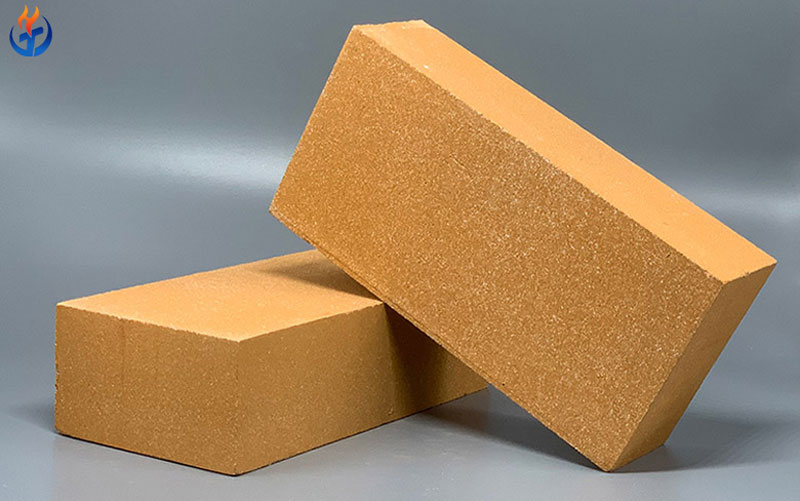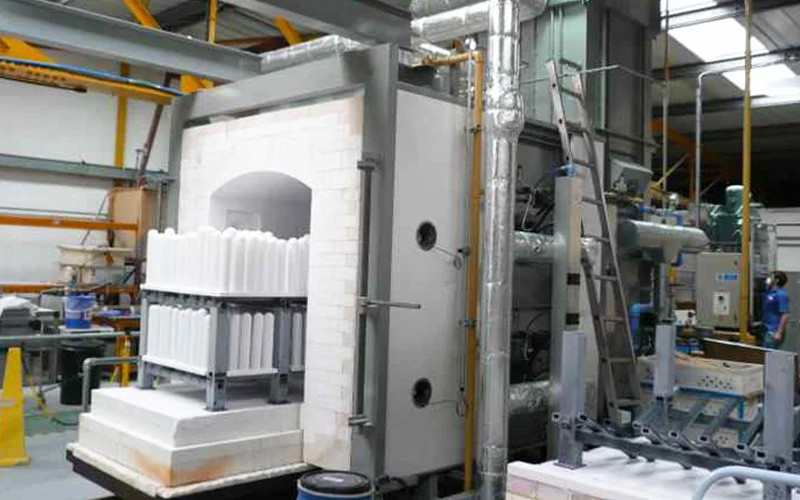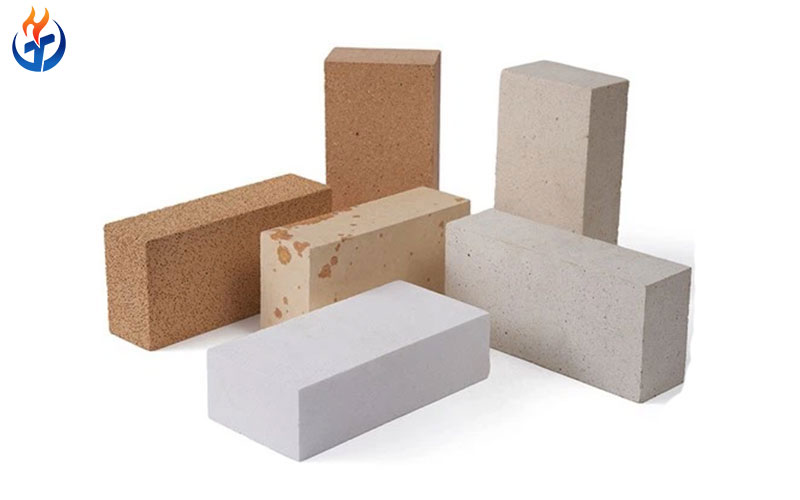
High alumina arch bricks uses are closely associated with steel ladles, circular refractory linings, and other high-temperature industrial equipment that requires reliable thermal resistance and stable masonry. These specially shaped refractory bricks are designed to fit curved structures, helping manufacturers build tight, durable linings while reducing gaps between individual bricks. Their adjustable shape makes them particularly useful for cylindrical vessels and applications where conventional rectangular refractory bricks may be difficult to install.
Made from bauxite and other alumina-rich raw materials, high alumina arch bricks typically contain more than 48% alumina. They are formed and fired to develop high-temperature performance, mechanical strength, and resistance to molten slag under suitable operating conditions. Understanding their main applications helps steel producers and industrial furnace operators select appropriate refractory materials for their equipment and working environments.
1. High Alumina Arch Bricks Uses in Steel Ladles
One of the most important high alumina arch bricks uses is lining steel ladles in steelmaking plants. Steel ladles receive molten steel from furnaces and transport it to subsequent processing stages, such as secondary refining and continuous casting. Their internal linings must withstand high temperatures, thermal fluctuations, and contact with molten steel and metallurgical slag.
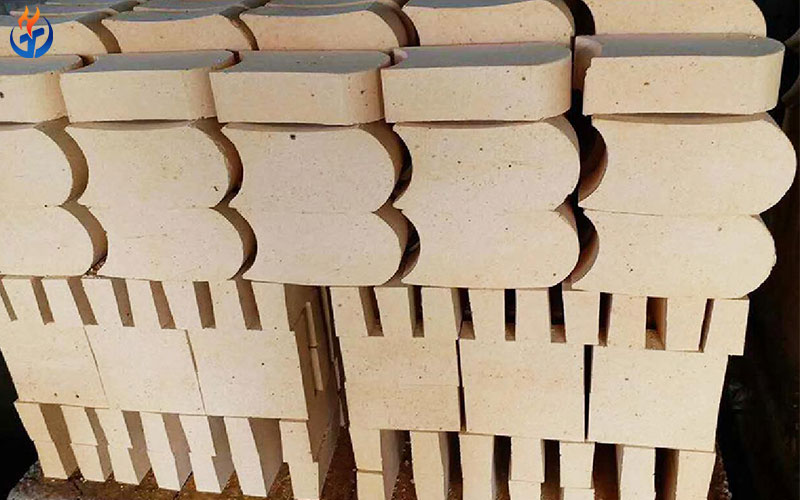
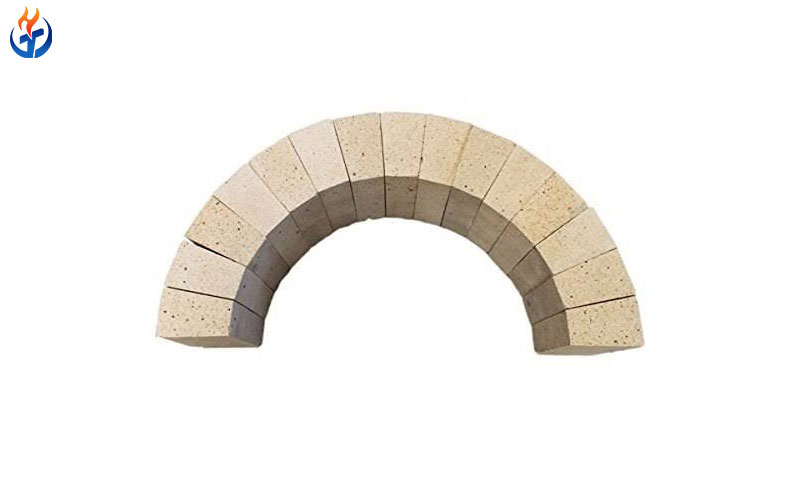
Universal arc bricks are designed with a curved profile and a groove at one end. This geometry allows individual bricks to fit together along a circular path, making them suitable for constructing the refractory lining of cylindrical steel ladles. Compared with conventional straight bricks, properly selected arch bricks can help reduce gaps and improve the continuity of the masonry.
High alumina compositions are particularly useful where resistance to heat and slag attack is required. Their performance depends on alumina content, mineral composition, porosity, firing conditions, and the chemical characteristics of the slag. Selecting the correct brick grade is therefore essential for achieving satisfactory service life in steel ladle operations.
2. Applications in Circular Refractory Linings
High alumina arch bricks are also suitable for refractory linings that have circular or curved internal surfaces. Industrial vessels and thermal processing equipment often require brickwork that follows a specific radius rather than a flat wall.
The adjustable geometry of universal arc bricks makes it easier to construct these curved structures. Because the bricks can accommodate small dimensional variations, installers can make practical adjustments during masonry without relying entirely on specially manufactured bricks for every position.
This flexibility is valuable when lining equipment with different internal diameters. By choosing suitable brick dimensions and arranging them according to the required curvature, construction teams can create a more consistent circular lining. The actual brick size, joint thickness, and installation pattern should be determined from the vessel dimensions and the refractory design.
3. Uses in High-Temperature Industrial Furnaces
Another application of high alumina arch bricks is the construction or repair of selected furnace linings and other high-temperature industrial structures. Furnaces used in metallurgy and thermal processing require refractory materials that maintain their integrity under demanding temperature conditions.
High alumina refractory bricks offer good refractoriness, with suitable grades designed for service temperatures associated with demanding industrial processes. Their resistance to heat makes them useful in locations where ordinary construction materials cannot withstand the operating environment.
However, not every furnace component is suitable for universal arc bricks. The shape, mechanical loading, atmosphere, temperature profile, and chemical exposure must all be considered. Arch bricks should be selected according to the specific requirements of the lining rather than temperature resistance alone.
4. Applications Where Slag Resistance Is Important
Slag can react with refractory materials during steelmaking and other metallurgical operations. Chemical interaction may cause erosion, penetration, structural deterioration, and premature lining failure.
High alumina arch bricks can provide useful slag resistance when their composition is compatible with the process conditions. Their performance is influenced by the alumina content, pore structure, bonding phases, slag basicity, and operating temperature.
In steel ladles, the appropriate refractory grade should be selected according to the expected slag composition and the location of the lining. Areas exposed to more aggressive slag may require a different refractory composition from other sections of the vessel.
Although high alumina bricks can offer good resistance under suitable conditions, they are not universally resistant to every slag. Reviewing operating data and previous lining performance helps manufacturers choose a more appropriate material.
5. Uses in Masonry Requiring Tight Brick Joints
A major practical advantage of universal arch bricks is their ability to form relatively tight joints in circular masonry. Narrower joints can reduce potential pathways for heat transfer and material penetration, helping improve the continuity of a refractory structure.
With suitable brick dimensions and skilled installation, joint thickness can sometimes approach 1 mm, depending on the design and construction requirements. Actual joint dimensions should follow the approved refractory installation specification.
Compared with using standard rectangular bricks to construct the same curved surface, purpose-designed arch bricks can simplify alignment and reduce the need for extensive adjustments. This can help improve installation efficiency and support a more uniform lining.
Tight joints do not eliminate the need for proper mortar selection, expansion allowances, or quality control. The entire lining system must accommodate the thermal expansion and operating conditions of the equipment.
6. Applications Requiring Efficient Refractory Installation
High alumina arch bricks are useful when installation efficiency is an important consideration. Their curved profiles help masonry workers follow the circumference of a vessel more consistently, reducing some of the fitting work associated with conventional straight bricks.
A typical installation method involves building successive rings along an inclined progression rather than completing the entire lining in horizontal layers. Starting bricks may be used to establish the correct alignment and compensate for differences in the diameter of steel drums or vessels.
Careful control of the first ring is especially important because errors in alignment can affect subsequent courses. Installers should check the circularity, joint distribution, and overall dimensions throughout construction.
For maintenance teams, choosing bricks that match the original lining design can also simplify repairs. Consistent dimensions and a suitable installation pattern help reduce unnecessary cutting and improve the efficiency of refractory replacement work.
7. Uses in Refractory Lining Maintenance and Replacement
Industrial refractory linings gradually deteriorate because of thermal cycling, chemical attack, mechanical wear, and repeated contact with high-temperature materials. Damaged sections may require partial repair or complete replacement, depending on the extent of deterioration.
High alumina arch bricks can be used for maintenance projects involving compatible curved refractory structures. Their modular design allows individual sections of masonry to be rebuilt without necessarily replacing the entire lining, provided the surrounding structure remains suitable for continued service.
Before replacement, maintenance teams should identify the causes of the original damage. Excessive thermal stress, incompatible slag, poor joint construction, or incorrect brick selection can shorten lining life even when high-quality materials are used.
Matching the replacement bricks to the required dimensions, alumina content, strength, and operating conditions helps support reliable performance after maintenance.
How to Select High Alumina Arch Bricks for Your Application
Choosing suitable high alumina arch bricks requires more than confirming their general refractory classification. Buyers and engineers should evaluate several technical factors before placing an order.
Alumina content: Select a grade appropriate for the required thermal and chemical performance.
Brick dimensions: Confirm the size, curvature, groove design, and tolerances against the vessel drawings.
Operating temperature: Check the specified refractoriness and suitability for actual service conditions.
Slag compatibility: Evaluate the expected slag chemistry and the degree of chemical exposure.
Mechanical properties: Review bulk density, apparent porosity, cold crushing strength, and other relevant technical data.
Installation requirements: Confirm the masonry pattern, joint specifications, mortar compatibility, and construction method.
Custom dimensions can be particularly useful for steel ladles and other vessels with specific internal diameters. Providing drawings, existing brick dimensions, and operating information enables a refractory manufacturer to assess the required shape and material grade.
Conclusion
High alumina arch bricks uses extend across steel ladle linings, circular refractory structures, selected furnace applications, slag-exposed environments, and refractory maintenance projects. Their curved design supports tighter circular masonry, while their alumina-rich composition can provide useful thermal stability and slag resistance when properly matched to the application.
Xintai Refractory offers refractory products manufactured at its own production facility, with customizable brick dimensions and experience serving international customers. For project-specific requirements, buyers can provide vessel dimensions, operating temperatures, slag conditions, and estimated quantities to help determine a suitable high alumina arch brick specification. The minimum order quantity is 500 pieces, with final product selection depending on the equipment design and service conditions.